LEARNING OBJECTIVES
By the time you complete this topic you should be able to do the following:
| Explain the causes of the Mexican Revolution. Identify the major revolutionary political figures and explain the course the Mexican Revolution would take. Explain when the Mexican Revolution came to an end. |
“Our wealth has always generated our poverty by nourishing the prosperity of others.” – Eduardo Galeano
Karl Marx (1818–1883) argued that “an urban proletariat with a developed awareness of their role in society would lead revolutionary changes” and drive the revolutionary movements of the 20th century. Plagued by the twin pillars of poverty and inequality, Latin America seemed ripe for the promises of a socialist revolution, which aimed to address these deep-seated issues.
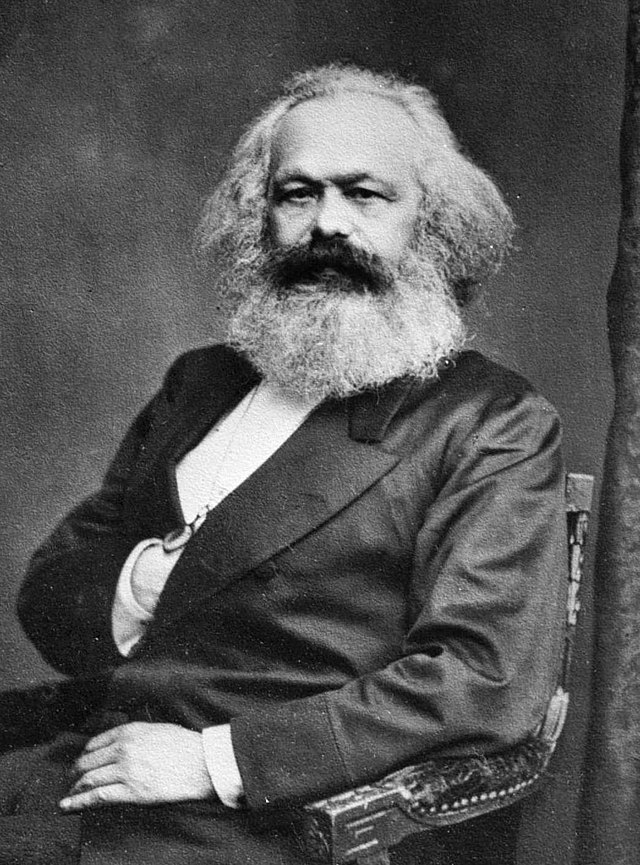
However, due to Latin America’s economic reliance on agriculture rather than industrialization, Marx believed the region was not ready for such a transformation. Ironically, Latin America experienced more revolutions in the 20th century than any other region in the world. Even more strikingly, these uprisings were often fueled by rural peasants rather than the urban industrial workers Marx envisioned. This was certainly the case with the 20th century’s first major revolution: the Mexican Revolution.

What was the Mexican Revolution? Some historians argue that the Mexican Revolution was a singular, unified movement, while others contend that it was a collection of diverse and overlapping struggles with varying goals and motivations.
- Was it a liberal movement aimed at promoting democracy, individual liberties, and social reforms while challenging an authoritarian government?
- Was it a great rebellion, characterized by factions fighting one another without a unified or coherent ideology?
- Was it a civil war that claimed the lives of over a million people in a nation of just 15 million?
- Was it a nationalist movement, marked by attacks on foreign economic interests and ownership?
- Was it a failed socialist revolution that ultimately saw the triumph of the middle class and the expansion of capitalism?
Professor Alan Knight reminds us:
Some historians have suggested that the roots of the Revolution are to be found in the distant colonial period (c. 1521– 1821) and, certainly, many features of early 20th-century Mexico have colonial origins: a multi-ethnic population (a mixture of Indians, mestizos, creoles/ whites, and a small black African population); a powerful Catholic Church; large landed estates; and many of the basic administrative divisions of the country. However, Mexico achieved independence from Spain in 1821 and the ‘colonial legacy’ was soon overlaid with new features; and it was these, especially those acquired during the thirty-five years of the Porfiriato (the rule of Porfirio Díaz, 1876– 1911), which proved crucial in the gestation of revolution.
Professor Marc Becker adds:
Foreigners owned the telephone and telegraph companies, mines, factories, department stores, and petroleum operations. U.S. companies had more investments in Mexico than in any other country, and during the Porfiriato those companies came to own more than did the Mexicans themselves. The foreign domination became so pervasive that Mexicans asserted the country was the “mother of foreigners and the stepmother of Mexicans.
Historians continue to debate the true nature of the Mexican Revolution, but one fact remains indisputable: it was the first revolution of the 20th century. Before we delve deeper into this topic, I would like you to reflect on the following quotes from two classic literary works about the Mexican Revolution.
The tragedy of the Revolution was the moral impossibility of not supporting it and the material impossibility of achieving through it the regeneration of Mexico that would justify so much violence and destruction. – Martín Luis Guzmán, El Aguila y la Serpiente (1928)
Well, the revolution is like a hurricane: if you’re in it, you’re not a man . . . you’re a leaf, a dead leaf, blown by the wind. – Mariano Azuela, Los de Abajo (1915)
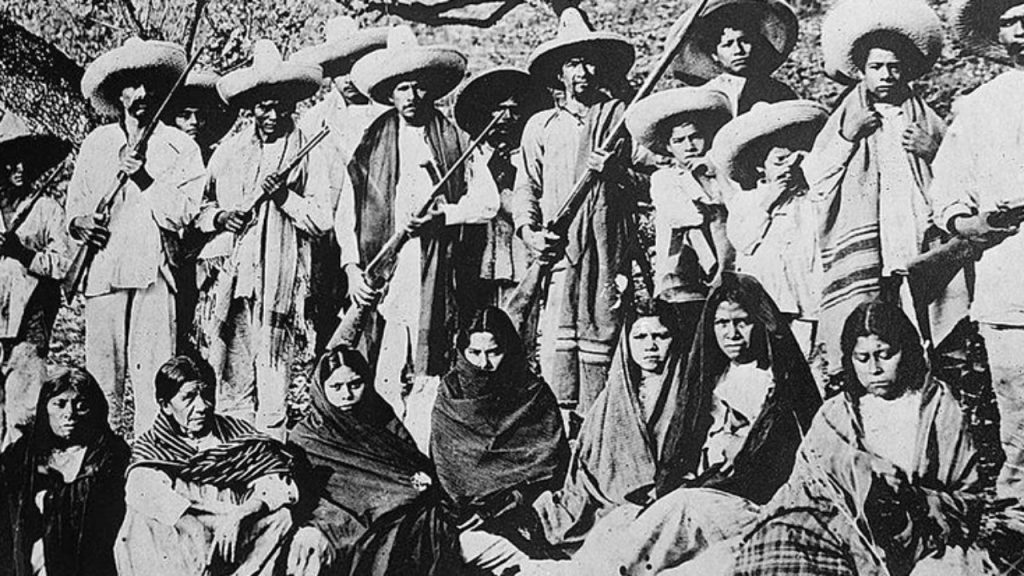
One gets the sense that the Mexican Revolution was a storm with a purpose. But what exactly did the Mexican Revolution seek to accomplish? Three key objectives stand out:
- A rapid redistribution of wealth and power from the upper class to the impoverished and dispossessed working class.
- Fundamental changes to economic and political structures to benefit marginalized groups.
- The creation of a more equal and just society, one that sought to eliminate deep class divisions.
THE MILITARY PHASE OF THE MEXICAN REVOLUTION
Díaz’s main rival in the 1910 election was Francisco I. Madero. Madero is widely regarded as the leader who sparked the Mexican Revolution of 1910. Born in 1873 into a wealthy landowning family in Coahuila, Mexico, Madero received his education in France and the United States, where he was introduced to liberal and democratic ideals. A vocal critic of Porfirio Díaz’s authoritarian regime, Madero became a passionate advocate for democratic reforms and the establishment of free elections.
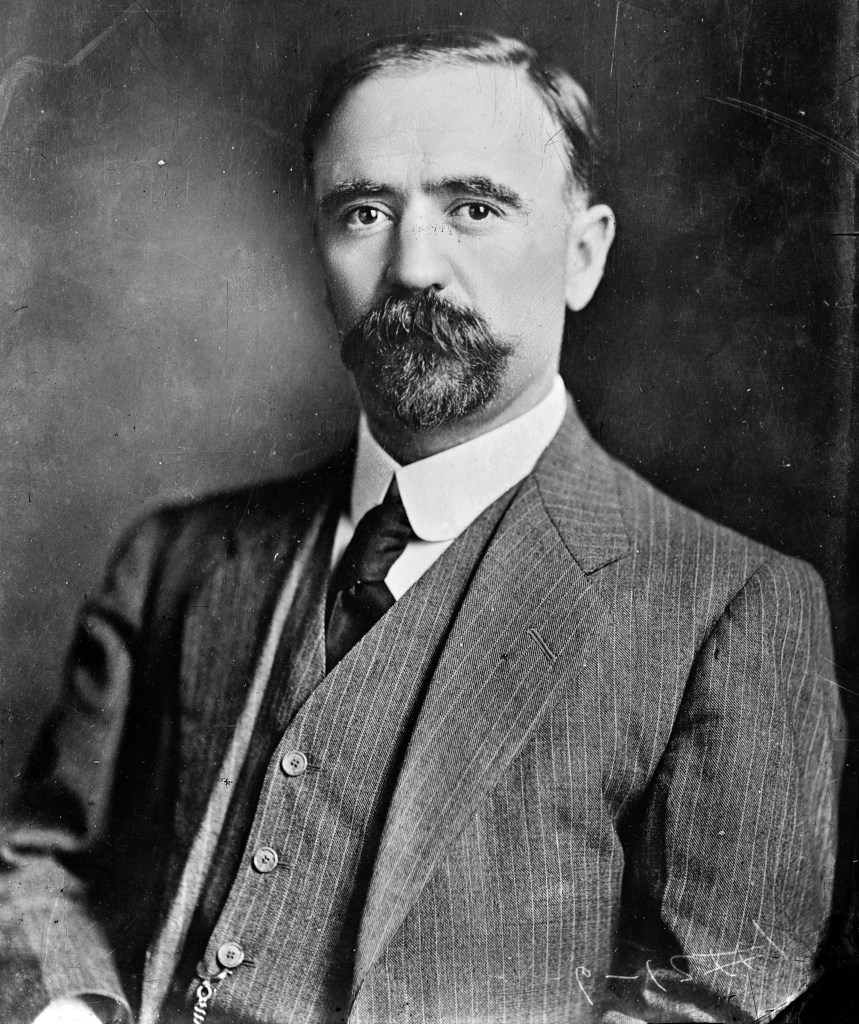
Madero’s relatively moderate platform initially seemed to pose little threat to Díaz. Unlike other, more radical political opponents who had been suppressed by Díaz’s regime, Madero was allowed to participate in the electoral process. However, Díaz underestimated the growing popularity and support base behind Madero. On election day, when the votes were counted, it was announced that Díaz had received over one million votes, while Madero garnered only two hundred.
Shortly after the election, Díaz had Madero imprisoned in San Luis Potosí. Upon his release on bail, Madero fled to the United States, where he continued his fight against Díaz from exile. While abroad, Madero drafted El Plan de San Luis Potosí, a call to arms that sought to address social and economic grievances while emphasizing political reform. The plan declared Madero the provisional president, promised free elections, and proclaimed a commitment to the principle of non-reelection.
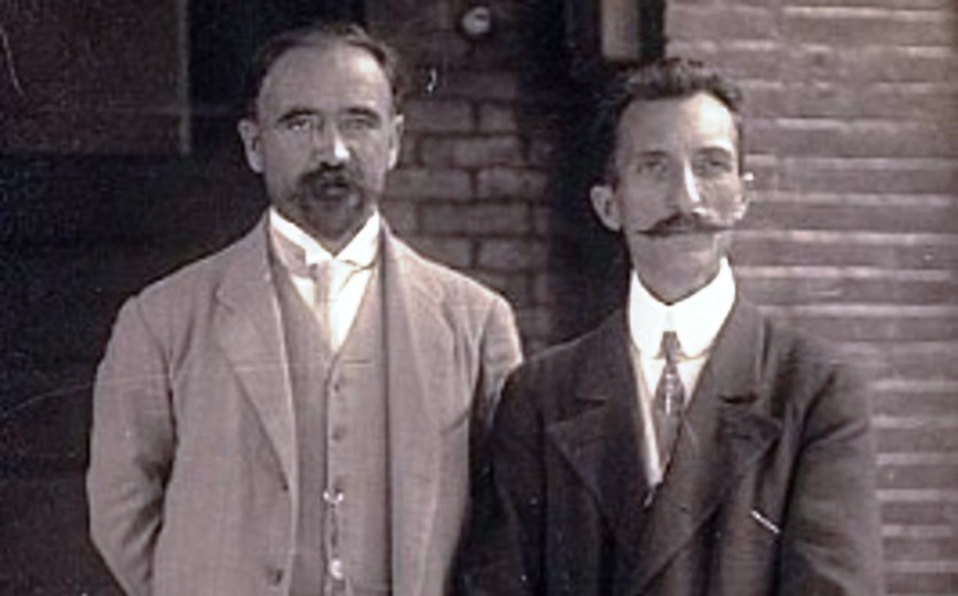
Madero’s call to arms against Díaz garnered the support of existing popular movements led by Emiliano Zapata, Pancho Villa, and Pascual Orozco. By 1911, Madero’s successful revolt forced Díaz to dissolve his government and flee into exile. That same year, Madero was elected president of Mexico, with José María Pino Suárez as his vice president.
However, Madero made critical errors in signing the Treaty of Ciudad Juárez with Díaz’s regime. First, Madero agreed to preserve the old Porfirian officer corps, now led by General Victoriano Huerta, as well as honor existing judicial and executive appointments. Second, the treaty allowed for the political survival of many Porfiristas, ensuring that remnants of Díaz’s regime retained influence. Third, Madero entrusted the resolution of land and property disputes to the Porfirian judicial system, expressing faith in its ability to address social grievances. These decisions alienated many of his revolutionary allies and left the old power structures largely intact. In the end, Madero’s lack of a unifying ideology and his failure to implement agrarian reform led to the collapse of the fragile consensus that had united forces to overthrow Díaz.
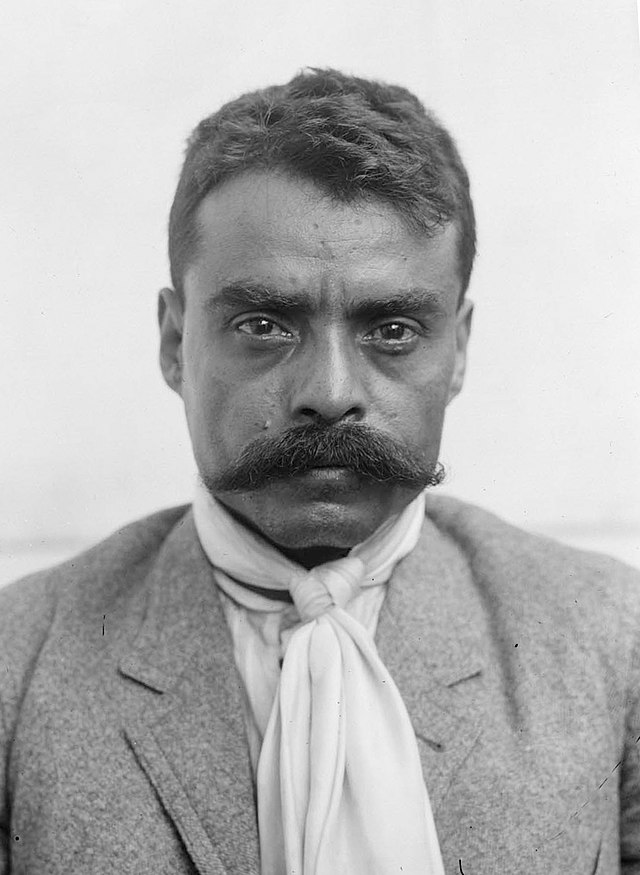
One of the most vocal critics of his inaction on land reform was Emiliano Zapata (c. 1879–1919. Born in the village of Anenecuilco, Morelos, Zapata was a sharecropper (mediero) and horse trainer before rising to prominence as a revolutionary leader. In 1908, he began campaigning for the restoration of village lands that had been confiscated by wealthy hacendados. His famous slogan, “Tierra y Libertad” (“Land and Liberty”), became a rallying cry for his movement. From 1910 to 1919, Zapata led an army of Indigenous peasants during the Mexican Revolution, with the primary goal of reclaiming their ancestral lands. Frustrated by Francisco Madero’s failure to enact meaningful land reforms, Zapata issued the Plan de Ayala, a manifesto calling for rebellion against Madero’s government. Madero eventually ordered an invasion of Morelos to disarm Zapata’s forces, as the grassroots movement had withdrawn its support for his presidency. Ironically, the task of suppressing the Zapatistas was given to General Victoriano Huerta—the same general who would later orchestrate Madero’s downfall.
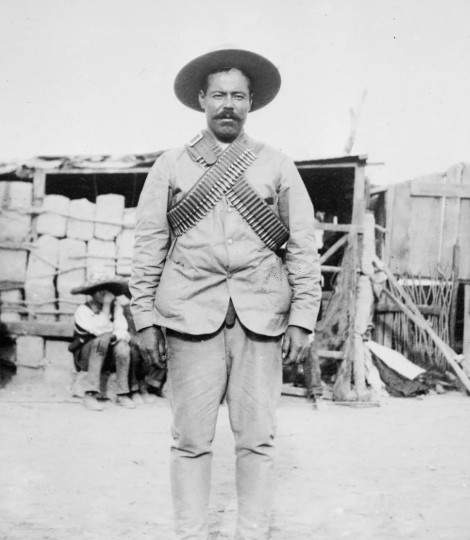
Another key figure who emerged during the early stages of the Mexican Revolution was Pancho Villa, a former bandit who rose to command one of the most formidable military forces of the conflict. Born Doroteo Arango in 1878, Villa’s early experiences of poverty and injustice shaped his commitment to fighting for social justice and the redistribution of wealth and land. Initially a bandit in northern Mexico, he emerged as a charismatic and tactical revolutionary leader, commanding the Division of the North—a military force that played a pivotal role in overthrowing the dictatorship of Porfirio Díaz. Villa’s use of guerrilla warfare and bold strategic maneuvers earned him both fear and admiration. His revolutionary ideals often brought him into conflict with other leaders, particularly Venustiano Carranza, contributing to the fracturing of revolutionary forces.
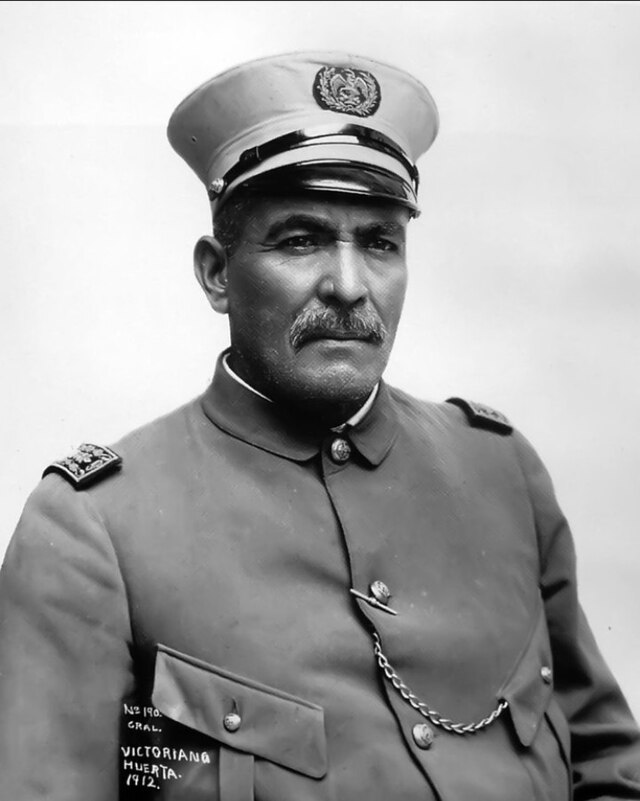
It was General Victoriano Huerta (1854-1916) who dealt the fatal blow to President Francisco Madero through a counterrevolution in 1913. Representing the conservative factions of Mexican society, Huerta orchestrated the arrests of Madero and Vice President José María Pino Suárez, both of whom were subsequently murdered under his orders. Following this coup, Huerta assumed power and ruled as a dictator from 1913 to 1914.
However, Huerta’s regime quickly faced resistance on multiple fronts. Often characterized as a dictatorship, Huerta’s rule was defined by authoritarianism and his efforts to suppress revolutionary movements. These actions drew widespread condemnation both domestically and internationally, including from the United States. Lacking the support of the United States, Huerta found himself opposed by revolutionary forces led by Pancho Villa, Álvaro Obregón, Venustiano Carranza, and Emiliano Zapata.
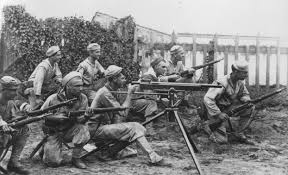
President Woodrow Wilson, hostile to Huerta’s government, approved an invasion of Mexico aimed at undermining his regime by cutting off access to arms, supplies, and customs revenues, thereby weakening the strength of Huerta’s military campaigns. Facing relentless opposition, his regime ultimately collapsed, forcing him to resign and go into exile in 1914. Huerta died in the United States in 1916, shortly after being detained for attempting to return to Mexico to incite a counter-revolution.
The defeat of Huerta plunged Mexico into what was essentially a civil war between the Conventionalists, led by Pancho Villa and Emiliano Zapata, and the Constitutionalists, led by Venustiano Carranza and Álvaro Obregón. The Conventionalists advocated for immediate and sweeping land reforms, while the Constitutionalists resisted these measures, favoring a more gradual approach. Ultimately, under the strategic leadership of Carranza and Obregón, the Constitutionalists emerged victorious from the conflict.
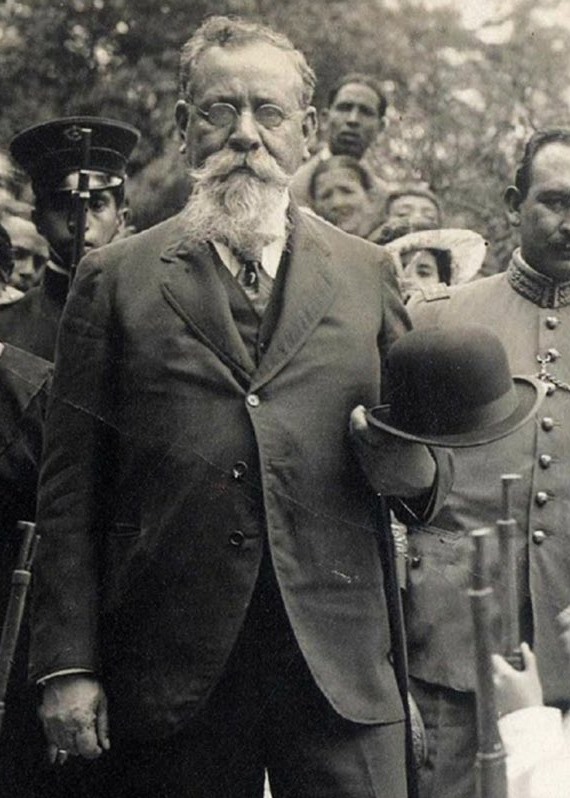
Venustiano Carranza (1859–1920) served as President of Mexico from 1917 to 1920, during which he played a key role in drafting the 1917 Constitution. Carranza sought to restore constitutional order after the chaos of Porfirio Díaz’s regime and the fragmented revolutionary factions. However, his presidency faced fierce resistance from revolutionary leaders like Emiliano Zapata and Pancho Villa, leading to divisions that weakened the revolutionary movement. Carranza’s tenure ended in controversy when he was assassinated in 1920 while fleeing a coup, a tragic end that underscored the persistent turbulence of post-revolutionary Mexico. Despite this, his contributions to modernizing the nation and laying the foundations for its legal and social reforms remain enduring.
THE POLITICAL PHASE OF THE MEXICAN REVOLUTION
The military defeat of the Conventionalists paved the way for the Querétaro Convention to begin drafting a new constitution in 1916, culminating in the Mexican Constitution of 1917. A key feature of this constitution was Article 27, which declared that landownership was originally vested in the nation and granted the government the authority to expropriate land for the public good. , which introduced transformative reforms such as land redistribution under Article 27, labor rights under Article 123, and the separation of church and state. Known as the “Primer Jefe” (First Chief) of the Constitutionalist Army,
Ownership of the lands and waters within the boundaries of the national territory is vested originally in the Nation, which has had, and has, the right to transmit title thereof to private persons, thereby constituting private property.
Only Mexicans by birth or naturalization and Mexican companies have the right to acquire ownership of lands, waters, and their appurtenances, or to obtain concessions for the exploitation of mines or of waters.
Religious institutions known as churches, regardless of creed, may in no case acquire, hold, or administer real property or hold mortgages thereon; such property held at present either directly or through an intermediary shall revert to the Nation.
Centers of population which lack communal lands (ejídos) or which are unable to have them restored to them due to lack of titles, impossibility of identification, or because they had been legally transferred, shall be granted sufficient lands and waters to constitute them, in accordance with the needs of the population . . . – Article 27
Carranza prioritized political reforms and constitutional restructuring. However, he overlooked the urgent agrarian changes that Zapata championed, leading to a profound rift between the two leaders. Zapata viewed Carranza’s centralization of power and alignment with elite interests as a betrayal of revolutionary ideals, fueling distrust and opposition. To Zapata, Carranza’s approach echoed the oppressive Porfirio Díaz regime, deepening his resentment. Regional and cultural tensions also played a role in their rivalry, with Zapata representing the rural south and its agrarian struggles, while Carranza focused on northern industrial and urban development.
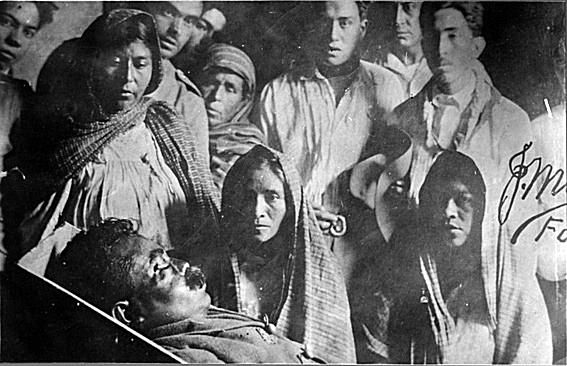
Zapata’s resistance to Carranza’s neglect of rural needs culminated in a bitter struggle. Frustrated by Zapata’s resistance, Carranza in 1916 ordered General Pablo González to eliminate him. To achieve this, González employed a brutal scorched-earth policy, executing anyone he suspected of supporting Zapata. Despite these harsh measures, Zapata continued to resist Carranza’s forces. However, on April 10, 1919, Zapata was ambushed and killed by Colonel Jesús Guajardo. Guajardo had gained Zapata’s trust by falsely claiming he wanted to defect from Carranza’s military, luring him into a fatal meeting. His death cemented him as a lasting symbol of agrarian justice and grassroots resistance.
Carranza’s downfall stemmed from two costly mistakes. First, the assassination of Zapata sparked outrage throughout Mexico, tarnishing his reputation. Second, Carranza opposed Obregón’s candidacy for president in 1919, insisting that no military figures should run for office. Instead, he handpicked Ignacio Bonillas, the ambassador to the United States, as his preferred candidate. This decision alienated many revolutionary leaders, including Obregón and his allies, Plutarco Elías Calles and Adolfo de la Huerta.
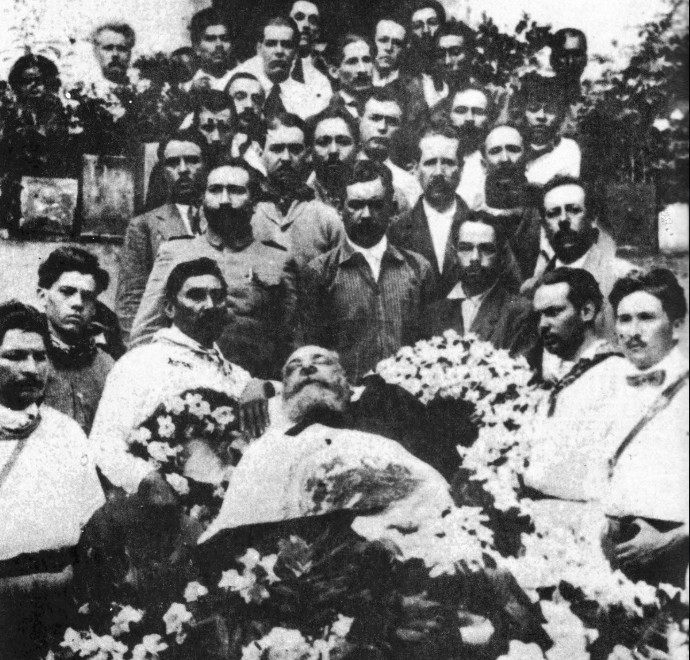
In response, they launched the Plan of Agua Prieta, accusing Carranza of using dictatorial tactics and calling for his removal. As his political position crumbled, Carranza attempted to flee Mexico City, hoping to reach Veracruz. However, on May 21, 1920, he was assassinated in the hamlet of Tlaxcalantongo. Carranza’s death paved the way for Obregón to ascend to power and lead Mexico into a new political era.
Unlike Zapata, Villa never developed or articulated a clear ideological vision for the revolution. His dominance in northern Mexico came to an end in 1915, after a series of crushing defeats that marked the decline of his military influence. Following his military setbacks, Villa made headlines in 1916 with his infamous raid on Columbus, New Mexico. In response, U.S. Army General John J. Pershing launched a nine-month pursuit to capture him, but the mission ultimately failed.
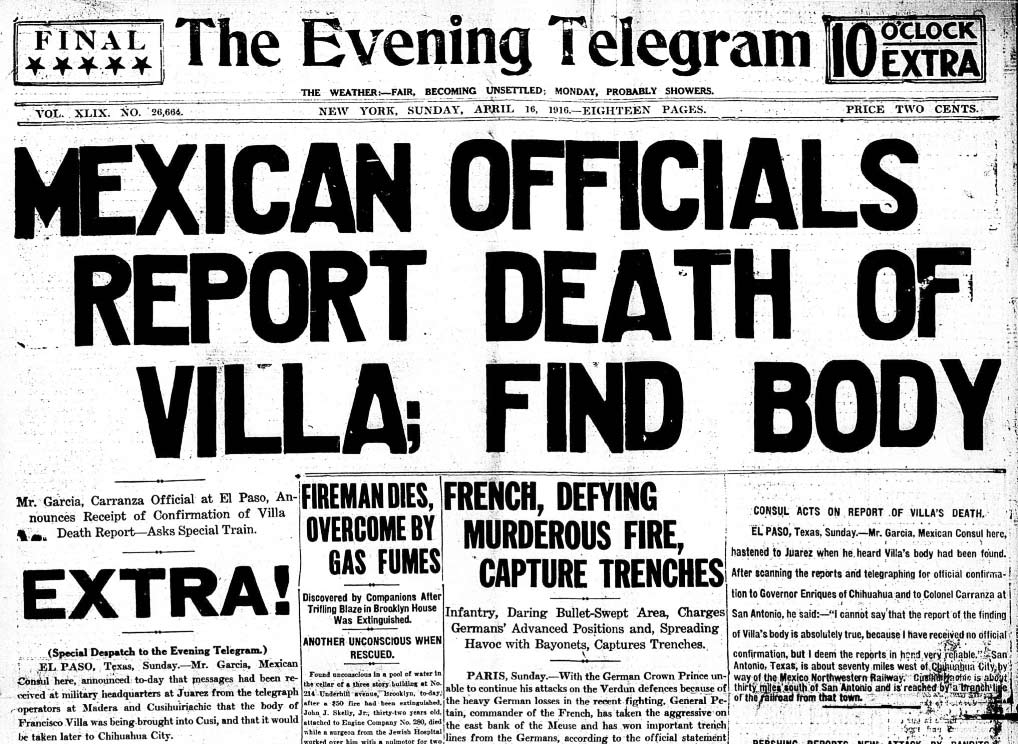
Villa retired in 1920 and was granted a large estate, which he transformed into a “military colony,” a community for his former soldiers and their families. However, in 1923, Villa decided to reenter Mexican politics, a move that threatened the existing regime. As a result, he was assassinated, most likely on the orders of Obregón, who viewed him as a dangerous rival.
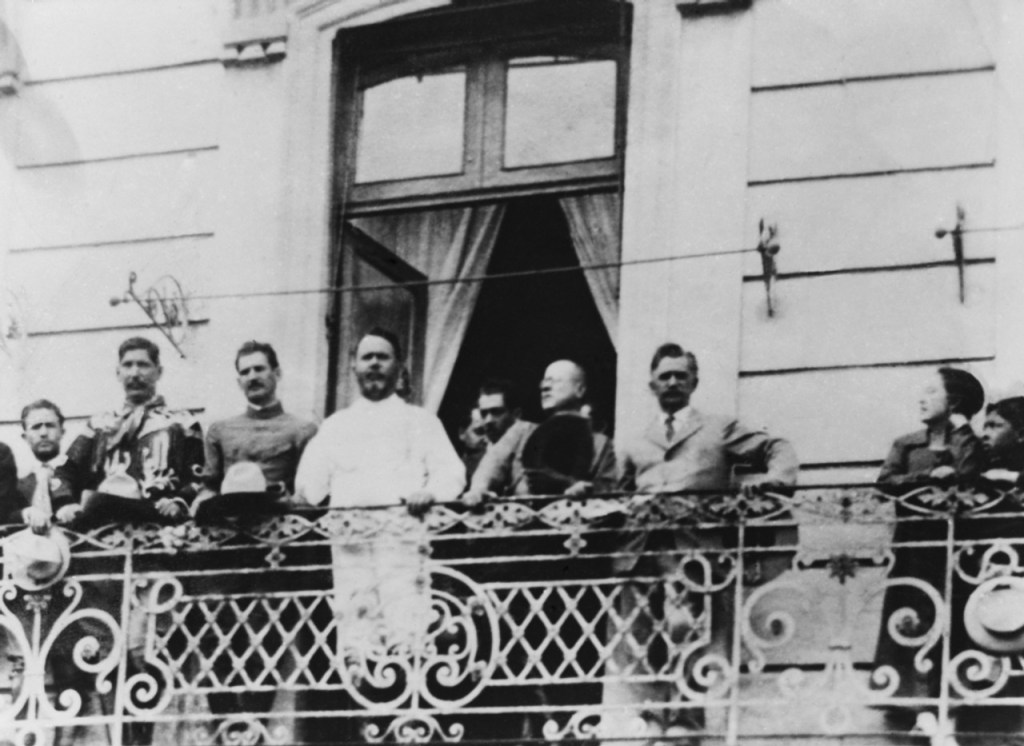
Obregón and his allies established what historians refer to as the Sonoran System, an ideological framework that emphasized modernization and reform. This system prioritized individualism over collectivism, family farms over communal landholding, and a secular society over one dominated by the Catholic Church. They envisioned a modernization project that included economic, social, and educational reforms designed to place all Mexicans on equal legal footing and eliminate the worst abuses inflicted by the wealthy on the poor.
Obregón’s leadership reflected these principles, but his anticlerical stance made him a deeply polarizing figure. Chosen president again in 1928, Obregón’s reforms and opposition to the Catholic Church fueled significant tensions. Before he could take office, he was assassinated by a fanatical Roman Catholic who opposed his policies, marking a violent end to his efforts to reshape Mexico.

Upon becoming president, Plutarco Elías Calles launched a series of reforms grounded in the principles of the 1917 Constitution. For instance, his administration redistributed eight million acres of land to indigenous villages—approximately five million acres more than under Obregón—and established credit banks to support campesinos.
In addition, Calles enacted three key laws that reinforced the Constitution’s provisions. The Petroleum Law applied Article 27 to oil companies, requiring them to apply for confirmatory concessions to retain their holdings. The Alien Land Law limited foreign ownership of agricultural estates, ensuring greater control over national resources. Finally, the Calles Law drastically restricted the activities of the Catholic Church, escalating tensions between the government and the clergy and setting the stage for the Cristero War.
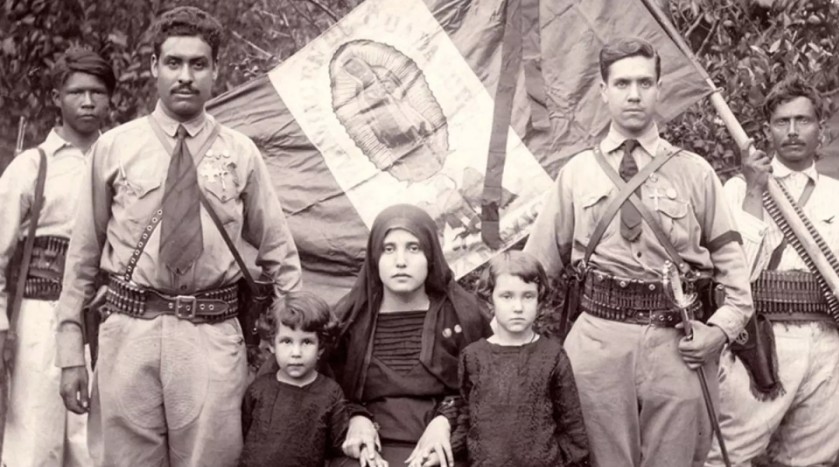
During Calles’ presidency, his anti-Catholic policies—including banning mass in public places, eliminating the clergy’s right to vote, and barring the Church from owning land—helped ignite the Cristero Revolt, one of the bloodiest chapters of the 1920s. This conflict, which lasted from 1926 to 1929 and claimed tens of thousands of lives, arose not only from religious tensions but also from broader social and political grievances. While Calles dismissed the Cristeros as fanatics, the movement brought together Catholic factions and large landowners in opposition to his regime.
Despite his harsh suppression of the revolt, Calles continued to consolidate power in the years that followed. He exercised behind-the-scenes control over Mexican politics through puppet presidents and, in 1929, founded the Partido Nacional Revolucionario (PNR). This party became the official political arm of the revolutionary regime and would dominate Mexican politics for much of the 20th century.

Lázaro Cárdenas del Río (1895–1970) served as the President of Mexico from 1934 to 1940. Cárdenas was expected to be another of Calles’ presidential puppets. Instead, he instituted a strong reformist program that marked the most progressive phase of the Mexican Revolution, particularly in land redistribution and nationalization. Cárdenas also launched a national campaign for public education to combat illiteracy and modernize the country.
To address the plight of the landless poor, he redistributed 49,580,203 acres of land—more than all his predecessors combined—and introduced the ejido system, which established communal farms to empower rural communities. Cárdenas also supported the creation of the Confederación de Trabajadores Mexicanos (CTM), a new national labor union that strengthened workers’ rights and aligned labor more closely with the revolutionary state.
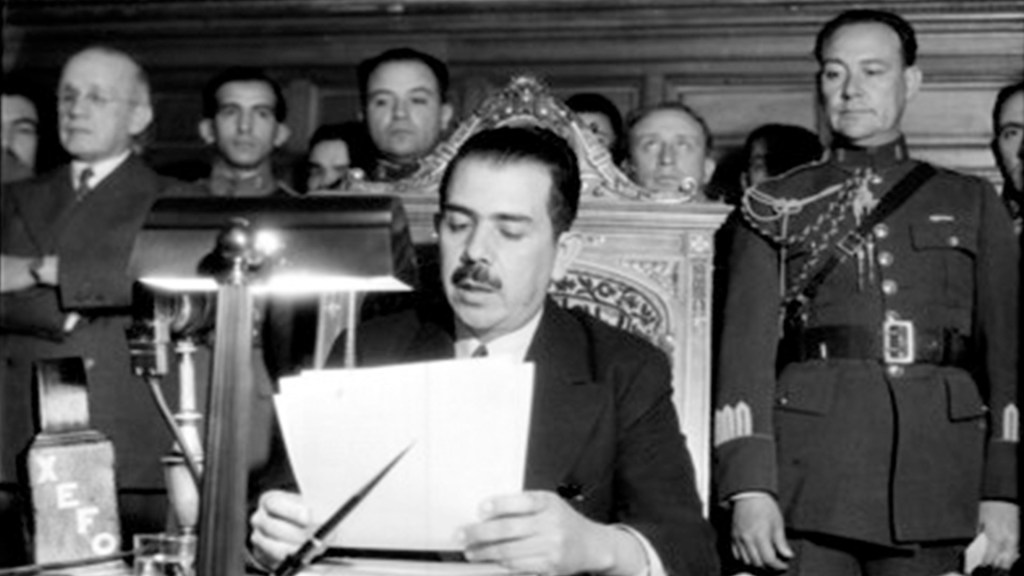
On March 18, 1938, Cárdenas made one of his boldest moves by nationalizing the oil companies, accusing them of violating Mexican sovereignty. This decision not only symbolized economic independence but also became a defining moment in Mexico’s modern history. Finally, Cárdenas reorganized the official Mexican party, the PNR, transforming it into the Partido de la Revolución Mexicana (PRM) to reflect his vision of a more inclusive and socially oriented revolutionary state.
Through these sweeping reforms, Cárdenas redefined the presidency, strengthening the revolutionary ideals of social justice, national sovereignty, and labor rights while cementing his legacy as one of Mexico’s most transformative leaders.
IN CLOSING
When did the Mexican Revolution come to an end? Scholars continue to debate when the Mexican Revolution officially came to an end, reflecting diverse perspectives on its objectives and legacy. Some argue that the revolution concluded with the drafting of the 1917 Constitution, which codified many of its core ideals into law. Others, focusing on the military aspect rather than the ideological, view 1920 as the endpoint, marked by the cessation of armed conflict and the rise of Álvaro Obregón to power. Yet another interpretation identifies 1940 as the conclusion of the revolution, when Lázaro Cárdenas handed over the presidency to Manuel Ávila Camacho. This transition signaled the close of an era of sweeping social reforms and the beginning of a conservative phase of Mexican politics. These varying viewpoints highlight the revolution’s complexity and its lasting impact on Mexico’s social and political trajectory.
 World History Portal