LEARNING OBJECTIVES
By the time you complete this topic you should be able to do the following:
| Identify the key political and ideological movements that shaped 20th-century Latin America. Explore the role of global powers in shaping Latin America’s political, social, and economic trajectories. Assess challenges of implementing land, labor, and electoral reforms in addressing entrenched social and economic inequalities. |
We have reached the final module of this course. My goal with this module is to introduce you to some of the major political and ideological movements that emerged in 20th-century Latin America beyond the Mexican and Cuban Revolutions. One of the biggest challenges we’ve faced throughout this course has been the sheer breadth of content we’ve tried to cover in such a short time. As I’ve mentioned before, 16 weeks is far too brief to do justice to the rich and complex history of Latin America. However, my hope is that the topics we’ve explored together have provided you with a solid foundation in Latin American history, one that will inspire you to continue exploring and deepening your understanding of this fascinating region.
20th CENTURY GENERAL OBSERVATIONS
Like many regions worldwide striving to establish liberal forms of government in the 20th century, Latin America sought, as one historian noted, “to consolidate representative regimes, accept the legitimacy of opposition, expand citizenship, and affirm the rule of law.” Recall, this ambitious vision was championed by liberal reformers during the latter half of the 19th century. These reformer endeavored to modernize political institutions and align them with ideals of representation, legal equality, and individual rights. They actively sought to dismantle colonial legacies of authoritarianism and hierarchical governance, replacing them with structures that promoted constitutionalism, accountability, and inclusion.
However, by the century’s end, most Latin American states had transitioned into what political scholars describe as “oligarchical democracies.” These systems preserved the outward symbols of liberal governance which included constitutions, elections, and legislative bodies, but were fundamentally dominated by elite control. Marked by a profound distrust of the masses, these regimes were guided by the belief that “government should be directed by an elite… [who] feared that too much democracy would harm their interests.” This perspective was manifested through restrictive voting laws, limited access to political participation, and manipulated electoral processes that ensured the dominance of ruling elites.

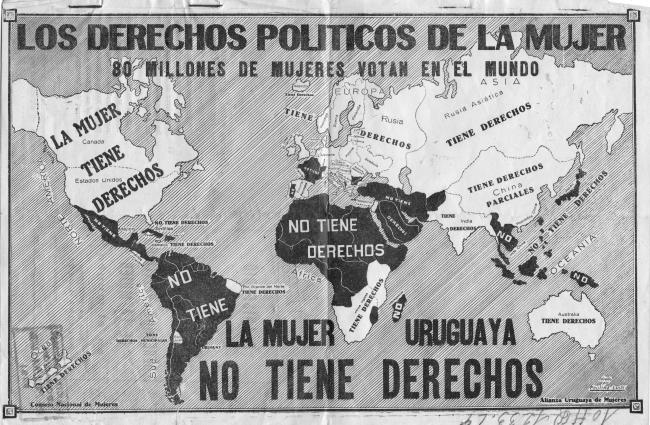
| Who was Paulina Luisi (1875–1950)? “She was Uruguay’s first female physician and a trailblazing feminist activist in Latin America. She championed gender equality, advocating for women’s suffrage, reproductive rights, and access to education. Active in the international feminist movement, she represented Uruguay at the Pan-American Women’s Conference and worked toward legal and social reforms to improve women’s lives. Her 1929 booklet, featuring a world map on the status of women’s rights, highlighted global progress and challenges. Luisi is remembered as a pioneer in medicine and a dedicated advocate for justice and equality.” |
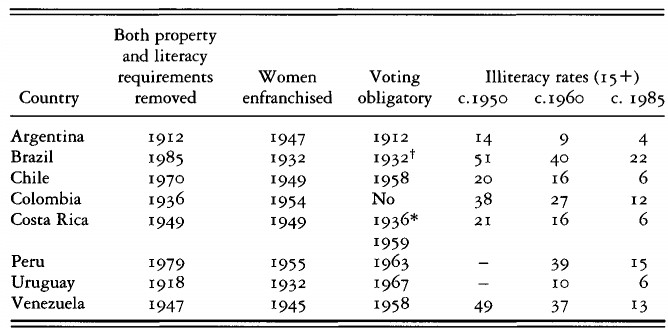
Despite the elitist nature of these regimes, many Latin American countries experienced notable expansions of suffrage and political participation, particularly during the period from 1930 to 1990. This era saw significant reforms that broadened the electorate, granting voting rights to previously excluded groups, including women and the lower socioeconomic classes.
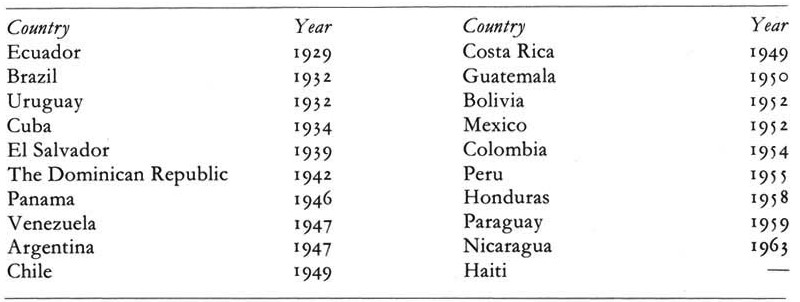
Yet, the degree of political engagement varied widely across the region. Electoral turnout was consistently highest in countries with “higher levels of socio-economic development, stronger political parties and party systems, and well-institutionalized electoral agencies.” These factors created environments where elections were seen as legitimate and meaningful, fostering greater public participation.
COLONIAL LEGACIES
The historical trajectory of the 20th century, and other eras, highlights the complexity of political development in Latin America. This was a region of the world where the ideals of liberalism often clashed with entrenched social hierarchies and economic inequalities. While the frameworks for broader political inclusion were laid, their implementation often fell short of achieving full democratic participation. This fact underscored the enduring influence of elite power and structural barriers.
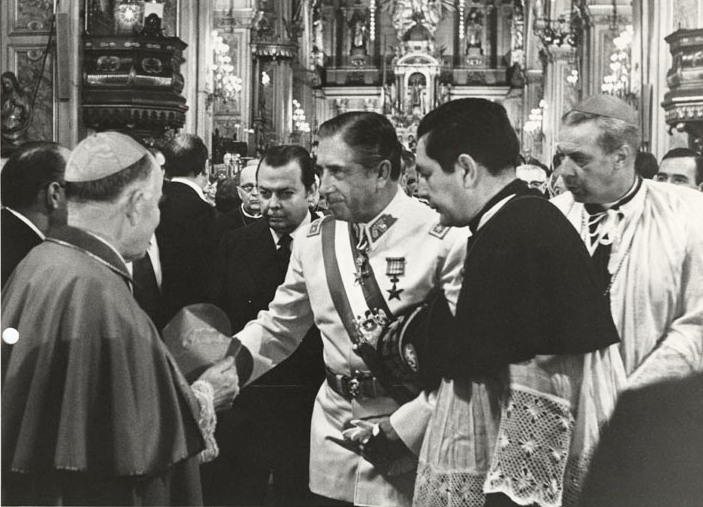
Historians have identified a range of factors that contributed to Latin America’s struggle to fully embrace pure democratic principles, despite the region’s aspirations for liberal governance. Cultural explanations often point to the deep-rooted legacy of Roman Catholicism, which historically emphasized hierarchical structures, obedience to authority, and communal values over individual political autonomy. This cultural framework, inherited from centuries of Iberian colonial rule, posed significant ideological and structural challenges to the establishment of participatory democratic systems. The Iberian colonial experience further entrenched centralized forms of governance and social stratification, leaving a legacy that was difficult, if not impossible, to fully overcome.
Economic factors, however, are often cited as equally, if not more, influential in shaping the region’s political trajectory. Dependency theorists argue that Latin America’s integration into the global economy during the colonial and post-independence periods was characterized by exploitative economic exchanges that concentrated wealth and power in the hands of a small oligarchy.
This dynamic stifled the emergence of a robust bourgeoisie, a middle class, and strong, autonomous state institutions in Latin America. These are key components considered essential for the growth of stable and inclusive democratic systems. The reliance on export-driven economies, dominated by landholding elites and foreign investors, further reinforced patterns of inequality and limited the capacity for political and social reform.
POLITICAL EXPERIMENTATION
Over the course of the 20th century, Latin America’s political landscape was shaped by frequent civil conflicts, economic crises, and social upheavals. These pressures pushed the region to experiment with a wide array of political systems and ideologies, ranging from right-wing authoritarian regimes and military juntas to leftist Marxist governments. The instability was compounded by external influences, including Cold War dynamics, which often exacerbated domestic divisions as superpowers supported competing factions to advance their geopolitical interests.
One notable feature of this period was the frequent turnover of constitutions. Authoritarian leaders, in particular, leveraged constitutional reforms to legitimize their rule while maintaining tight control over political and social institutions. These constitutions often included nominally democratic provisions—such as elections or representative assemblies—designed to project an image of legitimacy to both domestic and international audiences. In practice, however, these measures were typically accompanied by widespread repression, electoral manipulation, and restrictions on political opposition.
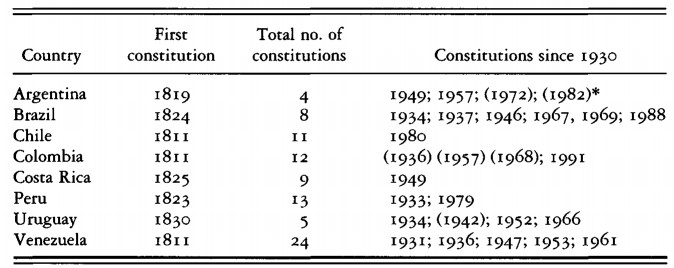
The experimentation with various political systems during the 20th century reflected the region’s ongoing struggle to balance competing demands for stability, modernization, and inclusion. While some governments made genuine efforts to expand participation and address inequality, these efforts were often undermined by entrenched economic disparities, weak institutional frameworks, and the persistent influence of elite interests. Consequently, Latin America’s political trajectory has been characterized by a tension between the ideals of democracy and the structural realities that limited their full realization.
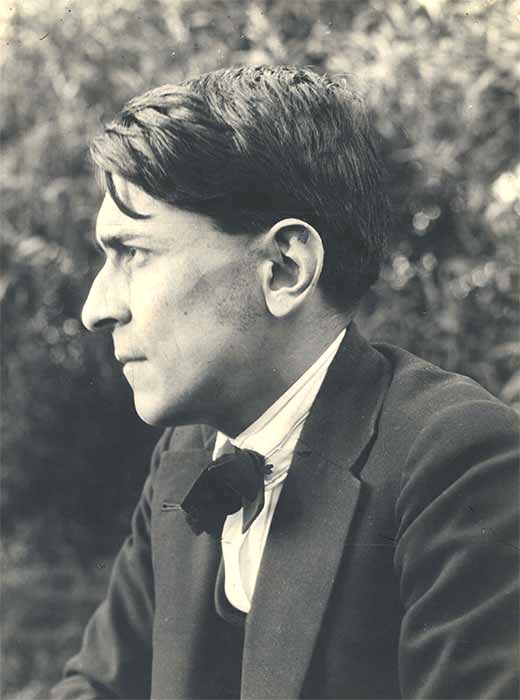
Although communism had a presence across Latin America throughout the 20th century, it faced numerous challenges that hindered its ability to establish deep and lasting roots in the region. One significant source of tension stemmed from the ideological divide between international communism, as directed by the Soviet Union, and the distinct Marxist ideas that emerged within Latin America. Figures such as José Carlos Mariátegui (1895–1930), a Peruvian intellectual and activist, advanced a unique vision of Marxism tailored to the realities of Latin American societies. Mariátegui’s writings emphasized the importance of indigenous communities and the need for socialism to address the continent’s entrenched social and economic inequalities, diverging from the industrial worker-centric model promoted by Soviet Marxism.
In parallel, various socialist parties gained broader appeal in Latin America than their communist counterparts. These parties focused on building national identities and connections rather than adhering strictly to the principles of international solidarity championed by the Soviet Union. Moreover, their strategies prioritized electoral and parliamentary political practices over revolutionary action, making them more palatable to broader swaths of the population. Their emphasis on gradual reform and democratic engagement often placed them in direct competition with communist movements, which called for radical upheaval.
The trajectory of Marxism in Latin America shifted dramatically with the Cuban Revolution (1953–1959), which marked the first time Marxist ideals gained prominence as the guiding framework for a nation’s transformation. Spearheaded by Fidel Castro and Ernesto “Che” Guevara, the revolution sought to create a socialist economy and a society based on principles of equality and anti-imperialism.
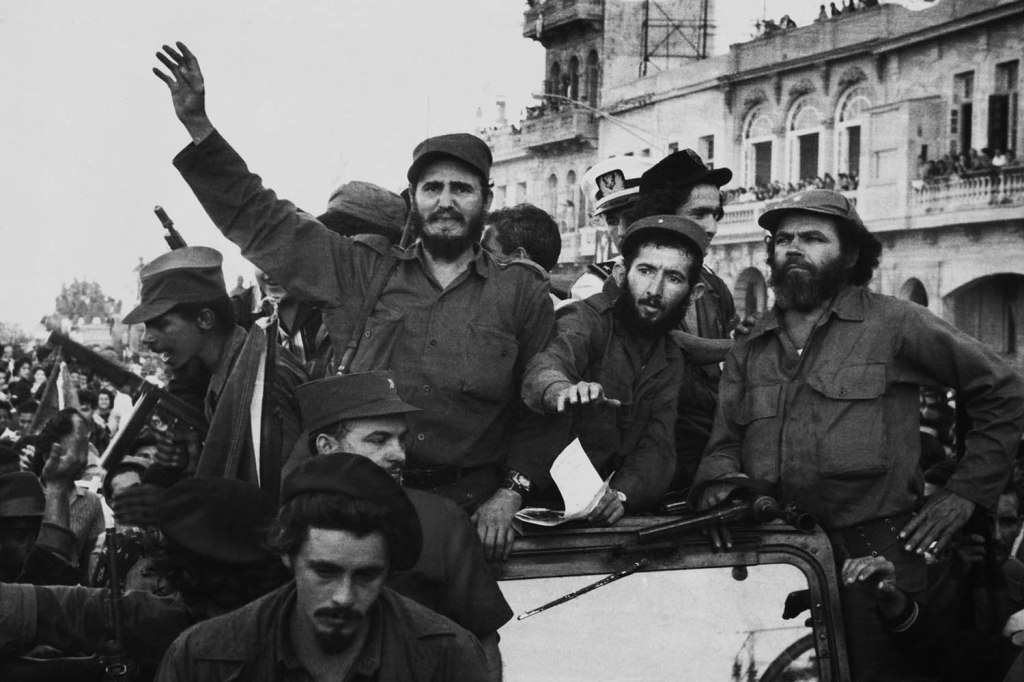
The Cuban Revolution’s success inspired leftist movements across the region, elevating Marxist thought as a powerful counter-narrative to both capitalism and U.S.-backed authoritarian regimes.
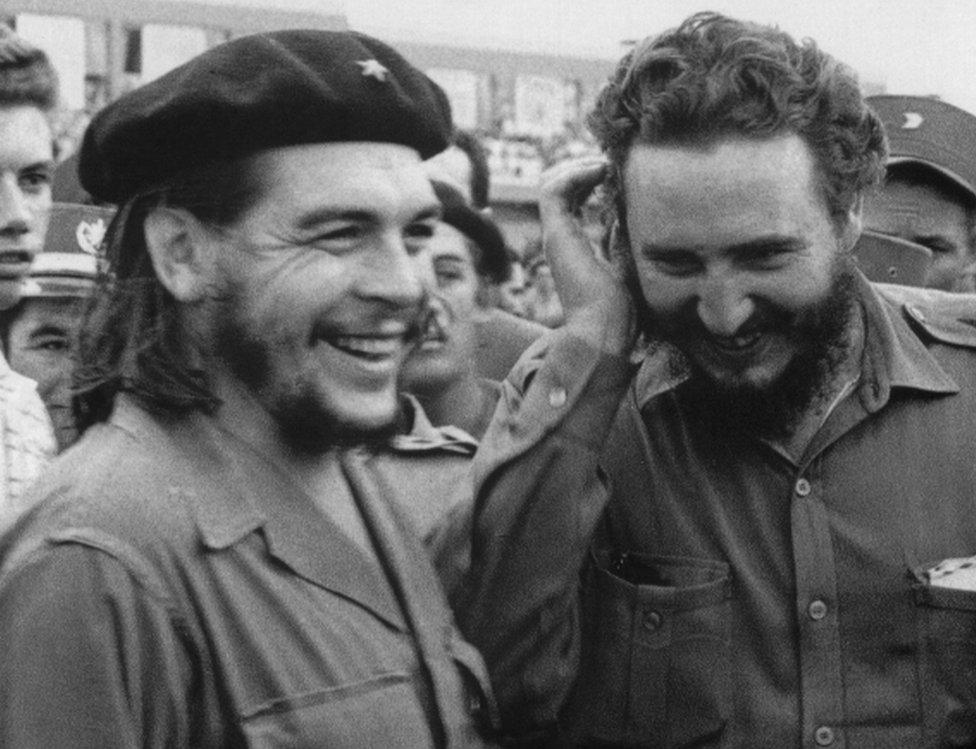
Central to this revolutionary wave was Che Guevara, an Argentine-born physician turned guerrilla leader. Guevara’s communist ideology profoundly influenced Castro’s vision, steering the revolution towards alignment with Soviet-style socialism. Guevara also became an iconic figure in global revolutionary thought, embodying ideals of sacrifice, international solidarity, and resistance to oppression. After the Cuban Revolution, Guevara devoted himself to exporting revolution across Latin America, particularly through armed struggle. His efforts to ignite uprisings in regions like the Congo and Bolivia underscored his belief in the universal applicability of Marxist principles.
However, Guevara’s revolutionary campaigns faced significant obstacles. The lack of grassroots support in Bolivia, compounded by logistical challenges and limited external assistance, led to the failure of his guerrilla movement. In 1967, Che Guevara was captured and executed by the Bolivian army, an event that marked a turning point in the trajectory of armed Marxist movements in Latin America. While Guevara’s death dealt a blow to revolutionary optimism, his legacy continued to inspire leftist movements, shaping the discourse of resistance and socialism in the region for decades.
Despite the symbolic power of figures like Guevara and the influence of the Cuban Revolution, communism in Latin America struggled to achieve widespread success. The region’s diversity of social conditions, political structures, and economic challenges often made a singular Marxist vision impractical. Moreover, the dominance of U.S. intervention in Latin America during the Cold War further stymied communist advances, as Washington provided material and military support to anti-communist regimes, intensifying repression against leftist movements.
In this complex historical landscape, communism in Latin America remained a contested and evolving force, deeply shaped by local realities and the interplay between global ideologies and regional dynamics.
ECONOMICS
In the century leading up to the First World War, Latin America established an economic model centered on export-led growth and unrestricted free trade. This model, deeply intertwined with global markets, relied heavily on the exportation of raw materials and agricultural products to industrialized nations. By 1914, this strategy had been in place for nearly a century and had delivered substantial economic gains for some countries. The most successful in terms of export growth per capita were Argentina, Chile, Uruguay, and Cuba, which leveraged their natural resources and agricultural potential to integrate into the global economy. However, the dominance of agriculture in these economies also highlighted systemic weaknesses. As one historian observed, “the high proportion of the labor force employed in agriculture reflected the low level of labor productivity and technological advancement.” This reliance on low-skill, labor-intensive sectors left many countries vulnerable to external shocks.
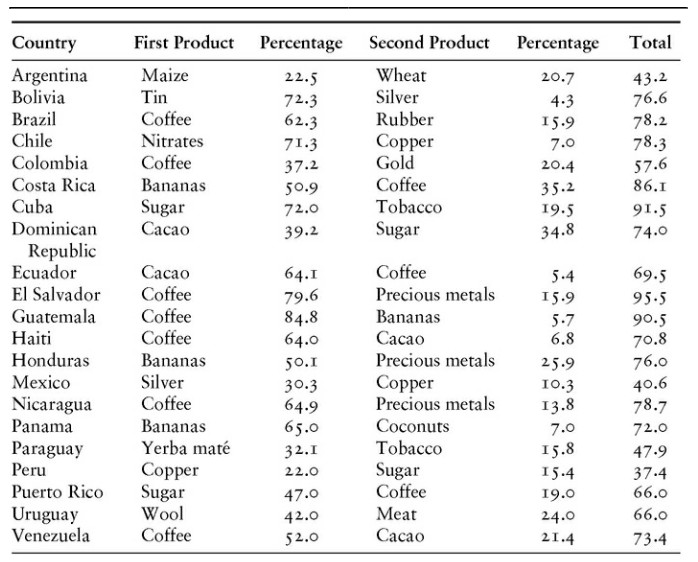
By the 1920s, cracks began to appear in this export-driven model, exacerbated by the profound disruptions caused by World War I. On one front, the war in Europe severely curtailed the inflow of foreign investment into Latin America, which had been a crucial driver of economic expansion. European capital, once readily available to finance infrastructure and industrial development in the region, was redirected toward the war effort. On another front, the conflict disrupted global supply chains, leading to severe shipping shortages and a collapse in trade credit. These challenges severely impacted government revenues. For instance, Chile, heavily reliant on nitrate exports, experienced a dramatic income decline of nearly two-thirds during this period.
Additionally, the war strained Latin America’s previously favorable trade relationships. The region had long enjoyed a trade surplus with the United States, but this advantage eroded as global economic conditions deteriorated. Unstable commodity prices added to the region’s woes, as the demand for raw materials fluctuated unpredictably during the war. These economic challenges worsened during the global downturn of 1920–21, when the transition to peacetime economies led to declining prices and a slump in global trade.
In response to these difficulties, Latin America began diversifying its trade relationships during the 1930s. The region sought new partners in Germany, Italy, and Japan, forming economic ties that allowed for a modest recovery. By 1938, economic data showed that Europe accounted for nearly 55% of Latin America’s exports and provided 45% of its imports. This interdependence with Europe underscored the region’s continued reliance on external markets, leaving it vulnerable to global disruptions. The looming threat of another world war, however, cast a shadow over these gains, creating uncertainty about the future of these trade relationships.
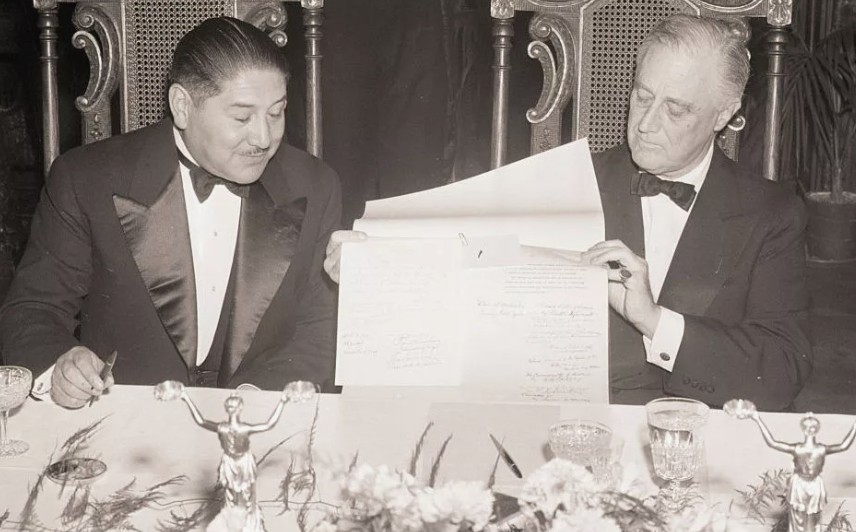
During the 1930s, the United States began to recognize the strategic importance of Latin America, particularly as a supplier of raw materials and critical commodities. Under President Franklin D. Roosevelt’s administration (1933–1945), efforts were made to stabilize the region’s economies and bolster U.S.-Latin American trade ties. To this end, the Inter-American Financial and Economic Advisory Committee was established with a mandate to “stimulate trade between Latin America and the United States, promote trade within Latin America, and encourage industrialization.” These initiatives were part of Roosevelt’s broader Good Neighbor Policy, which sought to foster cooperative relations and counteract the influence of European and Asian powers in the region.

However, the end of World War II marked a turning point in U.S.-Latin American relations. With the war’s conclusion, the United States redirected its focus and resources toward the reconstruction of Europe under the Marshall Plan, leaving Latin America sidelined in terms of economic development support. This shift created significant frustration in the region, as many Latin American nations had supported the Allied war effort and expected greater post-war economic assistance in return. Instead, Latin America faced a renewed struggle to address its developmental challenges, compounded by lingering dependence on volatile export markets and limited access to industrial technology.
This period of economic history underscores the dual-edged nature of Latin America’s export-led growth model. While it provided periods of prosperity and integration into global markets, it also exposed the region to external shocks and perpetuated structural vulnerabilities, setting the stage for later economic and political struggles.
WORLD WARS AND A COLD WAR
During World War I, Latin America largely adopted a position of neutrality, shaped by its geographical distance from Europe and limited direct involvement in the conflict. Nevertheless, the war’s ripple effects were profound. Trade disruptions exposed the region’s dependence on European markets but also opened new opportunities, particularly for exporting raw materials to the United States. Brazil was the exception to the region’s neutrality, formally joining the Allies in 1917 after German submarine attacks on its ships. Brazil’s contributions included naval support and vital exports such as coffee and rubber.
The broader region, meanwhile, experienced growing U.S. influence as the United States stepped in to fill the economic vacuum left by Europe. This period marked a turning point for many Latin American nations, fostering the early seeds of industrialization and nationalism. Countries began diversifying their economies and pursuing more independent foreign policies. Though Latin America remained on the periphery of the conflict, World War I signified its deeper integration into global geopolitics and economic realignments.
Latin America played a significant but often understated role in World War II, shaped by its strategic geography, economic resources, and shifting political alignments. Initially, most nations declared neutrality, aiming to avoid direct involvement. However, escalating conflict and U.S. diplomatic pressure led nearly all Latin American countries to side with the Allies. Brazil once again emerged as a major player, becoming the only nation in the region to send troops overseas. The Brazilian Expeditionary Force fought in the Italian Campaign, while the country also supplied critical raw materials like rubber, oil, and metals.
Infrastructure in the region, such as the Panama Canal and airbases in Brazil and the Caribbean, proved indispensable for Allied logistics and operations. On the home front, the war accelerated industrialization and urbanization as nations worked to meet wartime demand, setting the stage for postwar economic diversification. The United States further solidified its influence through initiatives like the Good Neighbor Policy, strengthening its ties with Latin American governments. The war ultimately elevated the region’s global strategic importance, while highlighting its vulnerabilities in an increasingly interconnected world.
During the Cold War, Latin America became a focal point for the ideological rivalry between the United States and the Soviet Union. The U.S., seeking to prevent the spread of communism, implemented strategies like the Truman Doctrine and the Alliance for Progress, often supporting authoritarian regimes that aligned with its anti-communist agenda. The Cuban Revolution in 1959 was a watershed moment, establishing the first communist state in the Western Hemisphere and escalating tensions. Key events such as the Bay of Pigs invasion and the Cuban Missile Crisis brought Cold War hostilities to a dangerous peak.
Elsewhere in the region, the United States backed coups and interventions to suppress leftist movements, including in Guatemala (1954), Brazil (1964), and Chile (1973). These actions frequently fueled instability and resentment, leading to decades of military dictatorships, civil wars, and human rights abuses, particularly in Central America. Simultaneously, the Soviet Union supported revolutionary groups, further entrenching ideological divisions.
The Cold War left a lasting imprint on Latin America, reshaping its political and social landscapes. The era was marked by U.S. interventionism, polarized alliances, and enduring struggles over democracy, sovereignty, and human rights. Latin America emerged from the Cold War with a legacy of both strategic importance and profound challenges stemming from decades of external interference and internal conflict.
20th TRAJECTORIES: CASE EXAMPLES
The Guatemalan Spring
The political trajectory of Latin America in the 20th century reveals a dynamic interplay between global events and regional ideological shifts, often oscillating between armed struggle and institutional efforts to achieve power. A pivotal moment in this history was the Mexican Revolution of 1910, which marked the beginning of a century of revolutionary activism in the region. This revolution not only transformed Mexico’s social and political structures but also set the stage for other transformative movements, such as the Guatemalan Spring (1944–1954). This second major Latin American revolution appeared to offer a pathway for deep societal transformation, yet internal and external opposition ultimately dismantled the experiment. Similarly, in Argentina, the populist Peronismo movement attempted to reshape the nation’s political and economic course, blending social justice and nationalism.
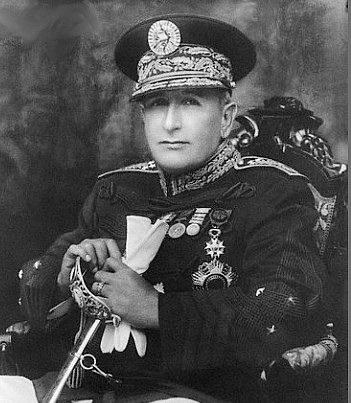
Guatemala became the epicenter of the second great social revolution in Latin America during the 20th century. The country’s trajectory toward revolution was shaped by the authoritarian rule of Jorge Ubico (1931–1944), whose policies prioritized elite interests and suppressed dissent. Ubico’s administration “abolished labor unions, persecuted workers, and embraced a rigidly patriarchal society,” fostering widespread discontent among students, workers, and the emerging middle class. His pro-U.S. stance, especially during World War II, further entrenched foreign influence in Guatemala’s economy and politics, leaving the nation vulnerable to external pressures.
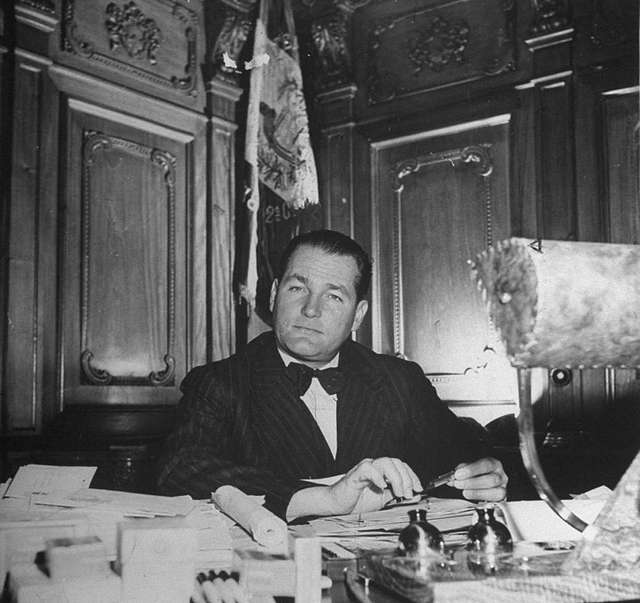
Ubico’s resignation on July 1, 1944, after mounting civilian and military pressure, marked the beginning of the Guatemalan Spring—a period of political experimentation and reform that aimed to address decades of inequality and authoritarianism. The adoption of a new constitution laid the foundation for transformative governance, and Juan José Arévalo (1945–1951) was elected president. Arévalo’s administration sought to advance political freedom, social justice, and economic opportunity under his framework of “spiritual socialism,” which combined progressive ideals with respect for Guatemala’s cultural and social context. Despite these aspirations, his reformist agenda provoked fierce opposition from conservative elites and military factions, resulting in over thirty coup attempts during his tenure.
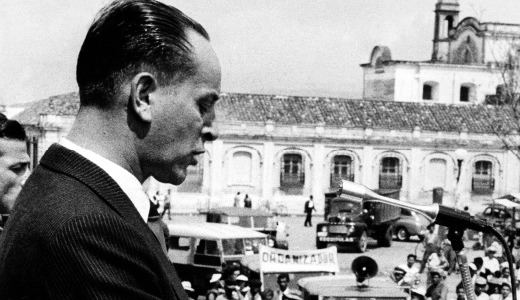
The momentum of the reform movement continued under Arévalo’s successor, Jacobo Árbenz, who became president in 1951. Árbenz intensified efforts to modernize Guatemala, enacting policies that expanded voting rights, legalized political parties, and supported union activity. His administration sought to reduce foreign influence and establish economic independence, a vision that directly challenged the entrenched power of the United States in the region. Árbenz’s decision to legalize the Communist Party of Guatemala (Partido Guatemalteco del Trabajo) during the height of the Cold War added to U.S. apprehension, casting Guatemala as a potential threat within the geopolitical framework of the time.
Land reform emerged as the centerpiece of Árbenz’s presidency, culminating in the enactment of Decree 900. This law sought to address the extreme concentration of land ownership, where 2% of the population controlled 72% of arable land, by expropriating unused landholdings larger than ninety hectares and compensating landowners with twenty-five-year government bonds. While this policy aimed to empower landless peasants and boost agricultural productivity, it directly targeted the interests of the United Fruit Company, a U.S. corporation with significant economic and political influence in Guatemala. The United Fruit Company lobbied heavily in Washington, portraying Árbenz’s reforms as communist threats to American interests.

In response, U.S. President Dwight D. Eisenhower authorized Operation PBSUCCESS in 1953, allocating $2.7 million to destabilize Árbenz’s government. The operation involved a comprehensive propaganda campaign, recruitment of Guatemalan military officials, and plans for the assassination or removal of leftist leaders. On June 16, 1954, a CIA-backed coup led by Colonel Carlos Castillo Armas succeeded in overthrowing Árbenz, marking the end of Guatemala’s short-lived experiment in progressive governance. The coup was facilitated by U.S. supplies and training, as well as the active support of right-wing military regimes in Nicaragua, Venezuela, and the Dominican Republic, which collaborated with the CIA and the U.S. State Department.
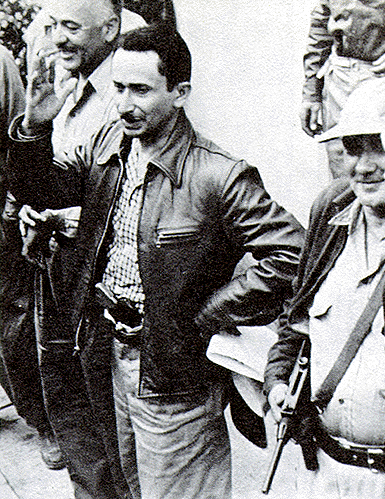
The overthrow of Árbenz’s democratically elected government ushered in a prolonged era of military dictatorships in Guatemala. Carlos Castillo Armas, the first of these leaders, was assassinated in 1957, deepening the country’s political instability. The aftermath of the coup also had broader implications for Latin America, as it reinforced a pattern of U.S. intervention in the region, often justified under the pretext of containing communism. The Guatemalan Spring, while ultimately dismantled, remains a poignant example of Latin America’s struggles to assert autonomy and pursue reform in the face of entrenched internal resistance and external pressures.
Populism: Perónism
The 20th century saw the emergence of populism as a significant and dynamic force in Latin American politics. This new form of leadership developed in two distinct phases, each characterized by its priorities and approach to governance. The first phase, often referred to as the reformist phase (circa 1920–1930s), was centered on issues such as “voting rights, elections, nationalism, and labor relations.” Leaders during this period sought to modernize political systems, expand democratic participation, and address growing demands for social and economic reform. This phase of populism was particularly focused on integrating marginalized groups into the political process and building a sense of national identity.
The second phase of populism emerged later and was defined by its emphasis on “issues of political economy” dominating national agendas. These movements aimed to reform society by addressing entrenched economic inequalities and breaking free from the patterns of economic dependency that had prevailed since the colonial period. Leaders of this phase adopted programs that were nationalistic in nature, pledging to reduce reliance on foreign capital and foster economic independence. Their policies shared several key objectives. For example, populist leaders used electoral campaigns to achieve power, advocating for improved voting systems and the expansion of suffrage and political participation. They often mobilized previously excluded groups, such as workers and rural populations, into the political process, fundamentally altering the social contract. They also believed that the material benefits of economic growth, particularly from exports, could not be equitably shared without enfranchising and empowering the masses. This conviction led to policies aimed at reducing income inequality and improving the livelihoods of ordinary citizens. Finally, beyond political and economic changes, populist leaders championed reforms in education and labor relations. They sought to enhance access to education for underprivileged communities, strengthen labor unions, and establish worker protections, often framing these efforts as essential components of national progress.
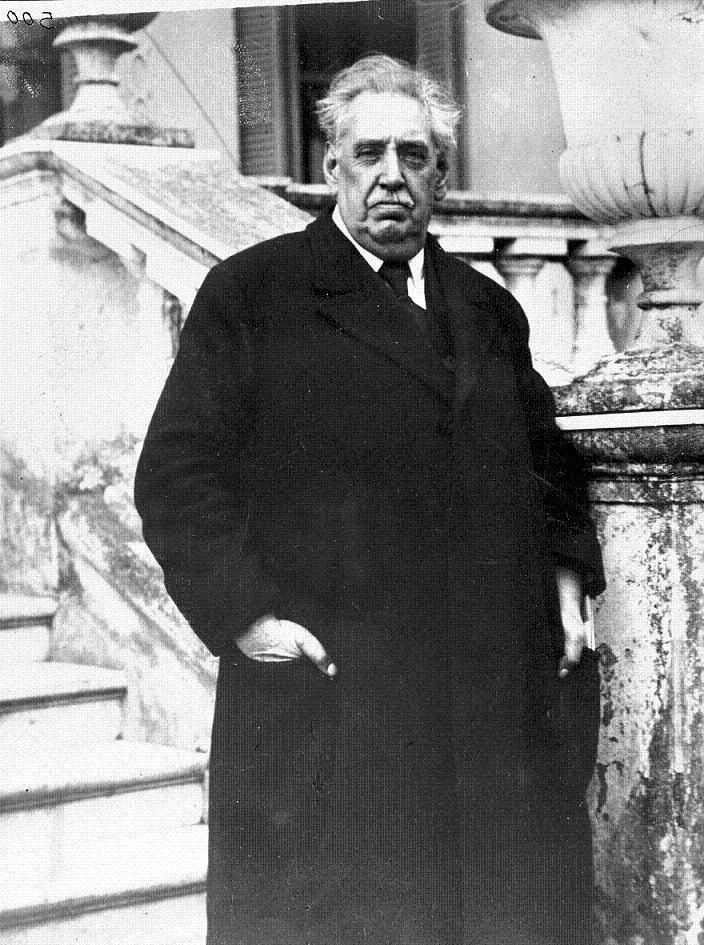
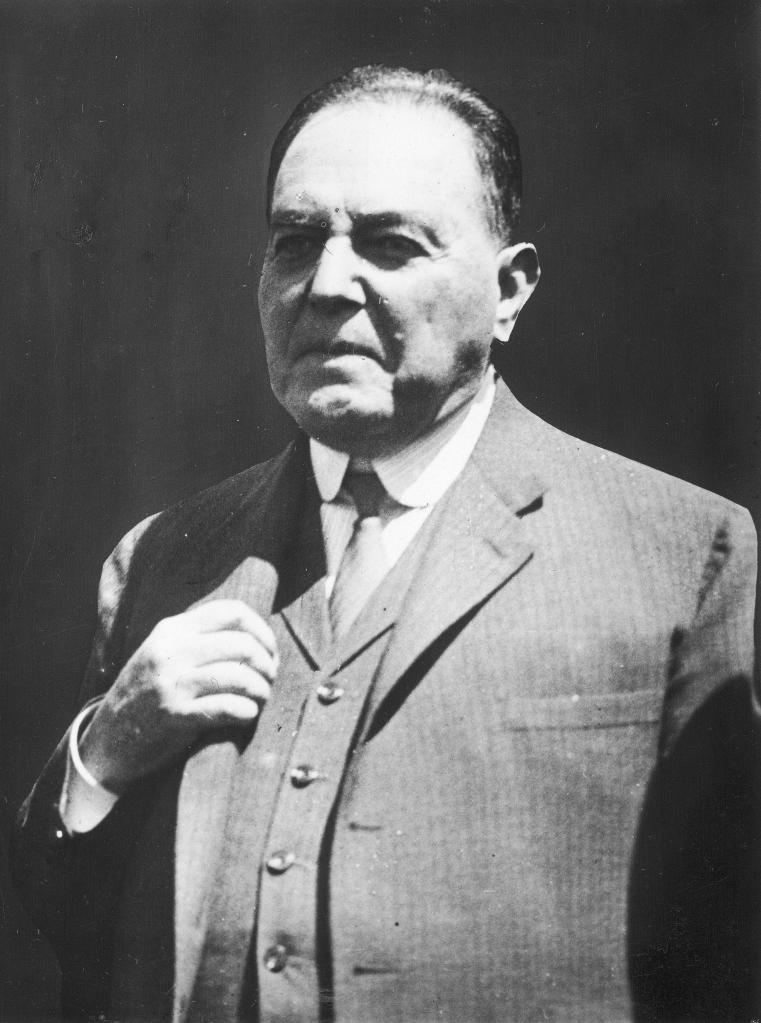
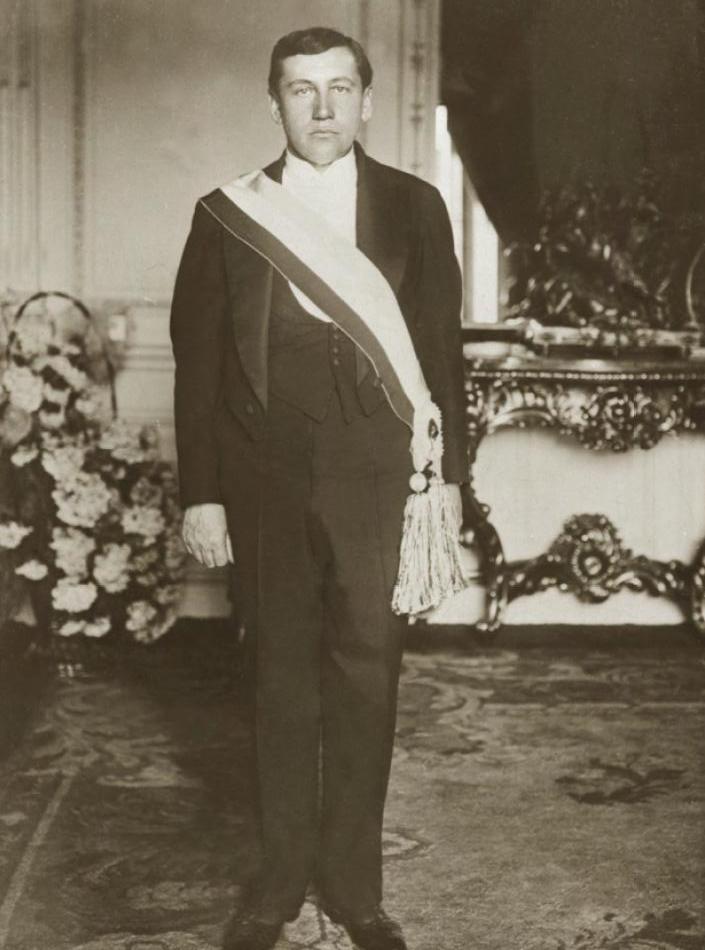
The most prominent leaders of early populist movements included José Batlle y Ordóñez of Uruguay, Hipólito Yrigoyen of Argentina, and Arturo Alessandri of Chile. These leaders implemented a range of reforms that resonated with their constituencies, such as strengthening labor rights, advancing social welfare programs, and advocating for greater national autonomy. They also used their leadership to cultivate a sense of unity and nationalism, appealing to a broad spectrum of society and bridging traditional divides.
Populism experienced a resurgence in the post-World War II era, fueled by sweeping demographic and technological changes. The end of the war brought about rapid urbanization, with massive migrations from rural to urban areas creating a new class of urban workers who demanded representation and reform. Advances in communication technologies, such as the radio and mass-circulation newspapers, allowed leaders to connect directly with the public in unprecedented ways. Improved transportation infrastructure also enabled populist leaders to mobilize support across geographically dispersed areas.
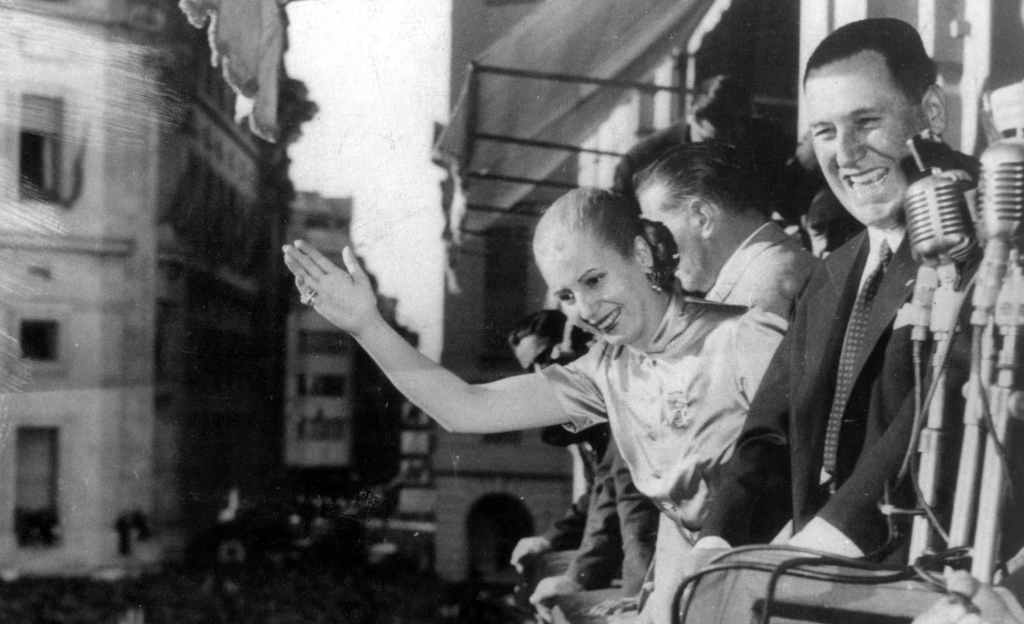
This post-war period produced quintessential populist leaders such as Juan Domingo Perón of Argentina and his wife, María Eva Duarte de Perón (Evita). The Peróns embodied the core ideals of populism, advocating for economic nationalism, labor rights, and social justice while cultivating a deep emotional connection with their supporters. Termed Perónism, this manifestation of populism was described it in the following way in a 1948 speech by Perón:
Perónism is humanism in action; Perónism is a new political doctrine, which rejects all the ills of the politics of previous times; in the social sphere it is a theory which establishes a little equality among men, which grants them similar opportunities and assures them of a future so that in this land there may be no one who lacks what he needs for a living, even though it may be necessary that those who are wildly squandering what they possess may be deprived of the right to do so, for the benefit of those who have nothing at all; in the economic sphere its aim is that every Argentine should pull his weight for the Argentines and that economic policy which maintained that this was a permanent and perfect school of capitalist exploitation should be replaced by a doctrine of social economy under which the distribution of our wealth, which we force the earth to yield up to us and which furthermore we are elaborating, may be shared out fairly among all those who have contributed by their efforts to amass it.
Perón’s administration implemented sweeping reforms, including wage increases, social welfare programs, and industrial policies designed to reduce Argentina’s dependence on foreign powers. Evita played a central role in this movement, championing the rights of women and workers and solidifying the Peróns’ status as icons of populism.

| Who was María Eva Duarte de Perón? María Eva Duarte Perón, famously known as “Evita,” was a transformative figure in Argentine history and a symbol of social justice and populist politics. Born on May 7, 1919, in Los Toldos, Argentina, she rose from humble origins to become First Lady of Argentina from 1946 until her untimely death in 1952. As the wife of President Juan Domingo Perón, Eva played a crucial role in his political movement, championing labor rights, women’s suffrage, and social welfare programs. Revered for her empathy toward the working class, often called the “descamisados” (shirtless ones), Evita founded the Eva Perón Foundation, which provided housing, healthcare, and scholarships to Argentina’s most vulnerable citizens. Her fervent public speeches and tireless commitment to social causes earned her the devotion of millions, though she remained a divisive figure, facing criticism from the elite and opposition groups. In 1947, Eva was instrumental in securing women’s suffrage in Argentina and advancing female political participation through the Peronist Women’s Party. Her life was tragically cut short by cancer at 33, but her legacy endures as a cultural icon, immortalized in biographies, films, and the Broadway musical Evita. Beloved and controversial, her impact continues to spark admiration and debate, underscoring her complex role in Argentine history. |
Populism, in both its phases, represented a response to the socio-economic and political challenges of its time. It sought to bridge the gap between elites and the masses, offering a vision of governance that prioritized inclusion, nationalism, and economic independence. While its legacies are complex and often contested, populism remains a defining feature of Latin America’s political history, reflecting the region’s ongoing struggles with inequality, dependency, and democratic participation.
Military Dictatorship: Chile
The Pinochet regime, led by General Augusto Pinochet, was a military dictatorship that ruled Chile from 1973 to 1990. It began with a violent coup on September 11, 1973, which overthrew the democratically elected socialist government of President Salvador Allende. Pinochet’s government immediately dissolved the constitution, suspended political parties, and established military control, justifying its actions as necessary to restore order and combat Marxist influences. The regime became notorious for its human rights abuses, including widespread torture, extrajudicial killings, forced disappearances, and the imprisonment of tens of thousands of political opponents. The systematic repression, documented by organizations such as Amnesty International, left deep scars on Chilean society and resulted in an estimated 3,000 deaths or disappearances.
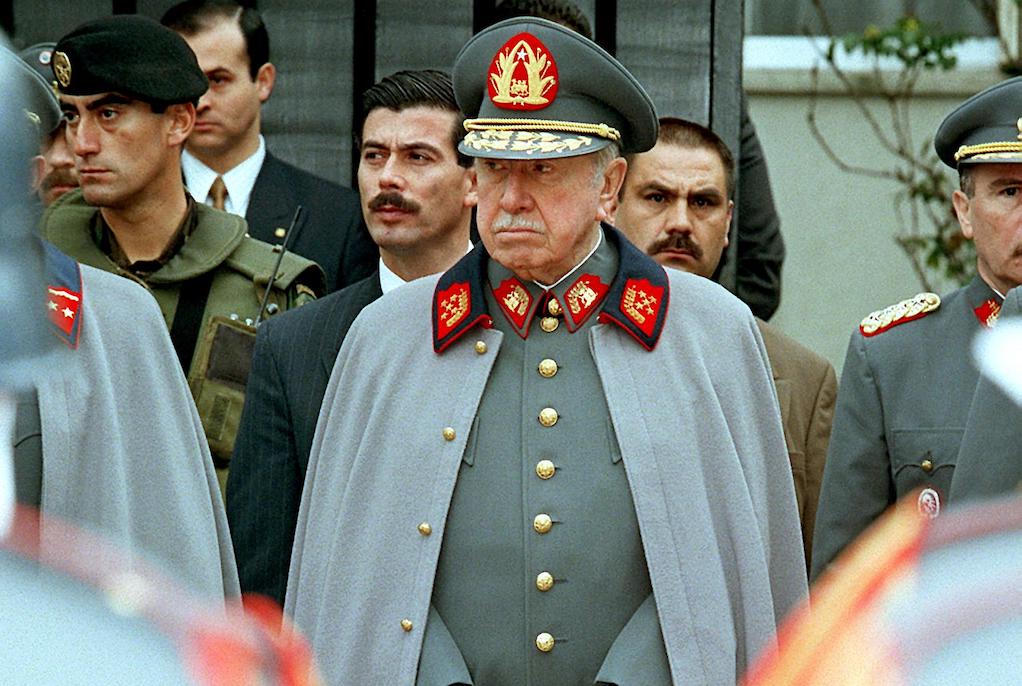
Economically, the Pinochet regime implemented radical neoliberal reforms, guided by the so-called “Chicago Boys,” a group of economists trained under Milton Friedman at the University of Chicago. These policies privatized state industries, slashed public spending, and deregulated markets, transforming Chile into a free-market economy. While these measures led to significant economic growth and modernization, they also exacerbated income inequality and unemployment, sparking widespread criticism. Internationally, Pinochet maintained strong ties with the United States during the Cold War, leveraging anti-communist alliances to secure support. Despite his authoritarian rule, pressure for democratization grew in the 1980s, culminating in a 1988 national plebiscite that rejected his continued leadership, ultimately leading to a peaceful transition to democracy in 1990. The Pinochet regime remains a polarizing chapter in Chilean history, emblematic of the tension between economic liberalization and authoritarianism.
Panama: Authoritarianism through the Military
Manuel Noriega, a Panamanian military officer and de facto ruler, served as the leader of Panama from 1983 to 1989. Rising through the ranks of the Panamanian National Guard, Noriega became head of military intelligence and wielded significant influence under General Omar Torrijos. Following Torrijos’s death in 1981, Noriega consolidated power, ultimately becoming the head of the Panamanian Defense Forces and the country’s de facto leader. His rule was characterized by authoritarianism, corruption, and repression, with Noriega using his control of the military to silence opposition and manipulate the political system. Simultaneously, he played a dual role on the global stage, serving as a key U.S. ally during the Cold War while engaging in drug trafficking and illicit dealings, earning him the nickname “Pineapple Face.”
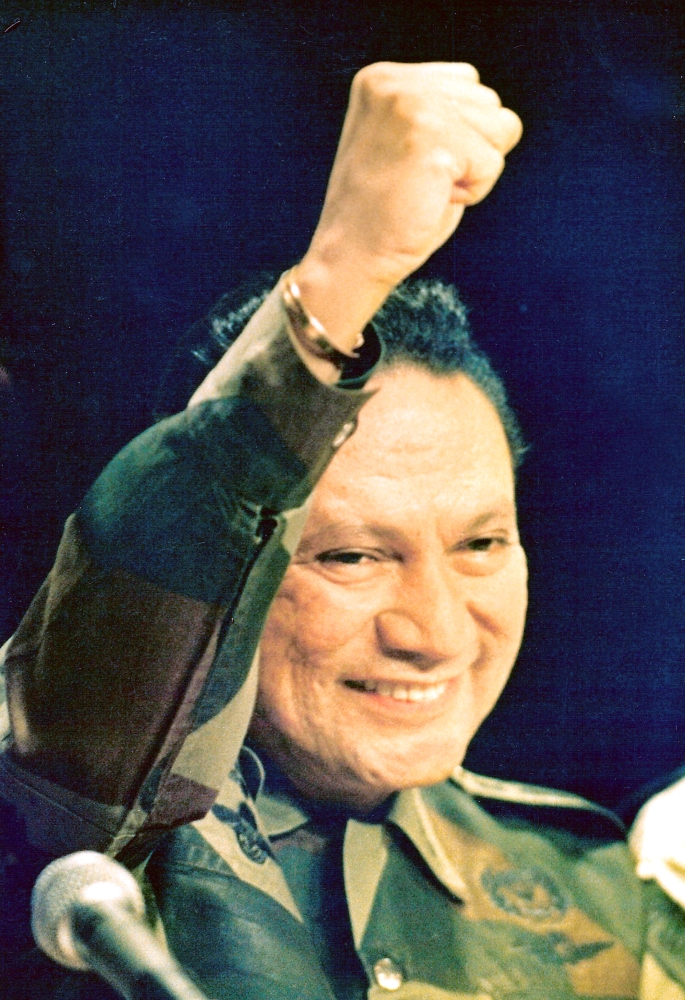
Noriega’s relationship with the United States deteriorated in the late 1980s, as evidence of his involvement in drug trafficking and money laundering surfaced. His support for Colombian cartels and increasingly erratic behavior led to his indictment in the United States. In 1989, tensions culminated in the U.S. invasion of Panama during Operation Just Cause, aimed at removing Noriega from power and restoring democratic governance. After a brief period of evasion, Noriega surrendered to U.S. forces and was extradited to the United States, where he was tried and convicted on charges of drug trafficking, racketeering, and money laundering. Noriega’s downfall marked the end of his authoritarian rule and highlighted the complexities of U.S.-Latin American relations during the Cold War. He spent the remainder of his life in prisons in the U.S., France, and Panama before his death in 2017.
Nicaragua: Revolution
The Nicaraguan Revolution (1960s–1990) was a pivotal conflict driven by opposition to the authoritarian rule of the Somoza dynasty, which had controlled the country since the 1930s. The revolution was spearheaded by the Sandinista National Liberation Front (FSLN), a Marxist-inspired guerrilla group named after Augusto César Sandino, a national hero who resisted U.S. occupation in the 1930s. In the 1970s, growing inequality, corruption, and repression under Anastasio Somoza Debayle fueled widespread discontent, culminating in the 1978 assassination of journalist Pedro Joaquín Chamorro.
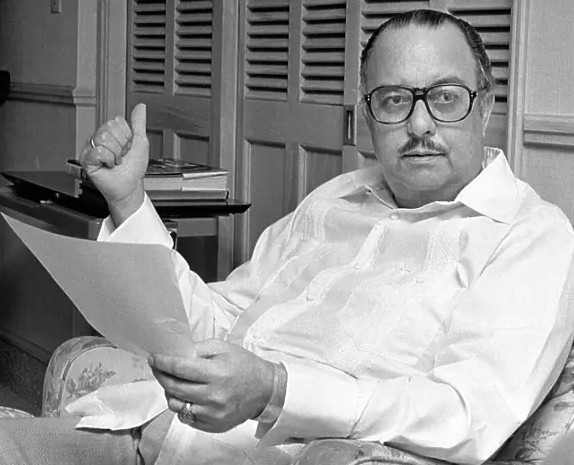
This event galvanized opposition across Nicaraguan society, including labor unions, students, and middle-class groups. By 1979, with support from a broad coalition of domestic and international actors, the Sandinistas overthrew Somoza, marking the end of the dynasty and the beginning of a revolutionary government. The Sandinista government implemented sweeping reforms aimed at reducing inequality, improving literacy, and addressing land redistribution. However, the revolution became a flashpoint in the Cold War. The U.S. viewed the Sandinistas’ Marxist affiliations as a threat and supported the Contras, a counter-revolutionary force engaged in a bloody civil war against the government. This conflict devastated Nicaragua’s economy and infrastructure, while human rights abuses were reported on both sides.
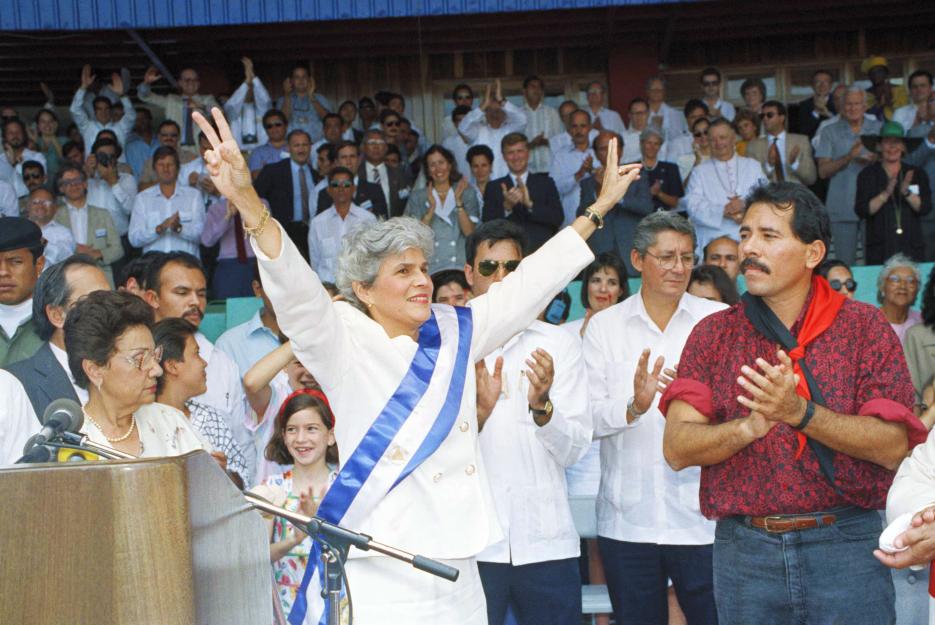
The war continued into the 1980s, despite international condemnation of U.S. interference, which included the infamous Iran-Contra affair. By 1990, exhausted by war and economic hardship, Nicaraguans elected a new government led by Violeta Chamorro, marking the end of the revolutionary period. The Nicaraguan Revolution remains a defining moment in the country’s history, symbolizing both the struggle for social justice and the heavy toll of geopolitical conflict.
IN CLOSING
The 20th century in Latin America was marked by profound transformations and tumultuous events that shaped the region’s political, economic, and cultural landscape. It was a period of dynamic change characterized by struggles for political stability, economic modernization, social reform, and independence from foreign influence. Politically, Latin America experienced cycles of authoritarianism, populism, and democratization. Economically, the region began the 20th century dependent on primary commodity exports like coffee, sugar, and oil, leaving it vulnerable to global market fluctuations. Efforts to industrialize and diversify economies emerged through policies like import substitution industrialization (ISI) in mid-century. Significant social reforms were driven by demands for equity and justice. Agrarian reform remained a recurring theme, as vast disparities in land ownership fueled rural unrest. The 20th century also witnessed a flourishing of cultural and intellectual expression. Literary figures like Gabriel García Márquez, Mario Vargas Llosa, and Octavio Paz gained international acclaim for works that captured the region’s diverse experiences and struggles. Innovative art movements, such as muralism in Mexico, used public spaces to address social and political themes, making art a powerful vehicle for activism and reflection. Latin America’s international position was shaped by its relationship with the United States, Europe, and emerging global powers. U.S. interventionism, epitomized by policies like the Monroe Doctrine and the Good Neighbor Policy, heavily influenced the region’s political and economic trajectories. By the late 20th century, many Latin American countries transitioned from military dictatorships to democratic governance. While progress varied, this shift often included efforts to address human rights violations committed during periods of repression. By century’s end, Latin America had forged a path marked by resilience, creativity, and a determination to confront its challenges, leaving a legacy of both struggle and transformation.
 World History Portal