LEARNING OBJECTIVES
- Explain the foundations of Judaism and the contributions of the ancient Hebrews.
- Explain the role that human failure and covenant have in Judaism and identify some of the basic teaching of early Judaism.
- Explain how Christianity evolved from being a Jewish sect to becoming an independent religion.
View Timeline: Judaism
The Tanakh
Judaism, encompassing the beliefs, identity, and practices of the Jewish people, is a monotheistic religion centered on the worship of one G-d. Worship is expressed through words—prayers, sermons, and the reading of scripture—conducted in synagogues under the guidance of rabbis (teachers). At the heart of Judaism are four key beliefs that have profoundly shaped its practices, values, and worldview.
- Monotheism: The foundational belief of Judaism is that YHWH (often pronounced Yahweh) is the one and only G-d, the creator of all existence.
- Obedience to G-d’s Law: Humanity is called to obey G-d’s law, which is expressed in both the written Torah and the oral traditions. These laws guide Jewish life and practice.
- The Covenants: Judaism emphasizes a series of covenants made between G-d and the Jewish people, designating them as the chosen lineage. Among the most significant covenants are:
- With Abraham: The promise of a nation.
- With Moses: The giving of the Law.
- With David: The establishment of a kingdom.
- The King-Messiah: Judaism holds the belief in a coming King-Messiah who will deliver the Jewish people from foreign domination and restore peace and justice.
Christine Elizabeth Hayes, Introduction to the Bible: Defining Hebrew, Israelite, and Judean/Jew
“Hebrew is the name employed in some biblical sources to designate the most ancient ancestors of the Israelite people. It is primarily an ethnic and linguistic term denoting persons who spoke Hebrew, a Canaanite dialect. The Hebrews are thought to have established themselves in the land of Canaan (roughly modern-day Israel) by about 1200 B.C.E. The terms Israel and Israelite refer to a member of the twelve Hebrew tribes of the Israelite ethnos who inhabited Canaan, eventually forming themselves into a united kingdom around 1000 B.C.E. The kingdom of Israel later split into a northern kingdom, Israel, and a southern kingdom, Judah. Although any member of the twelve tribes was a member of the Israelite ethnos, inhabitants of the northern kingdom were Israelites also by virtue of being from the kingdom of Israel, while inhabitants of the southern kingdom were (additionally) known as Judeans by virtue of being from the kingdom of Judah. However, with the destruction of the northern kingdom in 722, the only Israelites remaining were the Judeans, and thus the terms Israelite and Judean become somewhat interchangeable (except in contexts that refer clearly to the former inhabitants of the destroyed kingdom of Israel). Falling under Persian rule at the end of the sixth century, the area around Jerusalem was named Yehud and the term Yehudi (often translated “Jew” but more properly “Ju-dean”) referred to an inhabitant of Yehud/Judea. It would be some centuries before the term Yehudi was understood to designate an adherent of the tradition of Judaism (a Jew), rather than an inhabitant of the province of Yehud/Judea (a Judean).”
Judaism evolved from two key sources: the history of the ancient Hebrews and the writings of the Tanakh (known in Greek as the Septuagint). The Tanakh is not a single book but an anthology of sacred texts, “written and compiled over a period of a thousand years, from approximately 1100 to 100 BCE.” It consists of twenty-four books and takes its name from the Hebrew acronym for its three sections: Torah (Law), Nevi’im (Prophets), and Ketuvim (Writings). Of these, the Torah—the first five books, also known as the Pentateuch—is considered the most important, as it lays the foundation for Jewish law, ethics, and belief.
- Composition of the Torah (law)
- Genesis: This text lays the foundation for the origins of the people of Israel, starting with the creation of the world and following the lives of the patriarchs (Abraham, Isaac, Jacob) and matriarchs (Sarah, Rebecca, Leah, Rachel). The story ends with Joseph’s death in Egypt.
- Exodus: This text recounts the Israelites’ enslavement in Egypt and their subsequent liberation led by Moses. It details the covenant established at Mount Sinai, the revelation of God’s commandments, and the construction of the Tabernacle for organized worship. It also narrates Israel’s first descent into idolatry with the episode of the Golden Calf.
- Leviticus: This text centers on laws for preserving ritual purity, performing sacrifices correctly, and building a sacred community. It presents dietary regulations and details the observance of annual festivals.
- Numbers: This text documents a census of the Israelites in the desert as they ready themselves to journey toward the Promised Land. It narrates significant events along their travels and includes further laws and regulations.
- Deuteronomy: This text contains Moses’ farewell speech, where he reflects on his leadership, reiterates God’s commandments, and cautions against the repercussions of disobedience. It concludes with Moses’ death on the border of the Promised Land.
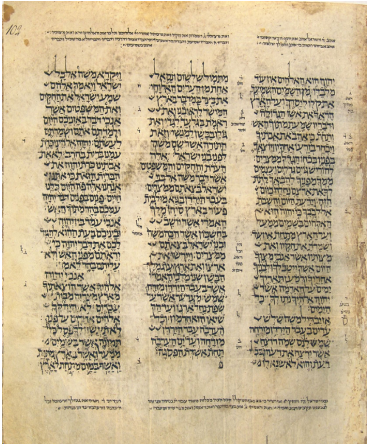
- Examples of oldest surviving manuscripts
- University of Bologna Torah Scroll (c. 1155-1225 CE)
- Leningrad Codex (c. 1009 C.E.)
- Damascus Pentateuch (1000 C.E. – missing sections of Genesis and Exodus)
- Aleppo Codex (c. 930 C.E complete prior to 1947.)
- Dead Sea Scrolls (2nd B.C.E.-2nd C.E. missing Book of Esther)
The early texts of the Tanakh have undergone centuries of theological interpretation and analysis. These texts are largely etiological, meaning they aim to explain how or why certain aspects of the world or human experience came to be, rather than being strictly prescriptive or normative. They recount G-d’s creation of the world and humanity, detail the early history of the Hebrew people, establish the covenant between G-d and the Jewish people, and offer foundational guidelines for ethical and ritual behavior.
The Historical Narrative of the Tanakh
The Tanakh begins with the creation of the world by G-d, who brings the cosmos into existence through speech—“simply by commanding step by step that the cosmic order come into being.” Among the living beings G-d creates are humans, represented by Adam and Eve. Initially, Adam and Eve lived under G-d’s protection in a state of harmony and innocence. However, they transgressed by eating the fruit of the “tree of knowing good and evil,” an act that led to their expulsion from the Garden of Eden. Their actions casted them into a world of toil, mortality, and human suffering. As one historian has observed, “the very act of learning the difference between good and evil brought suffering into the world.”
Genesis 1:1–2:3: Creation
God said, “Let the earth bring forth every kind of living creature: cattle, creeping things, and wild beasts of every kind.” And it was so. God made wild beasts of every kind and cattle of every kind, and all kinds of creeping things of the earth. And God saw that this was good. And God said, “Let us make man in our image, after our likeness. They shall rule the fish of the sea, the birds of the sky, the cattle, the whole earth, and all the creeping things that creep on earth.” And God created man in His image, in the image of God He created him; male and female He created them. God blessed them and God said to them, “Be fertile and increase, fill the earth and master it; and rule the fish of the sea, the birds of the sky, and all the living things that creep on earth.” God said, “See, I give you every seed-bearing plant that is upon all the earth, and every tree that has seed-bearing fruit; they shall be yours for food. And to all the animals on land, to all the birds of the sky, and to everything that creeps on earth, in which there is the breath of life, [I give] all the green plants for food.” And it was so. And God saw all that He had made, and found it very good. And there was evening and there was morning, the sixth day. The heaven and the earth were finished, and all their array. On the seventh day God finished the work that he had been doing, and He ceased on the seventh day from all the work that He had done. And God blessed the seventh day and declared it holy, because on it God ceased from all the work of creation that He had done. Such is the story of heaven and earth when they were created.
The early texts of the Tanakh emphasize recurring human failures, or “depictions of human beings’ inability to live as they should.” This theme is not only illustrated through the transgression of Adam and Eve but also through the actions of their children, Cain and Abel. Cain, the first human born, became the first to commit murder when he killed his brother, violating the “G-d-endowed sanctity of human life.” For many historians, this act of violence also reflects deeper symbolic tensions between sedentary and nomadic lifeways: Cain was a farmer, while Abel was a shepherd.
The cycle of human shortcomings continues with increasing wickedness, leading to the first covenant recorded in the Tanakh: the covenant between G-d and Noah. In response to humanity’s corruption, G-d unleashed a flood to cleanse the earth, sparing only Noah, his family, and a remnant of living creatures. Through this covenant, G-d promised never to destroy the earth by flood again, establishing a pivotal moment in the relationship between G-d and humanity.
Genesis 17:1–22: First Covenant
God blessed Noah and his sons, and said to them, “Be fertile and increase, and fill the earth. The fear and the dread of you shall be upon all the beasts of the earth and upon all the birds of the sky—everything with which the earth is astir—and upon all the fish of the sea; they are given into your hand. Every creature that lives shall be yours to eat; as with the green grasses, I give you all these. You must not, however, eat flesh with its life-blood in it. But for your own life-blood I will require a reckoning: I will require it of every beast; of man, too, will I require a reckoning for human life, of every man for that of his fellow man!
Whoever sheds the blood of man,
By man shall his blood be shed;
For in His image
Did God make man.
Be fertile, then, and increase; abound on the earth and increase on it.”
And God said to Noah and to his sons with him, “I now establish My covenant with you and your offspring to come, and with every living thing that is with you—birds, cattle, and every wild beast as well—all that have come out of the ark, every living thing on earth. I will maintain My covenant with you: never again shall all flesh be cut off by the waters of a flood, and never again shall there be a flood to destroy the earth.”
Finally, there is the story of the Tower of Babel, a pivotal moment of defiance against G-d’s will. Humanity, united by a single language, sought to build a tower reaching the heavens, an act symbolizing human pride and ambition. In response, G-d disrupted their efforts by confounding their language, causing them to speak in different tongues. This act scattered humanity across the earth and marked the origin of linguistic and cultural diversity, as well as a reminder of the limits of human ambition when it opposes divine will.
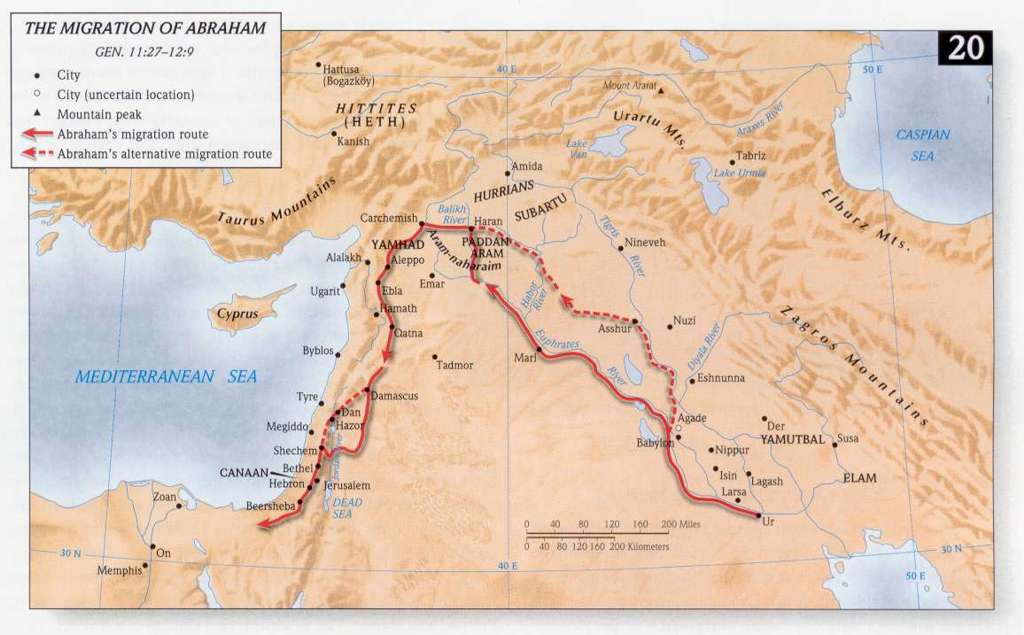
The second covenant recorded in the Tanakh is between G-d and Abram (later renamed Abraham). While the text does not explicitly state why Abram was chosen, it suggests that, like Noah, he was a righteous man who found favor with G-d. Abram, who came from the city-state of Ur of the Chaldees in Mesopotamia, was instructed by G-d to leave his homeland and migrate to the land of Canaan. There, he was promised that his descendants would inherit the land and become a great nation. This covenant marked the beginning of a unique and enduring relationship between G-d and the people of Israel, rooted in faith, obedience, and divine promise.
Genesis 17:1–22: Second Covenant
When Abram was ninety-nine years old, the Lord appeared to Abram and said to him, “I am El Shaddai [God heeds]. Walk in My ways and be blameless. I will establish My covenant between Me and you, and I will make you exceedingly numerous.” Abram threw himself on his face; and God spoke to him further, “As for Me, this is My covenant with you: You shall be the father of a multitude of nations. And you shall no longer be called Abram, but your name shall be Abraham, for I make you the father of a multitude of nations. I will make you exceedingly fertile, and make nations of you; and kings shall come forth from you. I will maintain My covenant between Me and you, and your offspring to come, as an everlasting covenant throughout the ages, to be God to you and to your offspring to come. I assign the land you sojourn in to you and your offspring to come, all the land of Canaan, as an everlasting holding. I will be their God.”
God further said to Abraham, “As for you, you and your offspring to come throughout the ages shall keep My covenant. Such shall be the covenant between Me and you and your offspring to follow which you shall keep: every male among you shall be circumcised. You shall circumcise the flesh of your foreskin, and that shall be the sign of the covenant between Me and you. And throughout the generations, every male among you shall be circumcised at the age of eight days. As for the homeborn slave and the one bought from an outsider who is not of your offspring, they must be circumcised, homeborn and purchased alike. Thus shall My covenant be marked in your flesh as an everlasting pact. And if any male who is uncircumcised fails to circumcise the flesh of his foreskin, that person shall be cut off from his kin; he has broken My covenant.” And God said to Abraham,
After settling in Canaan, Abram received G-d’s covenant, which promised that his descendants would inherit the land and become a great nation. As a sign of this covenant, G-d instituted the ancient rite of circumcision, to be performed on every baby boy within the first week of life. G-d also gave Abram a new name, Abraham, symbolizing the elevated role Abraham would play in the divine plan.
Isaac, the sone and heir of Abraham, would later father Jacob, whose name was changed to Israel. In the next generation, Jacob’s (Israel) four wives bore him twelve sons and one daughter. These twelve sons became the patriarchs of the twelve tribes of Israel, forming the foundation of the Israelite nation as foretold in G-d’s covenant with Abraham.
A famine eventually forced Jacob and his family to leave the land of Canaan and seek refuge in Egypt. During their time in Egypt, Jacob’s descendants were reduced to slavery, enduring years of hardship and suffering. In response to their plight, G-d sent Moses to lead them out of bondage. Through Moses, the descendants of Jacob became the free people of Israel, a nation composed of twelve tribes named after Jacob’s twelve sons.
After their liberation, Moses guided the Israelites into the Sinai desert, where they experienced a profound encounter with the divine. There, G-d’s voice spoke directly to them, delivering the laws by which they were to live. These laws formed the basis of the third covenant, through which Israel was established as G-d’s chosen nation, bound by divine law and united under His protection.
Exodus 19, 20:1–17: Third Covenant
On the third new moon after the Israelites had gone forth from the land of Egypt, on that very day, they entered the wilderness of Sinai. Having journeyed from Rephidim, they entered the wilderness of Sinai and encamped in the wilderness. Israel encamped there in front of the mountain, and Moses went up to God. The Lord called to him from the mountain, saying, “Thus shall you say to the house of Jacob and declare to the children of Israel: ‘You have seen what I did to the Egyptians, how I bore you on eagles’ wings and brought you to Me. Now then, if you will obey Me faithfully and keep My covenant, you shall be My treasured possession among all the peoples. Indeed, all the earth is Mine, but you shall be to Me a kingdom of priests and a holy nation.’ These are the words that you shall speak to the children of Israel.”
God spoke all these words, saying:
“I the Lord am your God who brought you out of the land of Egypt, the house of bondage: You shall have no other gods besides Me.
“You shall not make for yourself a sculpted image, or any likeness of what is in the heavens above, or on the earth below, or in the waters under the earth. You shall not bow down to them or serve them for I the Lord your God am an impassioned God, visiting the guilt of the parents upon the children, upon the third and upon the fourth generations of those who reject Me, but showing kindness to the thousandth generation of those who love Me and keep My commandments.
“You shall not swear falsely by the name of the Lord your God; for the Lord will not clear one who swears falsely by His name.
“Remember the sabbath day and keep it holy. Six days you shall labor and do all your work, but the seventh day is a sabbath of the Lord your God: you shall not do any work—you, your son or daughter, your male or female slave, or your cattle, or the stranger who is within your settlements. For in six days the Lord made heaven and earth and sea, and all that is in them, and He rested on the seventh day; therefore the Lord blessed the sabbath day and hallowed it.
“Honor your father and your mother, that you may long endure on the land that the Lord your God has assigned to you.
“You shall not murder.
“You shall not commit adultery.
“You shall not steal. “You shall not bear false witness against your neighbor.
“You shall not covet your neighbor’s house; you shall not covet your neighbor’s wife, or his male or female slave, or his ox or his ass, or anything that is your neighbor’s.”
Over time, the twelve tribes of Israel were unified into a single kingdom. However, the stability of this kingdom was disrupted when ten of the tribes rebelled against the royal family, resulting in the division of Israel into two kingdoms. The northern kingdom retained the name Israel, while the southern kingdom, Judah, remained loyal to the royal family.
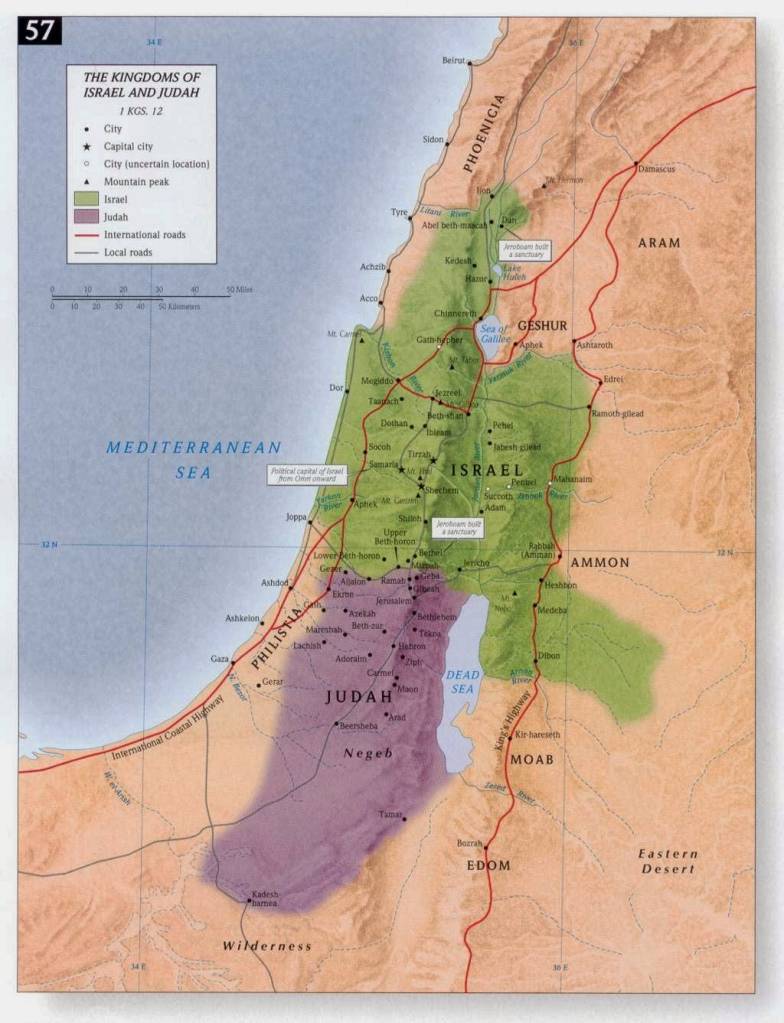
The kingdom of Israel was eventually destroyed by the Assyrian Empire in 722 B.C.E., leading to the displacement of its people. Judah, ruled by the descendants of David, faced a similar fate when it was conquered by the Babylonian Empire in 587 B.C.E. During this conquest, the Temple built by Solomon in Jerusalem was destroyed, and Judah’s leadership was exiled to Babylon, marking the beginning of the Jewish Diaspora.
It was during this period of exile that historians believe the Torah gained prominence as the central guide for Jewish religious beliefs and practices. In time, a group of exiles returned to the land of Israel and worked to rebuild a holy community centered on devotion to G-d’s word and the teachings of Moses. For many, this return marked the end of the Diaspora, though others remained scattered throughout the ancient world, continuing the broader dispersion of the Jewish people.
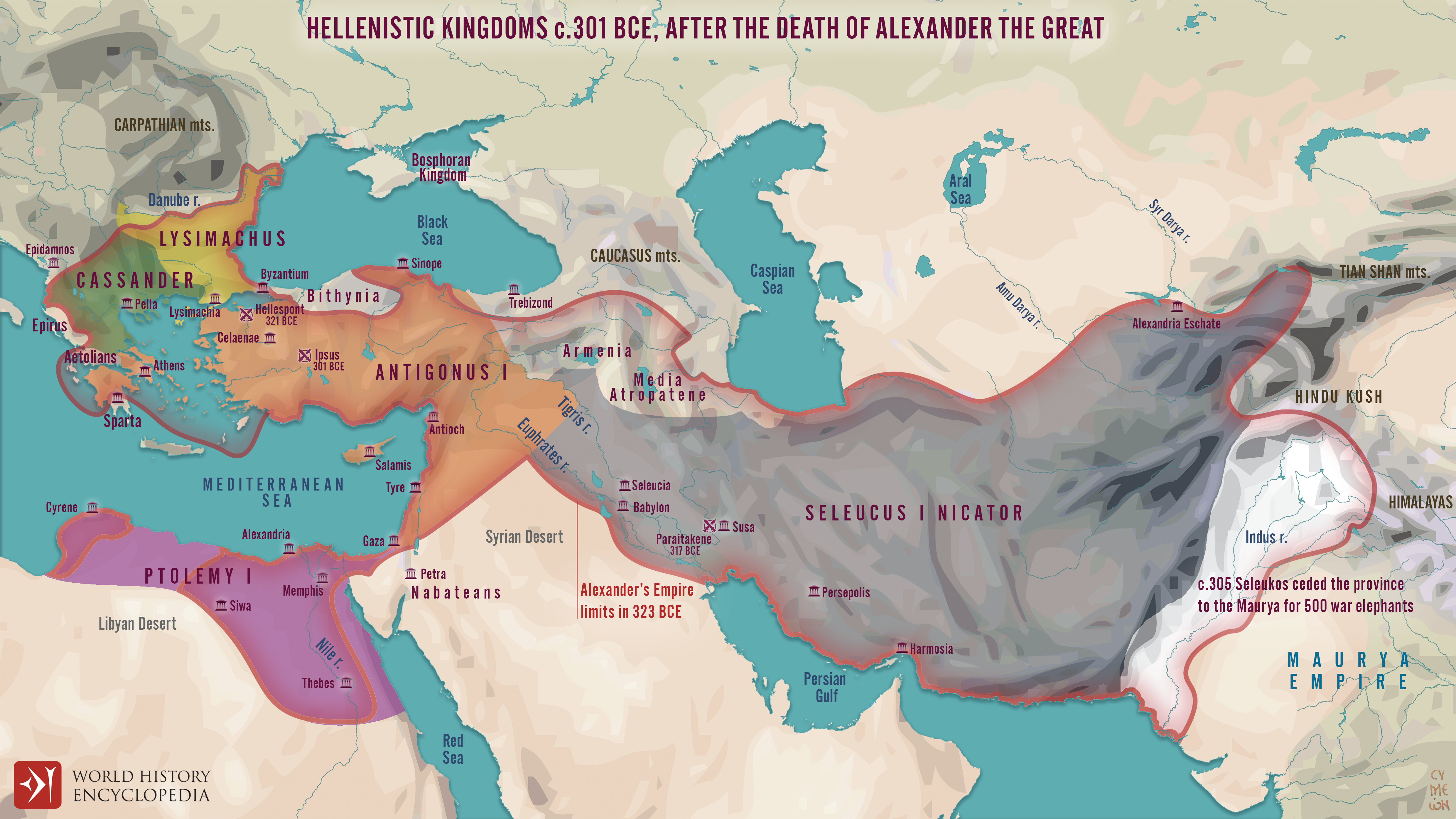
The arrival of Alexander the Great in the region and the subsequent rise of the Seleucid Empire after his death brought Judea into conflict with this Hellenistic kingdom. The Seleucid rulers sought to impose Hellenistic culture and practices, creating tension with the Jewish population, which resisted these influences. This conflict eventually escalated into open rebellion, most notably during the Maccabean Revolt.
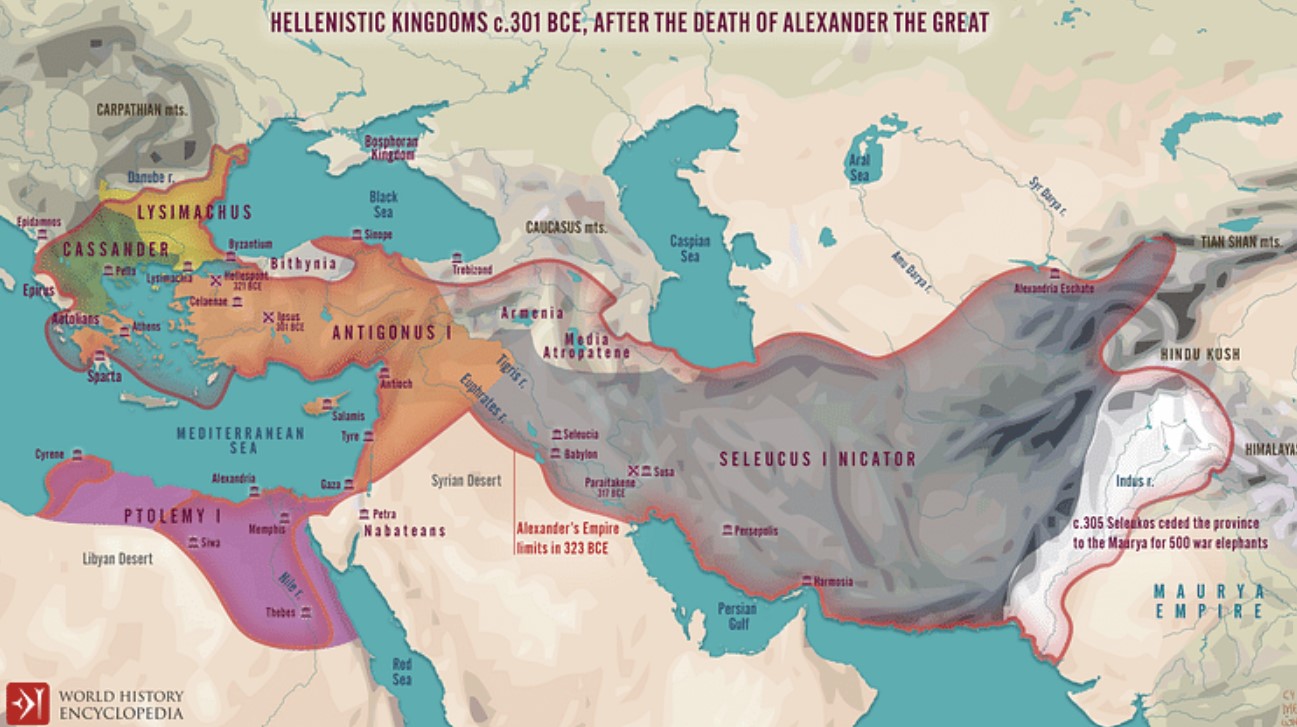
A new era of conflict emerged with the rise of the Roman Empire, which supplanted the Seleucid Kingdom as the dominant power in the region. Under Roman rule, Judea became a province, and tensions persisted as the Jewish population struggled to maintain their religious and cultural identity under foreign governance.
The narrative just given “establishes certain conceptions that remained central to the emerging Jewish religion.” For example,
- The narrative identifies “the G-d of the Jews as the creator and sole ruler of the universe.”
- The narrative “asserts Israel’s claim to a special relationship with this God and explains how this relationship came to be.”
- The narrative “depicts the Jewish way of life and the Jewish national homeland as gifts from G-d and gateways to holiness for those who abide by G-d’s demands and teachings.”
- The narrative “contains a stark warning that those who depart from those teachings or who resist those demands unavoidably bring down disaster for themselves and those around them. ”
Scholars will likely never be able to trace the precise development of monotheism with complete accuracy. However, the impact of monotheism, the ancient Hebrews, and the Tanakh is undeniable, particularly in the rise of Judaism. This foundational belief system would go on to shape two other major monotheistic religions: Christianity and Islam. Together, these three faiths—sharing a common spiritual ancestry rooted in the figure of Abraham—are collectively referred to as the Abrahamic religions. The shared heritage of these traditions highlights their interconnected histories, while their distinct interpretations of faith have profoundly shaped the religious and cultural landscapes of the world.
Do Not think I Have Come to Abolish the Law
Christianity, like Judaism, traces its spiritual lineage back to Moses, Abraham, and ultimately Adam and Eve. The canon of the New Testament contains the foundational Christian scriptures, but it is important to note that numerous non-canonical Christian writings also exist. This diversity is partly due to the theological conflicts and varying interpretations of Christian beliefs that arose among early Christian communities. It was not until around 367 C.E. that the Christian Bible, as it appears today, is first mentioned in historical sources. This reference, found in a letter by Athanasius, the Bishop of Alexandria, reflects the gradual process of canon formation as the early Church sought to define orthodoxy and unify the faith amidst its diversity.
- Oldest Christian Bibles
- Codex Vaticanus (c. 300-305 C.E.)
- Codex Sinaiticus (330-360 C.E.)
- Codex Alexandrinus (400-440 C.E.)
The dominant theme in Jesus’s teachings is the kingdom of God. Central to his message was the idea of an imminent apocalypse—a catastrophic end of the world—followed by God’s judgment, where individuals would be rewarded or punished based on their actions. Jesus’s preaching was not concerned with politics, such as subservience to Rome, nor with theology or doctrinal debate. Instead, his focus was on morality and ethical living. Unlike theologians who discussed doctrine or rabbis who interpreted the law, Jesus communicated through simple, relatable stories and parables, using metaphorical and figurative language to illustrate how people should live and treat one another.
What made Jesus unique was his emphasis on the kingdom of God as the foundation for ethical behavior. He taught that moral acts—repentance, love, charity, and nonviolence—are God’s requirements for acceptance into the kingdom. In this way, he reframed traditional religious teachings, prioritizing a life of moral action over ritual or legal adherence.
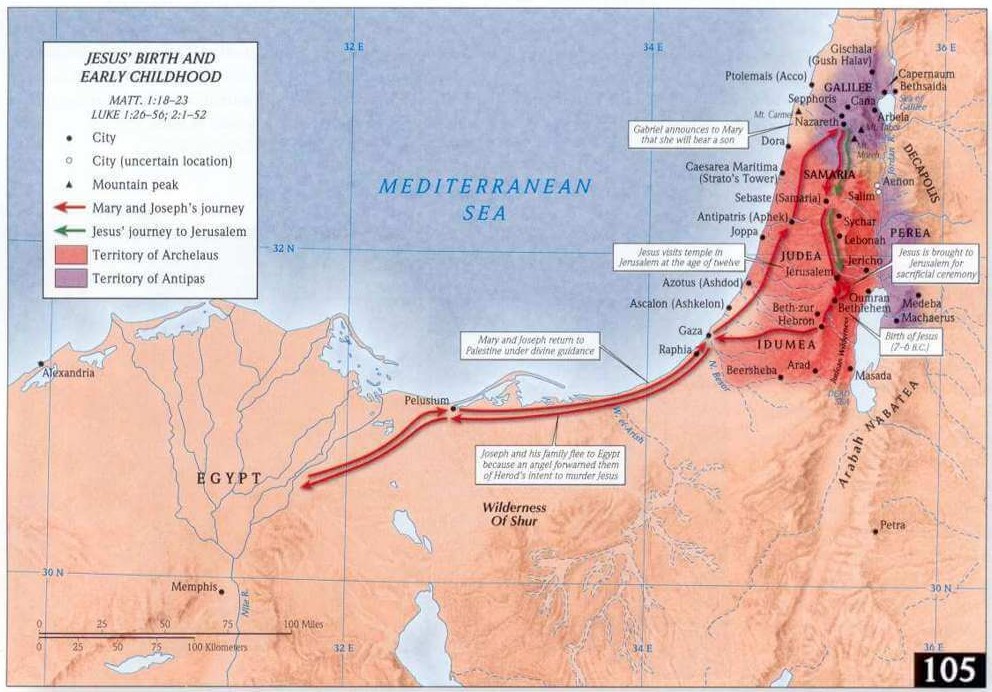
In the early history of Christianity, there was no clear dividing line between Judaism and the emerging Christian movement. Jesus of Nazareth and his followers viewed themselves as part of Judaism, adhering to its religious discipline and traditions. This is evident in Matthew 5:17, where Jesus is recorded as saying, “Do not think I have come to abolish the Law or the Prophets; I have come not to abolish but to fulfill.” Initially, the followers of Jesus were seen as a sect within Judaism rather than as adherents of a separate religion.
So why did Judaism and Christianity eventually diverge? From the Jewish perspective, the split occurred when Jesus, followed by Paul, introduced a new interpretation of Judaism, one that abandoned certain commandments and borrowed core elements of Jewish tradition while adding what many Jews considered foreign or incorrect ideas. Central to this divergence was the Christian claim that Jesus was the Messiah—and even the incarnation of God—a concept that contradicted Jewish teachings about the nature of the Messiah and the oneness of God. Over time, these theological differences, combined with the Christian movement’s outreach to non-Jews (Gentiles), led to Christianity emerging as a distinct monotheistic religion.
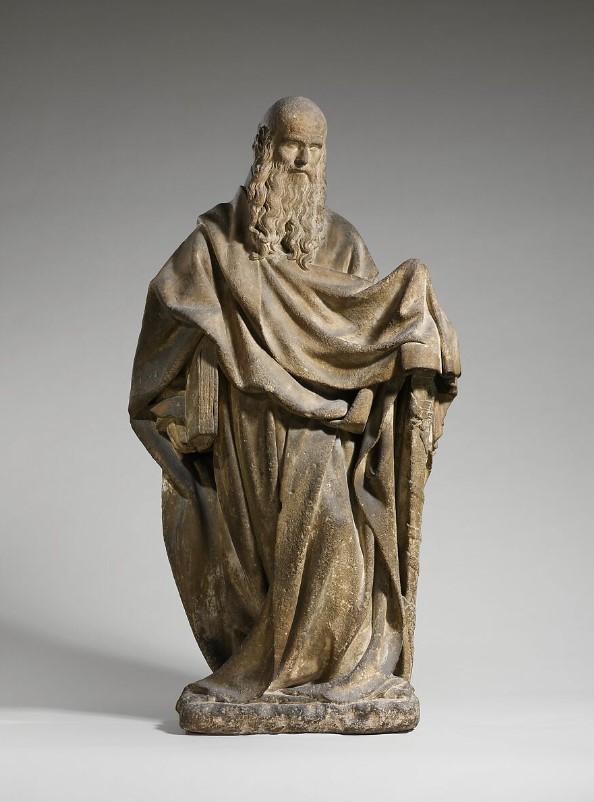
From the Christian perspective, Jesus “perfected” Judaism, bringing it to its intended fulfillment. However, Christians believed that the majority of Jews failed to recognize this transformation and continued to follow what Christians viewed as an obsolete form of the religion. As a result, Christianity was initially seen as a heretical sect within Judaism.
Norman Solomon on the Centrality of Jesus of Nazareth
Because Jesus Christ was so central for them, Christians expended much energy in defining belief. The concept of the Trinity was constantly debated, and those who disagreed with the prevailing view were often vilified as heretics and persecuted. Since Jews rejected Christian claims for Jesus, they came in for special obloquy as ‘enemies of Christ’. Judaism was castigated as an obsolete and discredited religion. The Fathers of the Christian Church, for all their preaching of love, openly expressed a hatred of Jews and Judaism which added a cosmic dimension to the anti-Semitism occasionally found in pagan classical authors; the Jews had ‘killed Christ’.
Sects within Judaism were not uncommon during this period. The Jewish historian Flavius Josephus (c. 37–100 C.E.), in his work The Antiquities of the Jews, identifies four dominant sects: the Pharisees, the Sadducees, the Essenes, and the Zealots. These groups differed significantly in their interpretations of Jewish law, their responses to foreign rule, and their expectations of the Messiah, reflecting the diversity of Jewish thought in the Second Temple period.
- The Pharisees – They lived “modestly, he says, in accordance with reason. They respect the elderly, and believe in divine providence, freedom of the will, and personal immortality; they are held in esteem by the people, who are guided by them in prayer and sacrifice.”
- The Sadducees – They “deny life after death, following only the explicit provisions of scripture.”
- The Essenes – They “ascribe all things to God, and teach the immortality of the soul. They are distinguished by their virtuous mode of life, restrained by excessive purity from sacrificing in the Temple, and share their property in common; they neither marry, nor keep servants.”
- The Zealots – They “agree in most things with the Pharisees but exceed them in their readiness to die for freedom from all rule save that of God.”
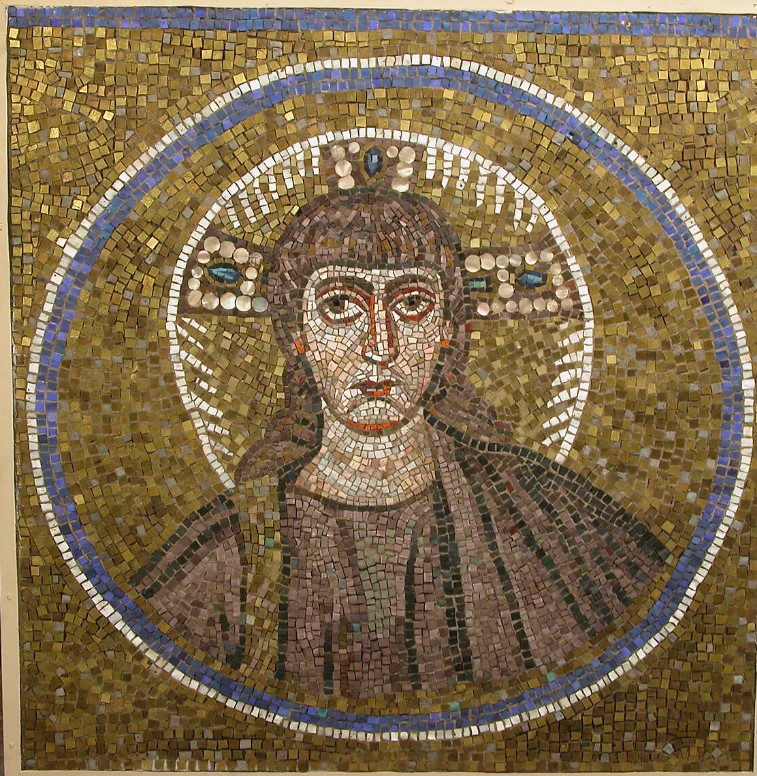
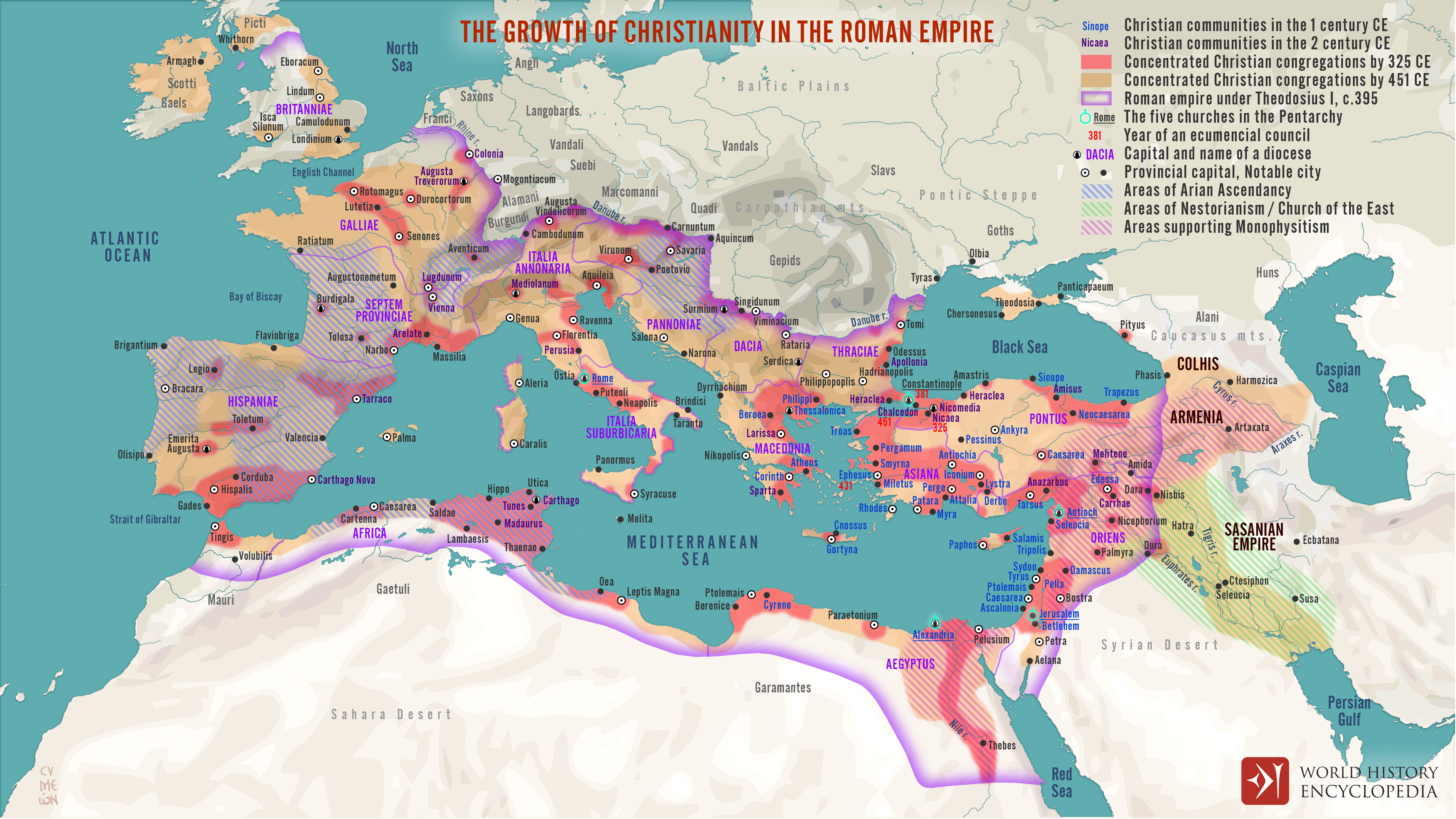
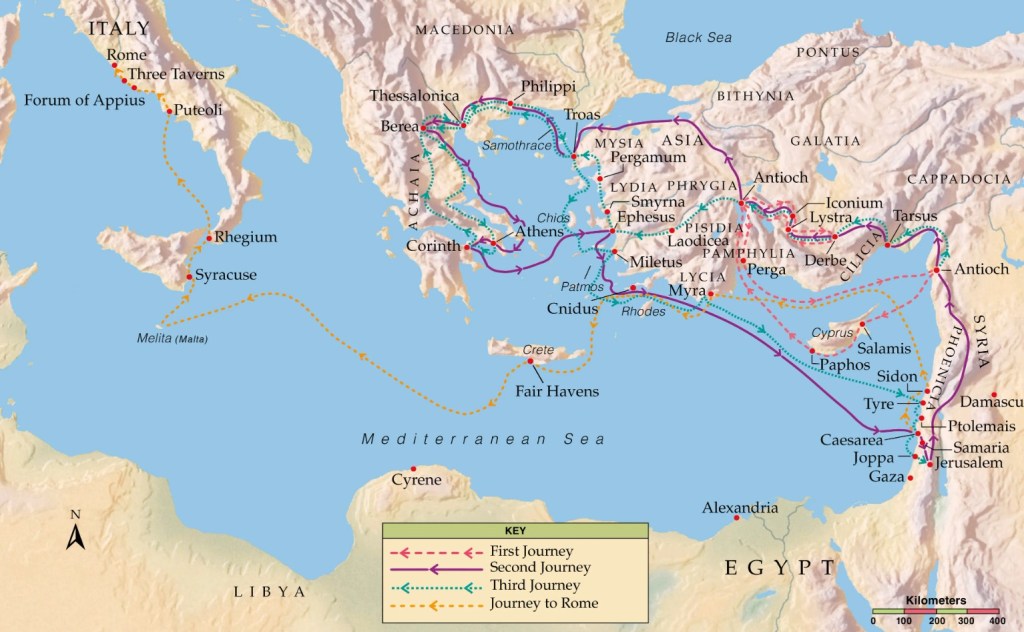
Over time, Christianity grew beyond its Palestinian origins and Jewish framework, gradually becoming an independent religion. By 60 C.E., tensions between Jewish leadership and the emerging Christian movement had intensified, leading to a decisive split. One of the most influential figures driving this separation was Paul of Tarsus (c. 4–64 C.E.), a vigorous proponent of expanding Christianity to a broader audience. Paul argued that adherence to Mosaic law was no longer necessary for salvation and that Gentile converts should not be required to follow Jewish customs, such as circumcision or dietary laws. This position marked a significant departure from Judaism and helped Christianity establish itself as a distinct, universal faith.
As one historian has emphasized, the conflict between Judaism and early Christianity was not purely doctrinal; it also centered on questions of identity. Paul’s position, which downplayed the necessity of Mosaic law, “proved incompatible with the way that Jews understood themselves as a people or a community.” Mosaic law, along with its accompanying customs and rituals, was integral to the shaping of Jewish identity. For Jews, adherence to these laws was not merely a religious obligation but a defining element of their communal and cultural life, setting them apart as G-d’s chosen people. By suggesting that such laws were no longer essential, Paul’s teachings challenged the very framework through which Jews understood their relationship with G-d and their collective identity.
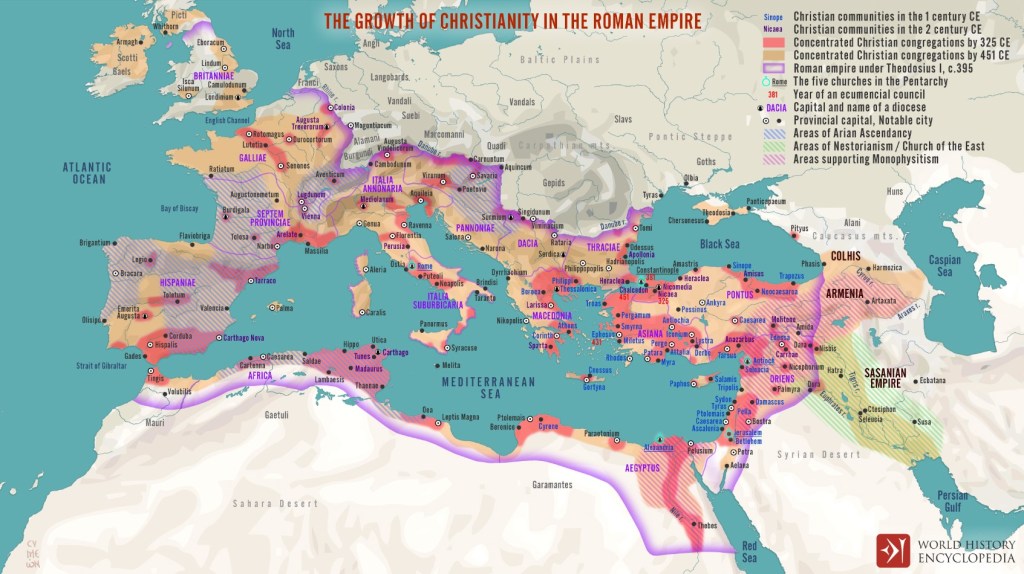
Due to the lack of unity among early Christians, “interpretations of Jesus and his message varied greatly among the new followers.” What was clear to most early Christians, however, was their belief in Jesus as the “crucified and risen Messiah who would return from heaven at any moment to begin an apocalyptic reign.” What remained unclear, and sparked one of the earliest and most significant debates within the movement, was the precise nature of Jesus. Was he divine, human, or some combination of the two? This theological question became a central point of contention among early Christians, as illustrated immediately below, and led to diverse interpretations that shaped the development of Christian doctrine over time.
- Jewish-Christian Adoptionists: Centered in Palestine, these Christians believed that Jesus was not divine but a human chosen and “adopted” by G-d to be His son. Their view aligned closely with Jewish traditions and rejected the idea of Jesus’s pre-existence or divinity.
- Marcionite Christians: Spread throughout the Mediterranean world, this group was founded by Marcion, who taught that Jesus was entirely divine and not a being of real flesh and blood. To Marcionites, Jesus only appeared to be human, emphasizing his spiritual and otherworldly nature.
- Gnostic Christians: This diverse group consisted of numerous sects, all emphasizing that salvation could only be achieved through gnosis (knowledge). Gnostics believed that Jesus was a human being who had been “penetrated” or empowered by a divine entity, enabling him to deliver divine wisdom to humanity.
- Proto-Orthodox Christians: The forerunners of mainstream Christianity, Proto-Orthodox Christians held that Jesus was both fully divine and fully human. This belief in the dual nature of Jesus would later become the foundation of Christian orthodoxy as defined in the early ecumenical councils.
In Closing
It was during the Patristic Period that Christian doctrine was formalized, and the final version of the New Testament was canonized. This critical era in Christian history saw debates and decisions that would define orthodoxy and the structure of Christian scripture. We will explore this topic in greater detail in a later module.
Glossary
Amoraim – Rabbinic sages from 200 to 500 CE whose comments on the Mishnah are in the Talmud.
Deuteronomistic History – The historical sequence of books in the Tanakh from Deuteronomy through Chronicles, connected in terms of authorship and theology.
Diaspora – Dispersion of the Jews outside of Israel.
Elohim – Hebrew for God.
Israelite – People of Israel until the return from the Babylonian exile.
Jew – Descendants of the Israelites from the return from the Babylonian exile to the present. Jew is from the Hebrew jehudi, meaning a descendant of Jacob’s son Judah.
Judea – The name for the land of the Jews from the post-exilic period to the early Roman period.
Kabbala – Literally, “Tradition”; the largest school of Jewish mysticism, from the twelfth century CE to the present.
Midrash – A verse-by-verse style of commentary on the Tanakh, especially as used by early Rabbis.
Mishnah – The written expression of the oral law, compiled in 200 CE by Rabbi Judah Ha-Nasi.
Saboraim – Rabbinic sages from 500 to 700 CE whose comments on the Mishnah were added to those of the Amoraim in the Talmud.
Sefirot – The ten emanations of God, as described in early Kabbalist theology.
Talmud – An extensive collection of commentaries on the Mishnah compiled from the sayings of Rabbis from 200 to 500 CE.
Tanakh – The Hebrew Bible. The term comes from the initials of its three divisions: Torah (Law), Neviim (Prophets), Ketuvim (Writings).
Tannaim – Rabbinic sages of the first two centuries CE whose sayings are compiled in the Mishnah.
Torah – Hebrew for law, teaching, or instruction. In the broad sense, Torah refers to the law of Moses, both written and oral. In the narrow sense, it refers to the first five books of the Tanakh, traditionally called the Books of Moses.
Yahweh – The personal name of God in Judaism.
Holidays
From an early time, the Israelite religion had developed a calendar of important days to be observed. Of these, the earliest is Passover (Pesach), an annual celebration of Israel’s escape from Egyptian bondage. Yom Kippur, the annual Day of Atonement became the holiest day of the year. Over the course of time, the most striking feature of the Israelite calendar turned out to be the Sabbath, “the weekly day when productive labor was forbidden.”
Sabbath (Shabbat; literally, “seventh,” i.e., “Saturday”) – Weekly day of worship that commemorates God’s rest on the seventh day of creation.
New Year’s Day (Rosh Hashanah; usually September) – Beginning of the Jewish year.
Day of Atonement (Yom Kippur; late September or early October) – Commemorates the Jewish people’s wanderings in the desert.
Festival of Booths (Sukkot; September or October) – Commemorates the Israelites’ living in booths after their exodus from Egypt.
Pentecost (Shavu’ot; usually May) – Commemorates Moses receiving the Torah at Mount Sinai.
Festival of Lights (Hanukkah; December) – Commemorates the re- dedication of the Second Temple in Jerusalem to holy service by the Maccabees. Festival of Lots (Purim; usually March) Commemorates the rescue of the Jews of ancient Persia.
Glossary and Holidays compiled from James Fieser, Scriptures of the World’s Religions
 World History Portal