LEARNING OBJECTIVES
- Explain the impact that the move from hunting and foraging to agriculture had an indigenous cultures in Latin America.
- Identify some of the characteristics that defined the Taíno, Tupínamba, Inca, and Maya.
- Identity the composition of Mesoamerican writing systems and how the Maya writing system functioned.
Timeline: Mexico | Latin America
In this discussion, I would like to explore the development of human societies in Mesoamerica and South America, situating them within their historical and geographical contexts. The historical record reveals that this region of the world supported a remarkable diversity of indigenous cultures. To better understand this diversity, historians have developed a typology that categorizes these societies into four distinct groups: concentrated sedentary, segmented sedentary, semi-sedentary, and non-sedentary. This framework not only helps historians analyze how indigenous cultures adapted to various ecological regions across the Americas, but it also sheds light on how these lifeways were impacted by colonization.
Additionally, this typology provides insight into the patterns of European migration and settlement, particularly in understanding why some areas of Latin America exhibit stronger African influences than others. Given the scope and diversity of cultures in this region, we will focus on four representative societies to illustrate the variety of lifeways that existed.
- Concentrated Sedentary Societies: These societies were characterized by villages, towns, and cities, supported by intensive agriculture. They maintained highly stratified social hierarchies and developed complex state structures, including expansive empires. Examples of concentrated sedentary societies include the Empire of the Triple Alliance (Aztec Empire) in Mesoamerica and the Inca Empire in South America.
- Segmented Sedentary Societies: Like their concentrated counterparts, these societies were based in villages, towns, and cities, and practiced intensive agriculture. However, they differed in that they lacked large-scale empires or centralized state structures. Instead, political organization was more fragmented, involving smaller polities or confederations. Examples include the Muisca of Colombia and the Zapotec and Mixtec peoples of Mesoamerica.
- Semi-Sedentary Societies: These societies balanced agriculture with hunting, foraging, and fishing, often in ecologically diverse or less fertile regions. Their populations were less dense compared to sedentary societies, and their social and political structures were generally less stratified. Examples include the Taíno of the Caribbean and the Tupí peoples of Brazil.
- Non-Sedentary Societies: These groups relied on systematic movement to sustain themselves, practicing hunting, gathering, and fishing as their primary means of subsistence. They were highly mobile and adapted to challenging environments, such as arid plains or harsh highland regions. An example is the Tehuelche people of present-day Argentina.
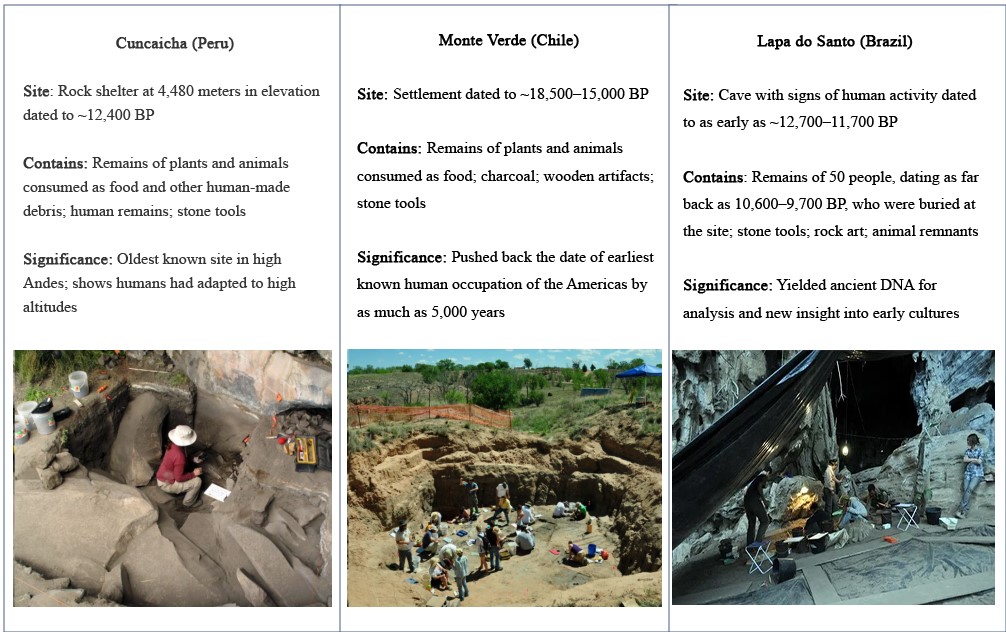
Archaeological discoveries, supported by advancements in ancient genomics, suggest that human migration into South America may have begun as early as c. 18,500 B.C.E. These early populations relied on non-sedentary lifeways, hunting and foraging to sustain themselves in a variety of environments. Over millennia, the ecological diversity of the Americas shaped how these early populations adapted, gradually giving rise to the cultural and societal diversity we see in the historical record.
By understanding the typology of indigenous societies, we gain a more nuanced appreciation for the ingenuity and resilience of these cultures. Furthermore, this framework offers a lens through which we can explore the interactions between indigenous peoples, European settlers, and enslaved Africans, illuminating the complex historical and cultural fabric of Latin America. dating to about c. 8000 B.C.E. we see evidence of certain populations moving from a hunting and foraging lifeway to one focused on horticulture and eventually agriculture. The transition agriculture suddenly gave humans in this part of the world access to more food and more resources and the foundations needed to create complex societies.
The Taino and Tupinambá
TThe Taíno were the first indigenous culture to make contact with Europeans during the Age of Exploration, marking a pivotal moment in world history. They were a confederation of related tribes whose language and cultural practices were rooted in the Arawakan linguistic family. This linguistic connection also extended to related groups such as the Island-Carib and Guanahatabey peoples, who inhabited the Caribbean alongside the Taíno. Without a written language of their own, much of what is known about Taíno culture comes from the accounts of European chroniclers. Key sources include Fray Ramón Pané’s Account of the Antiquities of the Indians, one of the earliest ethnographic studies of indigenous Americans, and Gonzalo Fernández de Oviedo’s Historia General y Natural de Las Indias, a detailed narrative about the people and landscapes of the New World. In addition to these written records, archaeological discoveries—such as those at En Bas Saline in present-day Haiti—have revealed crucial aspects of Taíno life, including evidence of their interactions with early European settlers.
The Taíno lived in permanent villages that were meticulously organized and reflective of their social structure. These villages featured distinctive architectural forms: circular houses called caneyes, typically used by commoners, and rectangular dwellings called bohíos, which were reserved for leaders and higher-ranking individuals. Villages ranged in size, with larger settlements housing populations of 1,000 to 2,000 people. These communities were concentrated most densely on the island of Hispaniola, which today is divided between the Dominican Republic and Haiti. European chroniclers provided wildly varying estimates of the Taíno population on Hispaniola, with figures ranging from 100,000 to over 1,000,000 individuals, though such estimates remain the subject of debate among historians. Tragically, the arrival of Europeans brought devastating consequences. Diseases like smallpox and measles, against which the Taíno had no immunity, decimated their population, and the harsh conditions of forced labor imposed by the Spanish further accelerated their decline. By 1530, the Taíno had experienced a catastrophic demographic collapse, as documented by the German explorer Nikolaus Federmann, who described the suffering and near-annihilation of their people.
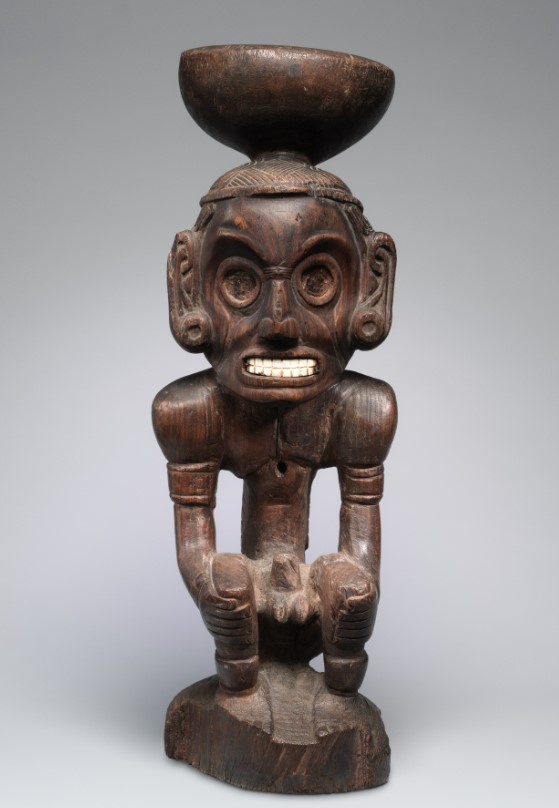
The Taíno were highly skilled farmers whose agricultural practices were well-adapted to their environment. They cultivated crops in raised mounds known as conucos, a technique that improved soil aeration, retained moisture, and minimized erosion, ensuring sustainable yields. Manioc, a hardy root vegetable, was their primary crop and a staple of their diet. Other cultivated crops included potatoes, beans, peanuts, and peppers, which complemented their agricultural economy and enriched their cuisine. Beyond agriculture, the Taíno political structure was sophisticated and hierarchical. Their society was divided into five hereditary chiefdoms known as cacicazgos, each governed by a cacique who exercised both political and spiritual authority. A single cacicazgo could encompass up to seventy communities, demonstrating a remarkable level of organization and influence. The Taíno practiced a matrilineal system, tracing ancestry and inheritance through the female line, which reinforced the significant role of women in their society.
Socially, the Taíno exhibited a dualistic structure. The upper stratum included the nitaínos, or nobles, and the behiques, who were shamans and religious leaders. These elites were responsible for governance, spiritual guidance, and ceremonial functions. The rest of the population, referred to as naborías, made up the working class and carried out agricultural, fishing, and other labor-intensive tasks. This dualistic organization ensured that the responsibilities of governance and spiritual care were separate from those of daily subsistence, creating a balanced social order. The legacy of the Taíno, though marred by the destructive forces of colonization, continues to resonate in the cultural, linguistic, and genetic heritage of the Caribbean, offering a glimpse into the vibrant and dynamic societies that thrived before European contact.
The speakers of Tupí-Guaraní languages were indigenous to the region of present-day Brazil, with the Tupinambá being one of the most prominent Tupí-speaking groups. The Tupinambá were primarily agriculturalists, living in villages that ranged in size from 400 to 800 inhabitants. Their agricultural economy was centered on subsistence and self-sufficiency rather than trade or profit. Manioc was their staple crop, serving as the foundation of their diet and agricultural system. In addition to manioc, they cultivated beans, squash, and maize, which provided nutritional diversity. These farming practices were complemented by hunting and gathering, which played an essential role in sustaining their communities by providing additional protein and other food resources.
The Tupinambá’s economic model focused on auto-consumption, meaning production was intended for local use rather than exchange or profit. This approach distinguished their society from trade-oriented indigenous groups and highlighted their self-reliant way of life. The integration of agriculture with hunting and gathering reflected a balanced approach to resource utilization, allowing the Tupinambá to thrive in the varied ecosystems of coastal Brazil.
One of the most debated aspects of Tupinambá culture is their practice of ritual cannibalism. This ritual, potentially tied to warfare, may have served as a means of displaying dominance over enemies, symbolizing the absorption of their strength or spirit. While ritual cannibalism was a global cultural phenomenon observed in various societies, it is often disproportionately associated with the Americas due to sensationalized European accounts. For the Tupinambá, the practice of ritual cannibalism remains a subject of scholarly discussion, as interpretations rely heavily on the narratives of European chroniclers.
One of the most significant written sources about the Tupinambá is Hans Staden’s The True History of His Captivity, published in Marburg in 1557. Staden, a German soldier serving as a gunner at a Portuguese fort on the Brazilian coast, was captured by the Tupinambá in 1552 and held in captivity for nine months. His account provides a detailed, though undoubtedly Eurocentric, perspective on the customs, rituals, and daily life of the Tupinambá. While his descriptions of cannibalistic rituals and Tupinambá warfare are vivid and detailed, they must be critically analyzed to separate ethnographic insights from the dramatic and moralizing tone common in European writings of the time.
The Tupinambá’s practices, social structures, and interactions with Europeans offer a window into the diversity of indigenous cultures in Brazil prior to colonization. Their agricultural expertise, communal economy, and ritual practices reflect a deeply rooted and complex society, while their portrayal in European accounts underscores the need for careful interpretation of historical sources. Today, the study of the Tupinambá continues to shed light on the cultural richness of the Tupí-speaking peoples and their contributions to the history of the Americas.
The Empire of the Inca
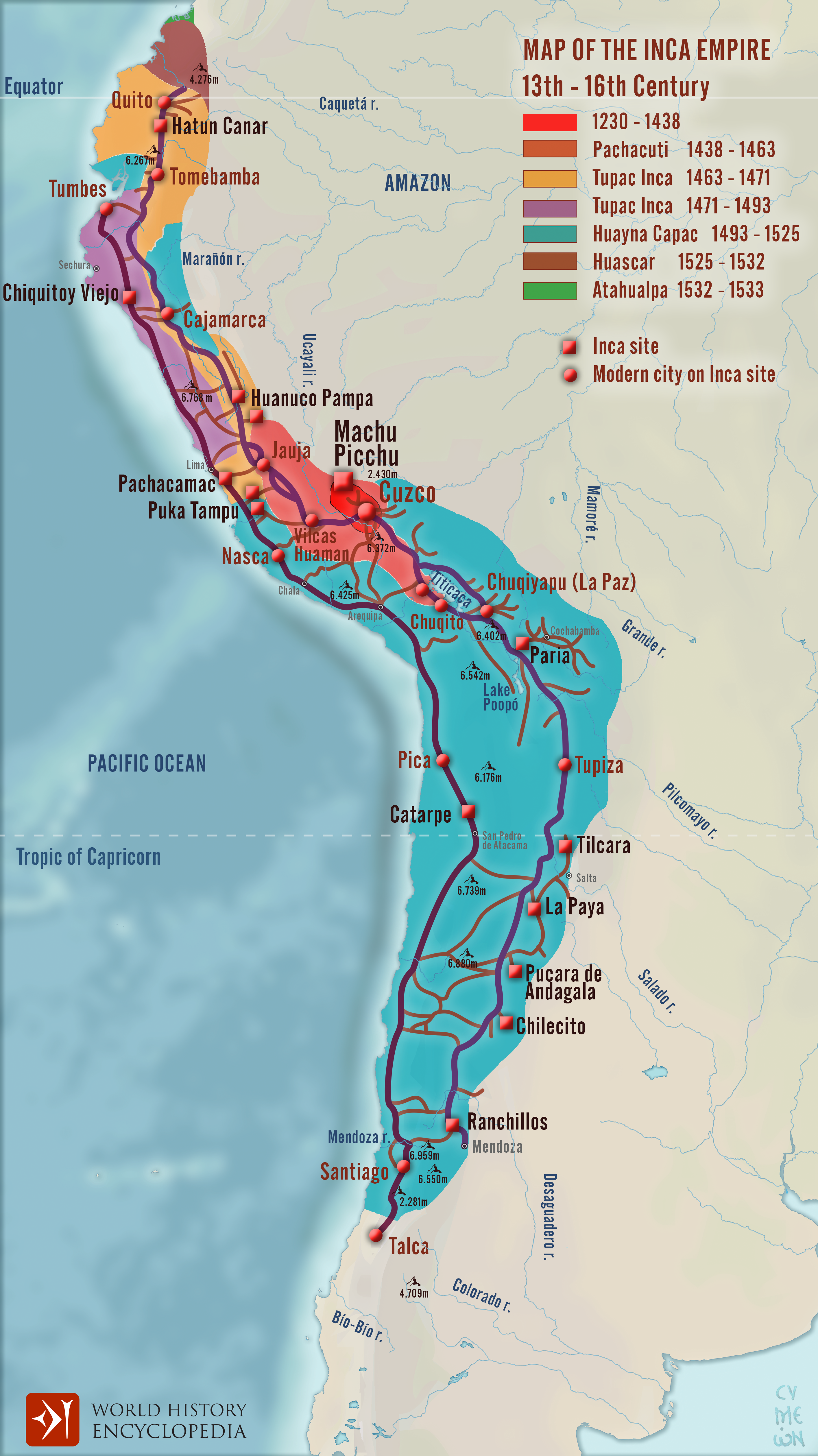
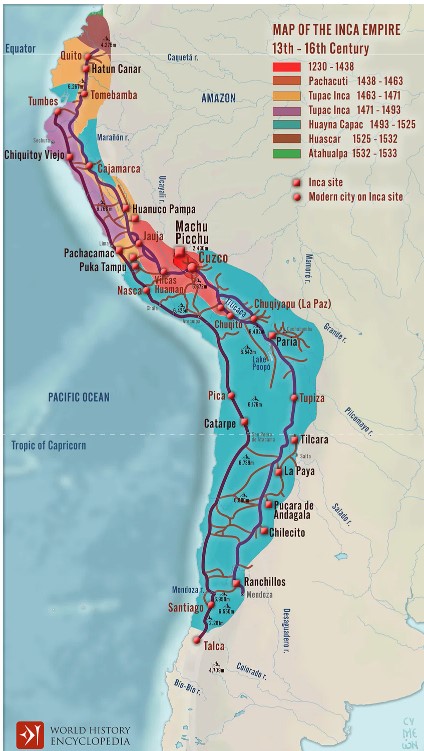
The Empire of the Inca (1438–1532) was the largest indigenous state in the Americas, with its political and ceremonial center located in Cuzco, in present-day Peru. The Inca developed a highly organized and hierarchical society, reflecting the complexity and efficiency of their state. At the top of this structure was the elite class, composed of lords who formed the backbone of the Inca state. These elites held significant political, religious, and administrative roles, ensuring the cohesion and governance of the expansive empire. Among the administrative officials were the Inca Rantin, or inspectors, who were responsible for overseeing vital infrastructure such as roads, suspension bridges, and tambos (way stations). These infrastructure projects not only facilitated the movement of armies and goods but also unified the empire’s diverse regions.
The common population of the Inca Empire was categorized into distinct roles based on their contributions to society. This included skilled artisans such as weavers, silversmiths, and potters, who produced goods for both practical use and ceremonial purposes. The majority of the population, however, were the hatun runa, or peasant farmers, who formed the agricultural base of the empire. They cultivated crops like maize, potatoes, and quinoa, utilizing advanced agricultural techniques such as terracing and irrigation to maximize productivity in the challenging Andean environment. Tribute to the state was paid not in goods or currency but in labor, a system known as mita. Under the mita system, individuals were required to perform rotational service, working on state projects such as construction, farming on state lands, or serving in the military.
Despite lacking a traditional writing system, the Inca developed an innovative method of record-keeping known as the quipu. This device, composed of knotted strings, was used to record numerical data, quantities, and possibly narratives or historical information. The interpretation of the quipu remains a subject of scholarly debate, with some researchers suggesting that it may have conveyed more complex information than originally believed. The absence of written records means that much of what is known about the Inca Empire comes from post-conquest sources written by European chroniclers and indigenous authors in the aftermath of the Spanish conquest.
One of the most significant post-conquest accounts is Felipe Guamán Poma de Ayala’s “New Chronicle and Good Government” (1613). This work offers a detailed and critical view of Inca society, governance, and the effects of Spanish colonization. Poma de Ayala, an indigenous writer, provided a rare perspective that combined native knowledge with a critique of colonial administration. His chronicle is invaluable for understanding the social, political, and cultural dimensions of the Inca Empire.
The Inca’s achievements in statecraft, infrastructure, and agriculture reflect a remarkable level of sophistication. Their ability to govern a vast and geographically diverse empire without a formal writing system underscores their ingenuity and adaptability. While their civilization was brought to a tragic end by Spanish conquest, the legacy of the Inca endures in the cultural traditions, architectural marvels, and historical narratives of the Andes.
Mesoamerica
When examining Mesoamerica, it is important to recognize the region’s rich history of writing and urbanism. The defining characteristics of complex societies in Mesoamerica reached their peak during the Classic Period. Teotihuacan, a prominent civilization of this era, thrived in central Mexico between c. 150–650 C.E. Believed to be the largest urban center in Mesoamerica, its population may have exceeded 100,000. So majestic was Teotihuacan that the Mexica (Aztecs) later referred to it as “the place of the gods.”
Archaeological evidence suggests that Teotihuacan’s center was destroyed around the 8th century C.E., though the outer parts of the city persisted for an additional 200 years. The Classic Period also marked the golden age of the Maya (c. 250–900 C.E.), widely regarded as the pinnacle of Classic Period civilizations. Major Maya centers such as Tik’al (Guatemala), Kalak’mul (Campeche), Palenque (Chiapas), and Copán (Honduras) each supported populations estimated at around 100,000.
Mesoamerican cultures also developed advanced traditions of writing, with five surviving writing systems either fully or partially deciphered by scholars: the Zapotec, Epi-Olmec/Isthmian, Mixtec, Maya, and Nahua. Pre-Columbian Mesoamerican writing systems utilized both glottographic and semasiographic methods. Glottographic systems, such as those of the Epi-Olmec/Isthmian, Zapotec, and Maya, linked visual symbols to sounds or words. In contrast, semasiographic systems like the Mixtec and Nahua used non-phonetic visual marks to convey ideas or concepts. Of these, the Maya script was the most sophisticated, employing “a combination of logograms representing whole words, phonetic signs, and semantic qualifiers, which together reproduce a verbal text.”
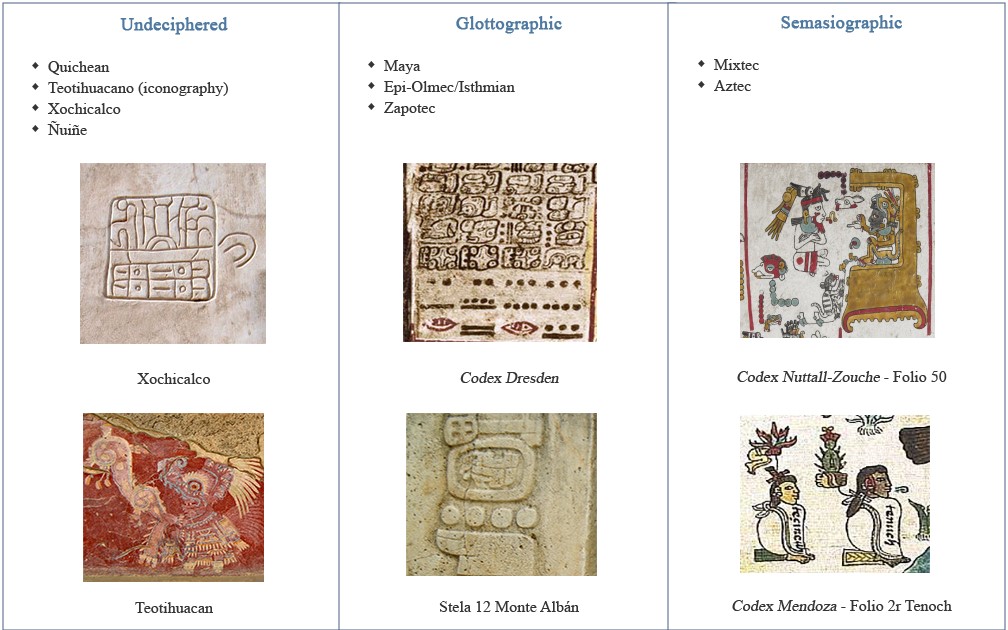
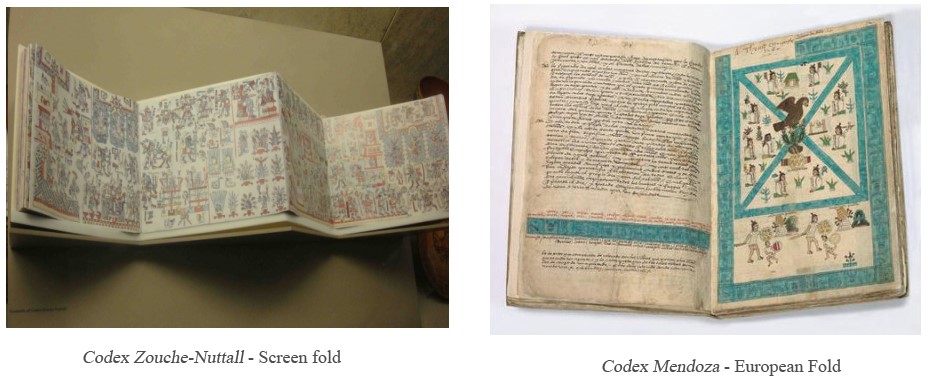
The surviving codices are categorized into those created before the European conquest and those written during the colonial era. Mesoamerican cultures utilized a variety of mediums for writing, including painted manuscripts, inscribed monuments, stone sculptures, deerskin, ceramic vessels, and more. The codices (painted manuscripts) produced by the Nahua, for instance, were made from amatl, a type of paper crafted from the inner bark of the Ficus cotonifolia (fig tree). Due to the thickness of this bark paper, Mesoamerican codices often took the form of screen-folds, such as the Codex Zouche-Nuttall. By contrast, codices created during the colonial period employed different paper-making techniques, leading to formats that more closely resembled books, as seen in the Codex Mendoza.
Exceptions to these generalizations exist. For certain cultures, such as the Zapotec, our understanding of their writing systems comes primarily from inscriptions. In contrast, the Maya offer a broader scope of access to their writing through both codices and inscriptions, showcasing the diversity and complexity of Mesoamerican literacy traditions.
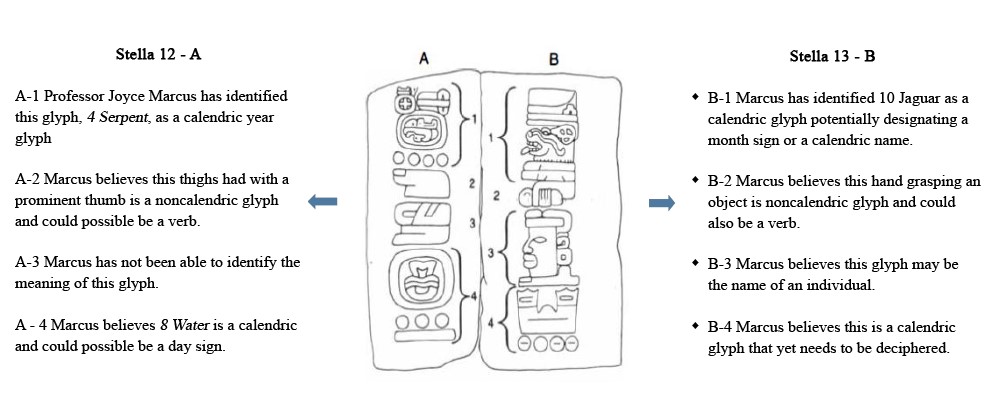
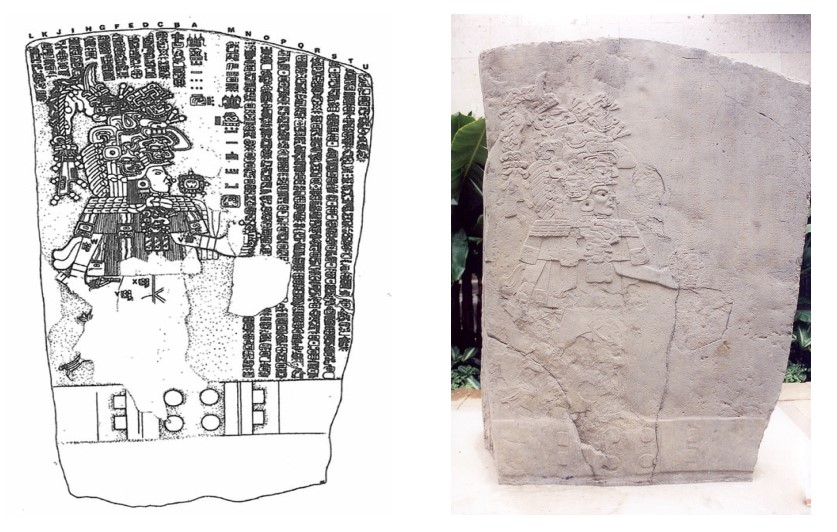
The Zapotec writing system is glottographic in nature, originating in the Valley of Oaxaca and dating back to approximately 600 B.C.E. This system represents the earliest known evidence of “writing” in Mesoamerica. Unlike some other Mesoamerican scripts, Zapotec writing has survived solely through inscriptions, such as those found on Stela 12 and 13. Monte Albán, one of the principal Zapotec urban centers, contains the largest collection of inscribed monuments and has been central to the efforts to decipher this ancient script. Unfortunately, the existing corpus of Zapotec writing is both limited in number and brevity, with the surviving inscriptions primarily recording names and calendrical information.
The Epi-Olmec/Isthmian writing system, also known as the La Mojarra script, was glottographic in nature, comprising both logograms and syllabograms, similar to the Maya and Zapotec scripts. Attributed to the Olmec of the Late and Terminal Formative periods (400 B.C.–A.D. 300), it is thought to have origins in the earlier Olmec civilization. However, due to a lack of epigraphic material from the earlier Olmec period, scholars face challenges in reconstructing a clear connection between the two.
The 1986 discovery of the Mojarra Stela in Veracruz, Mexico, greatly advanced the understanding of this script. The stela revealed that the Epi-Olmec/Isthmian script shares apparent similarities with Mayan writing. The language identified in the surviving inscriptions is a precursor to proto-Zoquean, which later evolved into the languages spoken today in regions such as Veracruz, Tabasco, Chiapas, and Oaxaca.
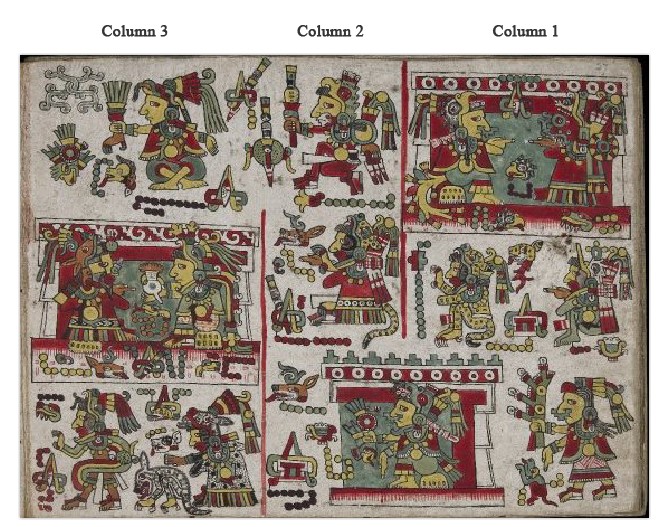
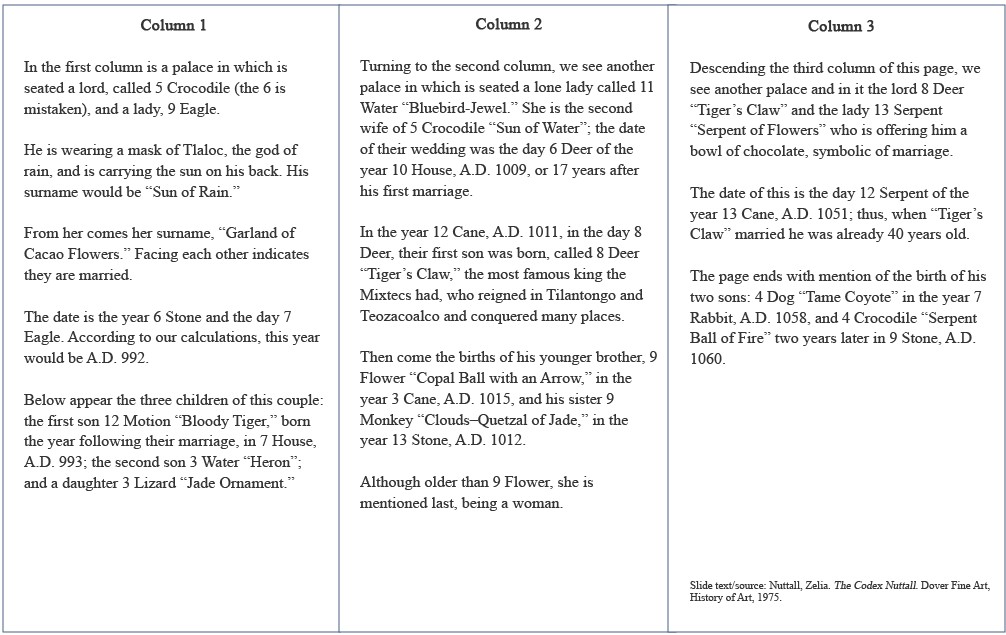
Mixtec writing was semasiographic in nature, relying on non-phonetic visual symbols to convey ideas and concepts. One of the most significant Mixtec codices is the Codex Zouche-Nuttall, a screen-fold manuscript made up of 47 deerskin leaves, now housed in the British Museum. This codex chronicles the history of key centers in the Mixtec region, as well as the genealogy, marriages, and political and military achievements of the Mixtec ruler 8 Deer Jaguar-Claw. A prominent figure in Mixtec history, 8 Deer Jaguar-Claw was the second ruler of the second dynasty of Tilantongo and lived from 1011 C.E. to 1063 C.E.
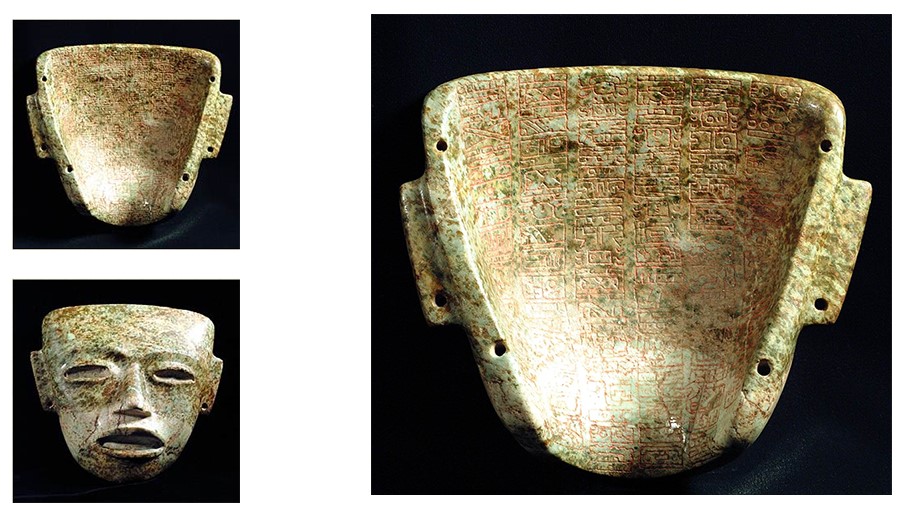
The Maya writing system was the most complex of the Mesoamerican scripts, consisting of approximately 1,000 signs, many of which are variations of the same symbol. As a glottographic system, it incorporated both logograms (signs representing whole words) and syllabograms (signs representing syllables). Remarkably, Maya scribes had the flexibility to convey a word using either a logogram or a purely syllabic spelling. Maya texts were typically arranged in a grid pattern and read left to right.
Surviving examples of Maya writing exist in two forms: inscriptions on various mediums and codices. Of the latter, only four Maya codices are known to have survived: the Dresden Codex, the Paris Codex, the Grolier Codex, and the Madrid Codex. A fifth codex remains under debate regarding its authenticity.
During the Postclassic Period (1250–1519), the Nahua began to migrate into central Mexico. The Nahua were a group united by a shared culture and a common language belonging to the Uto-Aztecan family. The Mexica, whom we incorrectly refer to as the Aztecs, were the last of the Nahua to arrive in central Mexico. Unfortunately, no Nahua codices from before the Spanish conquest of Mexico have survived. As a result, researchers must rely on codices created after the conquest, which were composed in traditional pictograph forms, to infer what early Nahua writing may have looked like.
During the colonial period, the Nahua adopted the Latin alphabet, effectively ending any surviving traditional writing techniques. The Codex Mendoza, the most famous Nahua codex, was created to inform Charles V (r. 1516–1556) about the Mexica and their empire. Named after Antonio de Mendoza, the first Spanish Viceroy of New Spain (1535–1550), the codex is believed by many specialists to have been produced by the master painter Francisco Gualpuyogualcal. After falling into French hands, it eventually found its way to the Bodleian Library in Oxford, England.
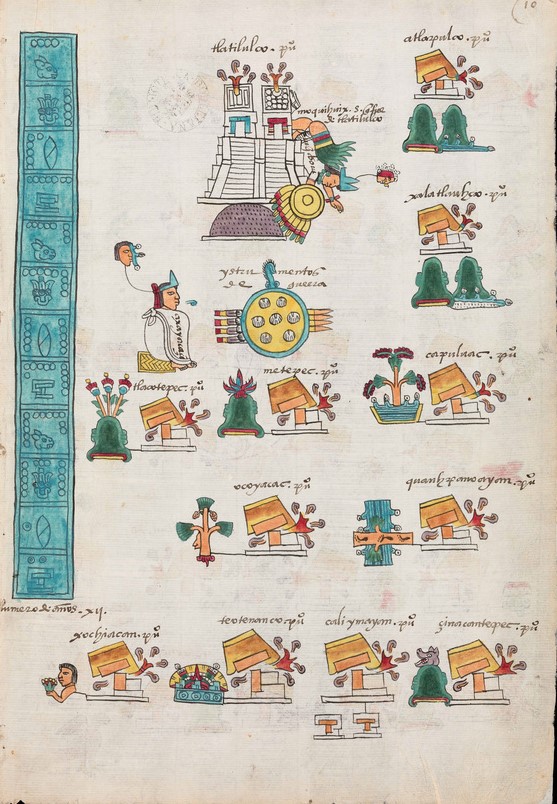
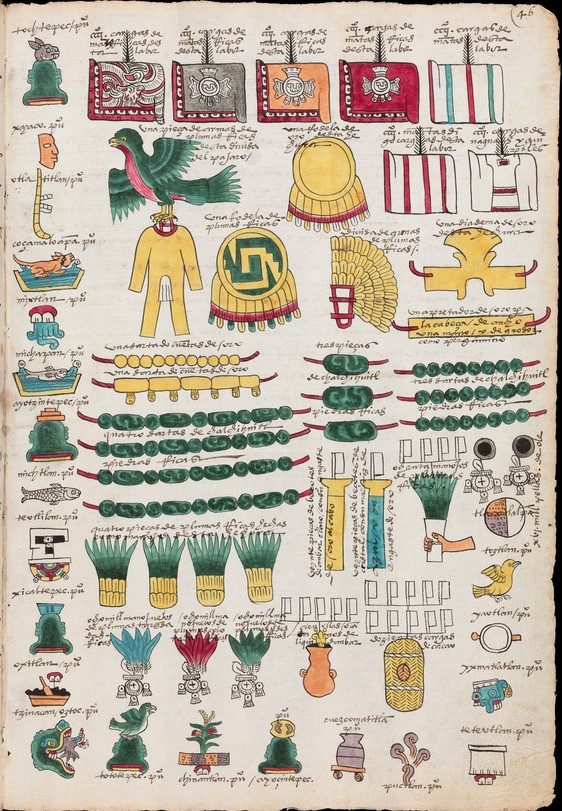
The Codex Mendoza combines pictorial representations with commentary in Nahuatl and Spanish. It documents the pre-colonial history of the Mexica, the tributes collected from subjugated altepetls (city-states), and an ethnographic account of Mexica society.
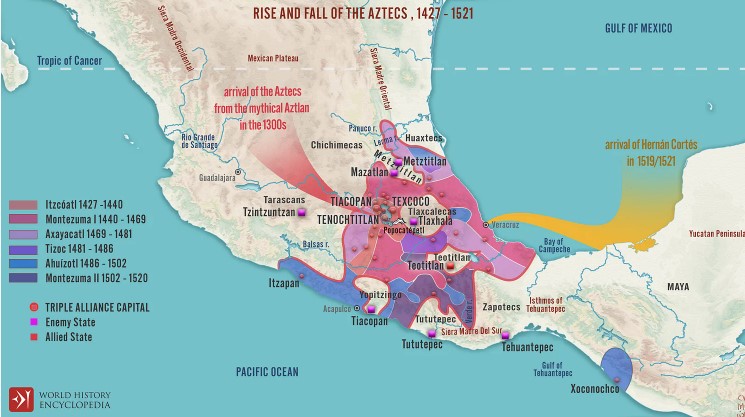
With regards to Mexica origins, Hernando de Alvarado Tezozomoc’s Cronica Mexicana (c. 1598) explains that “the Mexica came from a land called Chicomoztoc, which is called house of the seven caves, also called Aztlan.”
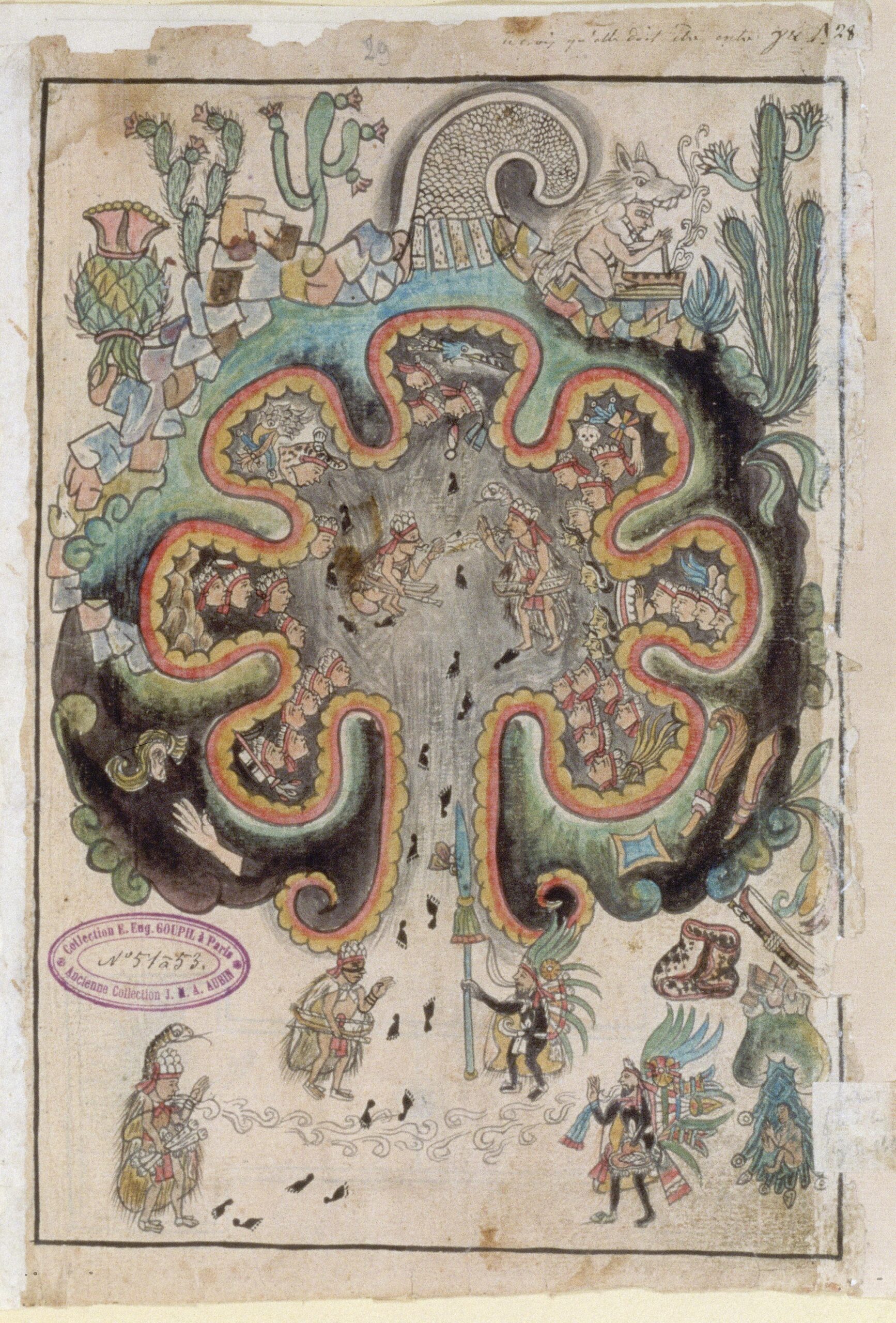
From Juan de Tovar’s Origen de los Mexicanos we learn that the Mexica were “. . . led by a leader named Mexi, from which the name Mexicans is derived, because with Mexi with this particular ca, mexica is composed, which means the people of Mexico.”
Scholars generally agree that the first of the “Atzlan Migrants” reached central Mexico around 1200 C.E., or perhaps earlier. Over time, a shared Nahua culture emerged in the region. According to sources, the god Huitzilopochtli guided the Mexica migration through various territories. The Annals of Cuauhtitlan (c. 1570), preserved in the Codex Chimalpopoca, is one such source that documents these migrations.
Central Mexico during this period was characterized by a dynamic network of interacting city-states, or altepetl—polities made up of a central city and its surrounding farmland and smaller settlements—each ruled by a tlatoani. Warfare was endemic among the altepetl in this early period, as no single power had yet established dominance. Over time, however, the Nahua absorbed most of the indigenous cultures of the Valley of Mexico, becoming the dominant cultural group in the region.
The Mexica were the last of the Nahua to migrate into central Mexico, eventually founding their home at Tenochtitlan, a city built on an island in Lake Tetzcoco. Shortly after, the adjacent community of Tlatelolco was established. In 1372, the Mexica received their first tlatoani with the ascension of Acamapichtli (r. 1372–1396), marking the beginning of their formal political structure.
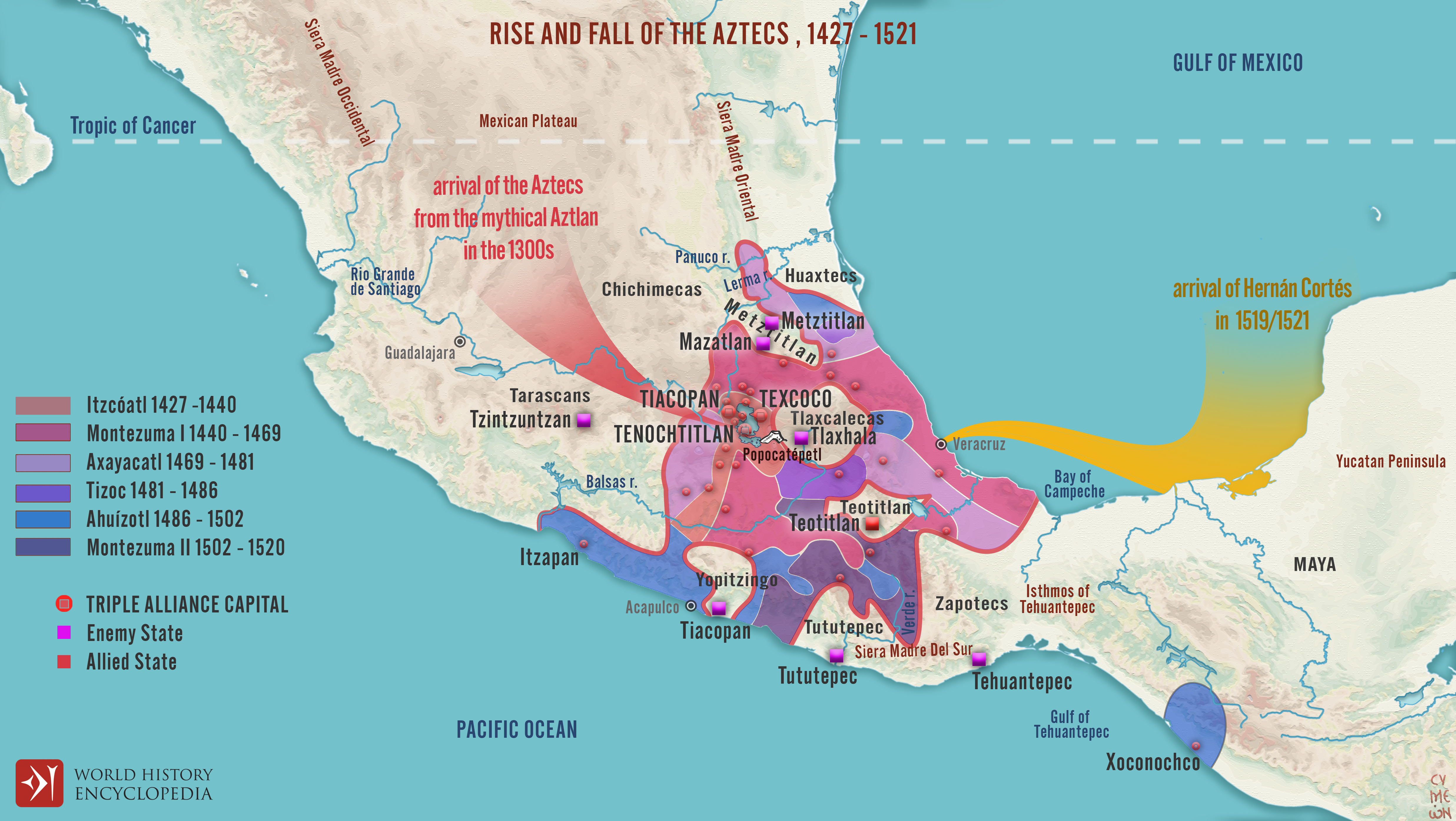
Around 1371, Tezozomoc (Tezozomoctli) became the ruler of the Tepaneca, a neighboring community to the Mexica. Written sources depict him as a pragmatic and ambitious leader who spearheaded the expansion of the Tepaneca in central Mexico. His aggressive expansionist policies ignited regional conflict, as documented in the Annals of Cuauhtitlan. In response to the growing threat posed by the Tepaneca, the altepetl of Tenochtitlan, Tlacopan, and Tetzcoco formed an alliance in 1427. This coalition ultimately defeated the Tepaneca, laying the foundation for what is now known as the Aztec Empire, or the Empire of the Triple Alliance—a confederation of these three altepetl.
The military success of the Triple Alliance against the Tepaneca paved the way for further conquests throughout central Mexico. In 1458, under the leadership of Moctecuhzoma Ilhuicamina (r. 1440–1468), the Triple Alliance expanded beyond its immediate region into territories that provided access to valuable resources. As the empire grew, it adopted various strategies to ensure its stability and longevity.
Politically, each province established by the Empire was organized under the leadership of the most prominent altepetl, and tlatoani who resisted the empire were replaced by nobles loyal to the Triple Alliance. Administrative roles were either created or eliminated as needed to maintain order. To foster unity, the wealth gained through conquests was redistributed.
Economically, the Empire reorganized conquered altepetl into tributary provinces, facilitating efficient tribute collection and record-keeping. A quota system dictated how often tribute was required—annually, semi-annually, or quarterly—and calpixque (tribute collectors) were tasked with overseeing the process. Additionally, the Empire promoted commerce through state-sponsored long-distance trade networks and ensured that tianquiz (marketplaces) operated on a weekly basis, further integrating its provinces economically.
The Empire of the Triple Alliance established strategic provinces along the outer edges of its territory. These provinces consisted of altepetl that were treated more as allies than as subjugated entities. Unlike tributary provinces, these allied altepetl were not required to meet tribute quotas. Instead, their primary responsibility was to provide military defense against external enemies of the empire, such as the Tlaxcalans and Tarascans.
Despite efforts to create a powerful and cohesive empire, the Triple Alliance remained fragile. This fragility stemmed, in part, from the high degree of autonomy maintained by individual altepetl, which preserved much of their internal integrity. Additionally, the empire did not station garrisoned troops in conquered altepetl, relying instead on other strategies to secure loyalty. Chief among these were elite marriage alliances, which were used to strengthen political ties and maintain alliances across the empire.
While the strategic provinces provided defense and the tribute provinces ensured economic stability, these factors alone could not overcome the inherent weaknesses of the empire’s structure, leaving it vulnerable to internal and external pressures.
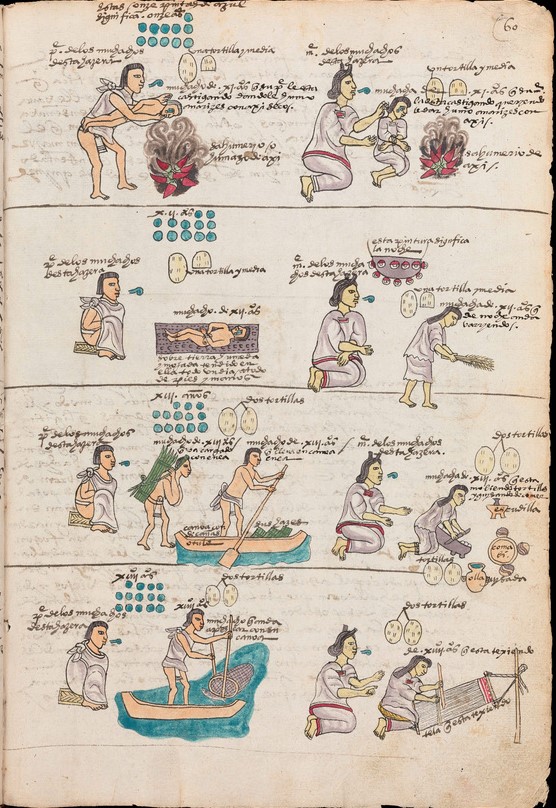
The Nahua diet consisted of a diverse range of food sources, with maize serving as the most important staple. Maize was consumed in various forms, including tortillas, tamales, and atole (a type of porridge). Alongside maize, beans, squash, and chile formed the foundation of the Mesoamerican diet. These four staples provided essential nutrients, with maize alone accounting for an estimated 80% of the caloric intake. Despite misconceptions, the Nahua diet provided sufficient protein, achieved by combining lime-soaked maize (rich in most amino acids except lysine) with beans (a good source of lysine). Chili peppers supplied iron, riboflavin, niacin, and vitamins A and C.
In addition to these staples, the Nahua diet included tomatoes, avocados, nopal (prickly pear cactus), the maguey plant, turkey, dog, Muscovy duck, and spirulina algae. To sustain this diet, the Nahuas adopted innovative agricultural techniques. They built stone terraced walls to cultivate hilltop land and constructed small-scale dams to harness irrigation during the rainy seasons. Of particular importance were chinampas, or floating gardens, which allowed swampy land to be converted into fertile farmland. Canals were dug to drain water, exposing land where a variety of crops could be planted. This technique was especially crucial for the Mexica, as their capital, Tenochtitlan, was located on an island surrounded by swampland.
In Closing
The course of indigenous history was profoundly altered by global interaction and European expansion. Disease, exploitative labor practices, and the disruption of indigenous lifeways had devastating consequences for the populations of this region. But how did this part of the world become the stage for such conflict? What factors motivated and enabled European expansion into the Atlantic? In our final topic, we will delve into these questions and examine the forces that shaped this transformative era in history.
 World History Portal