LEARNING OBJECTIVES
- Survey certain regions of the world during the closing of the Middle Ages.
- Explain the factors that contributed to the opening of the Atlantic World and gave rise to the plantation complex.
- Identify the early colonial ventures of Iberian states in the Caribbean and Brazil.
Oxford History Timelines: Western Africa | Europe
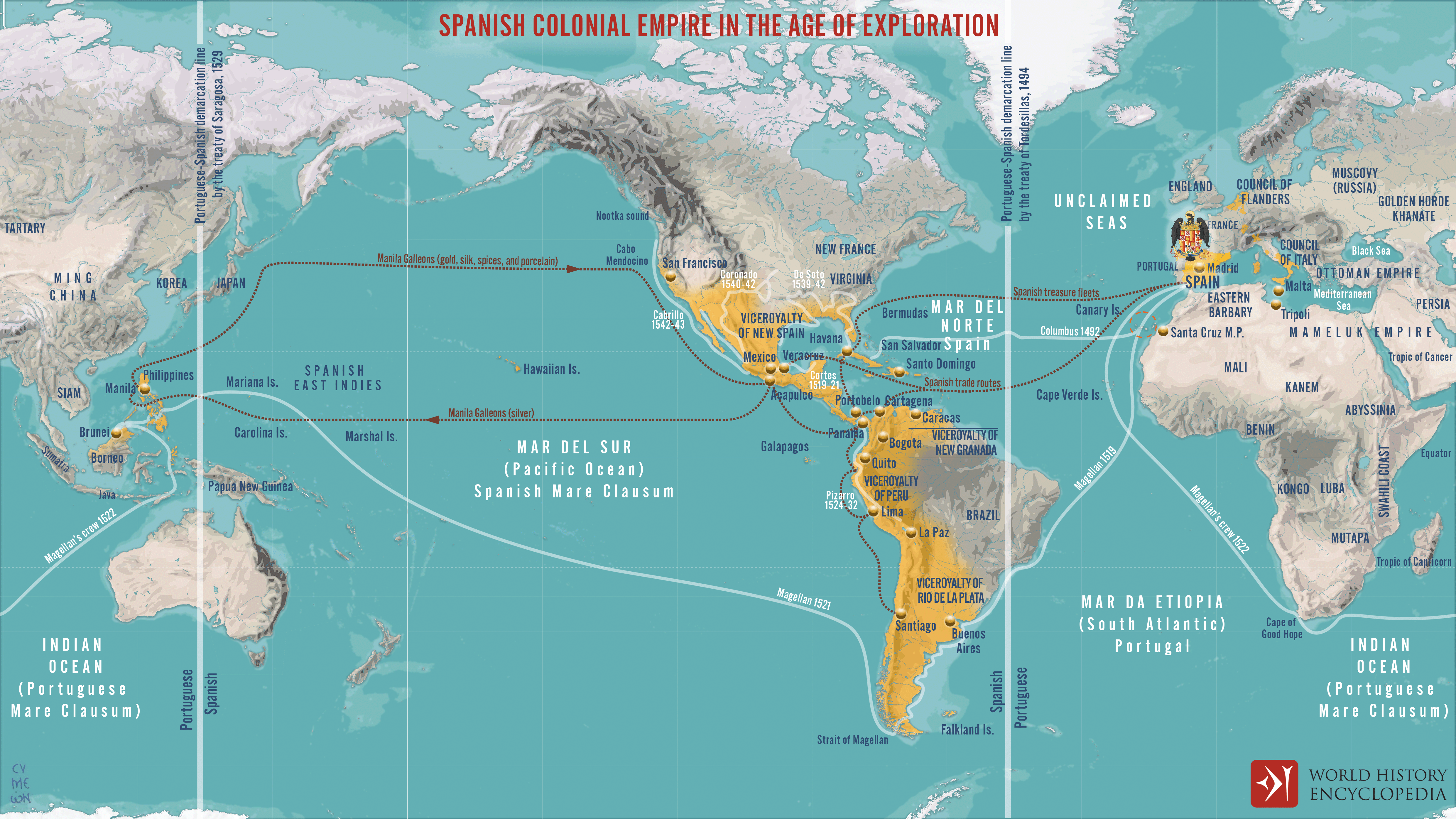
This topic will focus on two key areas. First, it will provide an overview of the world at the close of the Middle Ages, highlighting the social, political, and economic changes that set the stage for European expansion. Second, it will examine Iberian exploration and expansion into the Atlantic, paying particular attention to the role of Africa in emerging global commerce and the region’s transformation into a conduit for the transatlantic slave trade.
One of the most significant outcomes of this period was the integration of the “entire world” into a single network of exchange—a true world system. For the first time in human history, economic networks spanned the globe, linking continents through trade, exploration, and conquest. However, this interconnected system came at a great cost. Many regions suffered catastrophic demographic collapses due to conquest, colonization, and labor exploitation. This was especially true for the indigenous cultures of the Americas, which bore the brunt of these upheavals.
THE WORLD AT THE END OF THE 15TH CENTURY
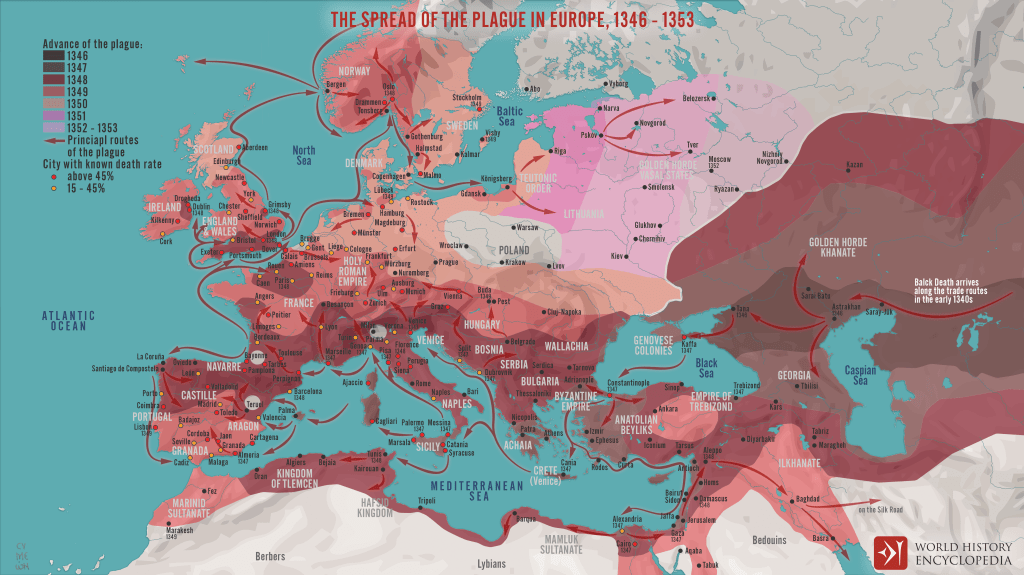
In the 15th century, the world was largely rural, with a global population estimated at around 350 million people. Population growth or decline was closely tied to the availability of arable land and the impact of epidemic diseases. the most densely populated regions of the world included Japan, Korea, Indonesia, Indochina, India, the Islamic West, Asia, Europe, and Mesoamerica. Despite these pockets of high population density, only about 1% of the global population resided in urban centers. The bubonic plague (c. 1347), a pandemic that knew no boundaries, significantly reduced populations in both Europe and China.
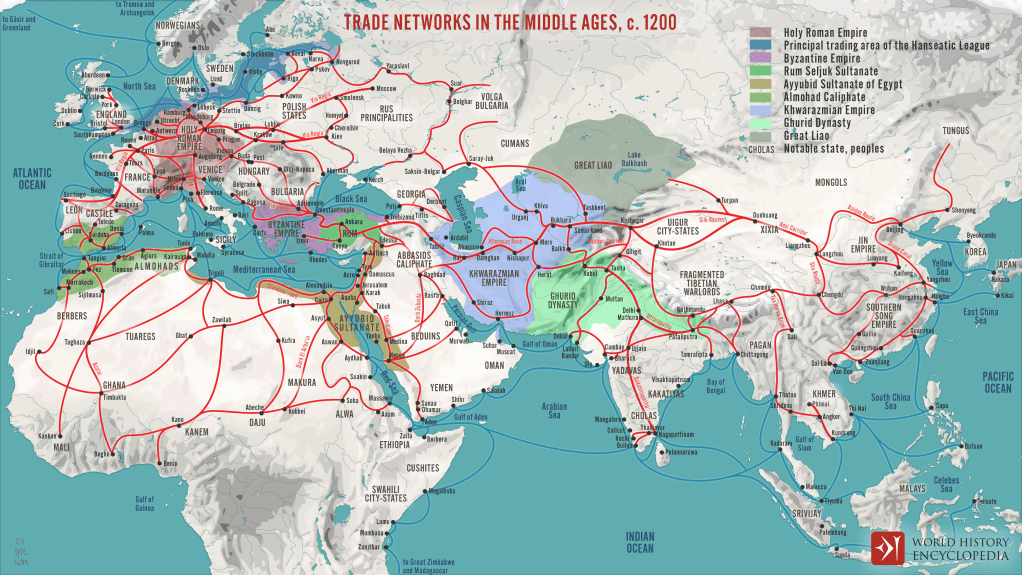
Trade routes during this period linked Africa, Asia, and Europe, forming a polycentric trading system. The Americas, however, were excluded from these networks at the time. Within this system, the Indian Ocean served as the central hub for global exchanges of goods, ideas, and technology. This region brought together China, India, and the Islamic Near and Middle East in a dynamic economic crossroads. Europe, on the other hand, held a peripheral role in this trading system—a position that would soon shift dramatically with its maritime ventures into the Indian Ocean and, later, the conquest and integration of the Americas into the emerging global economy.
SONG CHINA
Explore interactive Qinmng Scroll
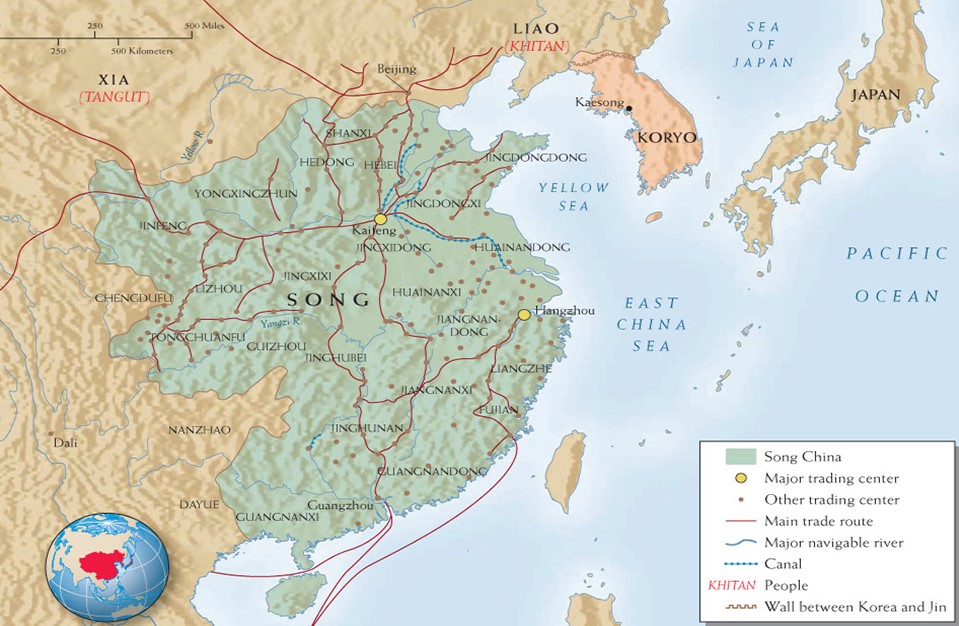
During the Song Dynasty (960–1279), China underwent significant economic, intellectual, and social transformations. The introduction of Champa rice, an early-ripening and drought-resistant strain imported from the southeast coast of Vietnam, revolutionized agricultural production. This innovation allowed for multiple harvests per year, leading to a dramatic rise in agricultural output and a subsequent population boom. China’s population grew from 53 million in the 8th century to approximately 100 million by the mid-13th century.
The agricultural surplus also spurred urbanization, making China one of the most urbanized regions in the world at the time. Additionally, maritime trade became a key economic driver under the Song, contributing to nearly one-fifth of China’s total cash revenue by the mid-12th century. This period of prosperity positioned China as a global leader in innovation and commerce during the Middle Ages.
From 1215 to 1368, China came under the rule of the Mongols, who established the Yuan Empire. The Yuan reached its height under Khubilai Khan (r. 1260–1294). Under Mongol rule, trade routes, particularly those crossing the steppes of Asia, were heavily protected, fostering a safe environment for the exchange of goods, scientific knowledge, and cultural ideas between China and other regions of Eurasia. This period of connectivity, facilitated by the Pax Mongolica, linked China more closely with the broader world.
With the collapse of the Yuan Dynasty and the rise of the Ming Dynasty (1368–1644), China embarked on a renewed era of cultural and economic flourishing. Under the reign of Zhu Di (r. 1403–1424), known as the Yongle Emperor, the empire ascended to new heights in maritime commerce and exploration. Yongle initiated a series of ambitious naval expeditions, led by the legendary admiral Zheng He.
Zheng He’s Treasure Fleet was the largest and most advanced naval force of its time. Consisting of nearly 300 ships and a crew of around 27,000, the fleet undertook a series of voyages between 1405 and 1433 that expanded China’s influence across vast distances. These expeditions reached as far as Mozambique, the Persian Gulf, and numerous ports throughout the Indian Ocean, solidifying China’s prominence on the global stage. Although plans to circumnavigate Africa were considered, this achievement was never realized as later Ming rulers turned their attention inward, shifting away from naval exploration. Despite this change in priorities, Zheng He’s voyages stand as a remarkable chapter in history, showcasing an era of Chinese maritime dominance and international engagement.
THE OTTOMAN EMPIRE
While the Islamic world was initially dominated by Arab-led caliphates, such as the Umayyads and Abbasids, the decline of the Abbasid Caliphate marked a shift in leadership to Turkish powers. Among the earliest and most influential of these Turkish states were the Seljuk Turks, who established a vast and formidable empire. However, the decline of the Seljuks created an opening for the rise of the Ottoman Turks.
By 1400, the Ottoman Turks had extended their influence across Anatolia and into Byzantine territories. This expansion reached its zenith in 1453, when Sultan Mehmed II (r. 1451–1481), famously known as “The Conqueror,” captured Constantinople. This pivotal event marked the end of the Byzantine Empire. The city was renamed Istanbul and transformed into the thriving capital of the Ottoman Empire.
The Ottomans distinguished themselves as one of the world’s foremost gunpowder empires, mastering the use of cannon technology, which played a decisive role in their military triumphs. Over the centuries, they built a vast and enduring empire that rivaled European powers in strength and influence. The Ottoman Empire persisted for nearly 600 years, until its official dissolution at the end of World War I.
EUROPE
By the 13th century, Europe was undergoing an economic revival that would ultimately lay the foundation for its expansion into the Atlantic world. As noted, this revival was partly fueled by the Crusades (c. 1095–1291), which reintroduced Eastern and Indian goods—such as spices, silks, and other luxury items—into European markets, reigniting demand for foreign trade.
Several key factors drove this revival. Advances in agriculture, such as the adoption of the three-field system and improved plow technology, significantly boosted food production, supporting population growth and urbanization. Political stability, fostered by the medieval Church and strengthened by the efforts of secular rulers, created a secure environment for economic development. Additionally, Europe’s reconnection to international trade routes, particularly those linking to the Levant, further integrated the continent into the global trading network.
Despite these advancements, Europe’s economic position remained comparatively weaker than that of regions like India and China, which produced goods highly coveted in global trade. Lacking equally desirable exports, European powers faced the challenge of acquiring resources through alternative means. This imperative to obtain wealth and resources became a driving force behind conquest, colonization, and the creation of merchant empires. It ultimately spurred the Age of Exploration, Europe’s expansion into the Atlantic, and the profound transformation of the global economy.
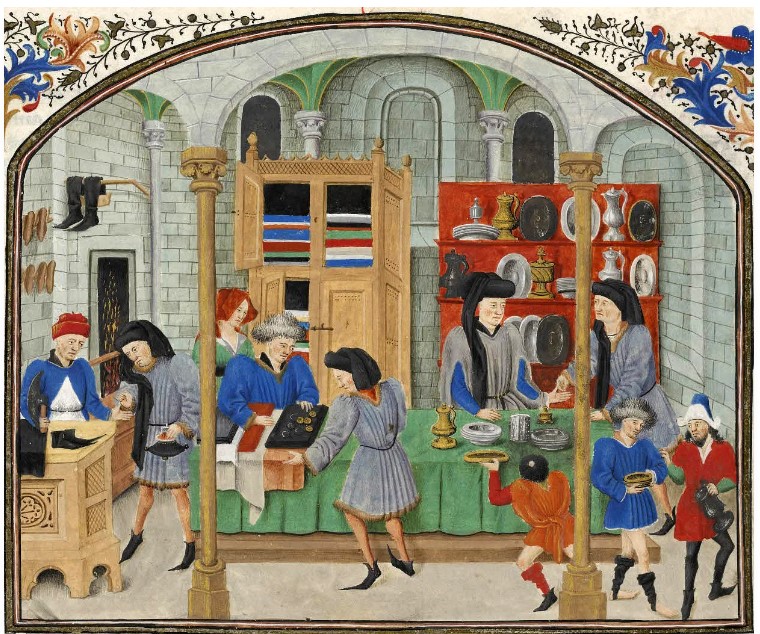
The centralization of Europe’s emerging states came with significant costs, much of which was tied to the growing demands of warfare. The Military Revolution—a period of transformative innovations in military technology and strategy—greatly amplified these financial pressures, reshaping the dynamics of state power. Key advancements in the military revolution included:
- Mass production of bronze artillery in the late 15th century, which shifted warfare from being labor-intensive to capital-intensive. This allowed states to deploy powerful cannons, revolutionizing both siege warfare and naval battles.
- Sailing vessels capable of long-distance voyages and equipped with lethal broadsides, which extended military engagements to a global scale and supported overseas empire-building.
- Artillery fortresses, perfected in the 1520s and spreading from Italy to the rest of Europe and its colonies. These fortifications required immense resources to construct and defend against, further raising the costs of military operations.
- Volley fire and infantry drill, pioneered by the Dutch Army in the 1590s, which standardized battlefield tactics and enhanced the effectiveness of standing armies.
These innovations drastically increased the financial burden of warfare, creating what many historians describe as a symbiotic relationship between military sustainment and economic expansion. To fund these costly advancements and the wars they enabled, states turned to conquest, colonization, and the exploitation of global trade networks. This cycle—military innovation driving conquest, which in turn fueled resource acquisition—became a central force behind the creation of early modern empires. By securing access to profitable resources, these empires established the merchant networks that would come to dominate the Atlantic world.
AN INTELLECTUAL REVOLUTION
Europe experienced an “intellectual revolution” that profoundly shaped its movement toward overseas exploration and the development of a more secular worldview. A major catalyst for this transformation was the influx of Arabic and Greek works on science, medicine, geography, mathematics, philosophy, and astronomy, many of which entered Europe through Spain. This body of knowledge challenged traditional modes of thought, fostering a growing reliance on human reason and empirical observation.
This intellectual transformation gained momentum with the Renaissance, a cultural and educational movement that originated in Italy and spanned roughly from 1350 to 1650 C.E. In contrast to the medieval emphasis on God and a contemplative life, the Renaissance celebrated humankind and active participation in society. At its core was the Studia Humanitatis, a curriculum resembling modern liberal arts education, which included grammar, rhetoric, history, poetry, and moral philosophy. These studies aimed to prepare individuals for a life of civic engagement rather than one focused solely on religious devotion.
The Renaissance focus on human potential, innovation, and the rediscovery of classical knowledge ignited a spirit of curiosity and exploration. This new mindset laid the groundwork for technological and intellectual advancements, driving progress in navigation, cartography, and shipbuilding. A more secular and practical approach to understanding the world emerged, enabling Europeans to look beyond their borders and embark on transoceanic ventures. It was this Renaissance spirit, combined with Europe’s concurrent economic and military transformations, that ultimately propelled the Age of Exploration and the establishment of European overseas empires.
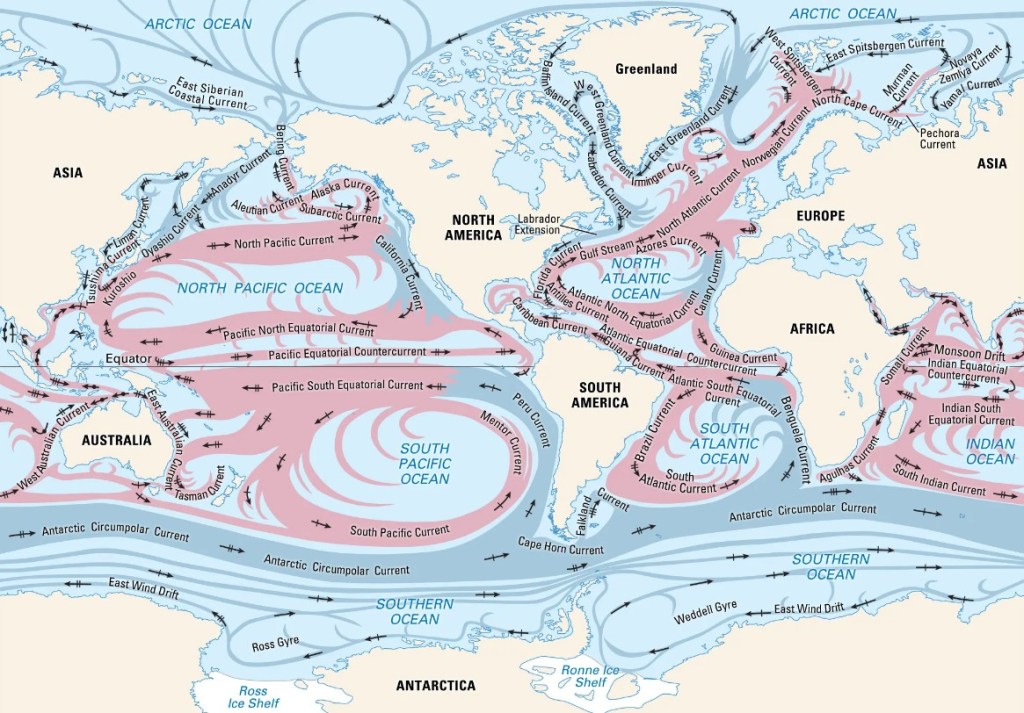
One of the greatest challenges faced by early mariners was understanding and navigating the complex patterns of ocean currents and wind systems. In the Atlantic, major currents posed significant obstacles for both outbound and return voyages. For instance, the Canary Current flows southward along the western coast of Africa, while the Gulf Stream moves northward along the eastern coast of North America. These powerful and largely unidirectional currents could make reaching distant destinations—and returning to the point of origin—immensely difficult.
To overcome these challenges, mariners developed innovative techniques in navigation and seamanship, blending empirical observation with trial and error. Charting the behavior of ocean currents became essential for planning successful voyages, especially as European explorers pushed further into uncharted waters during the Age of Exploration. The mastery of Atlantic currents, such as utilizing the clockwise rotation of the North Atlantic Gyre, along with an understanding of trade winds, ultimately revolutionized transoceanic travel and commerce, laying the foundation for global exploration and economic exchange.
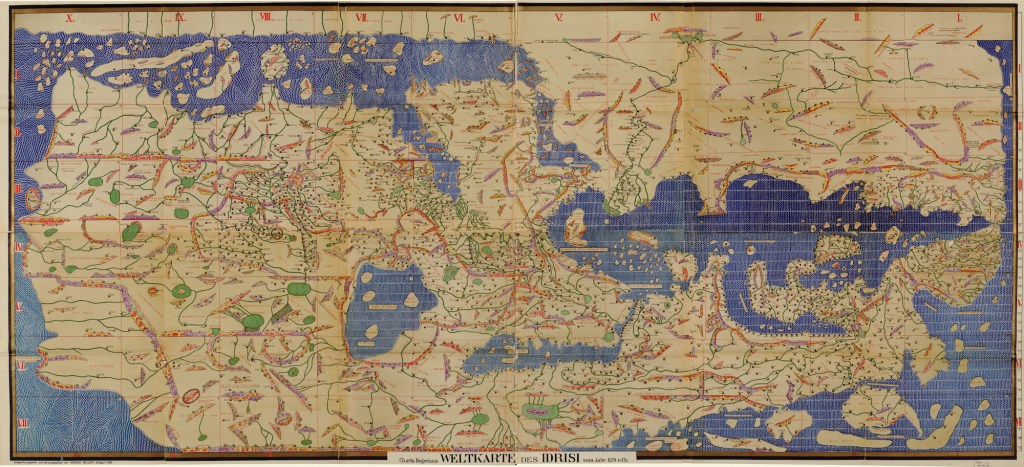
Voyages recorded by contemporaries, such as the Muslim geographer al-Idrisi (c. 1099–1166), underscore the significant challenges faced by early mariners. The Atlantic Ocean, with its unpredictable winds and powerful unidirectional currents, posed formidable obstacles to exploration and trade. Yet, by the late 13th century, economic pressures—particularly those related to the grain trade—played a pivotal role in spurring European ventures into these treacherous waters. The economic revival of Mediterranean cities fueled population growth and intensified demand for resources, especially grain. As Europe’s existing supplies came under strain, explorers turned their attention to potential new sources beyond the continent.
The first documented accidental contact with the Atlantic islands occurred in 1312, when Genoese merchant Lanzarotto Malocello, en route to northern Europe, was blown off course and landed on the Canary Islands. This unplanned encounter ignited European interest in the archipelago, marking the start of its gradual integration into the emerging Atlantic world. These early expeditions, motivated by economic necessity and shaped by the complexities of Atlantic navigation, laid the foundation for further exploration, trade, and the eventual colonization of the region. The Canary Islands, in particular, became a stepping stone for subsequent Atlantic ventures, signaling the growing interplay between Europe’s economic ambitions and its mastery of maritime challenges.
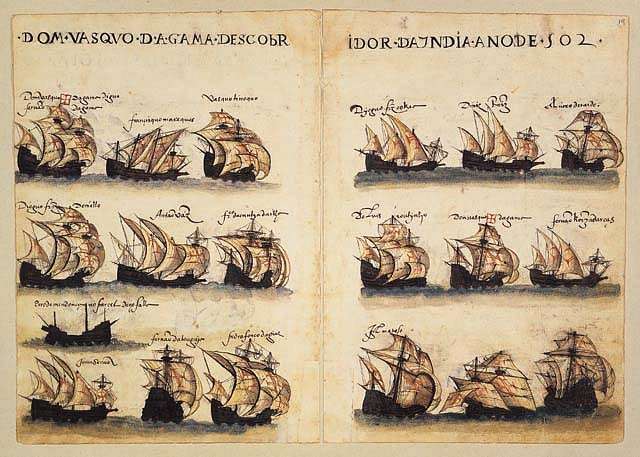
The exploration of the Atlantic was greatly advanced by innovations in maritime knowledge and ship technology. A key figure in this transformation was Prince Henry the Navigator (1394–1460) of Portugal, whose vision and leadership were instrumental in promoting exploration. Prince Henry established a maritime academy at Sagres Point in the Algarve, where sailors, cartographers, and scholars convened to study geography, navigation, and mapmaking. This academy became a center for the exchange and refinement of maritime knowledge, driving advancements in shipbuilding and navigation techniques that would prove essential for Atlantic exploration.
One of the most significant innovations of this period was the development and refinement of the caravel, a versatile and highly maneuverable ship. Equipped with lateen sails for better windward performance and a sturdy hull capable of withstanding open ocean conditions, the caravel enabled sailors to traverse the challenging waters of the Atlantic and explore previously inaccessible coastlines. Prince Henry’s institutional support, combined with these technological advancements, positioned Portugal as a leader in early maritime exploration. This foundation led to the discovery of new trade routes, the exploration of Africa’s coastline, and the eventual expansion of European influence across the Atlantic and beyond.
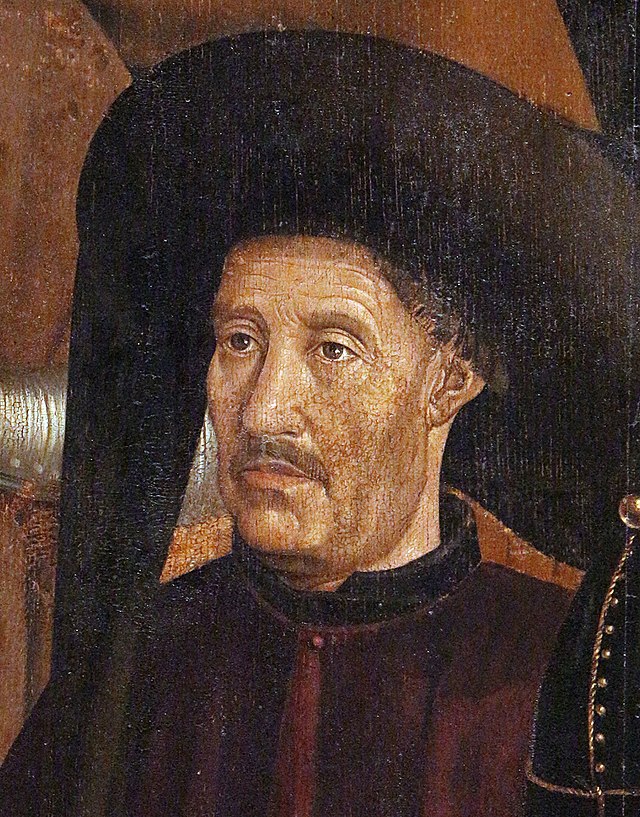
By this time, navigational tools such as portolan maps, the astrolabe, and the quadrant were revolutionizing maritime exploration. These instruments improved the accuracy of navigation, enabling sailors to determine their positions more effectively while at sea. A significant milestone came in 1480 with the publication of Europe’s first navigation manual, Regimento do astrolabio e do quadrante. This guide provided detailed instructions on the use of the astrolabe and quadrant, standardizing navigational practices and further advancing the capabilities of early explorers.
Ship technology also underwent transformative changes during this period, blending northern European and Arab innovations. The sturdy northern cog, a reliable cargo vessel, was adapted by incorporating features from Arab sail technology, most notably the lateen sail. This hybrid design combined square sails for speed with lateen sails for enhanced maneuverability, creating versatile ships capable of long oceanic voyages. These innovations culminated in the development of the caravel, a durable and highly maneuverable vessel that became essential to European exploration efforts.
Together, advancements in navigation and shipbuilding laid the technological foundation for the Age of Exploration. By enabling more precise navigation and facilitating transoceanic travel, these innovations allowed European powers to expand their reach into the Atlantic and beyond, ushering in a new era of global exploration and exchange.
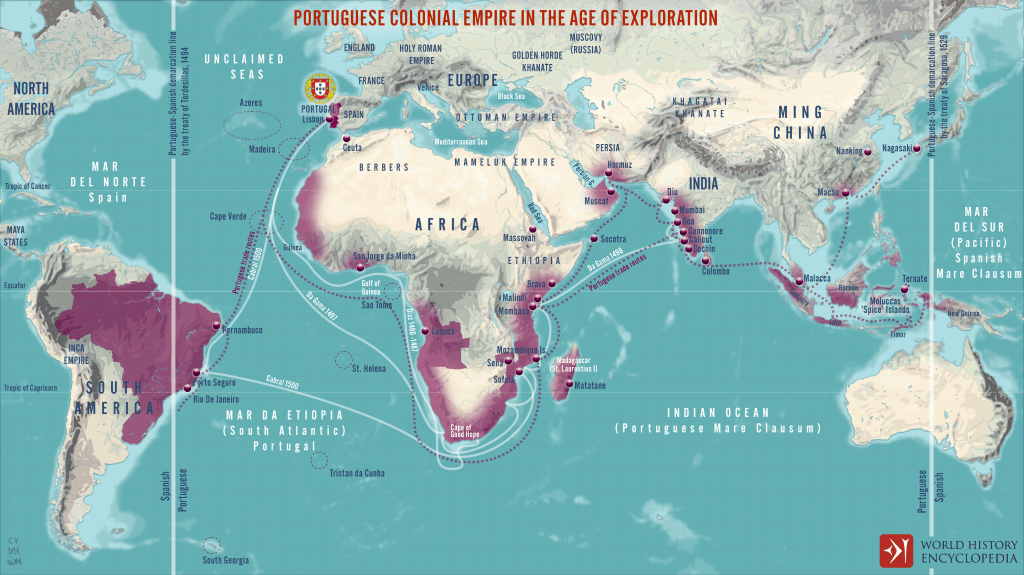
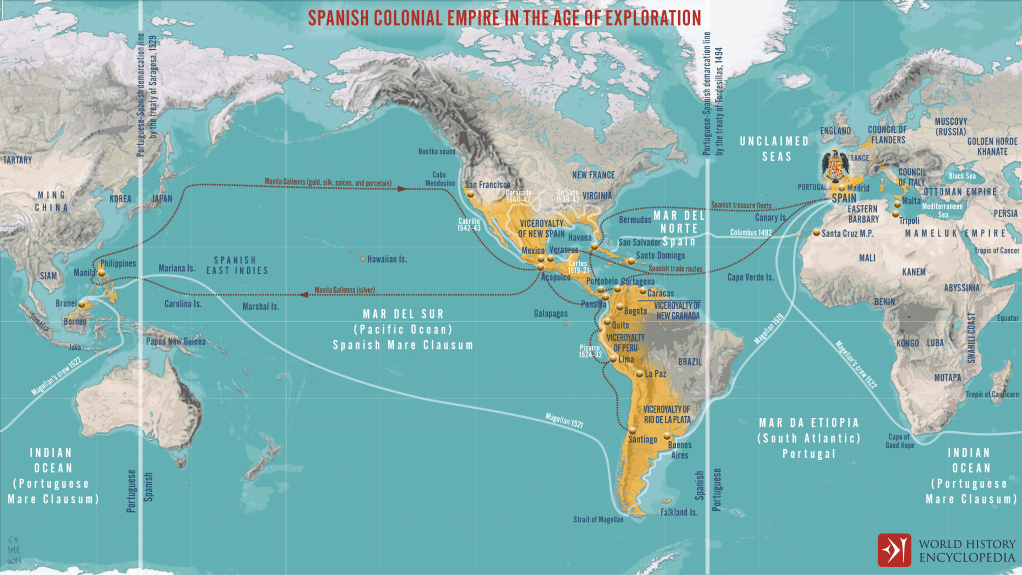
Driven by advancements in maritime knowledge and technology, as well as the pursuit of resources, Europeans launched two primary wings of exploration during the early Age of Exploration. The first wing extended southward along the coast of Africa. This route became feasible as mariners mastered the winds and currents around the Canary Islands, enabling safer and more reliable navigation. Over time, this southward exploration culminated in the rounding of the Cape of Good Hope, granting Europeans access to the Indian Ocean and establishing direct trade routes with Asia’s lucrative markets.
The second wing of exploration pushed westward into the Atlantic. European sailors first reached and colonized the islands of Madeira and the Azores, transforming these remote archipelagos into vital outposts for further ventures. This westward momentum eventually culminated in Christopher Columbus’s landmark voyage of 1492, which brought Europeans to the Caribbean and opened the door to the Americas.
These two wings of exploration not only marked the dawn of the Age of Exploration but also reshaped global interactions. By forging connections with distant lands, they laid the foundation for an interconnected world system, characterized by the exchange of goods, ideas, and cultures on a scale previously unimaginable.
I would like to continue our discussion by having you read and contemplate this quote by John Thorton:
In the Atlantic, disenclavement meant much more than it did elsewhere in the world; it was not just increased communication but a reshaping of whole societies and the literal creation of a “New World.” Moreover, it was a reshaping that involved Africa quite directly, for by 1650 in any case, Africans were the majority of new settlers in the new Atlantic world.
Africa has historically served as a conduit for trade, connecting various regions through vast networks of exchange. In ancient times, the Kingdom of Meroë and the Kingdom of Axum dominated trade in eastern Africa, controlling vital routes that linked the interior of the continent to the Red Sea and beyond. However, by the Middle Ages, the focus of African trade shifted westward to sub-Saharan Africa. Between the 12th and 16th centuries, three principal features emerged that profoundly influenced the development of the continent.
The spread of Islam played a transformative role in shaping the cultural, political, and economic landscape of sub-Saharan Africa. Beginning in the 7th century, Islam gradually expanded into North Africa and, by the 8th century, crossed the Sahara via established trade routes. By the 12th century, Islam had become a dominant force in regions such as West Africa, introduced through a combination of peaceful trade, missionary activity, and political alliances. Islam brought not only a new religious framework but also a unifying system of law, education, and administration, which facilitated the development of centralized states. Cities like Timbuktu and Gao in the Mali and Songhai empires emerged as centers of Islamic learning, attracting scholars, merchants, and travelers from across the Islamic world.
The growth of Islam fostered deeper trade connections between sub-Saharan Africa and the wider Islamic world, linking African markets to a global network of commerce. The trans-Saharan trade routes became vital arteries of exchange, carrying gold, salt, ivory, and enslaved people from Africa to North Africa and the Mediterranean, while returning goods such as textiles, glassware, and spices. The demand for African gold was especially significant, with sub-Saharan Africa supplying much of the gold that fueled Mediterranean and Islamic economies during this period. The expansion of trade not only brought wealth to African states but also facilitated cultural exchange, introducing Islamic art, architecture, and literacy into the region.
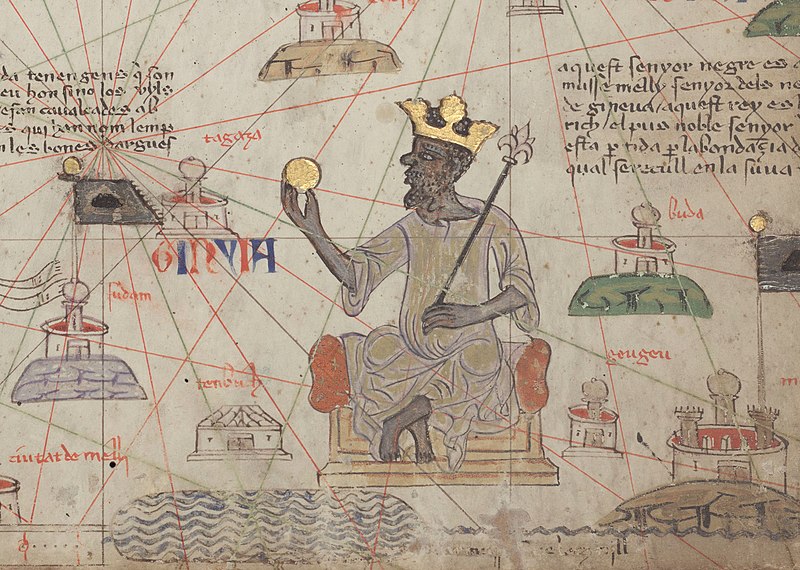
The expansion of trade and the influence of Islam enabled the rise of powerful trading kingdoms and empires across sub-Saharan Africa. States such as Ghana, Mali, and later Songhai capitalized on their strategic locations near trans-Saharan trade routes to dominate regional commerce. These empires controlled the trade of gold and salt, amassing wealth that supported vast armies, monumental architecture, and thriving urban centers. Mali, under the leadership of Mansa Musa (r. 1312–1337), reached its zenith, with its ruler famously undertaking a lavish pilgrimage to Mecca that showcased the empire’s immense wealth. Songhai, which succeeded Mali, further expanded the region’s political and economic influence, establishing a vast empire with Timbuktu as a hub of trade, governance, and Islamic scholarship.
These three factors—the spread of Islam, the growth of trade relations, and the rise of trading empires—were deeply interconnected, each reinforcing the other. Together, they laid the foundation for a dynamic and prosperous period in African history, demonstrating the continent’s integration into the wider world through religion, trade, and politics.
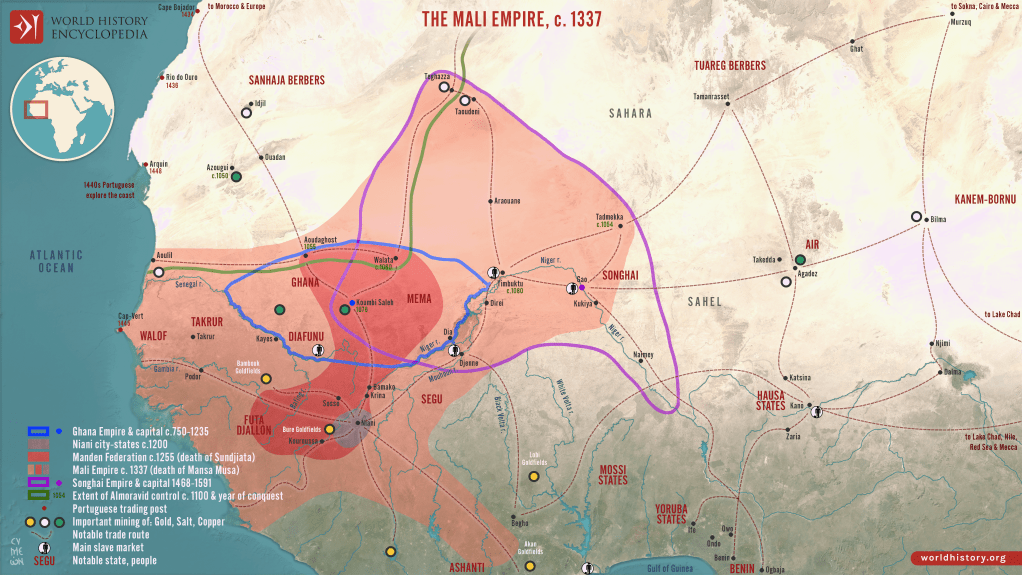
One of the most important and extensive trading empires to emerge in sub-Saharan Africa was the Mali Empire (c. 1235–1600), following in the footsteps of its predecessor, the Kingdom of Ghana, and paving the way for the Songhai Empire. Mali’s strategic location allowed it to dominate the trans-Saharan trade routes, which connected the gold-rich regions of West Africa with the Mediterranean world and the broader Islamic trading network.
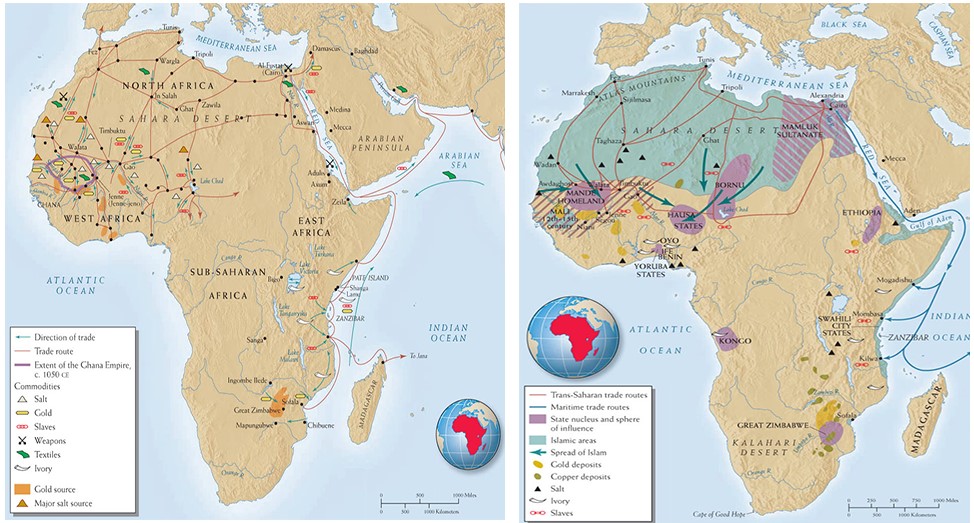
The trans-Saharan trade routes were vital to the economic power of Mali and other empires in the region. Gold and enslaved people were the primary commodities exchanged, with Mali controlling vast reserves of gold, particularly from the Bambuk and Bure goldfields. Gold from Mali supplied much of the precious metal used in Mediterranean and Islamic economies during the Middle Ages, making it a cornerstone of wealth and international trade. Enslaved individuals were also a key commodity, often transported northward to serve in domestic, military, or administrative roles in North Africa and the Islamic world. In return, merchants brought salt—essential for preserving food and maintaining health—as well as textiles, horses, and luxury goods such as silks and glassware.
Mali’s wealth was further bolstered by its ability to control and tax trade along these routes, creating one of the wealthiest empires of its time. Its capital, Niani, became a thriving hub of commerce, and cities like Timbuktu and Gao rose to prominence as key trading posts and centers of Islamic learning. Timbuktu, in particular, became renowned for its intellectual life, hosting scholars, schools, and libraries that drew visitors from across the Islamic world.
Perhaps the most famous ruler of Mali, Mansa Musa (r. 1312–1337), showcased the empire’s immense wealth and influence through his legendary pilgrimage to Mecca. This journey not only demonstrated Mali’s integration into the Islamic world but also brought international attention to the empire’s prosperity. Along the way, Mansa Musa distributed so much gold that he reportedly caused inflation in regions such as Cairo, underscoring the vast economic power of Mali.
The Mali Empire was part of a broader legacy of trading states in West Africa. It succeeded the Kingdom of Ghana (c. 300–1200), which had initially established control over the trans-Saharan trade routes and laid the foundation for West Africa’s gold trade. Following Mali’s decline, the Songhai Empire (c. 1430–1591) rose to prominence, expanding its territory and influence under leaders like Sunni Ali and Askia Muhammad. Songhai continued the traditions of trade and Islamic scholarship established by its predecessors, cementing the region’s role in global commerce and cultural exchange.
The Mali Empire, along with Ghana and Songhai, exemplifies the transformative power of trade in shaping the political, economic, and cultural history of sub-Saharan Africa. By capitalizing on their strategic position within the trans-Saharan trade network, these empires not only amassed immense wealth but also fostered intellectual and cultural achievements that left a lasting legacy on the region and the wider world.
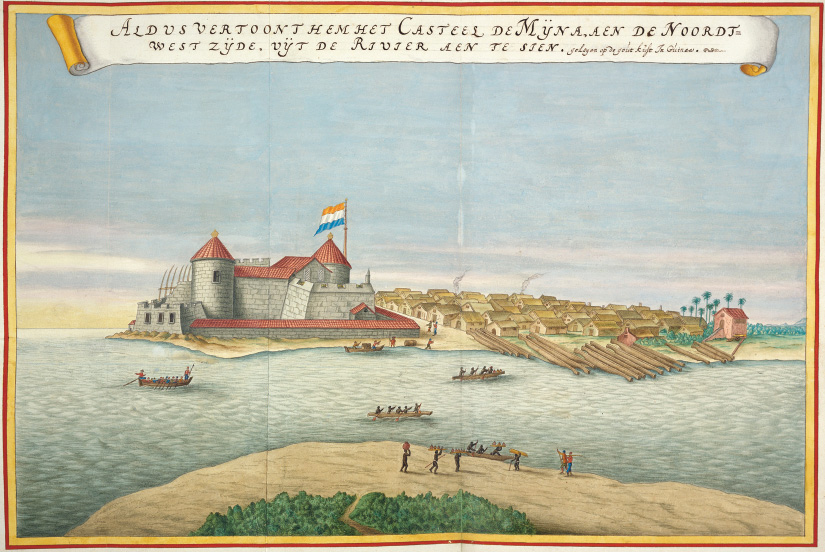
Between 1340 and 1470, European expansion along the African coast proceeded gradually, spearheaded by the Portuguese. Naval encounters between the Portuguese and African forces shaped the nature of their interactions, determining that trade, rather than conquest or colonization, would define their relationship in this region. Two key expeditions illustrate this dynamic: the 1441 voyage of Antão Gonçalves and Nuno Tristão to the island of Gorée and the 1446 expedition of Tristão into the Senegambia region. Both attempts to establish armed dominance ended in failure, as Portuguese forces were decisively defeated by well-organized African naval defenses.
These defeats demonstrated the limitations of Portuguese military power in the region and prompted a shift in strategy. Rather than attempting outright conquest, the Portuguese turned to establishing fortified trading posts, or feitorias, along the West African coast. These trading forts allowed them to engage in commerce with local African states, exchanging European goods such as textiles, weapons, and metalware for gold, ivory, and enslaved people. The model of feitorias proved successful and enduring, not only in Africa but later in the early phases of Portuguese expansion into coastal Brazil, where similar trading forts were employed.
This trade-first approach fostered a network of economic and cultural exchanges rather than direct colonization. It also underscored the agency of African states in shaping the nature of their interactions with European powers. The establishment of trading forts reflected the Portuguese adaptation to local resistance and highlighted the region’s strategic importance in the early stages of European global expansion.
THE PLANTATION COMPLEX
The early history of the plantation complex, defined as an “economic and political order centering on slave plantations,” offers crucial insights into the systems that would come to dominate the Caribbean, Brazil, and parts of North America. Its origins can be traced to the Middle Ages, when the fledgling sugarcane industry began to establish the precedent for the plantation economies later seen in the Americas.
Sugarcane, introduced to the Mediterranean world by Muslim merchants from Southeast Asia, transformed agriculture in the region. Early attempts to cultivate sugarcane were made in Palestine during the 12th century and later spread to Cyprus and Malaga by the 14th century. These efforts were labor-intensive, often relying on enslaved or coerced workers, foreshadowing the exploitative systems that would define plantation economies in the Atlantic world. However, it was in the Atlantic islands—such as Madeira, the Canary Islands, and São Tomé—that sugarcane cultivation reached new heights before being exported to the Americas.
In the 15th century, the Portuguese introduced sugarcane to Madeira, where the island’s fertile volcanic soil and subtropical climate proved ideal for its cultivation. Madeira became a model for the plantation system, with large-scale estates producing sugar for export to European markets. The labor for these plantations was supplied by enslaved Africans, marking the integration of African slavery into the sugar economy. This system expanded to other Atlantic islands, including the Canary Islands, controlled by Spain, and São Tomé, off the coast of West Africa. These islands became laboratories for the plantation complex, refining the techniques of sugar cultivation, processing, and labor management that would later be transferred to the Americas.
The plantation complex, with its reliance on enslaved labor, monoculture, and export-driven economies, emerged as a defining feature of early modern global trade. Its roots in the Middle Ages and subsequent development in the Atlantic islands provided a template for the systems of exploitation and profit that would dominate the colonial economies of the Americas. By the time sugarcane reached the New World, the foundations of the plantation system were already firmly established, ensuring its rapid and devastating growth across the Caribbean, Brazil, and beyond.
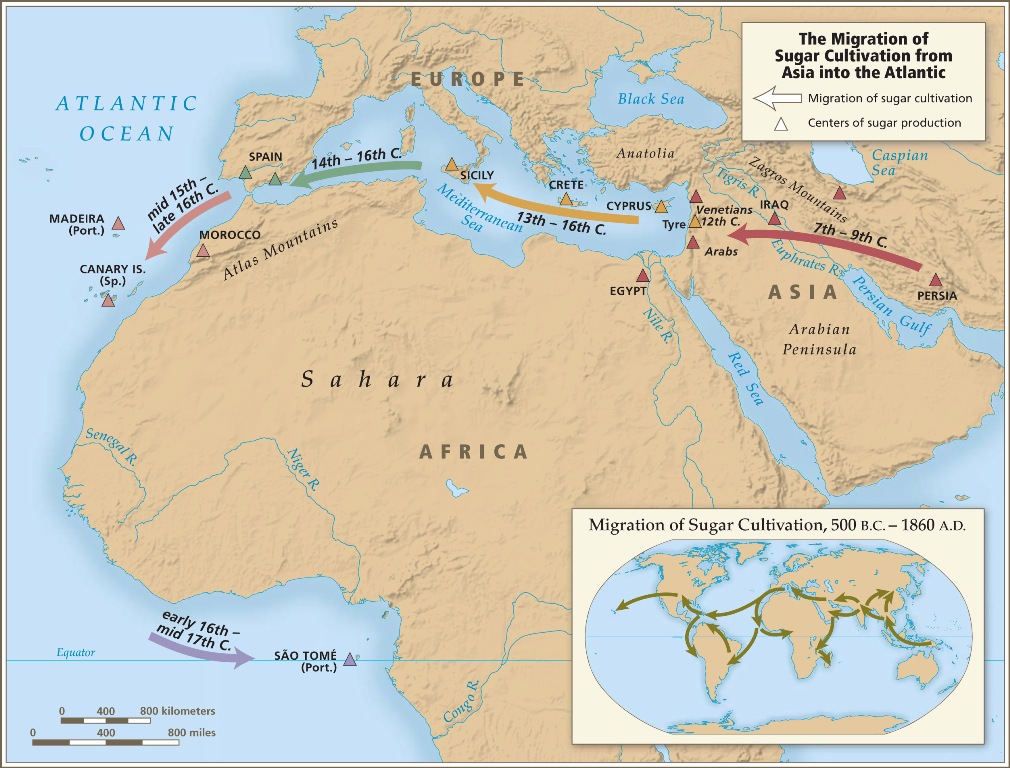
The first recorded contact with Madeira and the Azores occurred in 1341 through a Portuguese-led expedition. Initially, these Atlantic islands seemed to offer little promise of economic value beyond their tall hardwood forests, which were harvested for shipbuilding. Early settlers focused on resource extraction, gathering wood, wax, honey, and wild dyestuffs. However, the islands soon proved more valuable than initially thought, as the successful cultivation of wheat encouraged further colonization and permanent settlements.
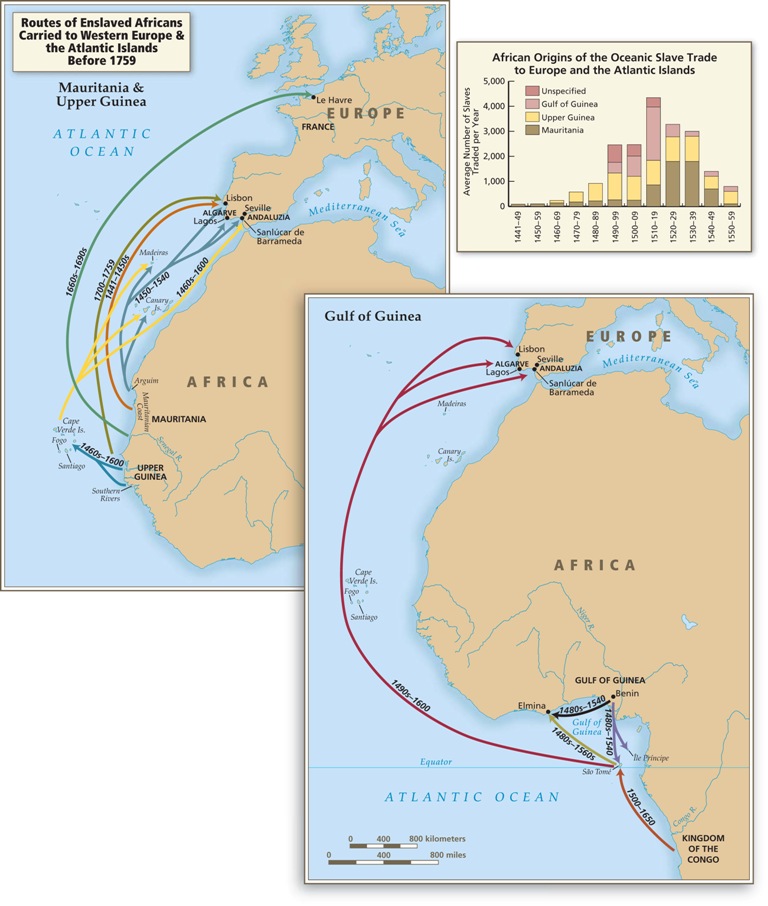
By the 1450s, Madeira’s fertile soil and favorable climate made it an ideal location for sugarcane cultivation. Recognizing the profitability of this labor-intensive crop, the Portuguese developed plantations that became a prototype for the union of sugarcane production and enslaved African labor. Portugal, a small state with a limited population, lacked the labor necessary to sustain large-scale sugarcane farming. To solve this problem, they turned to their trading forts along the West African coast, which provided a steady supply of enslaved Africans.
The island of São Tomé, located off the coast of West Africa, became a critical testing ground for this plantation model. By 1516, 4,000 enslaved Africans had been brought to São Tomé to work on sugar plantations. By 1550, this number had risen dramatically, with an estimated 50,000 enslaved Africans laboring on the island. São Tomé’s success in combining sugar cultivation with enslaved labor refined the plantation system, creating a model that would later be exported to the Americas.
This early integration of land, labor, and capital on the Atlantic islands laid the foundation for the plantation complex, an economic and political system that would dominate the sugar economies of the Caribbean and Brazil. The use of enslaved Africans on these islands not only foreshadowed the transatlantic slave trade but also set the stage for the expansion of this exploitative system across the Atlantic world.
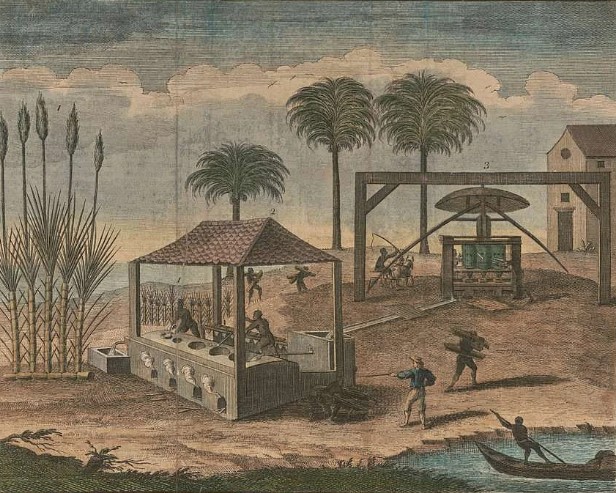
The Portuguese were able to tap into the existing African slave markets to secure the labor necessary for sugar planting and production in the Atlantic Islands. This decision not only intensified the demand for enslaved labor but also exacerbated the existing African slave trade, fundamentally reshaping its scale and scope. Historian John Thornton observes, “Slaves from central Africa were so numerous that they soon exceeded the capacity of São Tomé and the Mina trade to absorb them, and so they began the long journey to European markets.” The volume of enslaved Africans flowing into Portuguese-controlled territories overwhelmed local demand, setting the stage for the expansion of the transatlantic slave trade.
With the establishment of the plantation complex in Brazil and the Caribbean, the economic demand for enslaved African labor escalated dramatically. Sugar plantations, particularly in Brazil during the 16th century, became central to the global economy, creating an insatiable need for labor to sustain high levels of production. This new demand connected African slave markets to a transatlantic system, where millions of enslaved people were forcibly transported across the ocean to work on plantations.
The plantation complex in the Americas created a cyclical dynamic: as the European appetite for sugar grew, so too did the reliance on African labor, driving further expansion of the slave trade. The Atlantic Islands, particularly São Tomé, served as an early testing ground for this exploitative system, with its methods of sugar cultivation and labor exploitation later transferred to the vast plantations of the New World. What began as a localized trade along the West African coast evolved into one of history’s largest forced migrations, reshaping economies and societies across Africa, Europe, and the Americas.
IN CLOSING
By 1492, Europe had gone through some major political, economic, and intellectual transformations. These transformations Europe’s transformations during this period placed it in a position to take the initiative in expanding into the Atlantic and creating merchant empires. These transformations were multidimensional, encompassing political, economic, and intellectual shifts that collectively set the stage for exploration, conquest, and the establishment of global trade networks.
- Politically, Europe witnessed the rise of centralized sovereign states. Rulers of these states, seeking to enhance their power and wealth, actively encouraged exploration and the search for resources. These leaders laid the foundation for the creation of merchant empires, which combined political authority with economic enterprise to expand their influence across the globe.
- Economically, Europe underwent a commercial revolution that fundamentally transformed its monetary systems. The increasing importance of trade, banking, and market networks monetized European economies, creating an environment where the search for markets and resources became crucial to sustaining economic growth. This economic dynamism was a key driver of overseas expansion.
- Intellectually, Europe benefited from its inheritance of Greek and Arabic knowledge, particularly in fields such as astronomy, geography, and mathematics. This legacy encouraged a spirit of observation, experimentation, and inquiry, forming the basis for scientific thought and technological innovation. Advances in navigation, shipbuilding, and cartography—fueled by this intellectual tradition—provided the tools necessary for successful exploration.
As previously noted, these transformations contributed to the integration of the “entire world” into a single network of exchange, creating what historians describe as the first true world system. Economic networks now spanned continents, linking Europe, Africa, the Americas, and Asia. However, the push for conquest and colonization, coupled with the exploitation of labor, came at a devastating cost. Entire regions experienced catastrophic demographic collapse, particularly in the Americas, where indigenous populations were decimated by violence, enslavement, and the introduction of Old World diseases.
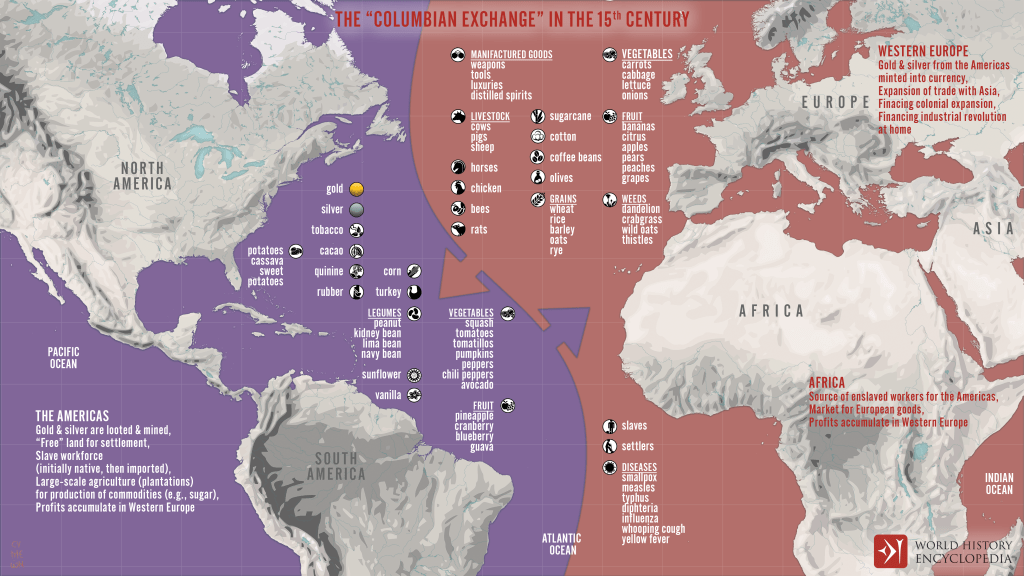
The consequences of this demographic collapse and its far-reaching implications will be explored further in History 141: History of Modern Civilizations. This transformation marked a critical turning point in global history, reshaping societies and economies on an unprecedented scale.
As always, be sure to contact me or visit me during office hours should you have any questions about the content we have covered or the assignments that you need to complete.
 World History Portal