THE MESOAMERICAN WORLD
| LEARNING OBJECTIVES *Define Mesoamerica, identify its geographical boundaries and explain the key cultural, agricultural, and technological achievements of Mesoamerican civilizations. *Identify major Mesoamerican civilizations (e.g., Olmec, Maya, Teotihuacan, Mexica/Aztec) and their contributions. *Evaluate the sources used to reconstruct Mesoamerican history, including codices and colonial accounts. Oxford Reference Timeline: Mesoamerican Civilization |
WHAT IS MESOAMERICA?
Mesoamerica refers to a historically and culturally rich region spanning from central Mexico through much of Central America, encompassing present-day Belize, Guatemala, El Salvador, Honduras, Nicaragua, and Costa Rica. The term was first introduced by historian Paul Kirchhoff, who defined it as a cultural zone marked by immense linguistic diversity. Its indigenous peoples spoke up to sixty different languages but were bound together by a shared history and distinctive traditions.
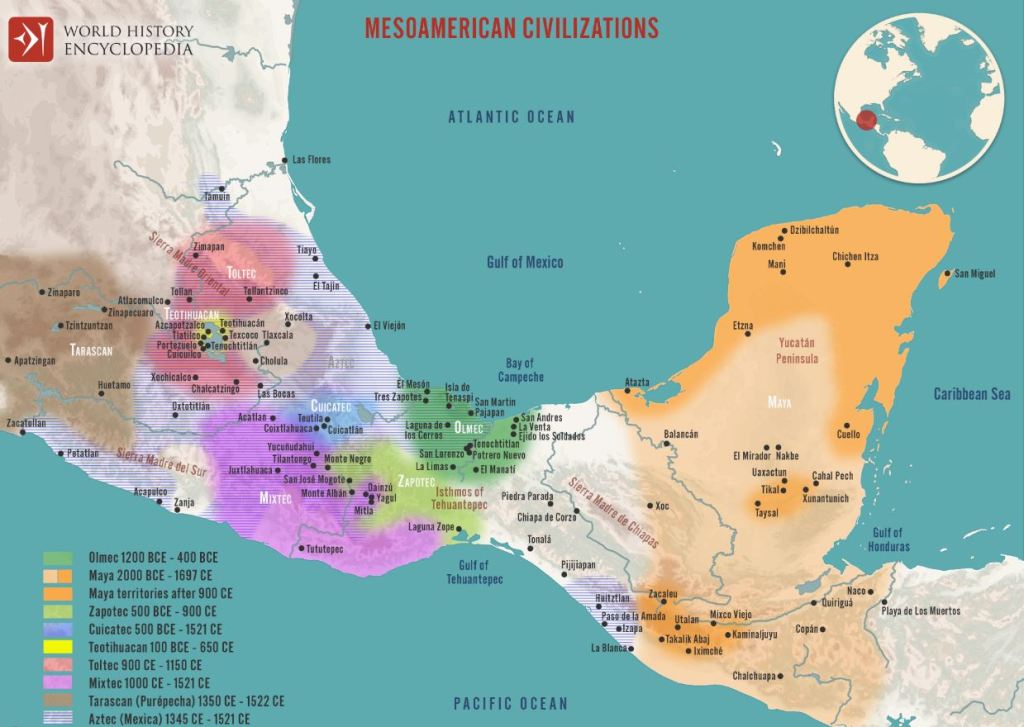
One of Mesoamerica’s most remarkable achievements was the development of sophisticated writing systems, incorporating both glottographic (phonetic) and semasiographic (symbol-based) elements. Equally impressive were its calendar systems, particularly the 260-day ritual calendar (Tzolk’in) and the 365-day solar calendar (Haab’), which were highly precise—often surpassing those of other ancient civilizations.
Architecturally, Mesoamerican societies left a lasting legacy, evident in their stepped pyramids, elaborately stuccoed floors, and ballcourts used for both ceremonial and recreational purposes. However, perhaps the most influential contribution of Mesoamerica was its agricultural innovation. Staples like maize, beans, and squash formed the foundation of their diet, supplemented by cacao (the source of chocolate) and fermented beverages made from maguey. These crops not only sustained Mesoamerican civilizations but also became essential components of global cuisine, highlighting the enduring impact of Mesoamerican culture on the world today.
EARLY HUMAN PRESENCE IN MESOAMERICA (TO c. 3500 B.C.E.)
Recent DNA mapping suggests that human migration into Mesoamerica may have occurred as early as 15,000 B.C.E., a period when lifeways were predominantly shaped by hunting and foraging. During this time, humans lived in small, mobile communities known as bands, moving systematically across landscapes in search of plant and animal resources. These early societies are believed by anthropologists to have been largely egalitarian in structure, with shared responsibilities and access to resources.

Key archaeological sites that offer insights into human life during this period include Tequixquiac in the Valley of Mexico, Tlapacoya also in the Valley of Mexico, and Valsequillo in present-day Puebla. These sites provide valuable evidence about early human activities, environmental adaptations, and cultural practices in Mesoamerica. Artifacts recovered from these locations, such as tools and remnants of subsistence practices, contribute to understanding how these early inhabitants interacted with their environments and laid the foundation for subsequent societal developments, lifestyles, technologies, and adaptations of early inhabitants of Mesoamerica.
THE ARCHAIC/INCIPIENT PERIOD (c. 2600 B.C.E.)
The transition from nomadic to sedentary lifestyles during the Archaic/Incipient Period represents a pivotal moment in human history, particularly in Mesoamerica. As Paleo-Indian hunting and gathering bands began adopting horticulture, they gradually shifted toward more stable, sedentary lifeways, laying the groundwork for anthropogenic landscapes and concentrated village communities. Early agricultural practices included the domestication of staple crops such as maize, beans, squash, tomatoes, avocados, and chiles, with maize emerging as the cornerstone of Mesoamerican civilizations. This domestication process, often regarded as an early form of genetic engineering, involved the selective cultivation of plants with desirable traits over successive generations, significantly altering both the environment and human diets.
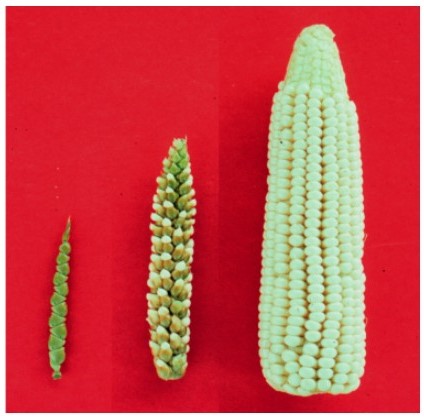
A key innovation of this period was nixtamalization, a process where dried maize kernels were soaked in an alkaline solution to release vital nutrients like niacin and amino acids. The term nixtamalization originates from the Nahuatl language, combining the words nextli (meaning “ashes”) and tamalli (meaning “unformed corn dough”). This etymology reflects the traditional process, where maize is soaked in an alkaline solution—commonly made from ashes or lime—to prepare it for grinding and consumption. This method not only softens the maize kernels but also enhances their nutritional value, making nixtamalization a cornerstone of Mesoamerican culinary and cultural practices. Read below for more details of this process.
| Nixtamalization is the process of boiling Zea mays L. (maize) kernels in an alkali solution. Nixtamalization, as it is known in Mesoamerica, is also called hominy production in the Eastern Woodlands. The traditional process creates an alkali solution using wood ash, burnt shell, lye, or a lime solution. Maize kernels are then boiled and steeped in the solution. Finally, the kernels are washed in clean water to remove the hulls. Removal of the hulls allows for the kernels to be ground into a wet dough, masa, that either can be stored or used fresh in the production of tortillas. The act of boiling maize kernels in an alkali solution changes the phenotypic and chemical structures, which are beneficial in terms of health and increase the storage capacity of the kernels. Nixtamalization enhances the availability of niacin and its precursors, including tryptophan, which decreases the risk of pellagra. – Archaeology of Food: An Encyclopedia |
While nixtamalization was critical to Mesoamerican nutrition and culture, its exact origins remain unclear and are a topic of ongoing historical inquiry.
Archaeological evidence from sites such as Guilá Naquitz Cave, Zohapilco, and Tehuacán in present-day Mexico sheds light on these transformative developments. Guilá Naquitz Cave is notable for its early evidence of squash domestication, while Zohapilco provides important context for the cultivation of maize. Tehuacán, a key site in understanding this period, offers extensive data on the gradual transition from foraging to farming. Collectively, these developments not only enabled the emergence of complex societies in Mesoamerica but also demonstrate the ingenuity of early humans in adapting to and transforming their environments for survival and societal advancement.
THE RISE OF CIVILIZATION (c. 2000 B.C.E-250 C.E.)
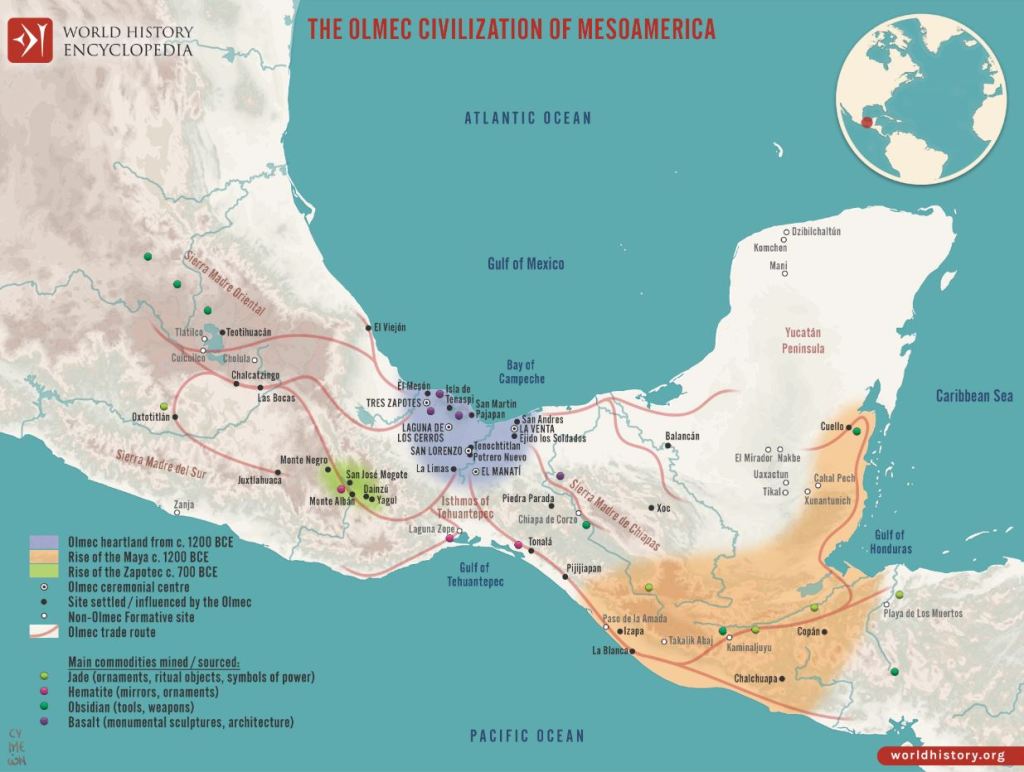
The transition toward socioeconomic and political organization, commonly referred to as civilization, began with agricultural intensification during the Preclassic/Formative period (c. 1200–300 B.C.E.). This shift allowed for the production of food surpluses, which supported larger populations and more complex societal structures. One of the earliest civilizations to emerge during this time was the Olmec (or Olmecatl), situated along the Gulf Coast of Mexico. The Olmec are often considered the “mother culture” of Mesoamerica due to their significant influence on subsequent civilizations.
Much of what is known about the Olmec comes from their enduring architectural and artistic achievements, including their iconic colossal stone heads, which are believed to represent individual rulers. These monumental sculptures, along with other artifacts, suggest that the Olmec political system was likely led by dynastic lineages. Although the precise structure of their state remains unclear, carved stone stelae indicate that rulers may have claimed divine authority to legitimize their governance, blending religion with political power.
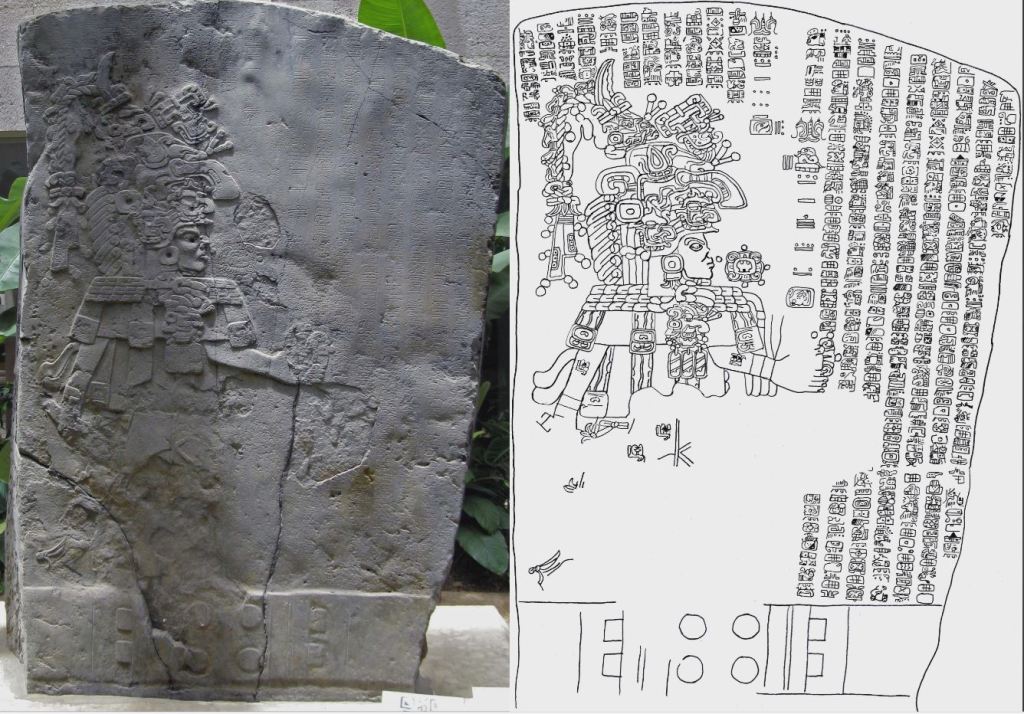
The Olmec also made significant strides in early writing systems. Scholars suggest they developed a prototype for writing in Mesoamerica, known as Epi-Olmec or Isthmian script. Evidence supporting this theory includes engraved artifacts such as the Mojarra Stela, which offers insights into early forms of written communication. This script marks an important step in the intellectual and cultural advancements of the Olmec, setting a foundation for the more elaborate writing systems of later Mesoamerican civilizations.
Key Olmec urban centers, such as San Lorenzo and La Venta, played vital roles as hubs of political, religious, and economic activity. These cities were not only administrative and ceremonial centers but also focal points of trade and cultural innovation.
San Lorenzo, the earliest significant Olmec center, is noted for its complex hydraulic systems and monumental architecture, while La Venta became a later center of power, famous for its pyramids and massive stone carvings.
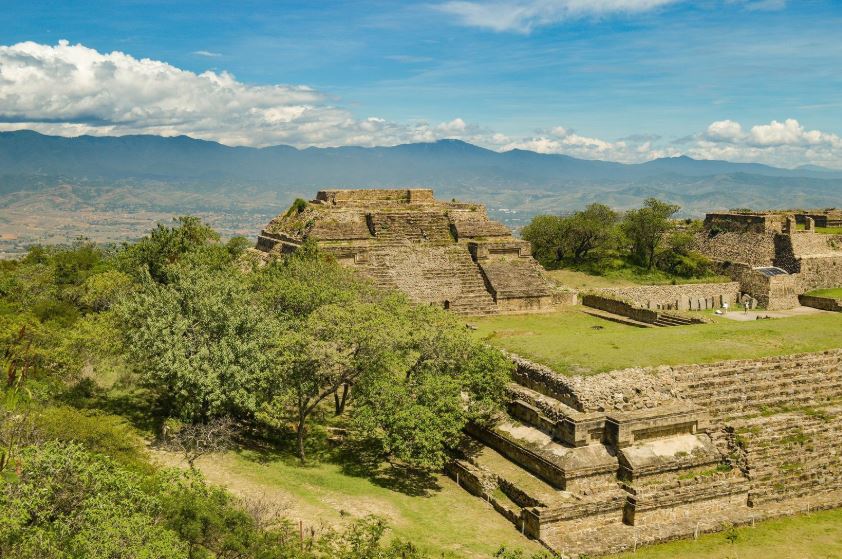
During the same period, other early Mesoamerican civilizations also began to flourish, contributing to the region’s cultural and societal diversity. Among these were the Zapotec, whose greatest urban center, Monte Albán, was established in the Oaxaca Valley.
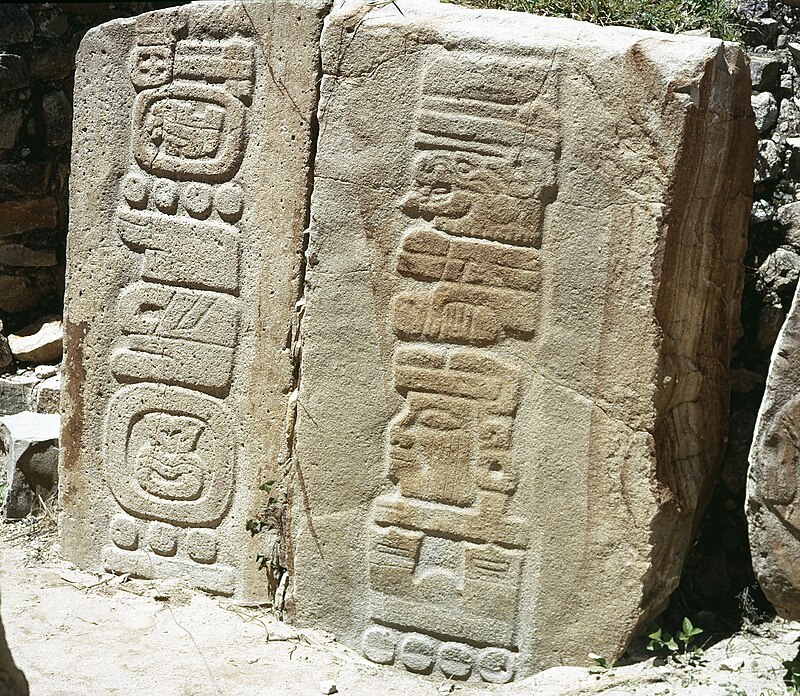
Monte Albán became a prominent city-state characterized by its impressive architecture, early writing system, and use of calendar systems, influencing subsequent Mesoamerican cultures.
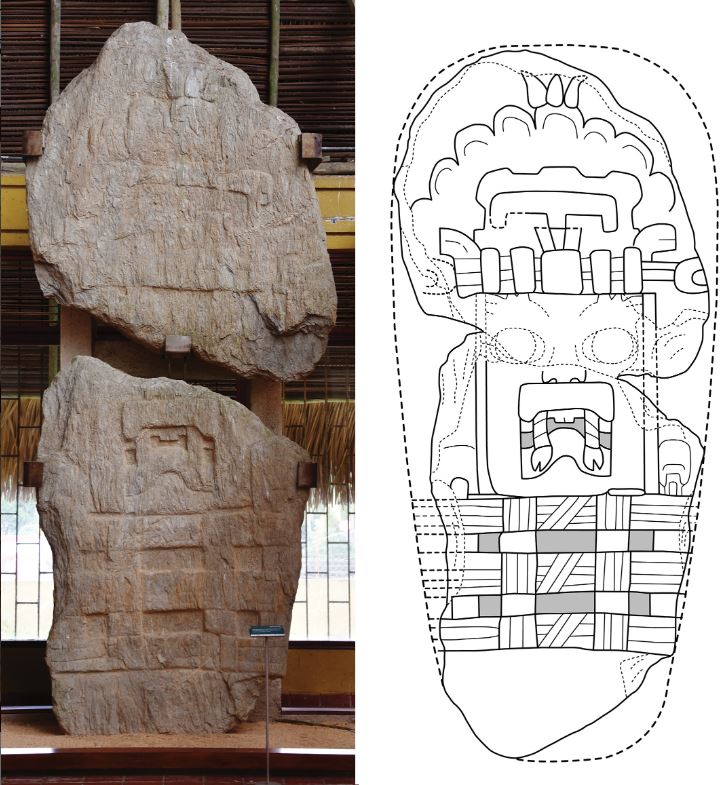
Similarly, the Izapan civilization, centered in the Soconusco region, left a legacy of distinctive art and cultural contributions. The Izapan are particularly known for their elaborate stelae and carvings, which depict mythological scenes and rituals, reflecting a rich tradition of symbolic art. Together, these early civilizations, including the Olmec, Zapotec, and Izapan, laid the foundations for the cultural and political achievements that defined Mesoamerica for centuries.
THE CLASSIC PERIOD (c. 250-900 C.E.)
The Classic Period in Mesoamerica marked a high point in socioeconomic and political development, characterized by flourishing urban centers and remarkable cultural achievements.
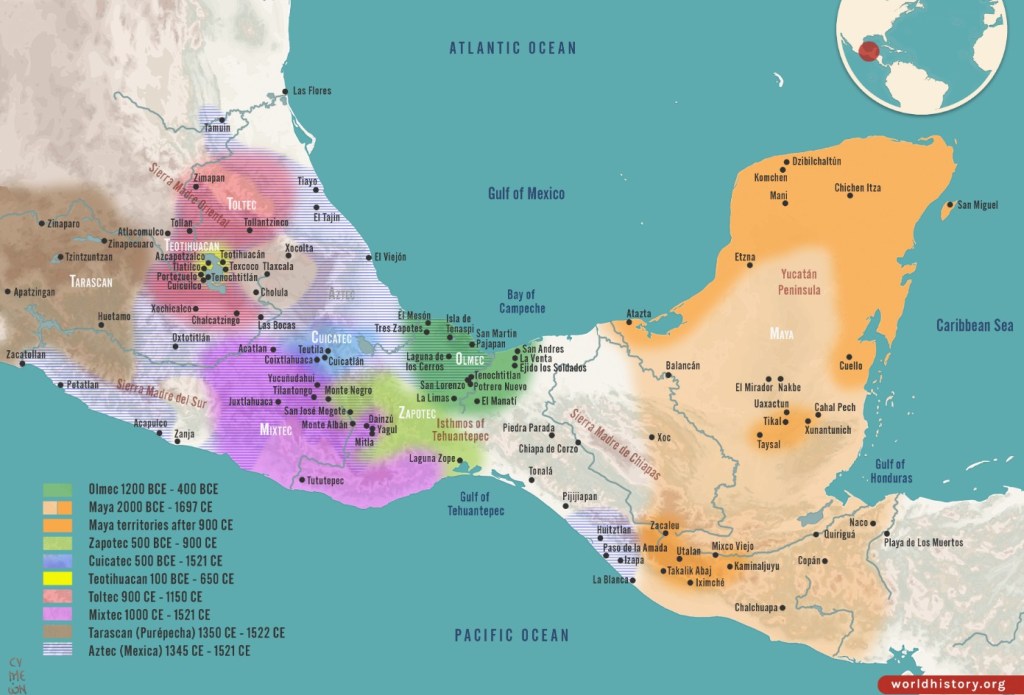
One of the most prominent civilizations of this era was Teotihuacan, located in central Mexico, which thrived between c. 150–650 C.E.
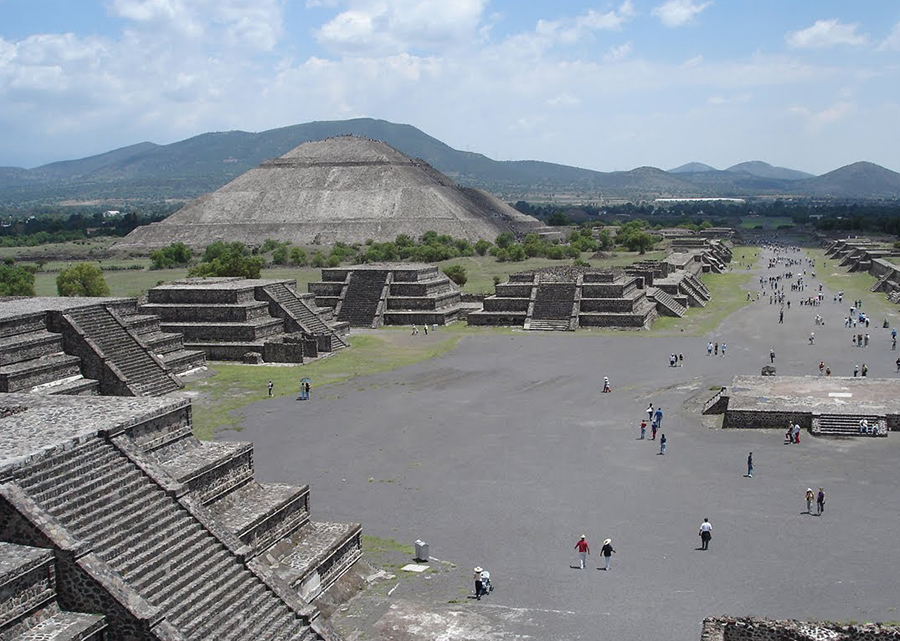
Scholars believe Teotihuacan was the largest urban center in Mesoamerica at its height, with a population exceeding 100,000. Its architectural grandeur, exemplified by the Pyramid of the Sun, the Pyramid of the Moon, and the Avenue of the Dead, impressed later civilizations such as the Mexica (Aztecs), who referred to it as “the place of the gods.”
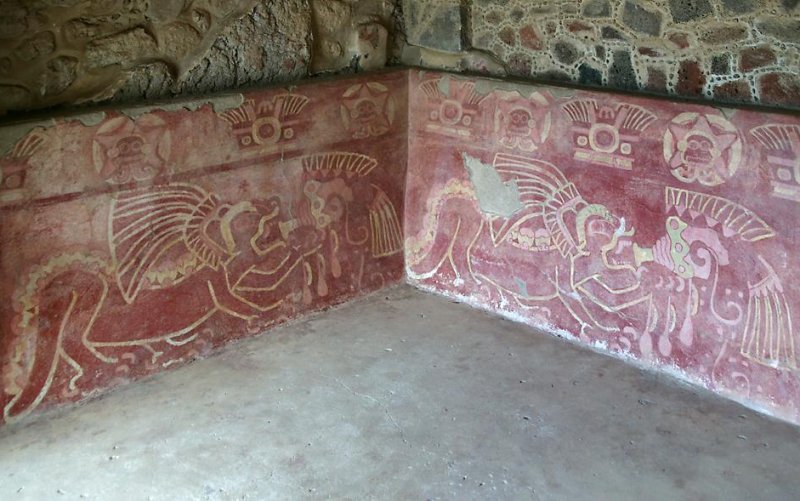
Despite its influence, Teotihuacan’s central core was destroyed around the 8th century C.E., possibly due to internal strife or external invasions, though its outer districts continued to be occupied for about 200 more years.
Simultaneously, the Maya civilization reached its golden age (c. 250–900 C.E.), often regarded as the pinnacle of Classic Period achievements. Renowned for their advanced knowledge and cultural sophistication, the Maya developed impressive urban centers such as Tik’al (Guatemala), Kalak’mul (Campeche), Palenque (Chiapas), and Copán (Honduras). Each of these cities had estimated populations of approximately 100,000 and served as major hubs of political, economic, and cultural activity. The Maya excelled in architecture, building towering temples and palaces; in astronomy, creating accurate calendars and tracking celestial events; and in hieroglyphic writing, developing one of the most sophisticated writing systems in the ancient world.
At its height, Classic Maya culture spanned a vast region, covering the Yucatan Peninsula in present-day Mexico, as well as Guatemala, Belize, western El Salvador, and Honduras. While these areas were initially inhabited by hunting and gathering bands as early as 9000 B.C.E., the foundations of Maya civilization began to take shape during the Preclassic/Formative Period (c. 1500 B.C.E.–150 C.E.).
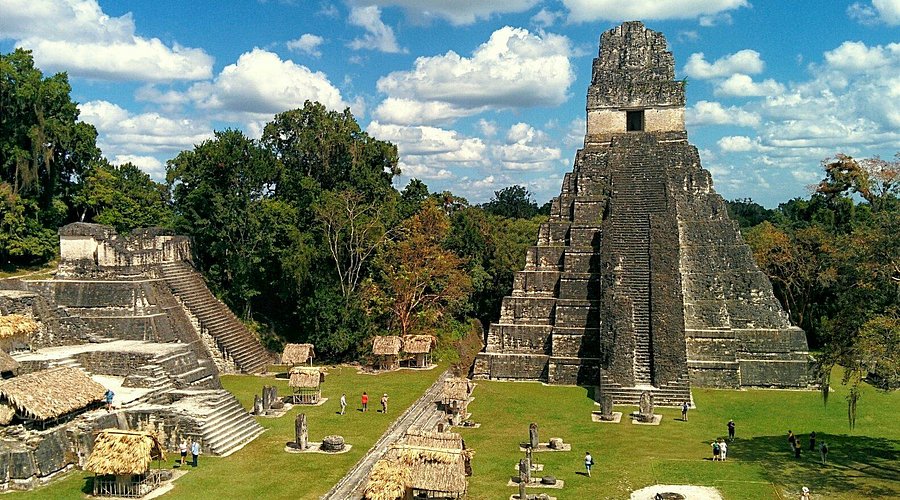
During this formative era, the Maya transitioned from small, scattered communities to more complex societies, driven by the adoption of agriculture and the development of trade networks. Early Maya settlements laid the groundwork for the elaborate city-states and cultural achievements of the Classic Period (c. 250–900 C.E.), which saw the rise of monumental architecture, advanced writing systems, and a sophisticated understanding of astronomy and mathematics. The geographical expanse and enduring influence of the Maya underscore their pivotal role in the history of Mesoamerica.
Together, the civilizations of Teotihuacan and the Maya epitomize the complexity and innovation of the Classic Period, leaving a legacy of monumental architecture, scientific achievements, and cultural depth that continues to inspire and intrigue modern scholars.
THE POSTCLASSIC PERIOD (c. 900–1519)
The Postclassic Period of Mesoamerica (c. 900–1521 C.E.) was characterized by significant changes that distinguished it from earlier periods, reflecting a dynamic and evolving cultural landscape. One of the key features of this era was the proliferation of small polities, as opposed to the large, centralized states of the Classic Period. These smaller, competitive states fostered a more fragmented but vibrant political environment.
Another hallmark of the Postclassic Period was the greater diversity of trade goods and the commercialization of the economy. Expansive trade networks facilitated the exchange of a wide array of items, including precious materials like obsidian, turquoise, cacao, and feathers, as well as practical goods like ceramics and textiles. Markets became central to economic activity, and long-distance trade routes linked Mesoamerican regions with cultures as far north as the American Southwest.
Following the fall of Teotihuacan, central Mexico underwent significant cultural and political transformations marked by migrations from the northwestern frontier. These migratory groups, collectively referred to as the Chichimeca, are believed to have been nomadic, although both the archaeological and written records provide limited insights into their culture and practices.
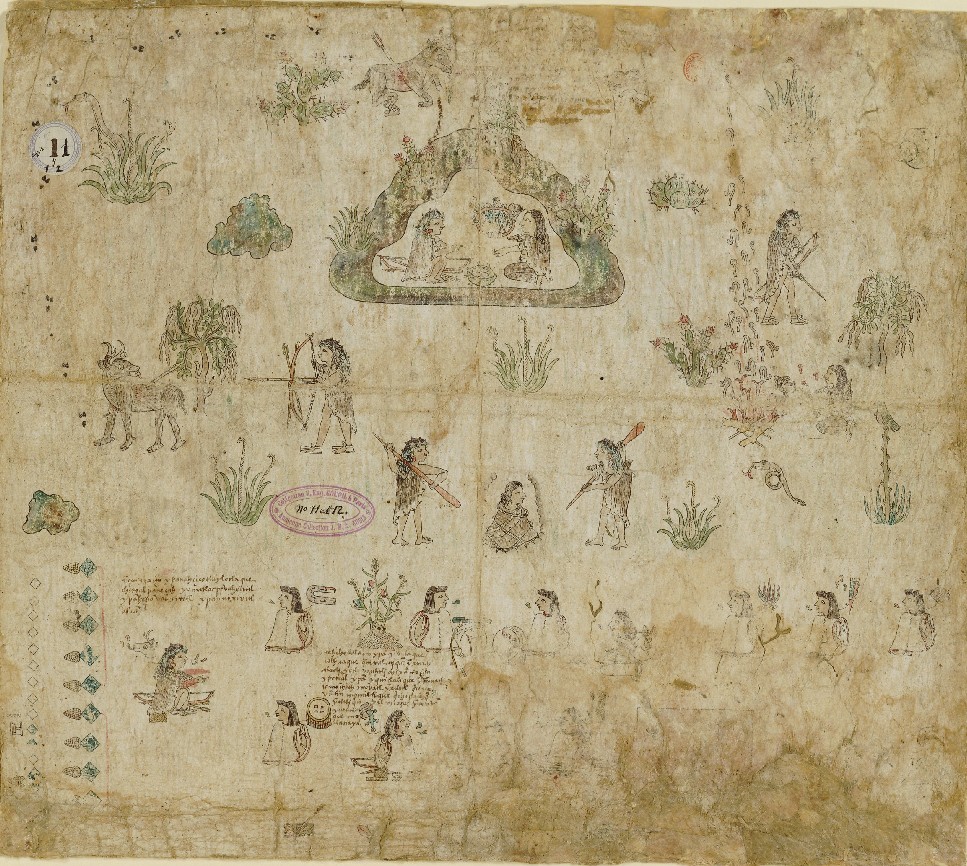
The Post-Classic Period also saw the rise of competing states, including the Mixtecs, Huastecs, and Tarascans, each contributing to the diverse and dynamic political landscape of the time. One of the most prominent civilizations to emerge during this transitional era was the Toltec (c. 950–1150), who established their dominance over northern and central Mexico from their capital at Tollan/Tula. The Toltec are often credited with influencing later Mesoamerican civilizations, particularly the Mexica (Aztecs), who regarded them as cultural and intellectual predecessors.
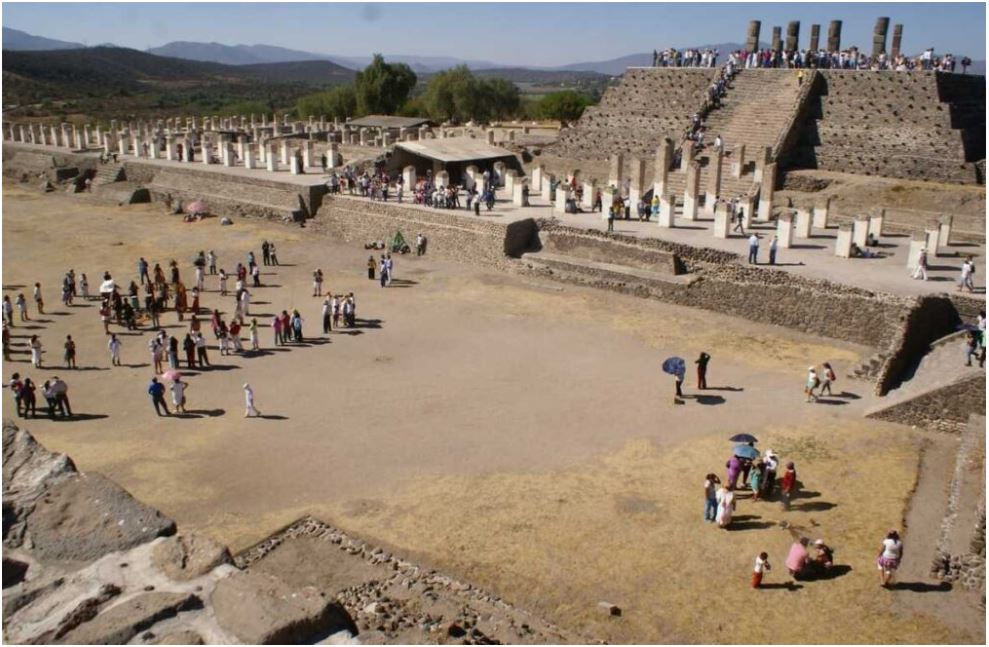
During the Postclassic Period, the Nahua people, united by shared cultural practices and the Nahuatl language, played a critical role in shaping the region’s political and cultural dynamics. Their migrations into central Mexico brought new influences and interactions that contributed to the vibrant, interconnected nature of Postclassic societies. Among these Nahua groups, the Mexica emerged as a dominant force. Their migration and eventual settlement in the Valley of Mexico marked the foundation of their rise to power.

The Mexica’s ascent culminated in the establishment of the Empire of the Triple Alliance, commonly referred to as the Aztec Empire. This empire consolidated its rule over vast portions of Mesoamerica, blending inherited traditions from earlier cultures, such as the Toltec and Teotihuacan, with their own innovations in governance, religion, and military organization. The Mexica created a tribute-based system that economically sustained their capital, Tenochtitlan, one of the most impressive urban centers of the pre-Columbian Americas. By the time of the Spanish arrival, the Empire of the Triple Alliance had become the preeminent power in the region, setting the stage for the dramatic encounters and transformations that would follow during the Spanish conquest.
SOURCES FOR RECONSTRUCTING MEXICO HISTORY
Historians rely on a wide range of primary sources to reconstruct the history of the Mexica, including:
- The Letters of Hernán Cortés (1485–1547)
- Bernal Díaz del Castillo’s Historia Verdadera de la Conquista de la Nueva España (1495–1583)
- Juan de Tovar’s Origen de los Mexicanos (1540–1626)
- Hernando de Alvarado Tezozomoc’s Crónica Mexicana (c. 1598)
- Fernando de Alva Ixtlilxochitl’s Historia de la Nación Chichimeca (1578–1650)
- Bernardino de Sahagún’s Historia General de las Cosas de Nueva España (Florentine Codex) (1500–1590)
- Toribio de Benavente Motolinía’s Historia de los Indios de Nueva España (c. 1490–1569)
In addition to these sources, the Codex Mendoza is an invaluable historical source that provides deep insights into the structure and functioning of the Mexica (Aztec) Empire. Commissioned for Charles V (r. 1516–1556), it was intended to help the Spanish monarch understand the complexities of the empire he had come to rule following the conquest of Mexico. The codex is named after Antonio de Mendoza, the first Viceroy of New Spain (1535–1550), who oversaw its production.
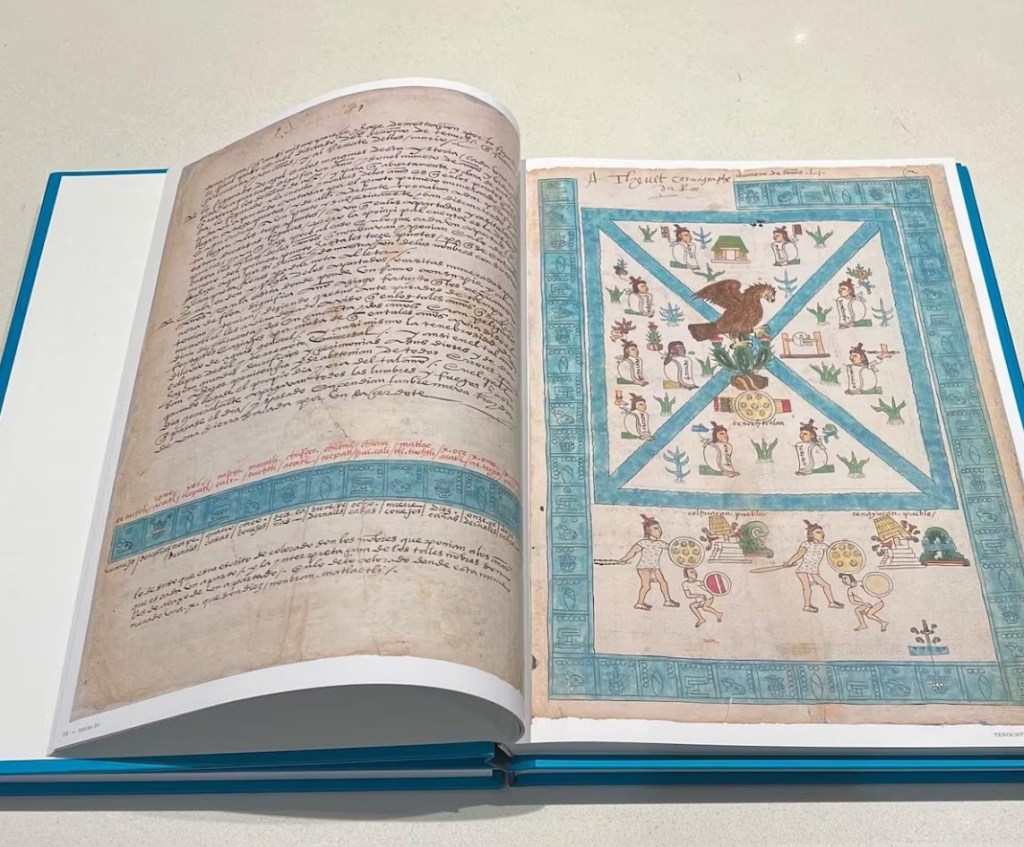
Believed to have been created by the master painter Francisco Gualpuyogualcal, the codex combines Nahua pictographic writing with Spanish commentary, bridging two cultural worlds. Its pages document a wide range of information, including the founding of Tenochtitlan, tributes paid by conquered provinces, the organization of society, and everyday life in the Mexica Empire. The Codex Mendoza remains an essential resource for understanding both the pre-Columbian history of Mesoamerica and the early colonial interactions between indigenous peoples and Spanish colonizers.
- Pre-Conquest History – Chronicles the rise of the Mexica.
- Tribute Records – Documents the tributes extracted from subjugated altepetls (city-states).
- Ethnographic Accounts – Provides insights into the daily life and customs of the Mexica.
MEXICA ORIGINS
The Mexica, the last of the Nahua groups to migrate into central Mexico, are primarily known through early colonial sources that blend indigenous traditions with European interpretations. According to Hernando de Alvarado Tezozomoc’s Crónica Mexicana (c. 1598), the Mexica trace their origins to a mythical land called Chicomoztoc, meaning the “house of the seven caves.” This place is also referred to as Aztlán, a symbolic ancestral homeland from which they embarked on their migration to the Valley of Mexico.
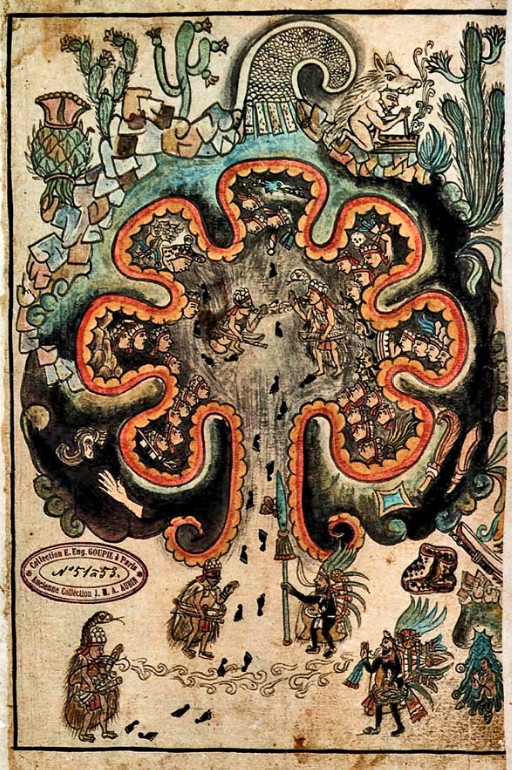
In Juan de Tovar’s Origen de los Mexicanos, the narrative further explains that the Mexica were guided by a figure named Mexi, whose name became central to their identity. Tovar describes how the term Mexica was formed, stating: “With Mexi and this particular ca, Mexica is composed, meaning ‘the people of Mexico.’” These accounts reflect the Mexica’s deep connection to their mythological past, while simultaneously illustrating the cultural significance of their migration and transformation into the dominant power of central Mexico. These stories not only illuminate their origins but also serve to underscore the Mexica’s self-perception as a people chosen by destiny to rule a vast empire.
IN CLOSING
Congratulations on completing this topic in our exploration of Mexico’s rich history! Up next, we’ll dive into The Writing Systems of Mesoamerica—an intriguing look at how early Mesoamerican civilizations developed and used writing as a powerful tool for communication and record-keeping. In this next section, we’ll examine how writing systems emerged in both semasiographic (symbol-based) and glottographic (speech-based) forms, shedding light on the cultural advancements of these societies.
As always, be sure to contact me or visit me during office hours should you have any questions about the content we have covered or the assignments that you need to complete.
 World History Portal


