THE CRIOLLO-PENINSULAR CONTROVERSY
| INTRODUCTION The struggle for independence across the Americas—and especially in Mexico—was not a sudden outburst but the culmination of centuries of colonial oppression, economic exploitation, and the systematic denial of rights. Enlightenment ideals, transatlantic revolutions, and local grievances converged to ignite this transformative era. As Manuel Belgrano eloquently put it, it was the injustice of monarchs who denied individuals “the rights with which God and nature had endowed them” that fueled revolutionary movements. Today’s discussion will trace the road to Mexican independence, beginning with the 17th-century European political shifts that laid the foundation for colonial reform, unrest, and ultimately revolution. LEARNING OBJECTIVES *Evaluate how Spain’s economic and military weaknesses increased colonial vulnerability and dissatisfaction. *Identify the goals of the Bourbon monarchy in centralizing power and increasing revenue. *Discuss how Enlightenment ideals inspired colonial thinkers like Juan Pablo Viscardo y Guzmán and Antonio de Rivadeneira to challenge imperial authority. *Explore how the installation of Joseph Bonaparte created a crisis of loyalty and governance in Spanish America. |
The 17th Century Crisis and the Rise of the Criollos
During the 17th century, Spain’s dominance over its American colonies began to wane due to a combination of internal instability and external threats. This period, known as the 17th Century Crisis, was marked by widespread economic decline, political turmoil, and social upheaval across Europe. Spain, once a dominant global power, found itself struggling to maintain its influence as it faced wars, financial hardships, and administrative inefficiencies. The monarchy, under the rule of the Habsburg dynasty, was stretched thin, fighting costly wars against France, the Dutch Republic, and the expanding Ottoman Empire, all while dealing with economic decline caused by inflation and diminishing silver imports from the Americas.
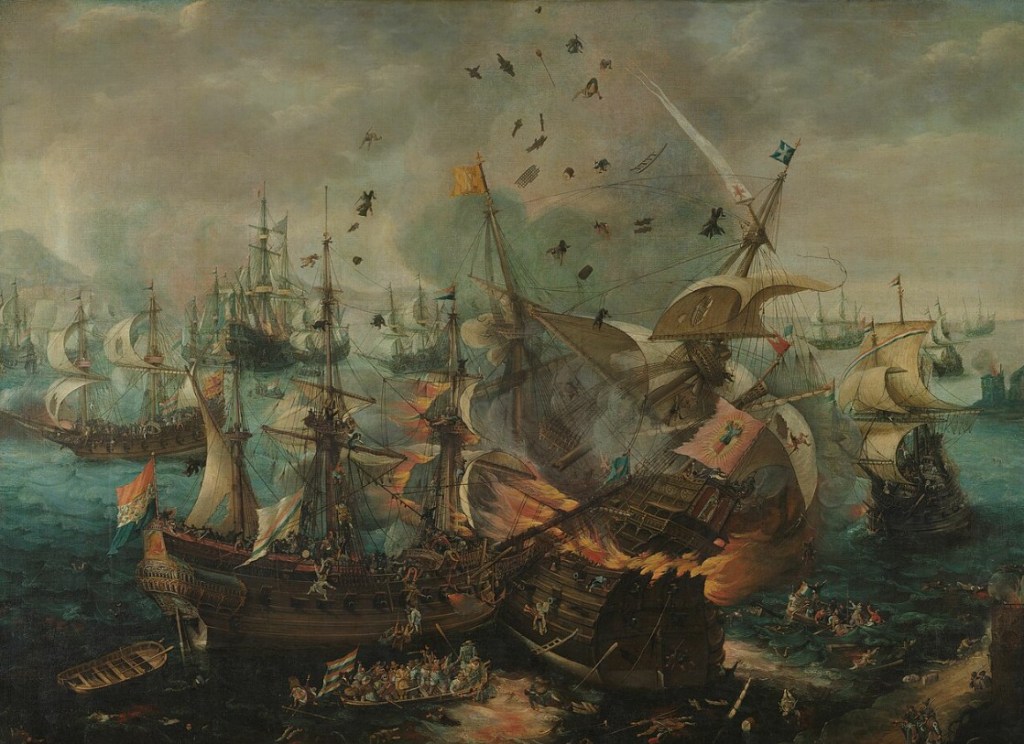
These crises affected Spain’s ability to effectively govern its vast overseas empire, particularly its colonies in the Americas. Without direct oversight from Madrid, local administrators and colonial elites took on greater authority, often acting in their own interests rather than in service to the Crown. Corruption and inefficiency plagued colonial governments, leading to dissatisfaction among both the indigenous populations and European-descended colonists. As Spain’s control weakened, new power dynamics emerged, setting the stage for future struggles over political and economic autonomy.
In Spanish America, this instability coincided with the rise of the criollos, or American-born Spaniards, who began to challenge the traditional dominance of the peninsulares—Spaniards born in the Iberian Peninsula and sent to the colonies to govern. Over time, the demographic balance shifted in favor of the criollos. By the mid-17th century, criollos vastly outnumbered peninsulares, with approximately 169,000 criollos compared to just 13,800 peninsulares in New Spain (modern-day Mexico).
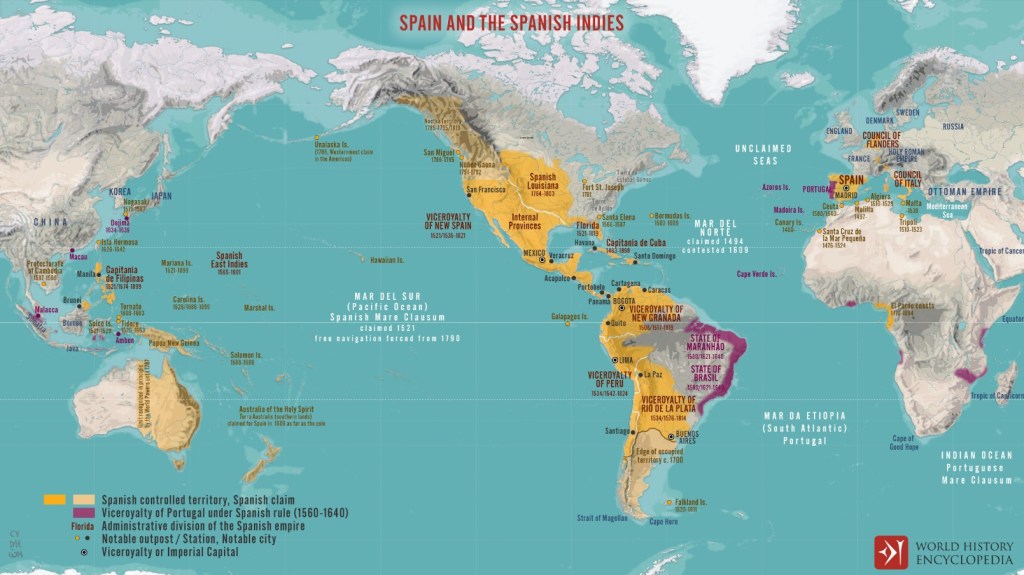
Although criollos were legally considered equal to peninsulares in the Spanish caste system, they faced discrimination in political and economic affairs. The Spanish Crown preferred to appoint peninsulares to high-ranking positions within the colonial administration, maintaining a system where power remained concentrated in the hands of those born in Spain. This exclusion from political power fueled resentment among criollos, who were often wealthy landowners, merchants, and intellectuals, yet were denied key roles in governance.
As Spain’s grip on its colonies loosened, criollos found new ways to gain influence. Many purchased government positions, allowing them to hold local administrative roles despite the Crown’s preference for peninsulares. Additionally, criollos gradually infiltrated powerful colonial institutions such as the audiencias (high courts), which were originally dominated by Spanish-born elites. By 1687, criollos had made significant inroads into these institutions, establishing themselves as a powerful force within colonial society.
The tensions between criollos and the Spanish Crown set the stage for future conflicts, as criollos began to develop a distinct identity separate from their Spanish-born counterparts. They increasingly saw themselves not as subjects of the Spanish monarchy, but as rightful leaders of their own lands. This growing sense of identity, combined with Enlightenment ideals and the later impact of global revolutions, would eventually fuel the independence movements of the late 18th and early 19th centuries.
The War of Spanish Succession and the Bourbon Reforms
The War of Spanish Succession (1701–1714) was a pivotal conflict that reshaped the balance of power in Europe and profoundly impacted Spain’s American colonies. The war erupted following the death of Charles II (r. 1665–1700), the last Spanish monarch of the Habsburg dynasty, who died without an heir. His passing created a power vacuum, as European rulers vied for control over Spain and its vast empire.
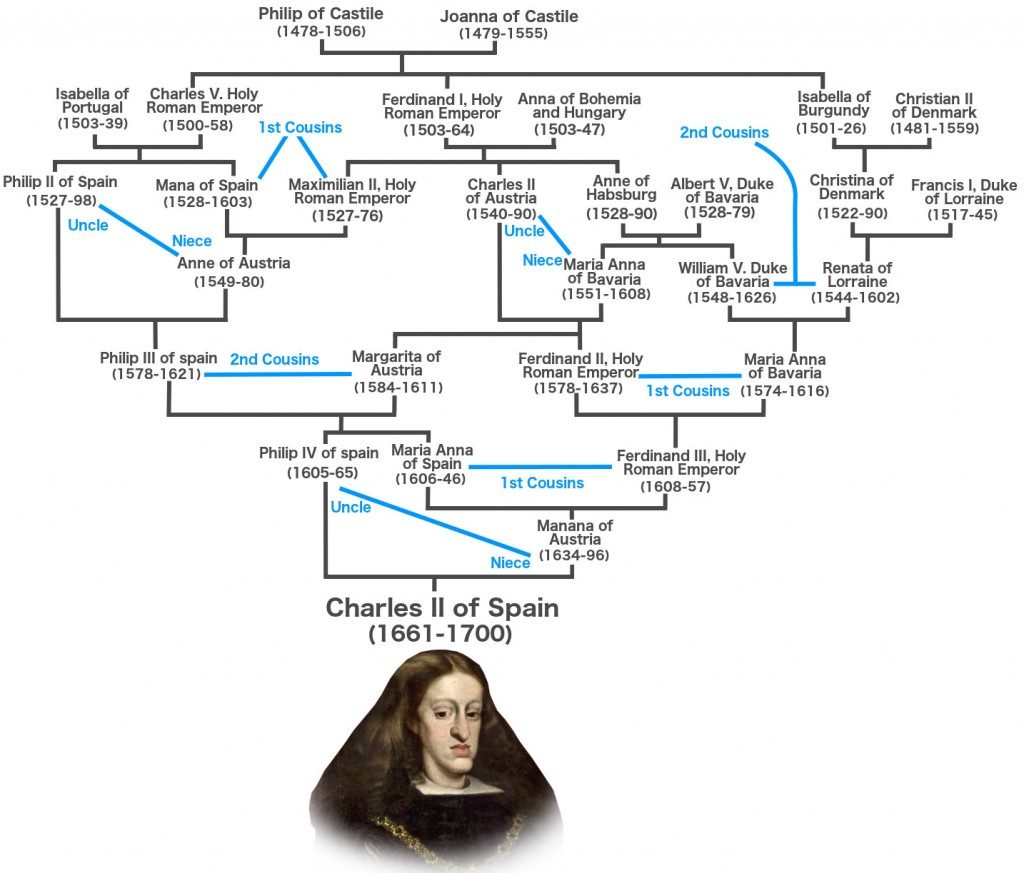
The primary contenders for the Spanish throne were:
- Philip, Duke of Anjou, grandson of Louis XIV of France, representing the Bourbon dynasty.
- Archduke Charles of Austria, a member of the Habsburg family, backed by England, the Dutch Republic, and the Holy Roman Empire.
The war, fought across Europe and in Spain’s colonial territories, was not just a succession dispute but also a struggle over the balance of power in Europe. If Philip of Anjou ascended to the Spanish throne, France and Spain—two of the most powerful kingdoms—could potentially unite under a single ruler, threatening the existing European order. This prospect alarmed England and its allies, who sought to prevent Bourbon dominance.
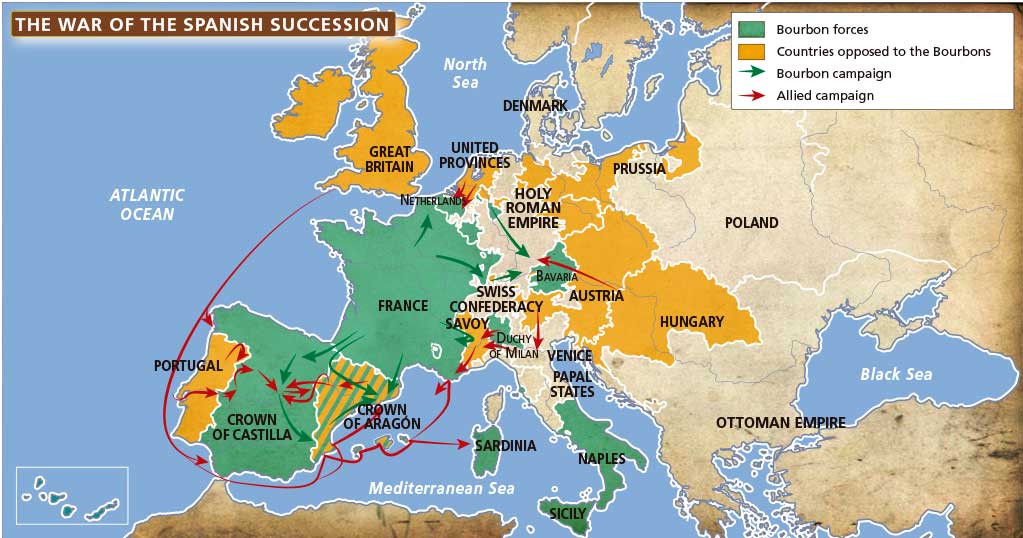
After more than a decade of conflict, the war concluded with the Treaty of Utrecht (1713). The treaty recognized Philip V as the legitimate king of Spain, but under the condition that the Spanish and French crowns would remain separate, preventing the feared Bourbon union of Spain and France. As a result, Spain lost key European territories, including:
- The Spanish Netherlands (modern Belgium), ceded to Austria.
- The Kingdom of Naples, Milan, and Sardinia, also awarded to Austria.
- Gibraltar and Minorca, granted to Great Britain.
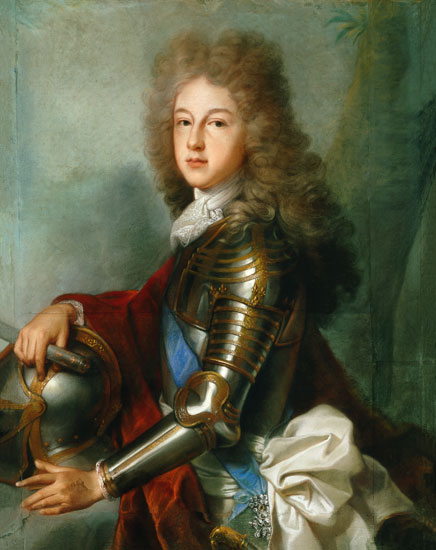
Despite these losses, the Bourbon dynasty firmly established itself in Spain, bringing with it a new vision of governance. Under the Bourbon monarchy, Spain moved away from the decentralized rule of the Habsburgs and pursued a policy of centralization and modernization, which extended to its American colonies.
Spain’s colonies during the 18th century were of immense importance—economically, politically, and strategically. Enlightenment thinkers, such as Montesquieu, recognized this shifting dynamic. In The Spirit of the Laws (1748), Montesquieu observed that although Spain and its overseas territories were governed by the same monarch, it was the colonies—especially in the Americas—that had become the real source of power and wealth: “The Indies are principle, while Spain is only secondary.” This reflected how the Spanish Empire’s fortunes increasingly hinged on its vast colonial possessions, particularly in the Americas. The growing power of the criollos also did not go unnoticed by the Bourbons. Fearing that the increasing influence of criollos could lead to demands for greater autonomy.
By the later 18th century, Spanish authorities, under the Bourbon monarchy, recognized the need to tighten control and improve efficiency in their colonies. José de Gálvez, as Minister of the Indies (1776–87), played a central role in implementing the Bourbon Reforms—a series of administrative, economic, and military changes intended to modernize colonial governance and better defend against foreign threats. Gálvez warned of increasing European competition, particularly from Britain, which he feared sought to dominate global trade: “Spanish America each day is more exposed to the insatiable ambition of certain European powers.”
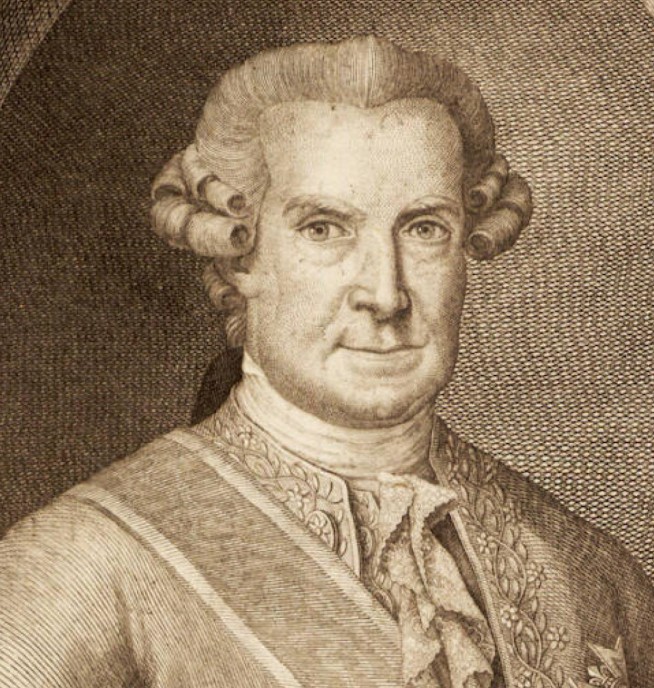
However, not everyone welcomed these reforms. Critics saw Gálvez’s actions as overreaching and destabilizing. An anonymous letter of the time sharply criticized his policies, accusing him of causing more harm than good: “Gálvez has destroyed more than he has built.” The same writer ominously predicted that his reforms might “prepare the greatest revolution in the American Empire,” foreshadowing the unrest that would later contribute to independence movements in Spanish America.
One of the most significant of these reforms was the creation of the Intendant System, modeled after French administrative practices. Under this system, Spain appointed intendentes—Spanish-born bureaucrats—to oversee colonial administration and enforce royal policies. This measure was intended to reduce corruption and improve governance, but it also reduced criollo influence in government, further alienating them from the Spanish Crown.
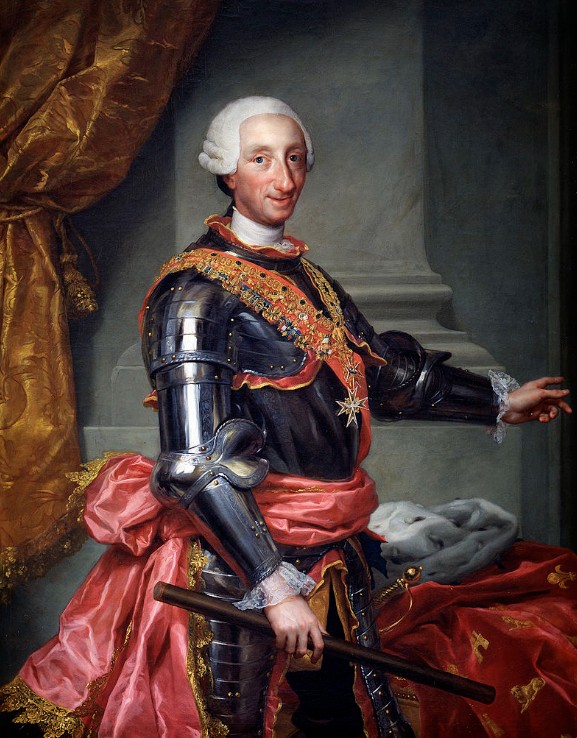
Also introduced was Comercio Libre, a set of economic reforms aimed at liberalizing trade within the Spanish Empire. Implemented primarily through the Reglamento de Libre Comercio in 1778 under King Charles III, it allowed Spanish American colonies to trade more freely with each other and with Spain, reducing the monopoly of certain ports like Seville and Cádiz. This policy sought to stimulate economic growth, increase colonial revenues, and weaken contraband trade. While it benefited merchants and local economies, it also intensified competition and laid the groundwork for colonial discontent as it broke the trade monopoly of prominant criollo families.
These policies aimed to strengthen Spain’s control over its colonies, increase revenue, and curb the autonomy of local elites, particularly the criollos. These measures only deepened resentment among criollos, who saw them as an unjust restriction on their rights and ambitions.
Impact of the Bourbon Reforms in Spanish America
While the Bourbon Reforms strengthened Spain’s control over its colonies, they also disrupted traditional power structures and provoked widespread discontent, particularly among the criollos. Under the Habsburgs, criollos had enjoyed relative autonomy, with many holding influential government and church positions. However, under Bourbon rule, they found themselves increasingly sidelined in favor of peninsulares, leading to deep resentment.
Additionally, the economic reforms often hurt local economies. For example, Spain’s monopoly on colonial trade meant that criollo merchants were forced to rely on Spanish imports, which were often more expensive than goods available through illegal trade with other European nations. As a result, many criollos saw these policies as exploitive and unjust, reinforcing the belief that Spain was prioritizing its own economic interests over the well-being of its American subjects.
The Bourbon Reforms also had significant social implications. The increase in taxation and the tightening of administrative controls led to growing unrest among the lower classes, including indigenous communities and mestizos. Many of these groups saw Spain’s policies as an infringement on their traditional ways of life, leading to sporadic uprisings and protests throughout the 18th century.
Thus, while the Bourbon Reforms were initially implemented to consolidate Spanish power, they inadvertently paved the way for independence movements by fostering resentment, political consciousness, and a growing desire for self-governance.
Antonio Joaquín de Rivadeneira y Barrientos (1710–1777), a Mexican-born intellectual and colonial official, emerged as a powerful voice of dissent against the Bourbon reforms and the exclusionary policies of the Spanish Crown. His advocacy on behalf of criollos (American-born Spaniards) placed him in direct opposition to the belief—widely held by peninsular elites—that those born in the colonies were unfit for positions of high authority.
In response to a prejudiced, anonymous letter that claimed “the spirit of the Americans is submissive and compliant” and that “they are exposed to the greatest errors” if given positions of power, Rivadeneira offered a bold rebuttal. Drawing on Enlightenment ideals, he argued that the appointment of natives over foreigners was not only a matter of justice but of reason and good governance. As he explained, this was a principle “derived from the natural reason which governs the hearts” and was common to all nations. He critiqued the imperial practice of sending Spanish-born officials to govern unfamiliar territories, emphasizing how disconnected they were from local laws, customs, and the people themselves.
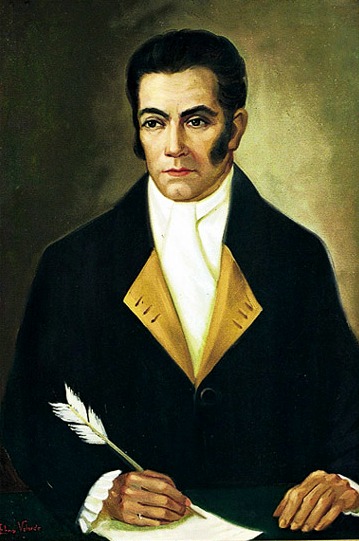
Juan Pablo Viscardo y Guzmán (1748–1798), a Peruvian-born Jesuit and early advocate for Latin American independence, became a key Enlightenment voice against Bourbon absolutism. In his influential work Carta Dirigida a los Españoles Americanos (“Letter to the Spanish Americans”), Viscardo drew heavily on the political language of John Locke and other Enlightenment philosophers to challenge the legitimacy of Bourbon rule in the Americas.
Viscardo criticized the Spanish monarchy for systematically violating what he referred to as “the unalienable rights of man”, echoing Locke’s theory that governments exist to protect life, liberty, and property—and lose legitimacy when they fail to do so. He argued that the Bourbon monarchy, through its reforms and centralized control, had governed the colonies in a manner that ignored these natural rights, treating American subjects as mere instruments of imperial gain rather than citizens entitled to justice and representation.
His Carta was a call to political awakening for criollos and other American-born subjects. Viscardo urged them to recognize their shared condition under oppressive rule and to demand their rightful autonomy. By framing colonial grievances within the Enlightenment’s universal ideals—natural rights, reason, and liberty—he not only criticized Spanish imperial policy but also offered a philosophical foundation for revolution.
Viscardo’s work became a foundational text in the early ideological development of Latin American independence movements. His blending of Enlightenment thought with the specific injustices experienced in Spanish America helped inspire later leaders like Simón Bolívar and José de San Martín, who would carry forward the struggle for emancipation.
Rivadeneira’s stance reflected key Enlightenment doctrines: the importance of reason, the right of peoples to self-governance, and the equality of individuals regardless of birthplace. His defense of criollo rights wasn’t merely a call for inclusion—it was a demand for structural change grounded in rational principles and shared humanity. In this way, Rivadeneira aligned himself with Enlightenment thinkers who questioned inherited privilege, arbitrary power, and imperial domination. His arguments foreshadowed the growing tensions between the Spanish Crown and its American colonies—tensions that would eventually contribute to the independence movements of the early 19th century.
By the late 18th and early 19th centuries, Spanish America was on the brink of revolution, with criollos and other colonial subjects ready to challenge Spanish authority and fight for their own sovereignty. At the same time, new political ideas—particularly those of the Enlightenment—were gaining traction among criollo intellectuals and elites. Inspired by thinkers like John Locke and the revolutionary movements in North America (1776) and France (1789), many criollos began questioning Spain’s right to rule over them.
The Enlightenment and the Ideals of Liberty
As Spain sought to tighten its control over its American colonies through the Bourbon Reforms, new philosophical and political ideas were rapidly spreading across Europe and the Atlantic world. The Enlightenment, an intellectual and cultural movement of the 17th and 18th centuries, emphasized reason, science, individual rights, and the questioning of traditional authority. Rooted in the ideas of thinkers like John Locke, Voltaire, Montesquieu, and Rousseau, it promoted ideals such as liberty, democracy, secularism, and progress. These revolutionary ideas challenged the very foundations of absolute monarchy and advocated for principles such as liberty, equality, and self-governance. Enlightenment thinkers argued that governments derived their legitimacy from the people, not divine right, and that rulers were obligated to protect the rights of their citizens. If a government failed to do so, it was the right—and even the duty—of the people to resist and replace it. Such radical ideas directly opposed the Spanish colonial system, in which power was concentrated in the hands of the monarchy and its appointed officials.
Marie-Jean-Antoine-Nicolas Caritat, better known as the Marquis de Condorcet, articulated several core principles of Enlightenment thought in his influential work The Progress of the Human Mind. He envisioned a future shaped by reason and moral progress, stating that humanity’s hopes could be summarized in three major aims: the elimination of inequality between nations, the advancement of equality within each society, and the overall moral and intellectual improvement of humankind. These ideals reflected a belief in universal human rights, the power of education, and the potential for continuous societal advancement.
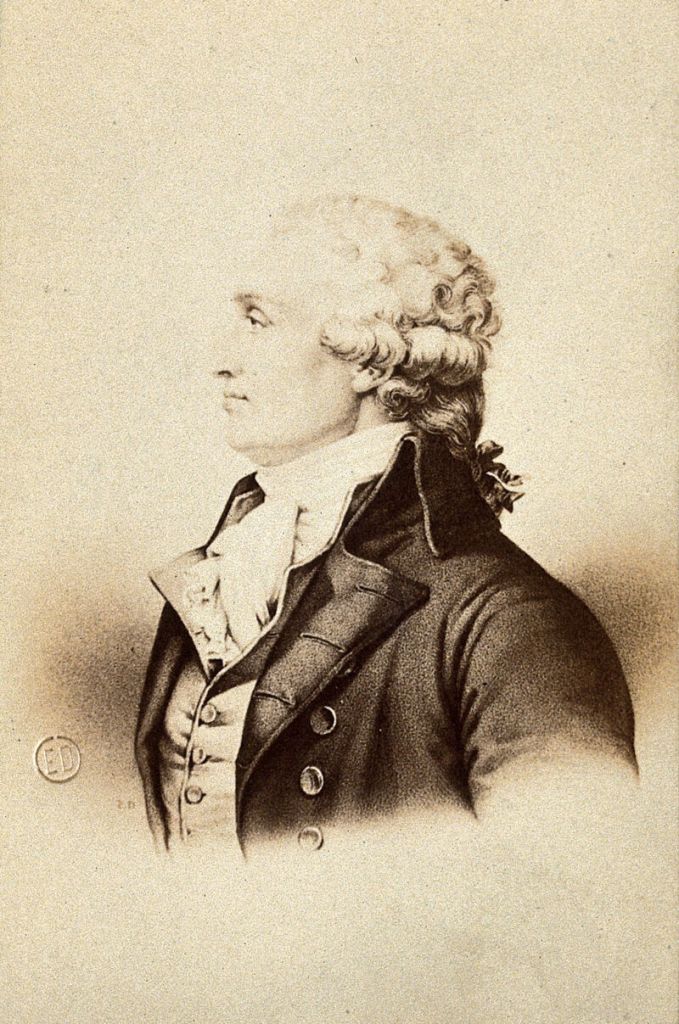
Other central doctrines of the Enlightenment reflected a profound shift in how individuals understood themselves, society, and authority. Enlightenment thinkers emphasized that human beings are inherently rational, and this capacity for reason empowers individuals to make moral choices and govern themselves justly. They rejected the complacent notion that the current state of the world was necessarily ideal, promoting instead the belief in continual human progress and improvement.
Furthermore, the Enlightenment championed the idea that all individuals are fundamentally equal. This principle underpinned calls for personal liberty, civil rights, and equality before the law—challenging established hierarchies and authoritarian rule. Enlightenment philosophy also asserted that beliefs—whether religious, political, or scientific—should not rest on tradition or superstition but must instead be grounded in reason and evidence.
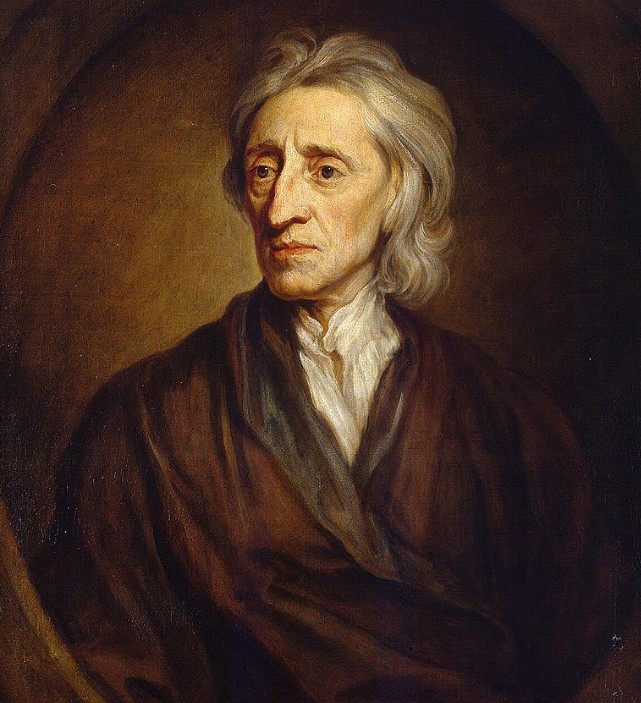
One of the most influential Pre-Enlightenment thinkers was John Locke (1632–1704), an English philosopher whose writings profoundly shaped political thought in the Americas. In his seminal work, Two Treatises of Government (1689), Locke argued that: all individuals were born with “natural rights”—the fundamental rights to life, liberty, and property. Governments existed solely to protect these rights; if a government failed to do so, it became illegitimate.
People had the right to overthrow an oppressive government and establish a new one based on the consent of the governed. More specifically, Locke wrote the following on natural rights:
| The state of nature has a law of nature to govern it, which obliges every one: and reason, which is that law, teaches all mankind, who will but consult it, that being all equal and independent, no one ought to harm another in his life, health, liberty, or possessions: for men being all the workmanship of one omnipotent, and infinitely wise maker; all the servants of one sovereign master, sent into the world by his order, and about his business; they are his property, whose workmanship they are, made to last during his, not one another’s pleasure. – Two Treatise on Government |
John Locke’s quote from Second Treatise of Government above expresses his core ideas about natural rights, equality, and the moral responsibilities of individuals. He argues that even in a state of nature, before any formal government exists, people are governed by a moral law—what he calls the “law of nature”—which is reason. This law teaches that all humans are inherently equal and independent, and therefore, no one has the right to harm another’s life, liberty, health, or property. Locke emphasizes that these rights are not granted by governments but are natural and God-given. Because all people share this equal status, they have a moral obligation to respect one another’s rights. He further asserts that governments exist not to create rights but to protect them, and if a government fails to do so, the people have the right to resist or replace it. Not only did these ideas influence movements like the American and French Revolutions, but they also gained traction among Mexican criollos, who had long felt excluded from power and decision-making under Spanish rule. As the Spanish Crown continued to restrict criollo influence, Enlightenment philosophy provided an intellectual justification for resistance and eventually, independence.
The French Revolution, Napoleon and the Spread of Revolutionary Ideas in Spanish America
While Enlightenment ideas were already circulating throughout the Spanish colonies, the French Revolution (1789–1799) provided a powerful real-world example of how these ideals could be transformed into political action. The revolution, driven by principles of liberty, fraternity, and equality, led to the overthrow of King Louis XVI and the abolition of the absolute monarchy in France.

Though the revolution became increasingly radical—culminating in the Reign of Terror (1793–1794) and mass executions—the initial revolutionary movement inspired many in Spanish America. The idea that a long-established European monarchy could be dismantled by the will of the people challenged the notion of divine rule and reinforced the belief that Spanish colonial rule could also be overthrown. Furthermore, the abolition of feudal privileges in France resonated with many Mexican criollos, indigenous people, and mestizos, who saw Spanish colonial rule as an unjust and oppressive system designed to benefit the Spanish elite while exploiting the local population.
The ideas of the Enlightenment were widely read and discussed among criollos, particularly in universities, Masonic lodges, and literary societies in Mexico City. Many criollos began to see the Spanish Crown not as a protector, but as an oppressor that restricted trade, imposed high taxes, and denied political representation. Additionally, Enlightenment principles were embraced by reform-minded clergy members, including Father Miguel Hidalgo and José María Morelos, who later became key figures in Mexico’s fight for independence. These priests used their influence to spread ideas of self-rule and justice among the broader population, including indigenous and mestizo communities.
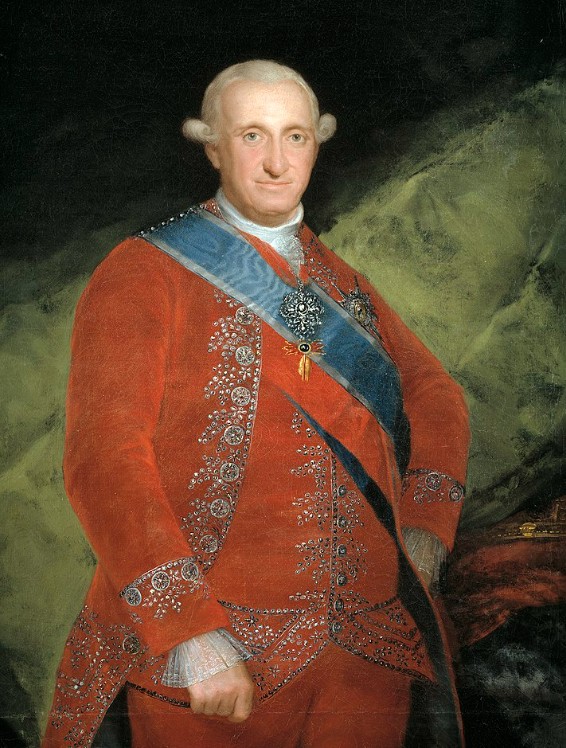
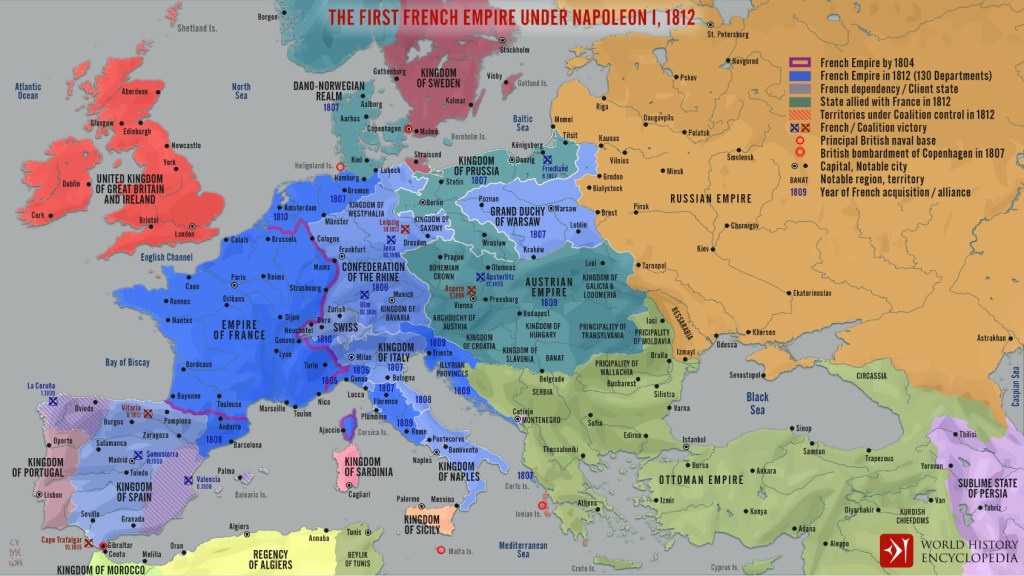
During the late 18th and early 19th centuries, Spain—and by extension its vast colonial empire—was plunged into political and economic turmoil, much of it under the ineffective leadership of Charles IV (r. 1788–1808). His reign coincided with the upheaval of the French Revolution and the rise of Napoleon, during which Spain found itself financially and militarily weakened. In an effort to raise revenue for Spain’s war efforts, Charles IV implemented the Law of Consolidation in 1798—a deeply consequential policy for the colonies.
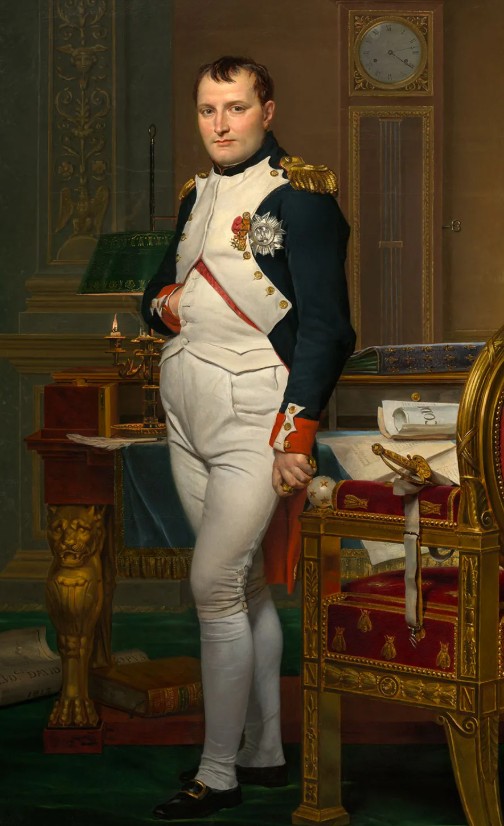
The Law was extended to Mexico in 1804, at a time when Spain, after a failed conflict with France, was forced into an uneasy alliance with Napoleon. Under this law, the Crown confiscated lands and wealth from the Church—particularly from religious orders and charitable institutions—and sold them to generate funds. However, in Mexico, this action had devastating ripple effects. The Catholic Church had long served as the principal source of credit, particularly for rural landowners, ranchers, and even small-scale farmers. By seizing and liquidating church property, the colonial government collapsed a key part of the economic infrastructure, causing defaults on loans, land loss, and widespread financial insecurity. This deeply disrupted land tenure systems and bred resentment across social classes.
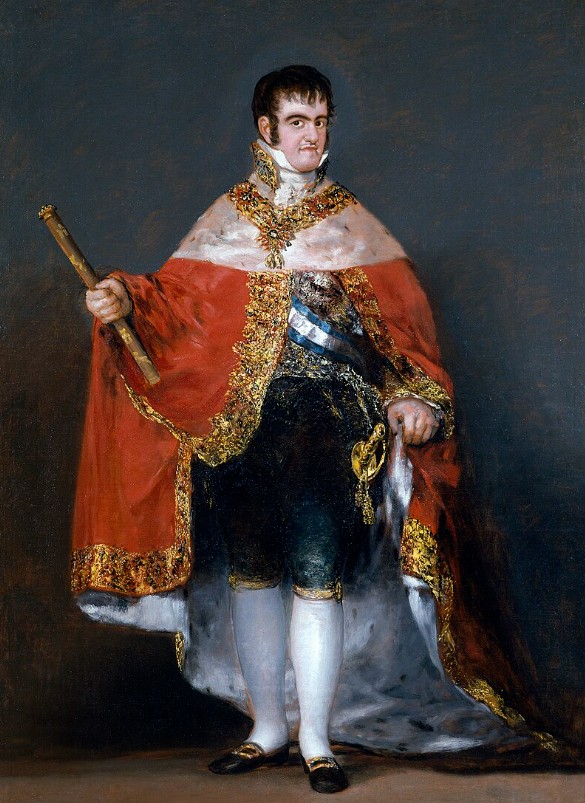
The political landscape worsened dramatically in 1808, when Napoleon exploited dynastic disputes within the Bourbon monarchy. He forced Charles IV and his son Ferdinand VII to abdicate and installed his own brother, Joseph Bonaparte, as king of Spain. This move was seen as an affront to both Spanish sovereignty and colonial loyalty. Across Spanish America—including Mexico—many questioned whether they owed allegiance to a monarch installed by a foreign invader.
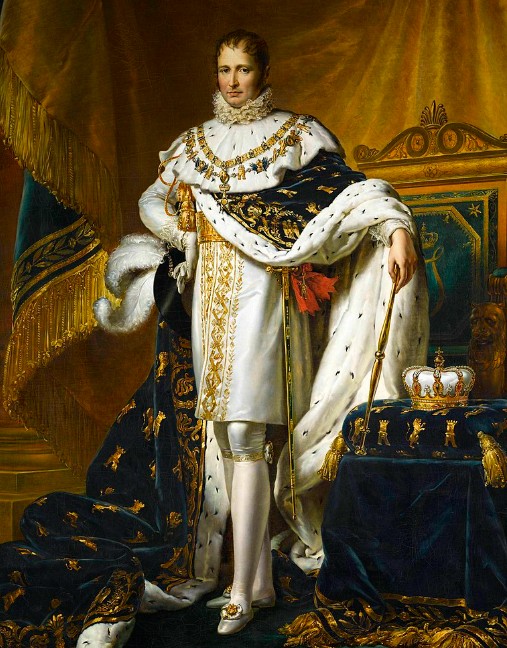
This combination of political instability, economic disruption, and the delegitimization of royal authority catalyzed early independence movements across the Spanish-speaking Americas. The impact of the Law of Consolidation and Napoleon’s intervention made it increasingly difficult for the Spanish Crown to retain the loyalty of its colonies, laying the groundwork for the collapse of Spain’s American empire in the decades that followed.
In New Spain, this crisis prompted leading criollos and intellectuals to reconsider their relationship with the Spanish Crown. Mexico City’s Council of 1808, invoking Enlightenment principles, argued that in the absence of a legitimate king, sovereignty resided with the people, not the monarchy. This idea—radical at the time—directly challenged Spain’s authority and laid the ideological groundwork for Mexico’s independence movement.
In Closing
By the early 19th century, the seeds of rebellion had been planted. While Spain struggled with its own internal crises, Mexico’s criollos, mestizos, and indigenous populations increasingly saw independence as the only viable path forward. On September 16, 1810, the movement formally began with Father Miguel Hidalgo’s famous “Grito de Dolores” (Cry of Dolores), a call for revolution against Spanish rule. This moment marked the beginning of the Mexican War of Independence (1810–1821), a conflict that would last more than a decade before Mexico finally achieved sovereignty. Thus, while Mexico’s path to independence was shaped by long-standing economic, social, and political tensions, it was the events of 1808—the Napoleonic invasion of Spain and the collapse of its monarchy—that provided the immediate catalyst for revolution. Inspired by the Enlightenment and the success of other revolutions, Mexicans were ready to take their fate into their own hands.
 World History Portal

