THE LONG 19TH CENTURY
| INTRODUCTION The early 19th century marked the emergence of Mexico as a newly independent nation in Latin America, following centuries of Spanish colonial domination. Rooted in the principles of classical liberalism—such as popular sovereignty, individual rights, and constitutional governance—Mexico’s founding vision aimed to establish a modern, self-governing republic free from the constraints of colonial rule. Yet, the journey toward realizing that vision was fraught with challenges. Persistent political instability, regional rivalries, economic fragility, and deep social inequalities—including entrenched racial and class hierarchies—consistently undermined efforts at nation-building. Military coups, short-lived administrations, and ideological conflicts between liberals and conservatives created a volatile political landscape. As a result, one could argue that Mexico’s independence, while legally achieved in 1821, remained incomplete in practice. The colonial legacy—manifested in both institutional structures and social attitudes—continued to shape Mexico’s development well into the 19th century, limiting the transformative potential of the liberal ideals upon which the nation was founded. this and more will be the focus of this topic. LEARNING OBJECTIVES *Understand the causes and origins of the Mexican War of Independence by identifying key social, economic, and political factors that led to the 1810 uprising against Spanish colonial rule. *Describe the roles and contributions of key figures such as Miguel Hidalgo, José María Morelos, and Agustín de Iturbide, analyzing how each shaped the ideological and military phases of the independence movement. *Explain the causes and outcomes of the Mexican-American War (1846–1848), including how Manifest Destiny and the Treaty of Guadalupe Hidalgo reshaped both the geography and political future of Mexico. *Discuss the leadership of Benito Juárez, including both his accomplishments in constitutional reform and secular governance, and the contradictions of his economic policies. |
The Independence Movement
The Mexican War of Independence (1810–1821) was a pivotal conflict that resulted in Mexico’s liberation from Spanish colonial rule after more than three centuries. It began on September 16, 1810, when Father Miguel Hidalgo y Costilla, a Catholic priest, issued the historic “Grito de Dolores,” calling on the Mexican people to rise against Spanish authorities. Born in Guanajuato, Hidalgo y Costilla was a Catholic priest and a Criollo, meaning he was of Spanish descent but born in Mexico. Highly educated and influenced by Enlightenment ideas, Hidalgo developed strong views against colonial oppression and social injustice. On September 16, 1810, he issued the famous “Grito de Dolores,” a passionate call to arms that rallied Indigenous people and mestizos to revolt against Spanish rule. His movement quickly gained momentum, winning early victories in towns like Guanajuato and Valladolid.
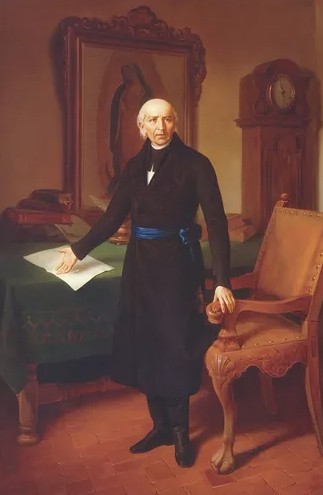
However, despite his growing army, Hidalgo hesitated to seize Mexico City, a delay that proved costly. He was eventually captured in 1811, tried for treason and heresy, and executed. Despite his short-lived leadership, Hidalgo remains a powerful symbol of Mexican independence, and September 16 is celebrated as the country’s Independence Day in his honor.
José María Morelos y Pavón (1765–1815) emerged as the second major leader of the independence movement after Hidalgo’s execution. Also a Catholic priest, Morelos was of mixed-race (mestizo) heritage, which made him more relatable to the common people. Unlike Hidalgo, Morelos was a disciplined military strategist and a visionary political thinker. He led successful campaigns across southern Mexico, capturing key cities such as Acapulco.
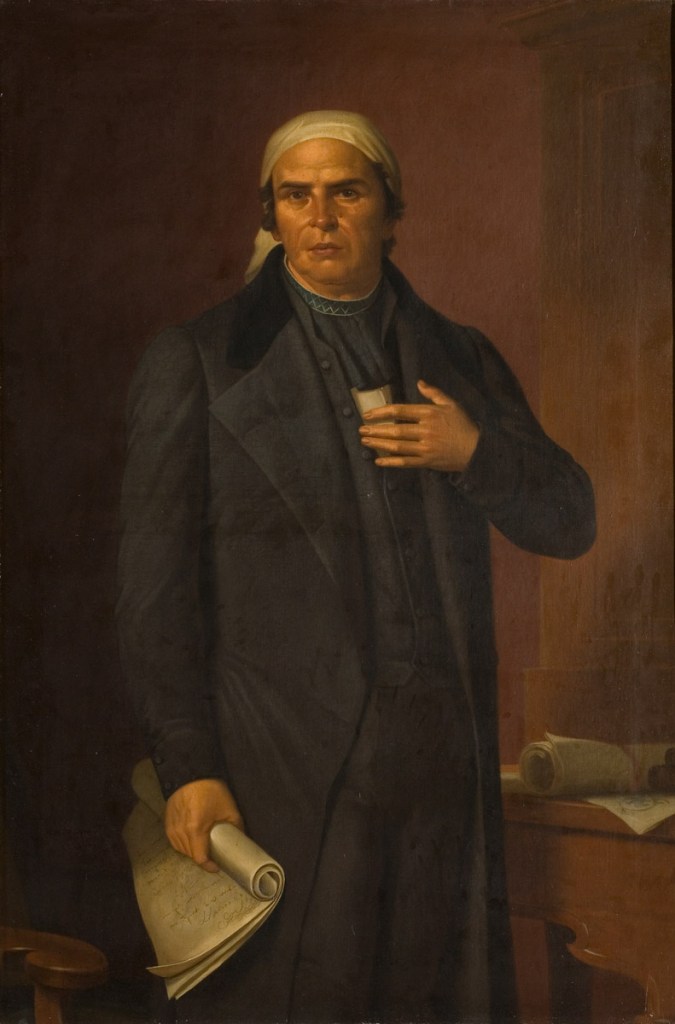
Morelos sought not only independence from Spain but also broad social reforms, including the abolition of slavery, the redistribution of land, and the establishment of legal equality. In 1813, he convened the Congress of Chilpancingo, where he introduced the “Sentimientos de la Nación” (Sentiments of the Nation), a foundational document declaring independence and outlining his vision for a just society. Despite his successes, Morelos was captured by royalist forces and executed in 1815. His contributions to both the military and ideological foundations of Mexican independence make him a revered figure in the nation’s history. Together, Hidalgo and Morelos played complementary roles in the Mexican War of Independence—Hidalgo sparked the revolutionary flame with his passionate uprising, while Morelos gave the movement strategic structure and a vision for an independent Mexican nation.

Agustín de Iturbide (1783–1824) was a pivotal and controversial figure in Mexico’s struggle for independence. Initially a royalist military officer, Iturbide fought against the insurgents during the early years of the Mexican War of Independence. However, in a dramatic turn of events in 1820–1821, he switched sides and became instrumental in securing Mexico’s independence from Spain. A member of the Criollo elite, Iturbide was disturbed by political shifts in Spain, particularly the restoration of a liberal constitution that threatened the traditional power of the Church and nobility in Mexico. Realizing that independence could preserve those interests better than continued colonial rule, Iturbide negotiated with former insurgent leader Vicente Guerrero, and together they issued the Plan of Iguala in 1821. This plan laid out three core guarantees: independence from Spain, preservation of the Catholic religion, and equality among social and ethnic groups—a move that united both royalists and insurgents under the banner of national unity. Under the Plan of Iguala, the Army of the Three Guarantees was formed, led by Iturbide himself. By September 27, 1821, the army triumphantly entered Mexico City, effectively ending colonial rule. Soon after, with widespread support, Iturbide was declared Emperor Agustín I of Mexico in 1822.
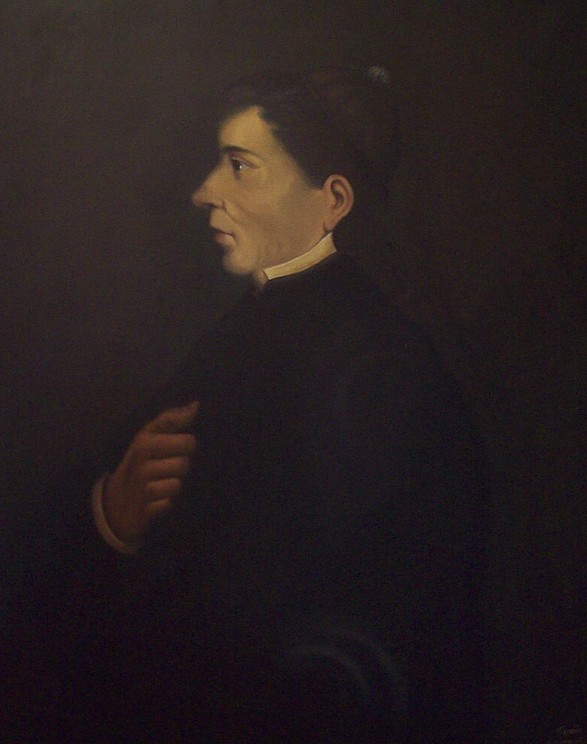
Unfortunately, Agustín de Iturbide faced severe economic challenges during his brief reign. The mining industry was in sharp decline, and agricultural output had stagnated, both deeply affected by the toll of the independence movement. To make matters worse, foreign banks and investors showed little interest in supporting Mexico’s fragile, post-independence economy. As discontent grew, liberal thinkers began openly criticizing Iturbide’s rule. In response, he clamped down on press freedoms, suppressing newspapers that opposed his administration. This crackdown provoked liberal figures like Servando Teresa de Mier and Carlos María de Bustamante to spearhead an anti-monarchist movement. Leadership of the movement eventually passed to Antonio López de Santa Anna (1794–1876) and several military officers.
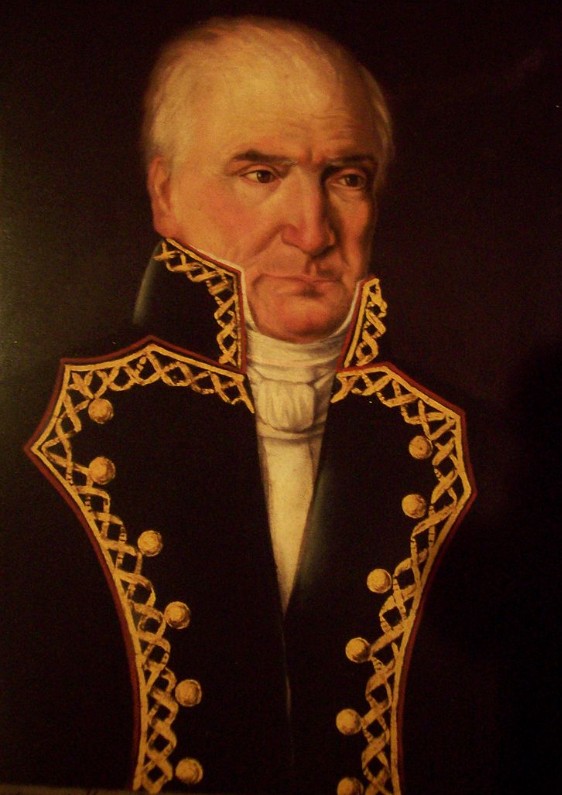
Iturbide’s monarchy lasted only ten months. His opponents issued the Plan of Casa Mata, a declaration aimed at establishing a republic in Mexico. Confronted by political unrest, economic instability, and mounting accusations of authoritarianism, Iturbide was forced to abdicate in 1823 and fled the country. When he returned in 1824—unaware that he had been declared a traitor—he was arrested and executed shortly afterward.
A Liberal Surge
With the ousting of Emperor Iturbide in 1823, Mexico entered a brief but significant liberal interlude from 1824 to 1833. This period marked the early efforts to reshape the nation’s political and social order. The liberal program aimed primarily to curtail the influence of the Catholic Church, limit the privileges of the clergy, military elites, and powerful landowners (hacendados), and to lay the foundations of a constitutional republic. In 1824, a new constitution was enacted, establishing Mexico as a federal republic composed of nineteen states and four territories. It formally separated government powers into three branches: executive, legislative, and judicial. During the constitutional debates, deep political divisions emerged between the Centralists (Centralistas), who advocated for a strong centralized government, and the Federalists (Federalistas), who pushed for regional autonomy and local governance.
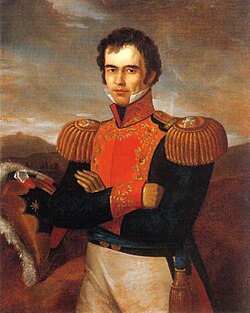
Mexico’s first elected president was Guadalupe Victoria (born Manuel Félix Fernández, r. 1824–1829). Victoria attempted to steer a moderate course between the Centralists and Federalists, but his presidency was largely marked by political instability and limited accomplishments. As his term ended, Mexico descended into a period of growing unrest, with conservative factions and Church leaders increasingly opposing the republican experiment. Their goal was not reform, but rather the dismantling of republican governance in favor of an authoritarian regime.
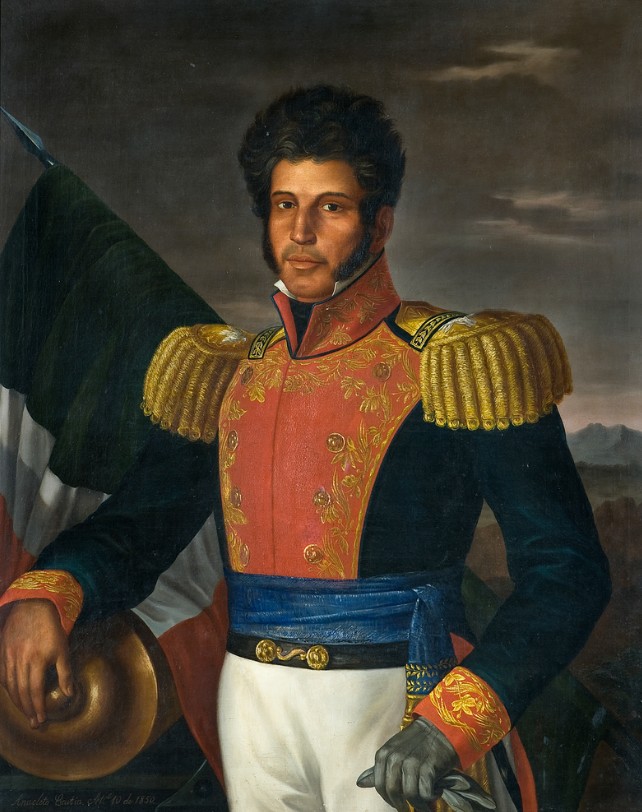
Victoria was succeeded by Vicente Ramón Guerrero Saldaña, a hero of Mexican independence. During his presidency, Mexico faced a significant external threat: the Spanish invasion of Tampico in 1829, a last-ditch effort by Spain to reclaim its former colony. Guerrero’s government was saved by Antonio López de Santa Anna, whose swift military action forced the Spanish to surrender—temporarily cementing his reputation as a national hero. However, with the external threat removed, internal divisions reemerged.
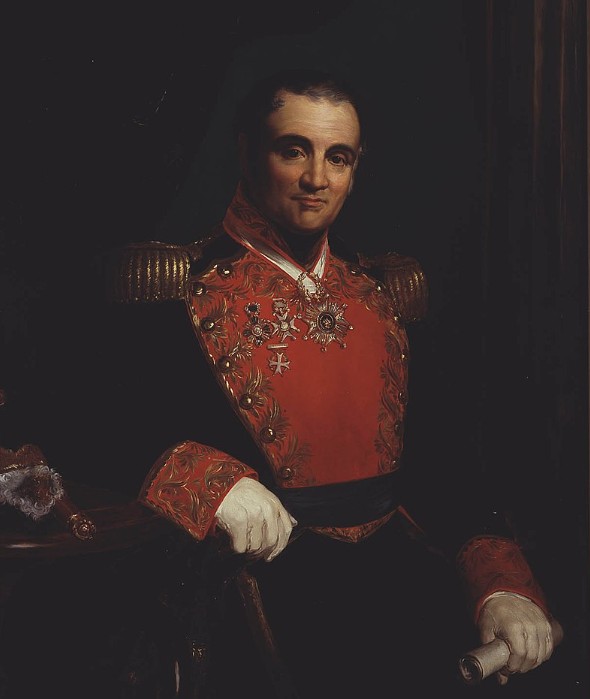
In 1830, Anastasio Bustamante y Oseguera, backed by conservative military officers, orchestrated a coup and removed Guerrero from office. Like Iturbide before him, Guerrero was ultimately executed for treason—a grim symbol of the fragility of Mexico’s early republican experiment. As one historian observed, “These events seemed to foretell an ill future of foreign invasions and military takeovers with deadly consequences for Mexico.” This prescient comment underscored the turbulent path that lay ahead for the young republic.
The Rise of Santa Ana
Bustamante’s decision to order the execution of Guerrero severely undermined his legitimacy and alienated many supporters of the republican cause. Meanwhile, Antonio López de Santa Anna, celebrated for his role in defeating the Spanish at Tampico, was rising rapidly in national prominence. Hailed as the “savior of the nation,” his popularity surged across political factions. In 1833, Santa Anna was elected president of Mexico. He initially partnered with his vice president, Valentín Gómez Farías (1781–1858), to implement a bold reform agenda aimed at secularizing the country. Their vision included curtailing the power of the Catholic Church and limiting the privileges of the military—two powerful pillars of conservative resistance. However, these reforms quickly provoked fierce backlash. Both the clergy and the military elite saw the new policies as direct threats to their traditional authority. In response, they united in calling for the removal of Santa Anna and Gómez Farías. Facing mounting opposition and political unrest, Santa Anna reversed course. In 1835, he turned against his own government, dissolved the federalist constitution, and dismantled the republic. In its place, he established a centralized authoritarian regime, legitimized by a new constitutional framework known as the Siete Leyes (Seven Laws). This charter reorganized Mexico’s political system, replacing elected state governments with departments overseen by centrally appointed officials and solidifying executive power.
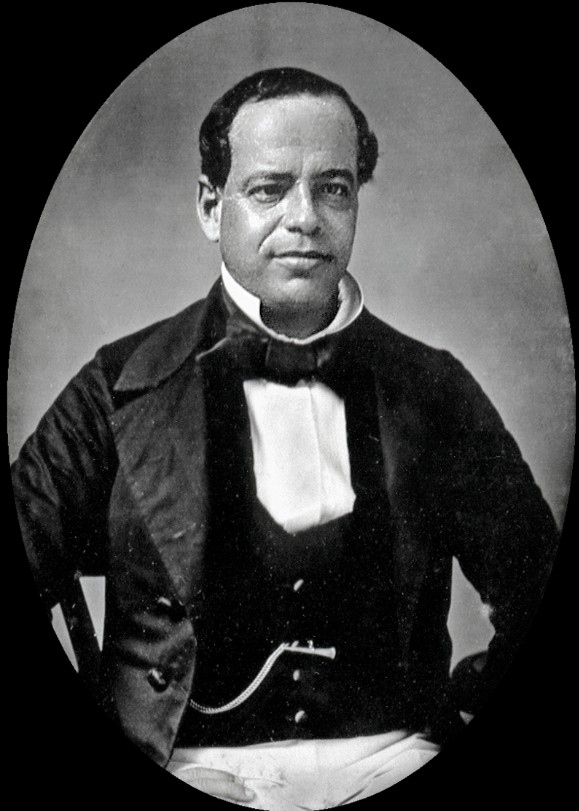
Santa Anna’s eventual downfall was closely tied to the loss of Mexico’s northern territory—Texas. Much like the Spanish colonial authorities before them, post-independence Mexican governments struggled to effectively control and settle their vast northern frontier. Despite claiming sovereignty over Texas, Mexico failed to maintain a strong presence or consistent governance in the region.

During the 1820s, a large influx of U.S. settlers crossed the Mississippi River and migrated into Texas, lured by promises of land and opportunity. However, these settlers frequently ignored Mexican laws: they refused to pay taxes, introduced slavery (which was illegal under Mexican law), and did not adhere to the official religion, Roman Catholicism. These behaviors directly violated the terms under which they were allowed to settle. Mexican officials were not unaware of the growing threat. General Manuel de Mier y Terán, after surveying Texas, issued a dire warning about the region’s future, cautioning that continued U.S. immigration could lead to the eventual loss of the territory. By 1830, Texas had a population of approximately 28,700, of whom only about 4,000 were Mexicans—a clear demographic imbalance. Alarmed, the Mexican government passed the Law of Colonization of 1830, which prohibited further immigration from the United States and sought to bolster Mexican control.
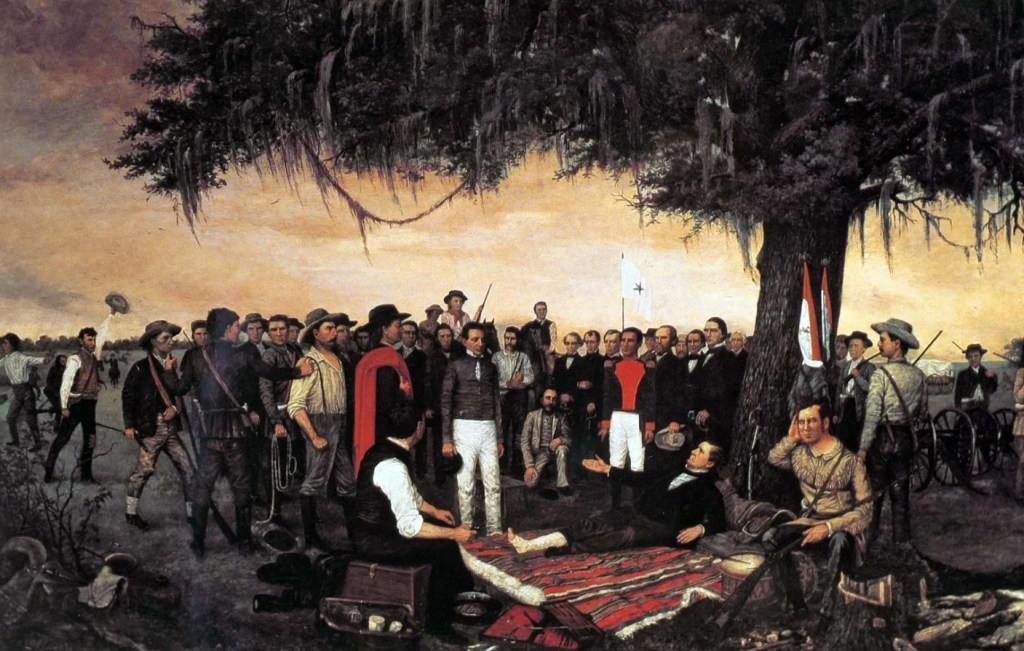
Despite these efforts, tensions continued to escalate. By 1835, Anglo-American settlers in Texas, frustrated by Mexican policies and inspired by U.S. notions of self-governance, declared independence from Mexico, setting the stage for the Texas Revolution and further undermining Santa Anna’s rule. In response to the Texas rebellion, Santa Anna launched a military campaign aimed at crushing the secessionist movement. He initially achieved a notable victory in 1836 at the Battle of the Alamo, where Mexican forces overwhelmed the Texan defenders. However, this success was short-lived. Just weeks later, Santa Anna was defeated and captured at the Battle of San Jacinto, a decisive conflict that forced him to order the withdrawal of Mexican troops from Texas.
Following this defeat, Texas declared itself an independent republic, a status it would maintain from 1836 until its annexation by the United States in 1845. Santa Anna’s capture and the loss of Texas severely damaged his reputation. He was removed from power, and Mexico plunged into deep political instability. Between 1844 and 1848, Mexico cycled through twelve different governments, making it nearly impossible to negotiate a consistent diplomatic position or reach a compromise with the U.S. over Texas. Tensions escalated further when the U.S. formally annexed Texas in 1845, an act that Mexico viewed as a direct provocation and an illegal seizure of its territory. Compounding Mexico’s difficulties was the growing American presence in California, another sparsely populated region of strategic and economic interest.
American ambitions were driven by a mix of economic expansionism, strategic interests, and nationalist ideology. Central to this mindset was the belief in Manifest Destiny, a term coined in 1845 by journalist John L. O’Sullivan, editor of the Democratic Review. O’Sullivan described it as America’s “manifest destiny to overspread the continent allotted by Providence for the free development of our yearly multiplying millions.” This ideology not only justified territorial expansion but also provided moral cover for waging war against Mexico, setting the stage for the U.S.-Mexican War in 1846.
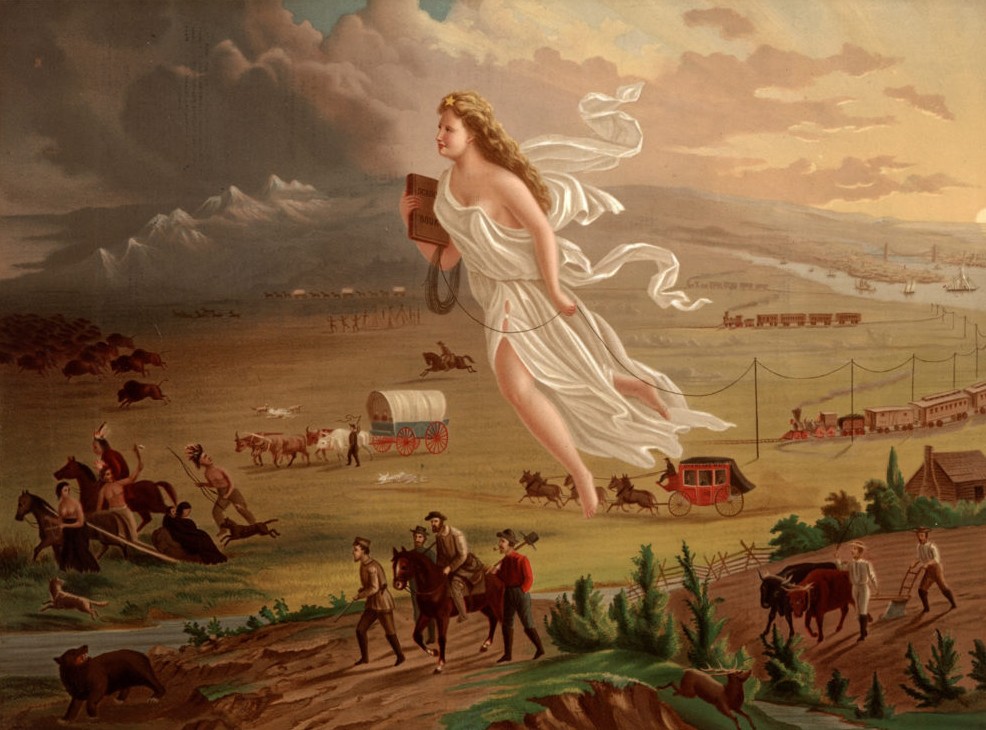
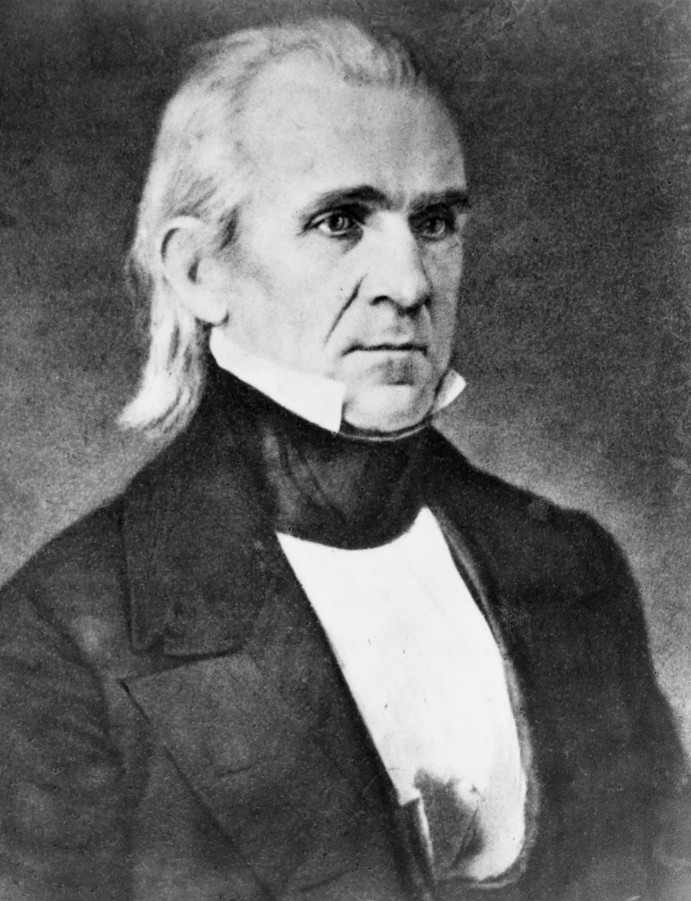
It was under the leadership of President James K. Polk (r. 1845–1849) that the United States initiated hostilities with Mexico, driven by his strong belief in Manifest Destiny. Polk deliberately escalated tensions by sending General Zachary Taylor on a military expedition into the disputed territory between the Nueces River and the Rio Grande, an area claimed by both the U.S. and Mexico. This move was seen by Mexico as an act of aggression, and when Mexican forces engaged Taylor’s troops in 1846, Polk used the clash to justify declaring war.
The initial focus of the U.S. war strategy centered on northern Mexico, particularly the regions of California, New Mexico, and Chihuahua. The aim was to seize key territories and pressure Mexico into negotiating a peace settlement. Although early successes were limited, momentum shifted in the United States’ favor after a decisive campaign led by General Winfield Scott, who captured the strategic port city of Veracruz in March 1847. This victory opened the path to Mexico City, which was occupied later that year.
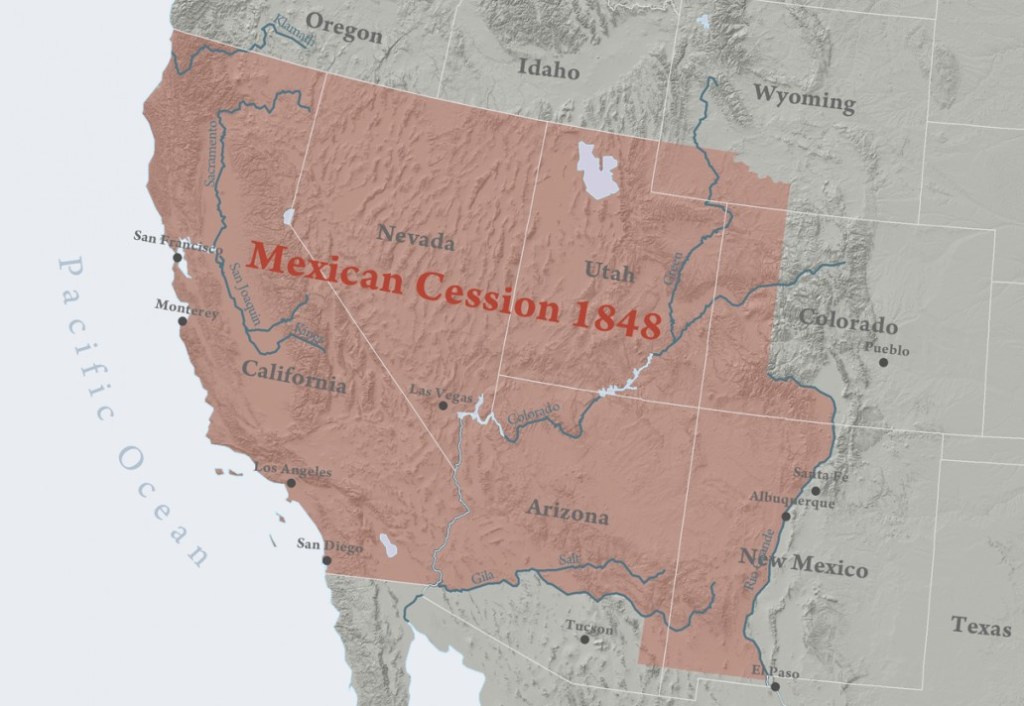
The Mexican-American War officially ended with the signing of the Treaty of Guadalupe Hidalgo in 1848. Under the terms of the treaty, Mexico ceded approximately half of its territory to the United States, including lands north of the Rio Grande, the Gila River, and up to San Diego Bay. In return, the U.S. paid Mexico $15 million and assumed approximately $3.25 million in claims that American citizens had against the Mexican government. This massive land transfer—comprising present-day California, Arizona, New Mexico, Nevada, Utah, and parts of Colorado and Wyoming—dramatically reshaped the continental U.S. and had profound consequences for both nations.
The Return of the Liberals
The disastrous outcome of the Mexican-American War (1846–1848) forced Mexico into a deep political reckoning. The defeat discredited many of the country’s long-standing political factions, including the Centralistas, Federalistas, and especially the military, which had failed to defend national sovereignty. Even the Santanistas—supporters of Antonio López de Santa Anna, who made one final attempt to restore his influence—could not reverse the tide of disillusionment. The fall of Santa Anna became inevitable, symbolizing the end of an era dominated by authoritarian rule and militarism. In the aftermath, a new generation of reform-minded intellectuals and public servants emerged. Key figures such as Melchor Ocampo (governor of Michoacán and national legislator), Santos Degollado (also a governor of Michoacán), Guillermo Prieto (chief editor of Siglo XIX), and Benito Juárez (a Zapotec lawyer and congressional delegate) became the leading voices of a revitalized liberal movement. These individuals, grounded in Enlightenment ideals and committed to national renewal, began to rethink Mexico’s institutional foundations.
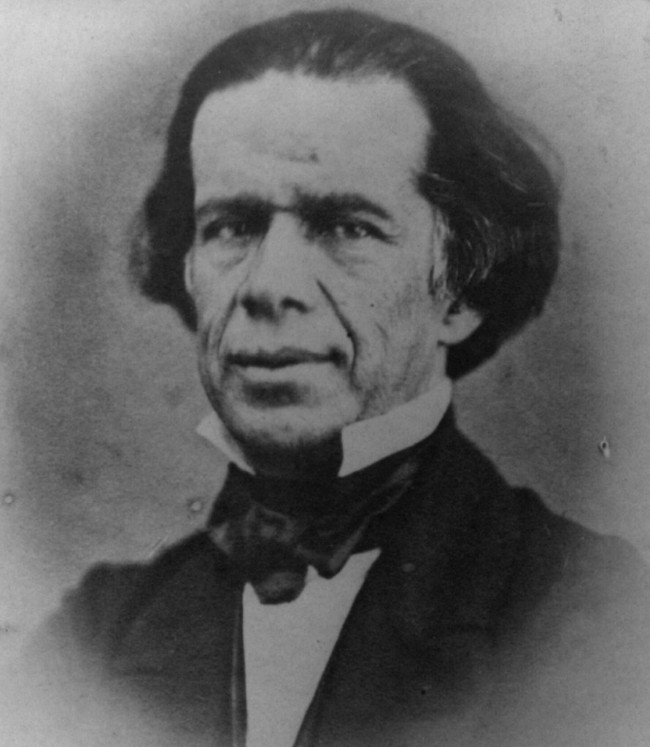
The liberals called for the dismantling of colonial privileges—they were anti-military, anti-clerical, and champions of a federal republic that promoted civil liberties, education, and secular governance. Their vision resonated with much of the Mexican public, who were frustrated with corruption, inequality, and foreign humiliation. Standing in opposition were the conservatives, who sought to preserve the traditional social and political order. This group was primarily composed of the Catholic clergy, senior military officers, and the urban elite—those who had benefitted most from colonial structures and who feared liberal reforms would undermine their authority.
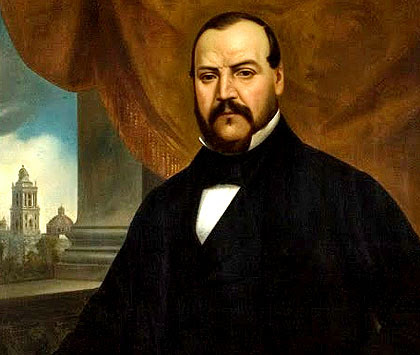
With the collapse of Santa Anna’s authoritarian regime in 1855, power shifted decisively into the hands of Mexico’s emerging liberal reformers. A provisional government was initially established, but later that same year, a more formal administration took shape under President Ignacio Comonfort (1812–1863). The new liberal leadership wasted no time in initiating a sweeping campaign to dismantle the lingering structures of the colonial past and reshape Mexico into a modern, secular, and republican state.
This period of transformation—known as La Reforma—began with a series of groundbreaking laws that targeted the entrenched power of the Catholic Church and military elite:
- The Ley Juárez (1855), named after Benito Juárez, abolished the fueros—special legal privileges that allowed clergy and military personnel to be tried in their own courts, outside of civilian jurisdiction. This law was a major step toward establishing equality before the law.
- The Ley Lerdo (1856), spearheaded by Miguel Lerdo de Tejada, sought to eliminate corporate landholding by forcing the sale of properties held by the Church and indigenous communities. While intended to foster a modern property-owning middle class and stimulate the economy, this law also had devastating effects on indigenous communal lands, disrupting traditional land tenure systems.
- The Ley Iglesias (1857), authored by José María Iglesias, prohibited the Church from charging high fees for sacraments—such as baptisms, marriages, and burials—especially to the poor. This law further curtailed clerical economic power and aimed to make religious services more accessible.
These legislative reforms culminated in the drafting and ratification of the Constitution of 1857. A landmark document in Mexican history, the constitution enshrined the core principles of 19th-century liberalism: the rule of law, individual rights, and secular governance. It introduced a comprehensive bill of rights, eliminated remaining military and clerical privileges, and reaffirmed the authority of a unicameral national congress, shifting the balance of power toward elected civilian institutions.
The liberal reforms enshrined in the Constitution of 1857 provoked fierce conservative backlash, especially from the Catholic Church and traditional elites. Unlike earlier Mexican constitutions, the 1857 document omitted a declaration of Roman Catholicism as the exclusive state religion. This omission, coupled with the earlier reform laws that curtailed Church privileges and property, led to a complete rejection of the constitution by the clergy. The Church, in alliance with conservative military leaders and wealthy elites, began organizing efforts to topple the liberal government.
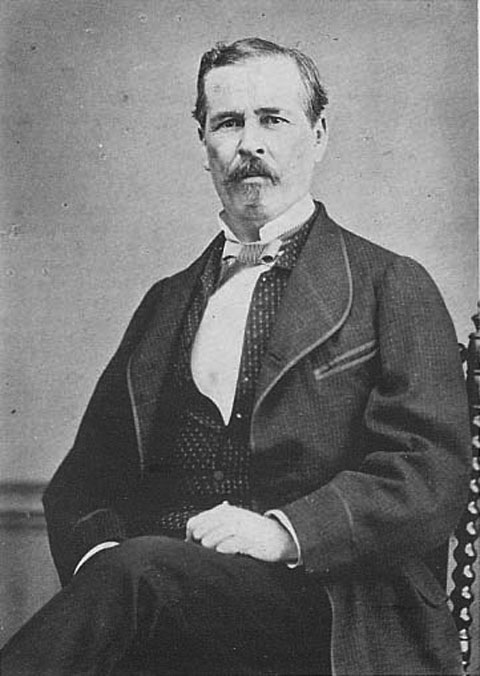
By 1858, tensions erupted into open conflict. Under the rallying cry of “Religión y Fuero”—a defense of Catholicism and traditional privileges—General Félix Zuloaga, representing conservative forces, launched a coup known as the Plan de Tacubaya, which resulted in the overthrow of President Ignacio Comonfort. The conservatives attempted to arrest Benito Juárez, then head of the Supreme Court and next in line for the presidency. Juárez, however, escaped and declared himself constitutional president, setting up a rival liberal government in Veracruz, while the conservatives held Mexico City.
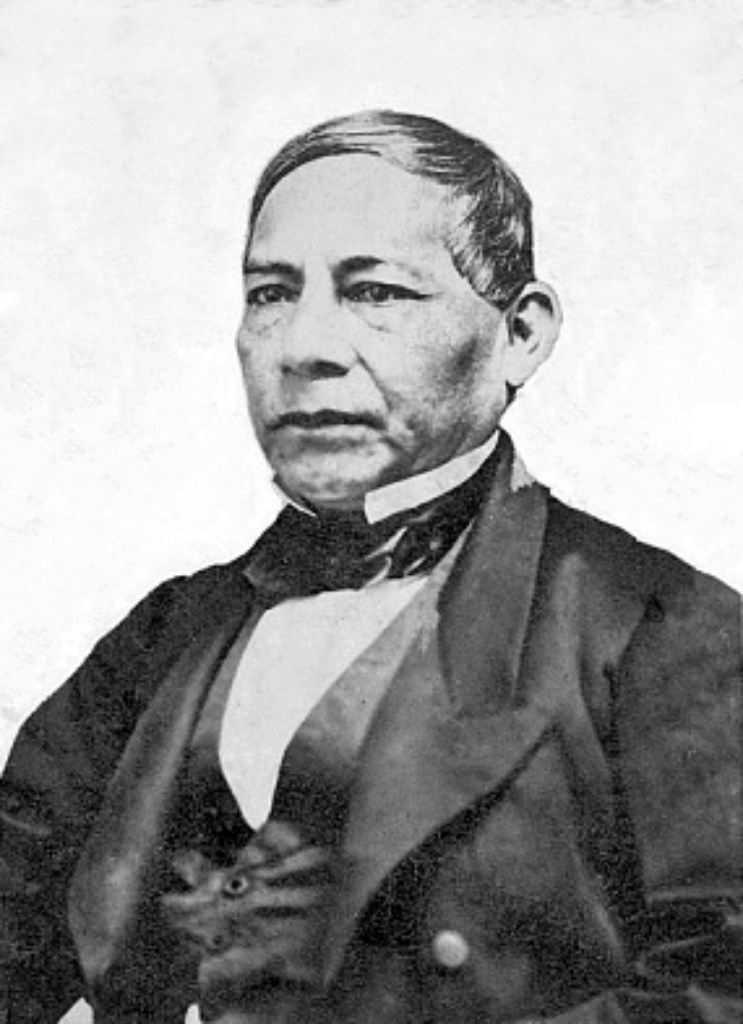
This clash ignited the War of Reform (1858–1861), a bloody civil conflict between the liberal and conservative factions. The war was fought not only over control of the state but over the very soul and structure of the Mexican nation—whether it would be a secular republic or a traditionalist state aligned with Church and military power. Though the liberals ultimately emerged victorious in 1861, the cost was enormous. The war devastated the Mexican economy, deepened internal divisions, and left the country saddled with massive debt. Despite military success, political unity remained fragile. Nevertheless, Benito Juárez was elected president in 1861, representing a significant milestone for the liberal cause and for indigenous representation in Mexican leadership.
Benito Juárez
Benito Juárez, born on March 21, 1806, in San Pablo Guelatao, Oaxaca, was of Zapotec Indigenous heritage and rose to become one of Mexico’s most influential political leaders. As a committed “Liberal Puro,” Juárez embraced the core ideals of 19th-century liberalism, which were grounded in capitalism, utilitarianism, free trade, decentralized government, individual rights, and the separation of church and state. His presidency, lasting from 1861 to 1872, was defined by a determined effort to sever Mexico’s lingering ties to Spanish conservative and clerical traditions. However, Juárez’s reform agenda was not without contradictions. While advocating free-market principles, his administration extended government support to foreign investors, thus subverting the ideals of laissez-faire capitalism. These state-backed incentives ushered in an influx of foreign capital and technology, sparking a wave of modernization—but at a significant cost to Mexico’s sovereignty and economic independence.

Over time, many of Mexico’s key industries fell under foreign control. British, French, and German interests dominated oil development, while foreigners controlled much of Mexico City’s banking sector. French companies expanded their influence over the textile industry, and American interests grew increasingly assertive. The influential American media mogul William Randolph Hearst once remarked, “I really don’t see what is to prevent us from owning all of Mexico and running it to suit ourselves,” a telling reflection of the growing perception of Mexico as a nation vulnerable to foreign economic domination.
Juárez also faced intense domestic criticism. While liberals had hoped the expropriation of Church lands would promote egalitarian land ownership, in practice, wealthy liberal landowners acquired vast estates (latifundias), often at the expense of dispossessed campesinos and Indigenous communities. Land survey schemes and forced auctions further enriched elites, deepening economic inequality and fueling accusations that Juárez had betrayed the very social justice ideals his party championed.
Mexico’s next crisis was financial. Juárez inherited a bankrupt nation reeling from the War of Reform. In response, he issued a two-year moratorium (1861) on the payment of Mexico’s foreign debt. Alarmed, Spain, Great Britain, and France feared that this might signal a permanent repudiation of Mexico’s obligations. The three nations responded by signing the Tripartite Convention in 1861, which called for the joint military occupation of Mexico’s coastline to secure debt repayment.
The Convention included provisions that appeared to protect Mexican sovereignty:
| The high contracting parties bind themselves not to seek for themselves, in the employment of coercive measures foreseen by the present convention, any acquisition of territory, or any peculiar advantage, and not… impair the right of the Mexican Nation to choose and freely constitute the form of its own government. |
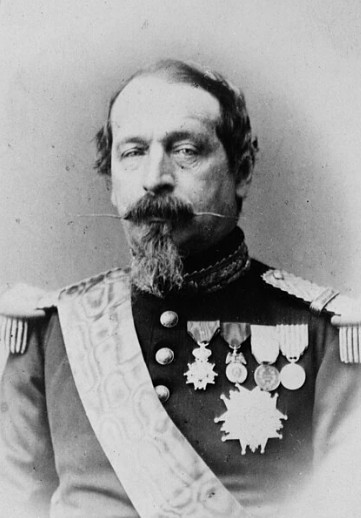
While Britain and Spain adhered to the agreement’s non-interventionist framework and later withdrew, France did not. Under the rule of Napoleon III (Charles Louis Napoleon Bonaparte), France pursued a more aggressive and expansionist foreign policy. The debt dispute became a pretext for a French imperial venture in Mexico, setting the stage for the Second French Intervention and the attempted establishment of a monarchical regime under Maximilian of Habsburg.
The French Interlude
Napoleon III, seeking to reassert French influence in the Americas, saw the Tripartite Convention of 1861 not as a limit but as a launching pad for imperial ambitions. Unlike Britain and Spain—who withdrew from Mexico after initial negotiations—France remained, driven by expansionist aims cloaked in the language of debt collection and order. French General Charles de Lorencez led troops inland, expecting to be welcomed in Puebla, under the mistaken belief—shared by the French minister in Mexico—that the population would embrace French intervention.
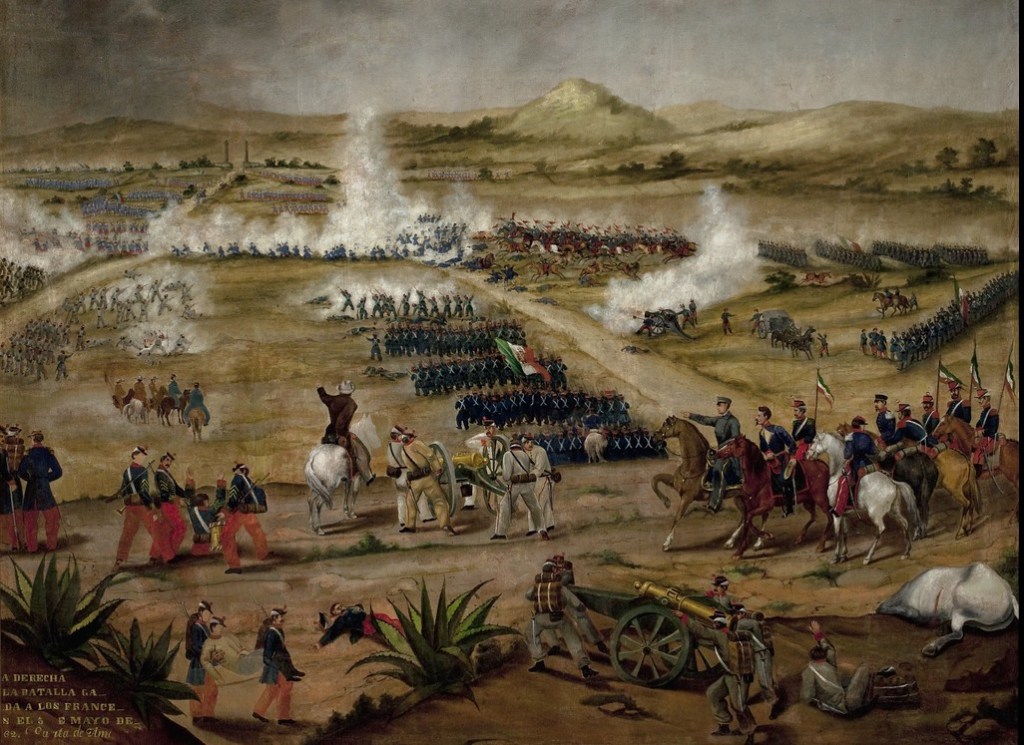
President Benito Juárez entrusted the defense of Puebla to General Ignacio Zaragoza, who organized a determined resistance. On May 5, 1862, Lorencez launched an attack on Puebla, but was repelled in a stunning Mexican victory. The battle’s turning point came when Brigadier General Porfirio Díaz, a rising military talent, defended Zaragoza’s right flank, halting a major French assault. This victory became immortalized as Cinco de Mayo, a national holiday celebrating resistance against imperialism.
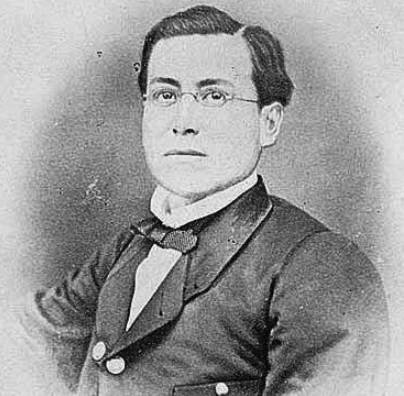
However, this triumph was temporary. Humiliated, Napoleon III dispatched over 30,000 reinforcements to Mexico. The French captured Puebla in a second offensive and marched on Mexico City, forcing Juárez and his government to retreat to San Luis Potosí. With the United States still embroiled in civil war and unable to enforce its regional dominance, Napoleon moved forward with his boldest plan yet: to establish a monarchy in Mexico aligned with French interests.
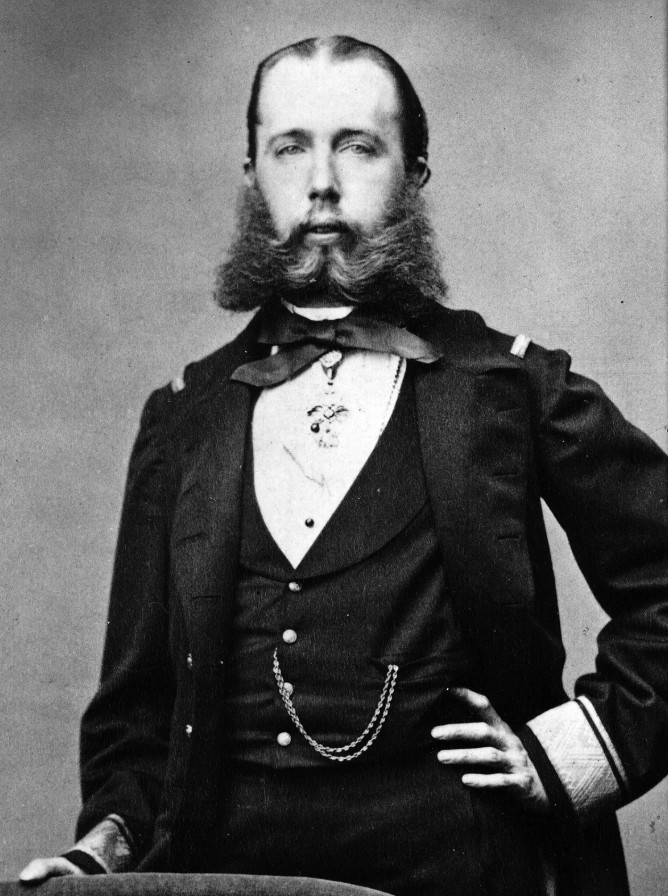
In July 1863, conservative Mexican elites and Napoleon’s envoys offered the Mexican crown to Archduke Ferdinand Maximilian of Austria, a member of the Habsburg dynasty. Maximilian and his wife Carlotta of Belgium arrived in June 1864 to preside over the so-called Second Mexican Empire (1864–1867).
But rather than being welcomed, Maximilian faced fierce opposition from multiple sides:
- Liberal Republicans, led by Juárez, rejected any form of monarchy.
- Nationalist conservatives, despite initially backing foreign intervention, now balked at the idea of foreign rule.
- Even religious conservatives turned against Maximilian when he declared support for the Laws of Reform, including restrictions on the Church.
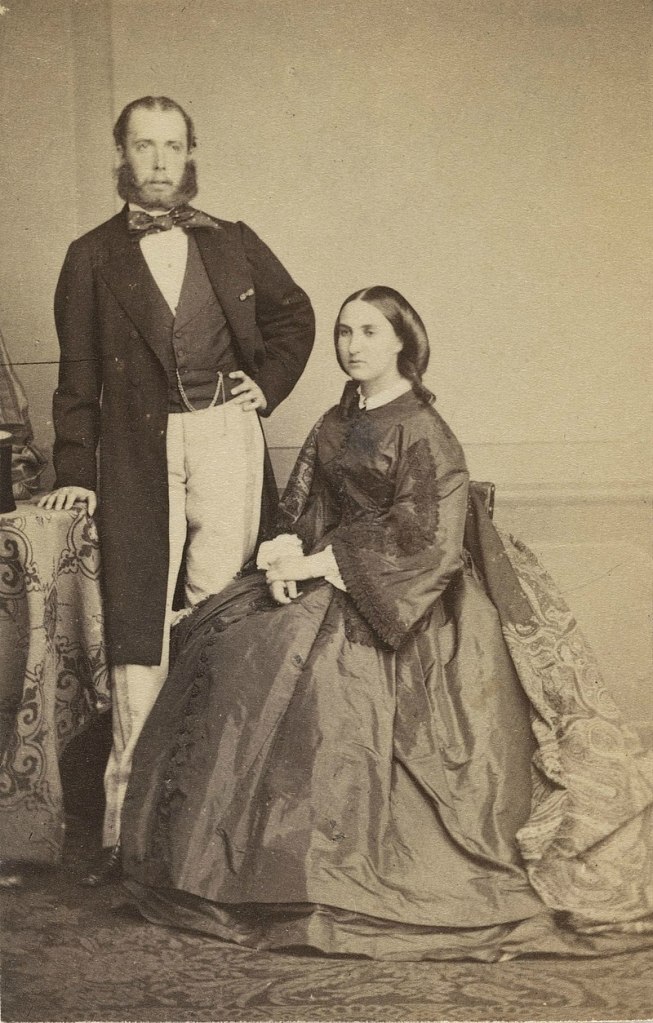
As the American Civil War ended in 1865, the United States turned its attention back to Mexico. Firmly committed to the Monroe Doctrine—which President James Monroe had declared in 1823, stating that the Western Hemisphere was no longer open to European colonization—U.S. officials began pressuring France. The U.S. refused to recognize Maximilian’s regime and demanded a French withdrawal. Fearing direct conflict with the United States, Napoleon III withdrew his support and troops by 1867, effectively dooming the imperial project. Left without support, Maximilian was captured, tried, and executed by firing squad on June 19, 1867, under Juárez’s orders. The Republic was restored, and Juárez returned to Mexico City as president.
However, the restoration of the Republic did not restore unity. A deepening divide emerged within the Liberal camp—between the Puros (radical liberals committed to strict constitutionalism and reform) and moderate liberals who were more pragmatic in their approach to governance. Controversy erupted when Juárez issued a decree in November 1865 extending his presidency until elections could be held—an act many considered unconstitutional. He further provoked dissent through his Convocatoria, a proposed constitutional reform to grant the president veto power over legislation, which critics saw as a centralization of power.
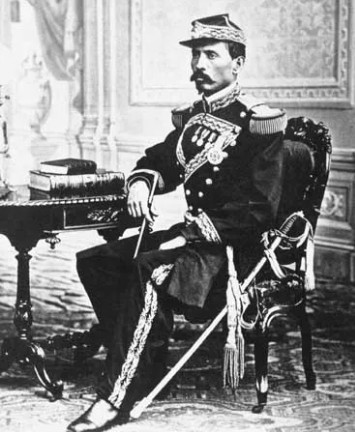
Porfirio Díaz, a decorated war hero and rising figure among the Puros, emerged as Juárez’s main political rival. In the presidential election of 1867, Díaz ran against Juárez but was defeated, and also failed to secure the position of President of the Supreme Court. In 1871, Juárez again ran for re-election against Sebastián Lerdo de Tejada and Porfirio Díaz. Amid accusations of electoral fraud, tensions reached a boiling point. On November 8, 1871, Díaz issued the Plan de la Noria, a formal rebellion denouncing Juárez’s reelection and demanding enforcement of the Constitution of 1857 and electoral integrity. Ironically, the rebellion lost momentum with Juárez’s sudden death on July 18, 1872, effectively ending the immediate crisis.
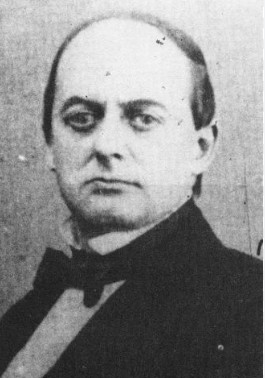
Following the death of Benito Juárez in 1872, the presidency passed to Sebastián Lerdo de Tejada (1827–1889), who was then serving as Chief Justice of the Supreme Court—a position that, under the Constitution of 1857, made him the legitimate interim successor. Although initially intended to serve only until new elections could be held, Lerdo took strategic measures to secure his own election to the presidency. He granted amnesty to the rebels of the Plan de la Noria, including Porfirio Díaz, while simultaneously ensuring that Juaristas remained in control of the federal and local governments. This calculated move preserved continuity and appeased opposition forces, helping Lerdo win the presidency later in 1872.
Lerdo’s presidency focused on consolidating the gains of La Reforma, expanding railroads, promoting public education, and defending the secular state. However, his political maneuvering and eventual decision to seek re-election in 1876 provoked fierce resistance. That same year, Porfirio Díaz issued the Plan de Tuxtepec, a political manifesto that accused Lerdo of violating constitutional principles by seeking another term. In the Plan de Tuxtepec, Díaz called for “effective suffrage and no re-election,” echoing liberal ideals of democracy and municipal autonomy. He implied support for federalism and expressed sympathy for rural struggles, particularly those of peasants facing dispossession by large landowners. However, once in power, Díaz would abandon many of these principles.
In Closing
Ironically, the very leader who rose to prominence by denouncing centralization and elite control would go on to preside over an increasingly authoritarian regime. As president, Díaz centralized political authority, promoted unregulated capitalism, and accelerated the disentailment of communal lands, further displacing Indigenous and peasant communities. Although his regime brought infrastructure growth, foreign investment, and relative political stability, it did so at the cost of growing inequality and the exclusion of large segments of the population.
These contradictions—between rhetoric and reality, order and repression, growth and dispossession—would culminate in deep national discontent. By 1910, after more than three decades of Díaz’s rule (known as the Porfiriato), the stage was set for a new era of upheaval: the Mexican Revolution, a social and political movement that would redefine the Mexican state in the 20th century.
 World History Portal