IDENTITY AND SELF: EXTERNAL AND INTERNAL FACTORS
| Key Points: *Identity and self are shaped by both internal factors (psychology, biology) and external influences (society, culture, media). *Classical theories (Cooley, Mead, Goffman) emphasize social interaction, while modern theories (Tajfel, Crenshaw) highlight group dynamics and power structures. *Identity is fluid, performative, and intersectional, changing across different contexts and life stages. *Understanding theories of identity and self is crucial for analyzing human behavior, social interactions, and cultural dynamics. As we move forward in this course, keep in mind how your own identity is shaped by the social world and how it evolves in response to new experiences Consider the Following: 1. Which theory of identity do you find most convincing, and why? 2. How do different social settings influence how you present yourself? 3. Can identity ever be “fixed,” or is it always evolving? 4. How does intersectionality help us understand identity struggles in society today? |
Introduction: What is Identity and Self and Why Study Them?
Identity and self are central concepts in the social sciences because they define who we are as individuals and as members of society. Our sense of self is shaped by personal experiences, social interactions, and cultural influences. Today, we will explore different theories of identity and self from sociology, psychology, and philosophy, understanding how they help explain the way individuals construct and present themselves in the social world. But first, what exactly is identity?
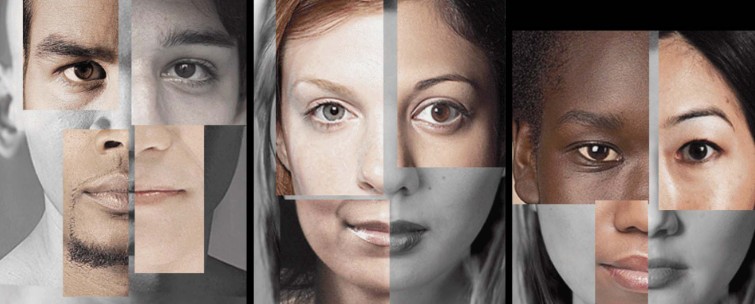
Identity is a complex and multi-layered concept that defines who we are as individuals and how we relate to the world around us. It consists of several interconnected aspects. Personal identity refers to the unique traits, values, and experiences that distinguish an individual, shaping their sense of self. Social identity, on the other hand, is derived from group affiliations, such as gender, ethnicity, nationality, and religion, influencing how individuals see themselves in relation to others. Additionally, cultural identity encompasses the shared traditions, values, and practices that influence an individual’s worldview, often rooted in history, language, and societal norms.
Identity is not a fixed or static construct; rather, it is dynamic, evolving over time based on life experiences, social interactions, and changes in environment. As people encounter new influences, challenges, and opportunities, their identity adapts, reflecting both personal growth and the shifting cultural and social landscapes they navigate.
In contrast, the self is the core of an individual’s consciousness, encompassing their thoughts, emotions, and perceptions of who they are. It is both a psychological and social construct, shaped by internal experiences and external interactions. In psychology, the self is often divided into different aspects, including self-awareness (the ability to recognize oneself as an individual), self-concept (the beliefs and perceptions a person has about themselves), and self-esteem (the value one assigns to their own identity).
From a sociological perspective, the self is seen as a product of social interactions and cultural influences. The self is also dynamic and constantly evolving. As individuals grow, experience new environments, and engage with different social roles, their self-concept adapts. In the digital age, the concept of self extends beyond physical interactions to online identities, where individuals curate and present different aspects of themselves in virtual spaces. Whether understood through psychology, sociology, or philosophy, the self remains central to discussions of identity, consciousness, and human behavior.
Early Theories of the Self and Identity
Theories of the self have long been explored in philosophy, psychology, and sociology, each seeking to define human identity, consciousness, and personal development. Philosophers such as René Descartes introduced the idea of self-awareness, famously declaring, “Cogito, ergo sum” (“I think, therefore I am”), which framed the self as a thinking entity. Later, John Locke proposed that personal identity is shaped by memory and the continuity of consciousness over time. In psychology, William James differentiated between the “I” (the subjective self) and the “Me” (the objective self, shaped by social roles and experiences). Sigmund Freud further expanded the concept of self through his psychoanalytic model, dividing it into the id (instinctual desires), ego (rational self), and superego (moral conscience). Meanwhile, in sociology, George Herbert Mead and Charles Cooley highlighted the social nature of self-development. Cooley’s looking-glass self theory suggested that individuals form their identities based on how they believe others perceive them. These foundational theories have shaped contemporary understandings of identity, personality, and social behavior, continuing to influence both psychological and philosophical perspectives on the self. Let us explore some of these early theories in more detail.

The Looking-Glass Self, developed by Charles Horton Cooley in 1902, is a sociological concept that explains how individuals form their self-identity through social interactions. Cooley argued that our self-concept is not developed in isolation but is shaped by our perception of how others see us. He proposed that people act as mirrors to each other, reflecting judgments and expectations that influence personal identity. This process occurs in three steps. First, we imagine how we appear to others—for example, a student may believe their classmates see them as intelligent. Second, we interpret others’ reactions based on their feedback or behavior. If the student receives praise for their insights, they may see themselves as smart, whereas if they are ignored, they may feel unimportant. Finally, we develop our self-concept based on these perceptions. Over time, the student may internalize confidence or self-doubt depending on the feedback they receive.
Cooley’s theory highlights the social nature of self-development, emphasizing that identity is not static but continually shaped by interactions with others. This idea remains highly relevant today, particularly in the age of social media, where people constantly receive feedback on their online presence. However, the theory has also faced criticism for assuming that individuals are overly dependent on external validation. In reality, some people may form strong self-concepts independently of others’ opinions. Despite this limitation, the Looking-Glass Self remains a foundational concept in understanding identity formation and social influence.
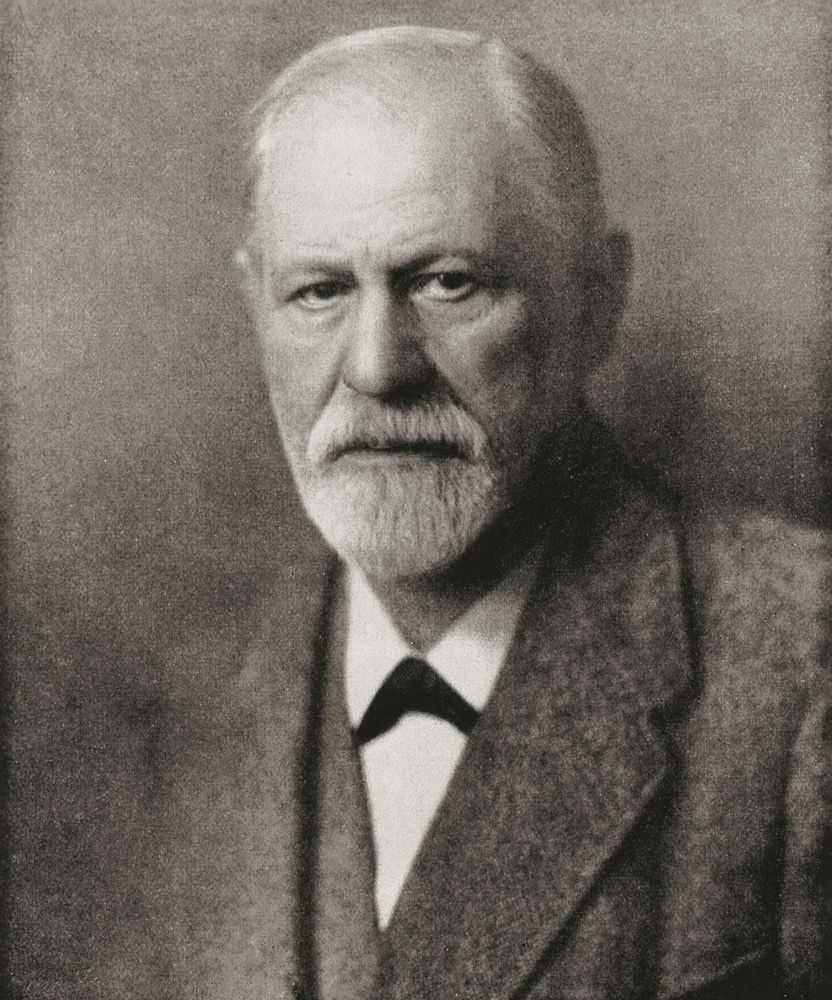
Psychoanalytic Theory, developed by Sigmund Freud in 1923, is a foundational perspective in psychology that explores how unconscious forces shape identity and behavior. Freud proposed that human personality is structured into three key components: the id, the ego, and the superego. The id represents innate, instinctual desires, seeking immediate gratification for basic needs such as hunger, pleasure, and aggression. The superego acts as the moral conscience, internalizing societal norms and expectations learned from parents and culture. The ego functions as a mediator between the impulsive id and the restrictive superego, ensuring that desires are expressed in socially acceptable ways.
According to Freud, identity develops through a series of psychosexual stages—oral, anal, phallic, latency, and genital—where unresolved conflicts at each stage can influence personality and behavior in adulthood. He also introduced the concept of the unconscious mind, suggesting that repressed memories and desires influence our thoughts and actions without conscious awareness. His theory was groundbreaking in highlighting the role of childhood experiences and internal conflicts in shaping identity.
While Freud’s Psychoanalytic Theory has had a lasting impact on psychology, it has been widely criticized for its lack of empirical evidence, overemphasis on sexuality, and deterministic view of personality. Despite these criticisms, Freud’s ideas remain influential in fields such as psychotherapy, personality theory, and cultural studies, shaping discussions on identity, self-awareness, and human motivation.
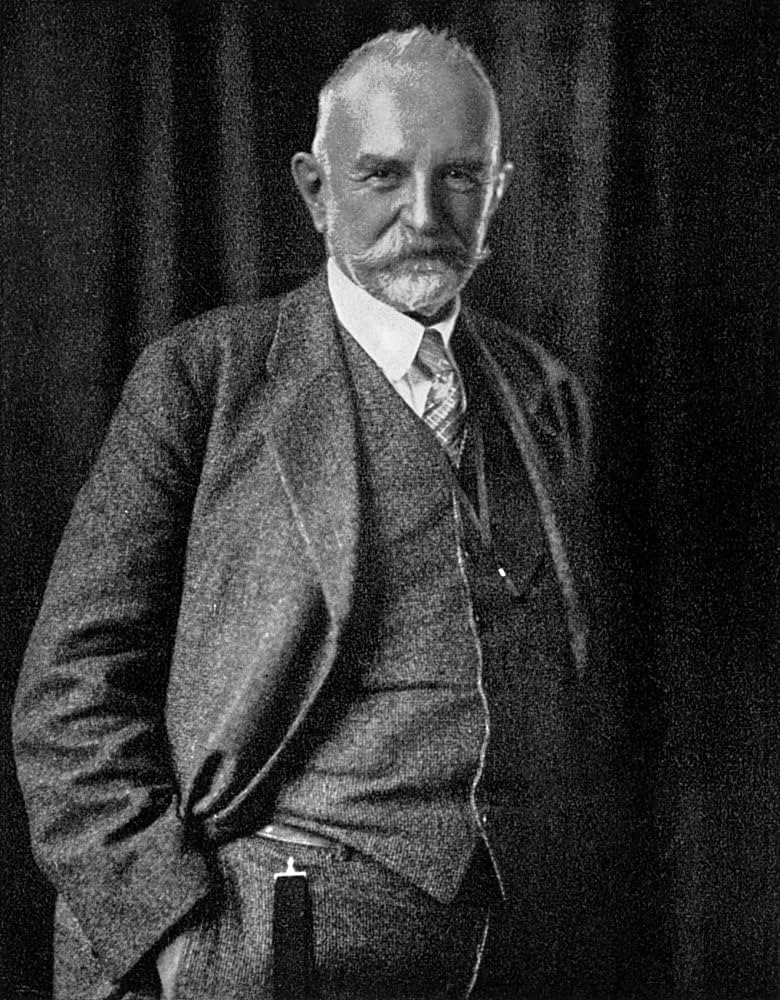
The “I” and the “Me” is a concept introduced by George Herbert Mead in 1934 to explain the dual nature of the self in social interactions. Mead, a symbolic interactionist, argued that self-identity is developed through social experiences and communication. He proposed that the self is composed of two parts: the “I”, which represents the spontaneous, impulsive, and creative aspect of the individual, and the “Me”, which reflects the internalized social norms, expectations, and roles learned from society. The “I” is the source of individuality, innovation, and personal agency, allowing a person to act freely and make independent choices. In contrast, the “Me” is the socialized self, shaped by interactions with others, guiding behavior according to societal standards.
For example, when a person is in a formal setting like a job interview, the “Me” ensures they behave professionally, following expected norms, while the “I” may influence spontaneous responses or creative problem-solving during the conversation. Mead’s theory suggests that identity is formed through ongoing interactions between these two aspects of the self, balancing individual agency with social influence. This concept remains crucial in understanding how people navigate different social roles, conform to norms, and exercise free will. However, some critics argue that Mead’s emphasis on socialization underestimates biological influences on personality and decision-making. Despite this, his theory remains a foundational framework in sociology and psychology for analyzing self-identity and human behavior.

The concept of Dramaturgy, introduced by Erving Goffman in 1959, explains social interactions as a form of theatrical performance where individuals play different roles depending on the social context. Goffman argued that, much like actors on a stage, people engage in impression management, carefully controlling how they present themselves to others in order to influence social perceptions. He distinguished between two main settings in this performance: the front stage and the back stage. The front stage is where individuals actively perform their roles according to societal expectations—such as a teacher maintaining authority in a classroom or a waiter providing friendly service to customers. The back stage, in contrast, is where individuals can relax, drop their public persona, and prepare for future performances—like a teacher expressing frustration in the staff room or a waiter taking a break and speaking casually with colleagues.
Goffman’s theory emphasizes that identity is fluid and context-dependent, shaped by the need to maintain social order and meet audience expectations. His work has been particularly influential in understanding social interactions in professional, personal, and digital spaces, where people carefully curate their public image. However, some critics argue that dramaturgy implies that individuals are always performing and lack an authentic self, reducing human interaction to mere manipulation. Despite this, Goffman’s framework remains a fundamental perspective in sociology, psychology, and communication studies, offering valuable insights into self-presentation and social behavior in everyday life.
Modern Theories of Identity and Self
Social Identity Theory, developed by Henri Tajfel and John Turner in 1979, explains how individuals derive a sense of self from their membership in social groups. The theory suggests that people categorize themselves and others into groups based on characteristics such as race, nationality, gender, religion, or profession. This categorization helps individuals develop a social identity, which is the part of their self-concept derived from belonging to a group. Tajfel and Turner identified three key psychological processes in social identity formation: social categorization, social identification, and social comparison.

In the first stage, social categorization, individuals classify themselves and others into groups (e.g., “I am a student,” “I am an American”). In the second stage, social identification, individuals adopt the norms, behaviors, and values associated with their group, strengthening their sense of belonging. Finally, in social comparison, people compare their group to others, often leading to in-group favoritism (preferring one’s own group) and out-group bias (viewing other groups negatively). This process explains phenomena like nationalism, workplace identity, and even sports team rivalries.
Social Identity Theory has been instrumental in understanding group dynamics, prejudice, discrimination, and intergroup conflicts. It helps explain why individuals may show loyalty to their group while distancing themselves from outsiders. However, critics argue that the theory overemphasizes group influence and underestimates individual identity, personal choice, and cross-group cooperation. Despite this, Social Identity Theory remains widely applied in psychology, sociology, and political science to analyze how group affiliations shape human behavior and societal interactions.

Intersectionality, introduced by Kimberlé Crenshaw in 1989, is a framework that examines how multiple aspects of identity—such as race, gender, class, sexuality, and disability—intersect to create unique experiences of privilege and oppression. Crenshaw, a legal scholar and critical race theorist, developed this concept to highlight how traditional approaches to discrimination often overlook the ways in which different social identities compound inequalities. She argued that systems of oppression (such as racism, sexism, and classism) are not separate but interconnected, affecting individuals in complex ways.
For example, a Black woman may experience discrimination differently from a white woman or a Black man because she faces both racism and sexism simultaneously. Similarly, a disabled immigrant may encounter challenges that differ from those faced by non-disabled or native-born individuals. Intersectionality is particularly useful in analyzing legal cases, workplace discrimination, healthcare disparities, and social justice movements, ensuring that policies and activism account for diverse and overlapping experiences.
While intersectionality has been widely embraced in feminist, sociological, and legal studies, critics argue that it lacks a clear methodological approach and can sometimes overcomplicate identity politics. Nevertheless, it remains a crucial tool for understanding social inequality and advocating for more inclusive policies that recognize the diversity of human experiences.
Contemporary Perspectives on Identity
In the modern world, identity is increasingly fluid due to globalization, digital technology, and social movements. Some emerging perspectives include:
Digital Identity refers to the way individuals present and manage their personal and social identities in online spaces. In the digital age, identity is no longer confined to physical interactions but extends across social media platforms, online communities, and digital transactions. A person’s digital identity is shaped by their online presence, including social media profiles, email accounts, browsing history, and digital footprints, which collectively influence how they are perceived by others. This identity can be intentionally curated, as people often manage their online personas to align with their personal, professional, or social goals.
One key aspect of digital identity is self-presentation, where individuals control how they appear online through profile pictures, status updates, and shared content. Another critical factor is privacy and surveillance, as data collection by corporations and governments raises concerns about digital security, identity theft, and online manipulation. Moreover, the fluidity of digital identity allows individuals to experiment with different aspects of self-expression, sometimes leading to issues such as anonymity, cyberbullying, or misinformation.
While digital identity offers opportunities for global connectivity and self-expression, it also presents challenges related to authenticity, data privacy, and digital inequality. As digital interactions become increasingly central to daily life, understanding and managing one’s digital identity is essential for navigating the complexities of the modern world.
Postmodern Identity refers to the idea that identity in contemporary society is fluid, fragmented, and constantly evolving rather than fixed or stable. Emerging from postmodernist thought, which challenges grand narratives and universal truths, postmodern identity emphasizes that individuals no longer have a single, unified sense of self but instead construct multiple, shifting identities based on different social contexts and interactions. Thinkers like Michel Foucault, Jean Baudrillard, and Judith Butler argue that identity is not an inherent essence but a social construct shaped by cultural, technological, and political influences.
A key feature of postmodern identity is decentralization, meaning that individuals no longer define themselves solely by traditional markers such as nationality, religion, or class but instead adopt hybrid identities influenced by global media, consumer culture, and digital technology. For example, someone may identify as a professional in one setting, an activist in another, and an anonymous participant in an online community, depending on the situation. Judith Butler’s theory of gender performativity further illustrates this idea, suggesting that gender identity is not a fixed biological trait but a series of repeated social performances.
Postmodern identity also highlights the role of media and technology in shaping self-concept. Social media, for instance, allows individuals to curate multiple online personas, leading to questions about authenticity and self-representation. However, critics argue that postmodern identity theory can be overly relativistic, making it difficult to address real-world inequalities and systemic power structures. Despite this, postmodern perspectives remain influential in understanding contemporary identity, particularly in an era where globalization, digital culture, and rapid societal changes redefine how people see themselves and interact with the world.
Neuroscientific perspectives on identity and self focus on understanding how the brain shapes personal identity, self-awareness, and consciousness. Unlike sociological and psychological theories, which emphasize external influences and social interactions, neuroscience examines the biological and cognitive mechanisms that contribute to self-perception, memory, and personal continuity over time. Researchers in this field explore how neural networks, brain structures, and neurochemical processes contribute to the development and maintenance of identity.
One of the central areas of study is the default mode network (DMN), a system of brain regions—including the medial prefrontal cortex, posterior cingulate cortex, and temporoparietal junction—that is active when individuals engage in self-referential thinking, such as recalling personal experiences or imagining future scenarios. The DMN is believed to play a crucial role in self-awareness, autobiographical memory, and the ability to construct a coherent sense of self across time. Damage to these brain regions, such as in cases of traumatic brain injury or neurodegenerative diseases like Alzheimer’s, can lead to disruptions in self-identity.
Another key area of study is the role of emotions and social cognition in identity formation. The amygdala, which processes emotions, interacts with the prefrontal cortex to influence personality traits and decision-making, while the mirror neuron system enables individuals to recognize and relate to others, shaping social identity. Additionally, research on neuroplasticity—the brain’s ability to reorganize and form new neural connections—suggests that identity is not static but dynamic, evolving with new experiences, learning, and changes in brain function.
While neuroscience provides valuable insights into the biological basis of selfhood, some critics argue that it cannot fully explain the complexity of identity, which is also shaped by cultural, social, and psychological factors. Nevertheless, neuroscientific approaches contribute significantly to understanding conditions such as dissociative identity disorder (DID), autism spectrum disorder, and schizophrenia, all of which affect self-perception and identity coherence. As research advances, neuroscience continues to bridge the gap between biology and social science, offering a deeper understanding of how identity emerges from the intricate workings of the human brain.
In Closing
What is the key take away from this lesson? First and foremost, it is that identity and self are dynamic and multifaceted concepts shaped by personal experiences, social interactions, cultural influences, and even biological processes. Theories from philosophy, psychology, sociology, and neuroscience offer diverse perspectives on how individuals construct and present their identities in an ever-changing world. From early philosophical debates to modern discussions on digital and postmodern identity, it is clear that the self is not a fixed entity, but an evolving construct influenced by both internal and external factors. As society continues to transform through globalization and technological advancements, our understanding of identity must also adapt, highlighting the ongoing complexity of what it means to be human.
 World History Portal