IDENTITY AND THE SOCIAL WORLD
| Key Points: *Understanding identity requires analyzing its relationship with social groups, institutions, and cultural perspectives. *Families, peer groups, and communities are primary agents of socialization. *Social identities (race, gender, socioeconomic status) are embedded in power systems and can be a tool for empowerment or oppression *Education reinforces identity through formal learning, social interactions, and implicit lessons. *Religious identity can both unite and divide societies and provides moral guidance, social belonging, and identity through rituals and community. Consider the Following: 1. What is the role of social groups and collective identity? 2. What influence do institutions such as family, education, and religion have on identity? 3. What impact does cultural perspectives have on identity formation? 5. Can one argue that identity is both personally experienced and socially constructed? |
Identity and the Social World
Identity is a fundamental aspect of human existence, shaping how individuals perceive themselves and how they are perceived by others. It is not formed in isolation but emerges through interactions with society, influenced by social groups, cultural frameworks, and institutional structures. From the earliest stages of life, people are embedded within communities that provide a sense of belonging, shared norms, and expectations that shape their self-concept. Whether through family, peer groups, national identity, or religious affiliation, individuals continuously negotiate their place within social structures.
A crucial component of identity is collective identity, which refers to an individual’s sense of belonging to a particular social group. This collective sense of self is reinforced through shared experiences, traditions, and group affiliations, influencing not only personal identity but also societal dynamics. The way individuals categorize themselves into “in-groups” and “out-groups” affects social cohesion, intergroup relations, and even power dynamics within society. The formation of identity is also deeply connected to social institutions such as family, education, and religion, which play a pivotal role in shaping values, behaviors, and cultural expectations.
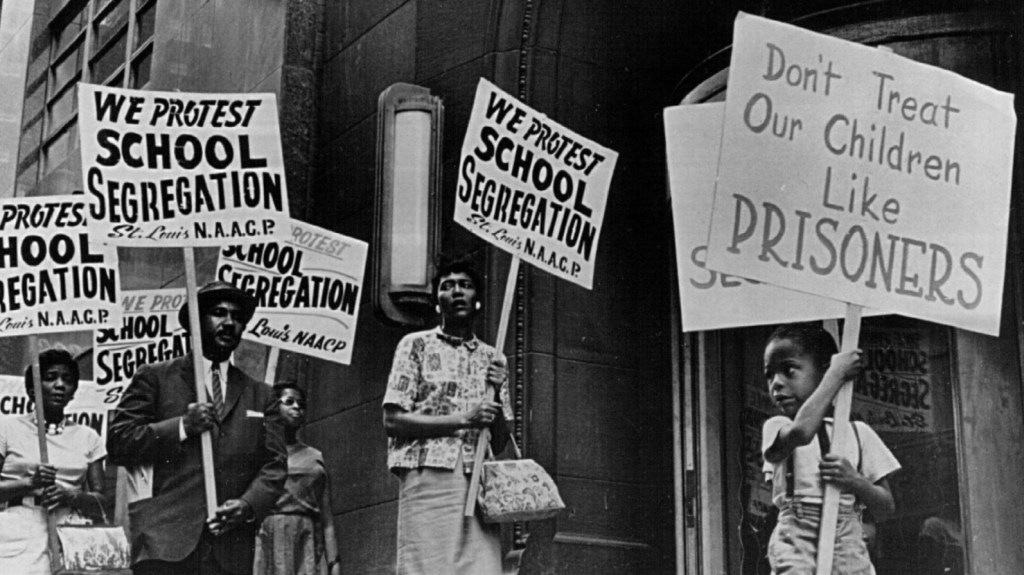
Additionally, identity is not merely a personal matter but is also embedded within larger systems of power and privilege. Factors such as race, gender, class, and ethnicity intersect to create unique social experiences, influencing an individual’s access to opportunities and shaping their interactions with the world. While identity can serve as a source of empowerment and solidarity, it can also be a site of conflict, exclusion, and discrimination. Social movements, from civil rights activism to feminist and LGBTQ+ advocacy, demonstrate how collective identity can become a force for political and social change, challenging existing structures of power and redefining social norms.
In a globalized world where migration, technology, and cultural exchange are increasingly blurring traditional boundaries, identity is becoming more fluid and multifaceted. Understanding how identity is shaped by social groups, cultural influences, and institutional forces is essential for navigating the complexities of modern society. This exploration of social groups and collective identity will examine the processes through which identity is formed, the role of power structures in shaping identity, and the ways in which collective identity influences social cohesion, activism, and cultural belonging. Through this sociological lens, we can better understand how individuals define themselves within an ever-changing social world.
Social Groups and Collective Identity
Social groups play a fundamental role in shaping individual identity by providing a sense of belonging, shared values, and social expectations. These groups not only influence personal self-perception but also contribute to the formation of collective identity, which defines how individuals understand themselves in relation to a broader social group. The process of identity formation within groups occurs through socialization, categorization, and power dynamics, shaping individuals’ sense of self and their interactions with others. Through these mechanisms, social groups influence personal and collective identity in profound ways, impacting social cohesion, political mobilization, and cultural belonging.
Cultural frameworks significantly influence how identity is conceptualized, with varying emphases on individual autonomy versus collective belonging. These perspectives shape self-perception, social behavior, and interpersonal relationships. Different cultural contexts prioritize distinct identity formations. Western societies, such as the United States and much of Europe, often emphasize individualistic identities, where personal autonomy, self-expression, and independence are valued. In contrast, many Eastern and African cultures emphasize collectivist identities, where familial obligations, social harmony, and group cohesion take precedence. Hofstede’s cultural dimensions theory (1980) explains how cultural values shape identity along spectrums such as individualism versus collectivism and power distance, which influence how individuals relate to authority, community, and self-expression.
Identity is not only shaped by direct experiences but also by the narratives people construct about their lives. Narrative identity theory (McAdams, 2001) suggests that individuals make sense of their identity through life stories influenced by cultural myths, folklore, and historical narratives. In some cultures, oral traditions play a crucial role in passing down collective memory, shaping how individuals and communities understand their past and present identities.
With globalization, migration, and digital communication reshaping social interactions, many individuals navigate multiple cultural identities simultaneously. Hybrid identities emerge in diaspora communities, where people maintain traditional cultural practices while integrating new societal norms. This blending of cultural influences leads to fluid and evolving identity constructions, allowing individuals to redefine themselves in response to changing social environments.
Socialization and Group Membership
Socialization is a lifelong process through which individuals learn and internalize the norms, values, and behaviors of their society. This process is primarily facilitated by social groups such as families, peer networks, cultural communities, and professional organizations. From birth, individuals are immersed in social environments that teach them what is expected within their specific cultural and social context.
The family serves as the primary agent of socialization, introducing individuals to foundational aspects of their identity, such as language, cultural customs, gender roles, and moral values. Early interactions with caregivers and family members shape one’s sense of self and emotional security, often laying the foundation for future identity development. As individuals grow, secondary socialization occurs through institutions such as schools, workplaces, and social circles, which further refine their understanding of social roles and group affiliations. Schools, for instance, teach discipline, cooperation, and societal norms, reinforcing identity through formal and informal interactions. Meanwhile, peer groups influence self-perception by shaping interests, behaviors, and social belonging, sometimes playing an even greater role in identity formation than family.
Collective Identity and Social Cohesion
Beyond personal identity, collective identity refers to an individual’s sense of belonging to a larger social group and the shared characteristics that define that group. This sense of collective identity plays a vital role in fostering social cohesion, shaping cultural heritage, and even driving political activism. Groups create shared symbols, rituals, and traditions that reinforce collective identity, whether through national flags, religious ceremonies, or community celebrations. These cultural markers help individuals feel connected to their group and reinforce the idea of a shared history and purpose.
For example, national identity is a form of collective identity that binds citizens together through common symbols, languages, and traditions. People identify with their country through patriotic symbols, historical narratives, and shared values, which create a sense of unity. Similarly, ethnic and cultural identities are formed through historical narratives, traditions, and community practices passed down across generations. These identities can serve as a source of pride and continuity, helping individuals navigate their place in society.
In addition, political and social movements often emerge around collective identities, mobilizing individuals for social change. Civil rights movements, feminist advocacy, and LGBTQ+ pride movements all illustrate how collective identity can become a force for empowerment and activism. These movements challenge societal norms and advocate for the rights and recognition of marginalized groups, demonstrating how identity can be both personally meaningful and politically powerful.
In-Groups and Out-Groups: The Social Categorization Process
One of the primary ways social groups influence identity is through social categorization, a process by which individuals classify themselves and others into groups. This classification helps people make sense of the social world by distinguishing between in-groups (groups they belong to) and out-groups (groups they do not belong to). Identifying with an in-group fosters a sense of community and belonging, reinforcing group norms and expectations. At the same time, out-groups are often perceived as different or even opposed to one’s own group, leading to social comparisons and sometimes conflict.
Recall that Henri Tajfel and John Turner’s Social Identity Theory (1979) argues that people derive self-esteem and pride from their group memberships, which can lead to both positive and negative social dynamics. On one hand, strong in-group identities promote solidarity and cooperation, strengthening the bonds between members. On the other hand, they can also contribute to exclusionary behaviors, stereotypes, and prejudice against those perceived as outsiders. This “we” versus “them” mentality is evident in various societal divisions, including ethnic, religious, and political identities, influencing how individuals interact with and perceive different social groups.
Identity and Power Structures
While social groups provide belonging and structure, they are also embedded within larger systems of power and privilege that influence identity in complex ways. Certain social identities—such as race, gender, and socioeconomic status—are not neutral but exist within hierarchical structures that shape individuals’ experiences and opportunities. Power dynamics within society determine which identities are privileged and which are marginalized, affecting how individuals navigate their social world.
Alos recall that intersectionality, a concept introduced by Kimberlé Crenshaw (1989), highlights how multiple aspects of identity—such as race, gender, and class—intersect to create unique experiences of oppression or privilege. Understanding identity through this lens reveals the complexities of social belonging and exclusion, demonstrating that identity is not a singular experience but a layered and multifaceted phenomenon. Also consider the role social stratification plays in shaping identity, as access to resources, opportunities, and social mobility is often determined by one’s group membership. Socioeconomic status, for instance, influences educational and professional opportunities, while gender norms shape expectations for behavior and career choices. These power structures reinforce social hierarchies, affecting how individuals perceive themselves and their roles within society.
Despite these constraints, identity can also be a source of resistance and empowerment. Historically, marginalized communities have used identity as a means of challenging oppression and advocating for change. Movements such as the Black Lives Matter movement, feminist activism, and LGBTQ+ advocacy have sought to reclaim and redefine marginalized identities, asserting the value and dignity of those historically excluded from dominant narratives. By embracing and celebrating their collective identity, these groups challenge existing power structures and seek to create a more inclusive society.
The Role of Institutions in Shaping Identity
Institutions serve as the backbone of society, playing a crucial role in shaping individual and collective identity. From birth, people are embedded within institutional structures that provide norms, values, and expectations that influence how they see themselves and interact with others. Institutions such as family, education, religion, and the legal system contribute to identity formation by shaping social roles, cultural beliefs, and individual aspirations. These institutions create a structured framework within which identity is continuously developed and negotiated. While they provide stability and continuity, institutions also evolve over time, reflecting broader societal changes and influencing how individuals navigate their sense of self within the social world.
Family: The Primary Socialization Agent
The family is the first and most influential institution in identity formation, serving as the primary agent of socialization. From early childhood, family interactions shape an individual’s understanding of their cultural background, moral values, and gender roles. Parents and caregivers impart essential social norms, behaviors, and beliefs that become fundamental aspects of identity. Through daily interactions, children learn language, customs, traditions, and expectations about their roles within society. Family identity also extends to ethnic, racial, and religious identities, which are often passed down through generations, providing a strong foundation for a person’s self-concept.
Psychological theories such as Attachment Theory (John Bowlby, 1969) suggest that early relationships with caregivers play a crucial role in shaping an individual’s sense of security and self-worth. A stable and supportive family environment fosters confidence and emotional well-being, whereas neglectful or unstable family dynamics can lead to identity struggles and insecurity. Additionally, family structures and parenting styles vary across cultures, impacting identity in different ways. In collectivist cultures, for example, family identity is closely tied to communal values and interdependence, whereas in individualistic cultures, personal autonomy and self-expression are often emphasized. The family thus acts as a foundational institution that introduces individuals to the social world, establishing the first layers of their identity.
Education: Socialization into Society
The educational system is one of the most influential institutions in shaping identity, acting as a secondary agent of socialization after the family. Schools provide a structured environment where individuals learn societal norms, acquire knowledge, and develop social skills necessary for participation in broader society. Beyond academic instruction, the school experience shapes identity through social interactions, peer influence, and exposure to diverse perspectives.
One of the ways education shapes identity is through the hidden curriculum (Jackson, 1968), which refers to implicit lessons about social hierarchy, gender roles, and cultural norms that are not explicitly taught but are learned through institutional practices. For instance, students absorb ideas about authority, discipline, and competition, which influence their perceptions of success, self-worth, and societal expectations. Additionally, the practice of tracking and labeling in schools—where students are categorized based on academic performance, behavior, or socioeconomic background—can significantly impact identity development. Students who are labeled as “gifted” or “underachievers” often internalize these identities, affecting their confidence and aspirations.
Peer groups within schools also play a major role in identity formation. Friendships, social cliques, and peer pressures influence how individuals define themselves, particularly during adolescence, a critical period for identity development. The influence of peers can sometimes override family teachings, as young people seek acceptance and belonging in their social circles. Additionally, educational institutions expose individuals to diverse cultures, perspectives, and belief systems, which can either reinforce or challenge pre-existing identities. The role of education in identity formation is thus both formal and informal, shaping individuals’ worldviews and self-perceptions in significant ways.
Religion: Spiritual and Moral Identity
Religious institutions have historically been powerful shapers of identity, offering individuals a moral framework, a sense of belonging, and a shared cultural heritage. Religion provides guidelines for behavior, ethical decision-making, and life purpose, shaping both personal and collective identity. Religious identity is reinforced through rituals, doctrines, and community participation, all of which contribute to an individual’s sense of self and moral compass.
For many, religious identity is deeply intertwined with family and cultural traditions, as beliefs and practices are often passed down through generations. Rituals such as baptism, bar mitzvahs, prayers, and fasting serve as markers of identity, strengthening an individual’s connection to their religious community. Religious institutions also create collective identity, fostering unity among members while sometimes distinguishing between “believers” and “non-believers.” This distinction can influence how individuals perceive themselves in relation to others and how they navigate societal interactions.
However, the role of religion in identity is complex and varies across societies. In some contexts, religious identity is a source of unity, providing a moral foundation and social support. In others, it can be a source of conflict, particularly when religious beliefs are used to justify exclusion, discrimination, or social divisions. In modern societies, secularization—the decline of religious influence—has led to more fluid religious identities, with some individuals distancing themselves from organized religion while maintaining personal spiritual beliefs. Conversely, religious fundamentalism in some communities has reinforced strict religious identities as a response to cultural and societal changes. Thus, religion remains a powerful institution that shapes identity in diverse and evolving ways.
The Legal and Political System: Identity and Citizenship
Beyond family, education, and religion, legal and political institutions also play a significant role in identity formation. Laws, policies, and governance structures shape how individuals perceive their rights, responsibilities, and place within society. Citizenship, for instance, is a key aspect of identity that defines an individual’s belonging to a nation-state and their access to rights and resources. Legal systems establish frameworks that regulate identity categories such as race, gender, and socioeconomic status, influencing social mobility and inclusion.
For example, laws regarding racial classification, immigration status, and gender identity impact how individuals experience identity and how they are treated in society. Civil rights laws, for instance, have historically shaped racial and gender identity by challenging discriminatory practices and advocating for equality. Similarly, policies related to LGBTQ+ rights, disability rights, and affirmative action influence social perceptions of marginalized identities and contribute to shifting societal norms.
Political institutions also shape identity through national identity and patriotism, reinforcing a sense of belonging to a country through symbols, narratives, and policies. National identity is often constructed through historical narratives, national holidays, and cultural traditions, influencing how individuals perceive themselves in relation to their country and fellow citizens. However, political institutions can also contribute to identity-based exclusion, as seen in nationalist movements, immigration restrictions, and ethnic conflicts that define certain groups as “outsiders.”
In Closing
As you have learned, identity is a socially constructed and ever-evolving phenomenon shaped by social groups, institutions, and cultural perspectives. Social groups provide individuals with a sense of belonging and structure, while institutions such as family, education, and religion instill values and define social roles. Cultural perspectives on identity differ across societies—some emphasize individual autonomy, while others prioritize collective belonging. In an increasingly interconnected world, identity is becoming more fluid, allowing individuals to navigate multiple cultural and social influences.
From a sociological perspective, identity is deeply embedded in social structures, power dynamics, and cultural narratives, shaping how individuals perceive themselves and relate to the world. Institutions play a central role in this process, influencing self-concept and social interactions. Family serves as the foundation for identity, instilling early values and cultural traditions. Education refines identity through socialization, peer influence, and exposure to societal norms. Religion offers moral guidance and a sense of collective belonging, while legal and political systems define identity through citizenship, laws, and social policies.
These institutions do not function in isolation but interact dynamically, continuously shaping and reshaping identity over time. As society evolves, so do the institutions that structure identity, reflecting shifts in cultural norms, power structures, and global influences. Understanding the role of institutions in identity formation provides insight into how individuals navigate their place in society and how collective identities are constructed, contested, and transformed.
 World History Portal