Becoming You: How Culture and Society Shapes who We Are
| LEARNING OBJECTIVES 1. Define anthropology and explain how it helps us understand what it means to be human. 2. Describe the relationship between culture, society, and socialization in shaping human identity, behavior, values, and beliefs. 3. Identify major fields and key concepts in anthropology, including culture, norms, values, rituals, symbols, language, ethnocentrism, and cultural relativism. 4. Analyze how humans create meaning through culture, including language, rituals, belief systems, religion, and secular ideologies. |
ANTROPOLOGY AND WHAT IT MEANS TO BE HUMAN
Consider the following. Human beings are deeply social and cultural beings whose identities, behaviors, beliefs, and ways of understanding the world are shaped through interaction with others. Unlike other species that rely primarily on instinct, you depend on culture and socialization to learn how to live within society. The Greek philosopher Aristotle famously stated that human beings are “social animals” or “political animals.” This idea comes from his work Politics, where he wrote: “Man is by nature a political animal.”

The term “political” in Aristotle’s time referred broadly to life within the polis or community/state, not just politics in the modern sense. Aristotle believed that humans naturally seek relationships, cooperation, and participation in society because they cannot fully survive or flourish alone. Unlike other animals, humans possess language and reason, which allow them to communicate ideas about justice, morality, and social life. According to Aristotle, living in communities such as families, villages, and states is part of human nature. He argued that people develop their full potential only through interaction with others and participation in society. This idea remains important in sociology, anthropology, philosophy, and psychology because it emphasizes that human identity and behavior are shaped through social relationships and culture.
From the moment humans are born, we begin a lifelong process of learning language, values, customs, social norms, and patterns of behavior from families, communities, institutions, and the broader culture around us. This process, known as socialization, allows individuals to develop a sense of self and become functioning members of society. Without culture and social interaction, both you and I would not fully develop the communication skills, moral understanding, emotional awareness, and social relationships that define human life.
Several social sciences help us understand the relationship between being human, culture, and socialization by examining how individuals develop within society and how human behavior is shaped by social interaction. As you have already learned, sociology focuses on social relationships, institutions, and group behavior, explaining how families, schools, religion, media, and other social structures influence identity, behavior, and social norms. Psychology contributes by examining human thoughts, emotions, personality, and cognitive development, especially how social experiences affect individual behavior and self-understanding. In addition, history also contributes to understanding how power, historical experiences, and environments influence societies and human interactions. However, I would like to introduce you to another social science that can aid use greatly in exploring the focus of this week’s topic. That social science is anthropology.
Anthropology is the social science that studies human beings, their cultures, societies, behaviors, and ways of life across time and place. The word anthropology comes from the Greek words anthropos meaning “human” and logos meaning “study,” so anthropology literally means “the study of humans.” Anthropologists seek to understand what makes humans unique and how people live, think, communicate, organize societies, and create meaning in different cultural environments. The discipline examines both the biological and cultural aspects of being human, helping us understand diversity as well as the shared experiences that connect people around the world.
Anthropology studies human life holistically. What I mean by this is that it looks at many aspects of human existence together rather than separately. For example, anthropologists explore topics such as language, religion, rituals, traditions, family structures, social relationships, politics, economics, identity, and cultural beliefs. They often compare different societies to understand how culture influences behavior and how societies adapt to changing environments and historical conditions. Through fieldwork and observation, anthropologists learn directly from communities and attempt to understand cultures from the perspective of the people who live within them.
The field of anthropology is commonly traditionally divided into four major branches. Cultural anthropology studies cultures, traditions, beliefs, and social practices. Biological or physical anthropology examines human evolution, genetics, and biological development. Archaeology studies past human societies through artifacts and material remains such as tools, buildings, and pottery. Linguistic anthropology explores language and communication and how they shape culture and social interaction. Together, these branches provide a comprehensive understanding of humanity from ancient times to the modern world. However, as in with other social sciences, changing times brings in new areas of academic focus.
Table 1: Fields of Study in Anthropology
| Field of Anthropology | Focus of Study | Key Questions | Examples of Topics Studied |
|---|---|---|---|
| Cultural Anthropology | Studies human cultures, beliefs, customs, traditions, and social practices | How do people live and create meaning in different societies? How does culture shape behavior and identity? | Religion, rituals, family systems, traditions, gender roles, social norms, globalization |
| Biological / Physical Anthropology | Studies the biological and evolutionary aspects of humans | How did humans evolve? What biological traits make humans unique? | Human evolution, genetics, primates, fossils, human adaptation, forensic anthropology |
| Archaeology | Studies past human societies through material remains | How did ancient people live? What can artifacts tell us about past cultures? | Ancient civilizations, tools, pottery, burial sites, architecture, historical settlements |
| Linguistic Anthropology | Examines language and communication in cultural and social contexts | How does language shape culture and identity? How do people communicate meaning? | Language development, communication styles, storytelling, multilingualism, symbols |
| Applied Anthropology | Uses anthropological knowledge to solve real-world problems | How can anthropology improve communities and social systems? | Public health, education, community development, environmental issues, policy-making |
| Medical Anthropology | Studies health, illness, and healing practices across cultures | How do culture and society influence health and medicine? | Traditional healing, healthcare systems, mental health, epidemics, nutrition |
| Economic Anthropology | Explores how societies produce, exchange, and use resources | How do cultures organize economic life and trade? | Markets, labor, trade systems, consumer behavior, globalization |
| Political Anthropology | Studies power, leadership, law, and political systems in societies | How do societies organize authority and maintain order? | Governments, leadership, conflict, social control, justice systems |
| Psychological Anthropology | Examines the relationship between culture and human psychology | How does culture influence emotions, personality, and behavior? | Identity, child development, emotions, cognition, mental processes |
| Urban Anthropology | Studies life in cities and urban communities | How does urbanization affect culture and social relationships? | Migration, poverty, city life, housing, urban communities |
| Environmental Anthropology | Studies relationships between humans and the environment | How do humans adapt to and affect their environments? | Climate change, sustainability, agriculture, resource use, environmental practices |
| Digital Anthropology | Examines human interaction in digital and online environments | How does technology shape culture and identity? | Social media, online communities, virtual identity, digital communication |
On a final note, let me stress that anthropology is important because it helps people appreciate cultural diversity and better understand how culture shapes human identity and behavior. It encourages respect for different ways of life and challenges ethnocentrism, the tendency to judge other cultures according to one’s own cultural standards. By studying humanity across cultures and historical periods, anthropology helps explain how humans become social beings through culture, communication, and socialization.
Table 2: Key Concepts in Anthropology
| Key Concept | Definition | Importance in Anthropology | Example |
|---|---|---|---|
| Culture | The shared beliefs, values, customs, behaviors, and symbols of a group of people | Central concept used to understand how humans live and create meaning | Food traditions, language, rituals, dress |
| Society | A group of people who live together and share social institutions and relationships | Helps anthropologists study social organization and interaction | Communities, nations, tribes |
| Socialization | The process through which individuals learn culture and social norms | Explains how people become functioning members of society | Learning language, manners, gender roles |
| Cultural Relativism | Understanding a culture based on its own values and context rather than judging it by another culture’s standards | Encourages respect for cultural diversity | Studying marriage customs without labeling them “right” or “wrong” |
| Ethnocentrism | Judging another culture according to the standards of one’s own culture | Important because anthropology seeks to avoid cultural bias | Viewing one culture as “superior” to others |
| Norms | Rules or expectations that guide behavior in society | Help maintain social order and cultural expectations | Greeting customs, dress codes |
| Values | Shared ideas about what is good, important, or desirable | Influence morality, behavior, and social priorities | Respect, honesty, freedom |
| Beliefs | Ideas and convictions accepted as true by a group or society | Shape religion, worldview, and behavior | Religious beliefs, spiritual ideas |
| Rituals | Symbolic actions or ceremonies performed according to cultural traditions | Reinforce social unity and cultural meaning | Weddings, funerals, festivals |
| Symbols | Objects, words, gestures, or images that carry shared meanings | Essential for communication and cultural identity | Flags, religious icons, emojis |
| Language | A system of communication using words, sounds, and symbols | Allows transmission of culture and social interaction | Spoken languages, storytelling |
| Kinship | Systems of family relationships and social connections | Helps explain family organization and inheritance | Extended families, clans |
| Identity | A person’s understanding of who they are based on culture and social groups | Explains belonging and self-concept | Gender identity, ethnic identity |
| Enculturation | The process of learning one’s own culture | Explains cultural continuity across generations | Learning traditions from family |
| Fieldwork | Research method involving direct observation and participation in a community | Primary method anthropologists use to study cultures | Living within a community to observe daily life |
| Participant Observation | Research method where anthropologists participate in community life while observing it | Helps researchers understand cultures from an insider perspective | Joining local ceremonies during research |
| Holism | Studying humans by examining all aspects of life together | Encourages a broad understanding of humanity | Linking religion, economy, and family systems |
| Globalization | Increasing global interconnectedness through trade, communication, and technology | Helps explain cultural change and interaction | Social media, migration, global markets |
| Cultural Diffusion | The spread of cultural ideas and practices between societies | Explains how cultures influence one another | Adoption of foods, music, fashion |
| Worldview | The way a culture understands reality and existence | Shapes beliefs, morality, and behavior | Religious or philosophical perspectives |
| Taboo | A strong cultural prohibition against certain behaviors or practices | Reveals cultural values and moral boundaries | Food restrictions, sacred practices |
| Material Culture | Physical objects created and used by a society | Provides insight into daily life and cultural values | Clothing, tools, art, buildings |
| Nonmaterial Culture | Intangible aspects of culture such as beliefs and values | Shapes social behavior and identity | Traditions, ethics, language |
| Ethnography | A detailed written description of a culture based on fieldwork | Important method for documenting human societies | Anthropological studies of communities |
UNDERSTANDING CULTURE
How do we define culture? Most commonly, culture is defined as the shared system of beliefs, values, customs, language, symbols, and traditions that shapes how people live and understand the world. Unlike biological traits, culture is learned through social interaction and passed from one generation to another through communication, observation, and participation in society. It influences nearly every aspect of life, including the food people eat, the languages they speak, the rituals they practice, and the values they uphold. Anthropologist Clifford Geertz described culture as a “web of significance” created by humans to give meaning to life and social experience.

What Geertz meant by “web of significance” is that human beings are surrounded by meanings, symbols, beliefs, values, and traditions that they themselves create through culture. These “webs” include language, religion, rituals, customs, social norms, and symbols that give meaning to everyday life. Humans under this perspective are not guided only by biology or instinct. Instead, they interpret the world through cultural meanings learned from society.
Geertz believed that anthropology should focus on understanding these meanings by interpreting culture much like reading a text. He called this approach “thick description,” where anthropologists carefully study not only behavior but also the cultural meanings behind actions. For example, a wink and a blink may look physically similar to you and I, but culture gives a wink a special social meaning. We can distinguish between the two. Understanding culture therefore requires understanding the meanings people attach to their actions.
Table 3: Clifford Geertz Main Ideas
| Main Idea | Explanation | Importance in Anthropology | Example |
|---|---|---|---|
| Culture as “Webs of Significance” | Humans create systems of meaning through symbols, beliefs, and social practices | Shows that culture shapes how people understand the world | Religion, rituals, traditions, language |
| Interpretive Anthropology | Anthropology should interpret meanings within culture rather than only describe behavior | Focuses on understanding cultural meaning from the insider’s perspective | Studying why rituals matter to a community |
| Thick Description | Detailed explanation of behavior and its cultural meaning | Helps anthropologists understand the deeper significance of actions | Distinguishing a wink from a simple blink |
| Culture Is Symbolic | Culture is made up of symbols that communicate shared meanings | Highlights the role of symbols in human life | Flags, religious symbols, ceremonies |
| Humans Are Meaning-Making Beings | People actively create and interpret meanings through culture | Emphasizes that humans are guided by shared meanings, not just instincts | Storytelling, myths, traditions |
| Religion as a Cultural System | Religion provides symbols and beliefs that shape worldview and behavior | Explains how religion creates meaning and social order | Rituals, sacred texts, worship practices |
| Culture Shapes Identity | Identity develops through participation in cultural systems | Connects culture to self-understanding and social roles | Gender identity, ethnic identity |
| Focus on Local Context | Cultures must be understood within their own historical and social settings | Encourages cultural relativism and avoids ethnocentrism | Understanding customs within their own society |
| Anthropology as Interpretation | Anthropologists interpret culture similarly to reading a text | Anthropology studies meaning, symbols, and communication | Analyzing ceremonies or social interactions |
| Critique of Pure Scientific Objectivity | Human culture cannot be understood only through scientific measurement | Emphasizes interpretation and understanding over strict data collection | Studying emotions, beliefs, and symbolism |
Culture is transmitted through the process of socialization, which teaches individuals how to behave, interact, and fulfill social roles within society. Agents of socialization are the people, groups, and institutions that teach individuals how to behave and function within society. Together, they shape identity, values, beliefs, and social behavior throughout life. Through these agents, we not only learn how to survive but also how to communicate, cooperate, build relationships, and develop a sense of belonging.
Table 3: Agents of Socialization
| Agent of Socialization | Description | Role in Socialization | Examples of Influence |
|---|---|---|---|
| Family | The first and most important social group a person experiences | Teaches language, values, beliefs, behavior, and social roles | Manners, religion, gender roles, emotional behavior |
| School / Education | Formal institutions where individuals learn academic and social skills | Teaches discipline, cooperation, responsibility, and social norms | Following rules, teamwork, citizenship, punctuality |
| Peer Groups | Friends and people of similar age or interests | Influence identity, behavior, attitudes, and social belonging | Fashion, language, hobbies, peer pressure |
| Media | Television, films, internet, social media, advertising, and news | Shapes attitudes, values, opinions, and perceptions of society | Beauty standards, trends, political views, online identity |
| Religion | Organized systems of beliefs and spiritual practices | Teaches moral values, ethics, traditions, and social responsibilities | Worship practices, moral behavior, community values |
| Community | The local environment and social surroundings where people interact | Reinforces cultural traditions and shared social expectations | Festivals, local customs, neighborhood behavior |
| Workplace | Professional environments where adults learn organizational behavior | Teaches responsibility, professionalism, and workplace norms | Teamwork, leadership, communication skills |
| Government and Law | Institutions that create rules and maintain social order | Teach citizens about rights, responsibilities, and acceptable behavior | Laws, voting, national identity, civic duties |
| Culture | Shared beliefs, values, customs, and traditions of society | Shapes worldview, identity, and social expectations | Traditions, rituals, language, customs |
| Technology and Social Media | Digital platforms and communication technologies | Influence communication, identity, relationships, and information sharing | Online behavior, digital identity, social networking |
It is important to understand that the relationship between humans, culture, and socialization is inseparable. Humans create culture, but culture also shapes human behavior and identity in return. At the same time, people actively influence and transform culture through creativity, technology, communication, and social action. Understanding this relationship helps explain how identities are formed, why societies differ from one another, and how shared cultural experiences influence the development of individuals and communities across the world. Let’s look at some of these aspects a little closer through the lenses of anthropology, sociology and psychology in the table below.
Table 4: Approaching Culture and Socialization through Anthropology, Psychology and Sociology
| Discipline | How It Approaches Culture | How It Approaches Socialization | Examples of Topics Studied |
|---|---|---|---|
| Anthropology | Anthropology views culture as the shared beliefs, traditions, values, symbols, and practices that shape human life. It emphasizes cultural diversity and understanding cultures within their own contexts. | Socialization is seen as the process through which people learn and transmit culture from one generation to another through family, rituals, language, and social interaction. | Rituals, kinship systems, religion, language, traditions, cultural identity, indigenous societies |
| Psychology | Psychology examines how culture influences individual behavior, emotions, personality, cognition, and identity development. | Socialization is studied as the process through which individuals develop personality, self-concept, emotions, and behavior through interaction with others and the environment. | Child development, learning, emotions, identity, behavior, mental health, motivation |
| Sociology | Sociology sees culture as a system of norms, values, beliefs, and social practices that organize society and influence group behavior. | Socialization is viewed as the lifelong process through which individuals learn social norms, roles, and expectations through institutions such as family, schools, media, and religion. | Social class, education, media, family, gender roles, inequality, social institutions |
One of the defining characteristics of culture is that it is shared collectively. Human beings do not exist in isolation. Instead, we are members of social groups that teach us acceptable ways of living. Families, schools, religious institutions, peer groups, and media all contribute to the transmission of culture. Through these institutions, we learn social norms, which are the expected rules of behavior within a society. For example, norms influence how people greet one another, express emotions, dress in public, or behave during ceremonies. Although many norms may seem natural or universal, they often vary greatly between societies. For example, practices considered polite or respectful in one culture may be viewed differently in another.
Culture is also dynamic and constantly changing. It evolves through migration, globalization, technological advancement, economic change, and interaction between societies. In the modern world, digital communication and social media have accelerated cultural exchange, allowing people to encounter different lifestyles, beliefs, and traditions more frequently than ever before. While globalization can promote cultural diversity and interconnectedness, it can also create tensions between preserving local traditions and adapting to global influences. As a result, culture is not fixed. Culture is continuously negotiated and reshaped by individuals and communities.
An important concept in anthropology is cultural diversity, which recognizes that societies around the world develop different ways of organizing life and creating meaning. Anthropologists study cultural diversity to understand how human societies adapt to their environments and social conditions. This perspective encourages respect for differences in language, religion, family structures, social roles, and customs. By examining diverse cultures, both you and I can gain insight into both the uniqueness of societies and the common human needs that connect us to others globally.
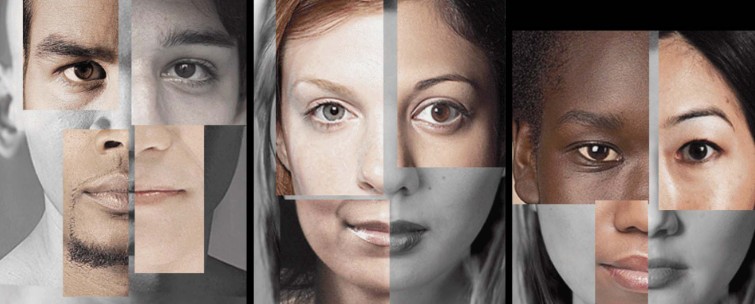
The study of culture also introduces the concepts of ethnocentrism and cultural relativism. Ethnocentrism occurs when individuals judge another culture according to the standards and values of their own culture, often assuming their own way of life is superior. This attitude can lead to stereotypes, prejudice, and misunderstanding. Cultural relativism, on the other hand, encourages people to understand cultural practices within their own social and historical contexts rather than judging them by external standards. Anthropologists use cultural relativism as a tool for understanding societies objectively and respectfully. However, cultural relativism also raises ethical questions about how societies should respond to practices that conflict with universal ideas of human rights and justice.
Table 5: Ethnocentrism and Cultural Relativism Compared
| Aspect | Ethnocentrism | Cultural Relativism |
|---|---|---|
| Definition | Judging another culture using the standards and values of one’s own culture | Understanding a culture based on its own values, beliefs, and context |
| View of Other Cultures | Often sees one’s own culture as superior or “normal” | Recognizes that all cultures have their own meanings and ways of life |
| Approach to Cultural Differences | Evaluates differences negatively or critically | Seeks to understand differences without immediate judgment |
| Main Attitude | “My culture is the correct or best way” | “Cultures should be understood within their own context” |
| Effect on Understanding | Can lead to stereotypes, prejudice, and misunderstanding | Encourages respect, empathy, and open-mindedness |
| Focus | Comparing other cultures to one’s own cultural standards | Understanding cultures from the perspective of the people within them |
| Role in Anthropology | Considered a bias anthropologists try to avoid | A key principle used in anthropological research |
| Examples | Thinking another culture’s food, clothing, or religion is “strange” or “wrong” | Studying cultural practices to understand their social meaning |
| Possible Outcomes | Discrimination, cultural misunderstanding, intolerance | Cultural appreciation, cross-cultural understanding |
| Limitation | May prevent objective understanding of other societies | Can raise ethical debates about harmful cultural practices |
To recap, it is important to understand that culture is more than customs or traditions. It is a powerful system that shapes how we think, behave, communicate, and understand the world. Culture influences values, beliefs, identity, and social relationships by teaching us what is considered acceptable and meaningful within society. Through culture, we develop a sense of belonging and learn how to interact with others. Understanding culture helps us recognize how society influences our behavior and identity in everyday life.
SOCIETY AND SOCIALIZATION
Human beings are not born with a complete understanding of how to behave, communicate, or interact within society. In other words, it is not ingrained in our genes. Instead, we learn these behaviors through a lifelong process called socialization. Socialization is the process through which people acquire the values, beliefs, norms, skills, and behaviors necessary to participate in society. It is through socialization that we learn what is considered acceptable or unacceptable, how to interact with others, and how to develop a sense of identity. Society shapes individuals from childhood onward, influencing how they think, speak, behave, and understand themselves in relation to others.
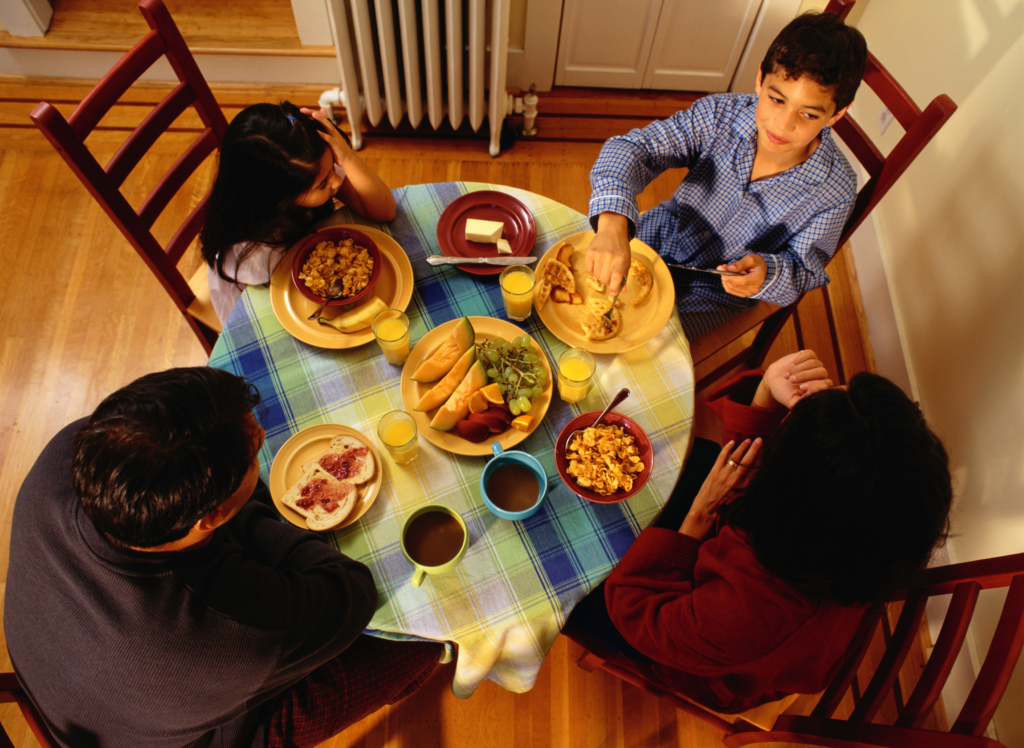
The family is considered the primary agent of socialization because it is usually the first social group a person experiences. Within families, children learn language, cultural values, emotional behavior, gender expectations, and social roles. Parents and caregivers influence how children perceive authority, relationships, morality, and identity. Family traditions, religious practices, and everyday routines all contribute to shaping an individual’s worldview. A worldview is the overall set of beliefs, values, and assumptions through which a person or group understands and interprets the world. It shapes how people think about life, morality, religion, knowledge, and human behavior. Sociologists emphasize that family structures vary across cultures, meaning that different societies may socialize children in different ways depending on cultural expectations and social conditions.
As individuals grow older, other institutions become important agents of socialization. Schools play a central role in teaching not only academic knowledge but also discipline, cooperation, competition, and social responsibility. Through formal education, students learn societal expectations such as punctuality, obedience to rules, teamwork, and citizenship. Schools also reinforce cultural values and social norms, sometimes reproducing social inequalities related to class, race, gender, or access to resources. Education therefore functions both as a tool for personal development and as a mechanism through which society maintains social order. Take a moment and think about your journey through educations systems. How have they functioned as agents of socialization for you?
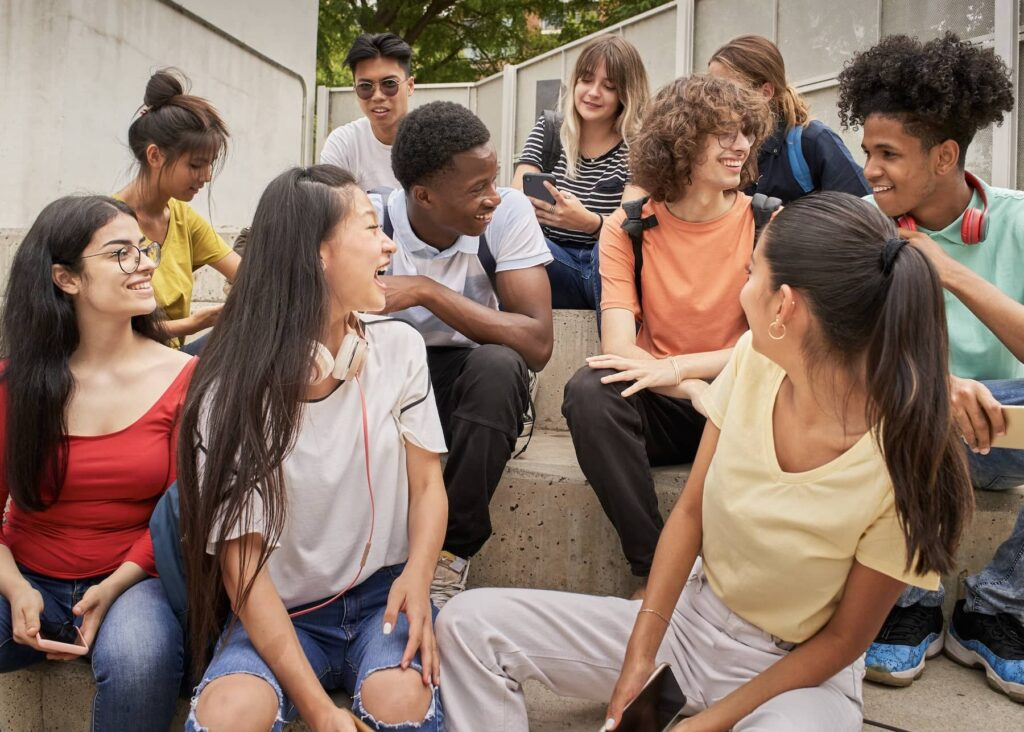
Peer groups are another powerful influence on identity formation, especially during adolescence and early adulthood. Friends and social networks help individuals develop independence from family and explore different aspects of identity, including fashion, music, language, beliefs, and behavior. Peer groups can provide acceptance, emotional support, and a sense of belonging, but they can also create pressure to conform to group expectations. Through interaction with peers, individuals negotiate their identities and learn how to function within broader social environments.
The media has become an increasingly influential agent of socialization in modern society. Television, films, advertising, video games, social media platforms, and online communities shape attitudes, values, and perceptions of reality. Media influences ideas about beauty, success, gender roles, relationships, politics, and lifestyles. In the digital age, people are constantly exposed to information and images that affect self-image and identity development. Social media, in particular, allows individuals to construct online identities that may differ from their offline selves. While digital platforms create opportunities for self-expression and global connection, they can also contribute to misinformation, social comparison, stereotyping, and mental health challenges.
One important area of socialization involves gender identity and gender roles. From an early age, societies communicate expectations about how individuals should behave based on gender. Toys, clothing, language, media representation, and educational experiences often reinforce ideas about masculinity and femininity. However, anthropologists and sociologists argue that gender roles are socially constructed and vary across cultures and historical periods. What one society considers appropriate behavior for men or women may differ significantly from another society. Understanding gender socialization helps us recognize how social expectations influence personal identity and opportunities in life.
Socialization also contributes to the development of social identity, which refers to how individuals define themselves based on group membership. People may identify themselves according to nationality, religion, ethnicity, social class, gender, language, or cultural background. These identities shape how people see themselves and how they are perceived by others. In multicultural societies, individuals may belong to multiple social groups simultaneously, leading to complex and layered identities. Social identity can foster community and belonging, but it may also lead to prejudice, discrimination, or social conflict when differences are misunderstood or politicized.
By analyzing socialization processes, we will better understand that our identity is not formed in isolation but emerges through continuous interaction with society and culture.
LANGUAGE, SYMBOLS AND COMMUNICATION
Language and symbols are central to human life because they allow people to communicate ideas, express emotions, create relationships, and construct meaning. Unlike other species, human beings possess highly developed systems of symbolic communication that make complex social interaction possible. Through language, we share knowledge, preserve traditions, transmit culture, and organize society. Words, gestures, images, sounds, and symbols all carry meanings that are understood within specific cultural contexts. Communication therefore does more than exchange information. It shapes how people think, understand reality, and relate to one another.
Language is one of the most powerful tools of culture. Every society develops systems of language that reflect its history, environment, and worldview. Language allows people to categorize experiences, communicate values, and maintain cultural identity. Anthropologists and sociologists argue that language influences perception because the words available within a language shape how individuals interpret the world around them. For example, some cultures possess multiple words for relationships, emotions, or environmental conditions that may not exist in other languages. Through storytelling, oral traditions, songs, literature, and conversation, language also preserves collective memory and strengthens social bonds across generations.
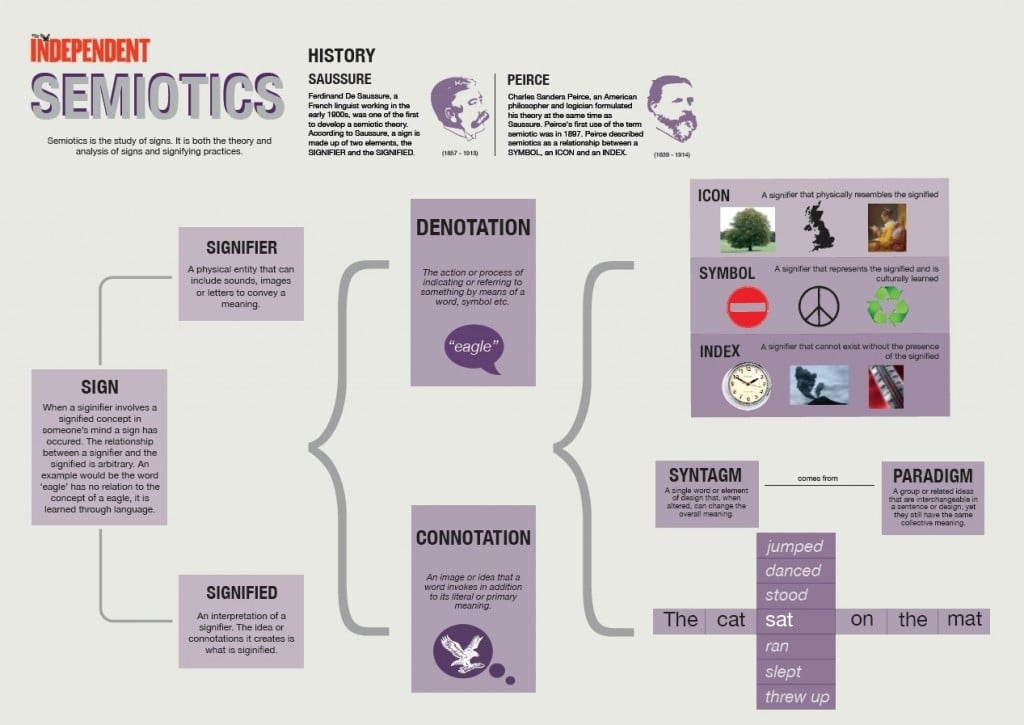
In addition to spoken and written language, humans rely heavily on symbols. A symbol is anything that represents a meaning beyond itself. Flags, religious icons, clothing, gestures, emojis, logos, and ceremonies are all examples of symbols used in everyday life. Symbols help societies communicate shared beliefs and values quickly and emotionally. For example, a national flag may evoke feelings of pride and belonging, while religious symbols may represent faith, identity, and spiritual meaning. Because symbols are socially constructed, their meanings are learned through culture and can vary between societies. The same gesture or image may have different interpretations depending on cultural context.
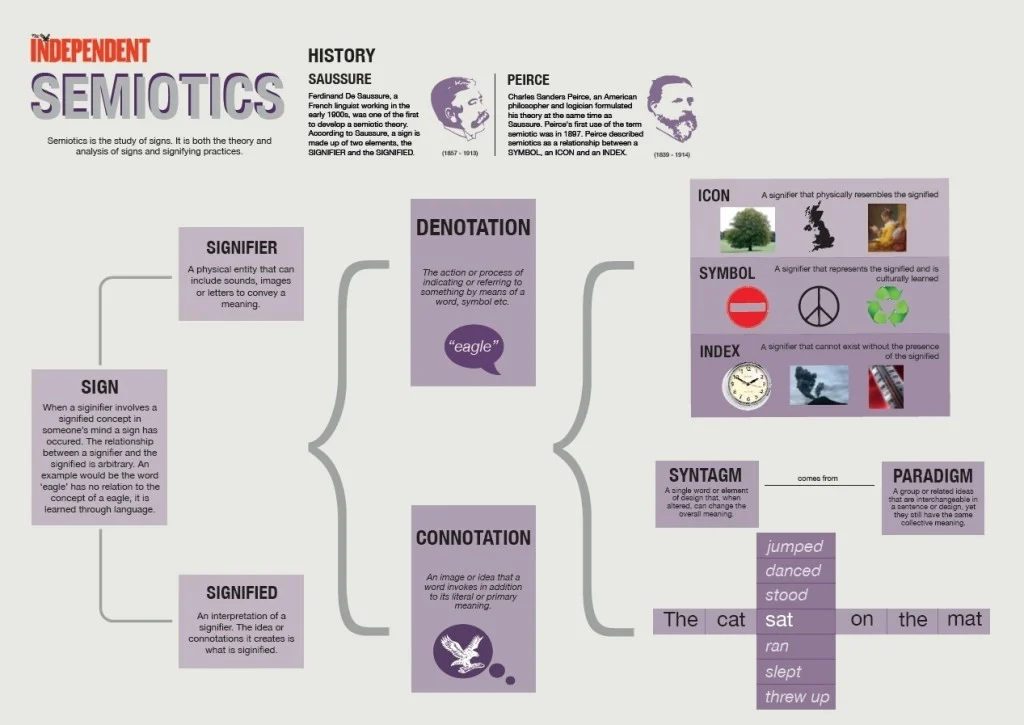
The study of signs and symbols is known as semiotics. Semiotic theories explore how meaning is created and communicated through signs, language, and representation. Anthropologists studying semiotics examine how symbols shape cultural understanding and social behavior. Communication is therefore not simply about words but also about interpretation, context, and shared meaning. Human interaction depends on the ability to recognize symbols and understand the messages they convey. In modern societies, symbols are constantly produced and circulated through media, advertising, politics, religion, and digital communication.
Let’s take a moment to explore symbolic interactionism and how it fits in to this topic. Symbolic interactionism is a theory that explains how people create meaning through social interaction. According to this perspective, individuals act based on the meanings things have for them, and these meanings develop through communication with others. Identity itself is shaped through interaction because people learn how to see themselves through the responses and expectations of society. Everyday interactions, such as conversations, gestures, and social roles, help individuals construct their sense of identity and self. This means that identity is not fixed or purely personal but emerges through social communication.
RITUALS, VALUES AND BELIEF SYSTEMS
Rituals, values, and belief systems are fundamental aspects of human culture because they help individuals and communities create meaning, maintain social order, and strengthen collective identity. Across history and throughout the world, human societies have developed religious traditions, ceremonies, moral systems, and symbolic practices that guide behavior and explain life’s important questions. These cultural systems influence how people understand existence, morality, relationships, suffering, death, and the purpose of life. Anthropologists and sociologists study rituals and belief systems to understand how humans create shared meanings and maintain social cohesion within communities.
Belief systems, or systems of meaning-making, are not limited to organized religion, although this is probably the first thing we think about when we hear these terms. Secular ideologies, national identities, sports cultures, political movements, and ethical philosophies can also function as systems of meaning-making. Human beings naturally seek explanations for suffering, success, morality, and existence, and belief systems provide frameworks for interpreting these experiences. In modern societies, people may find meaning through religion, science, human rights, environmental movements, personal spirituality, or cultural traditions. However, since religion is one of the most widespread forms of belief systems in human societies I thought we could explore this one in a little more detail by briefly examining what factors gave rise to religion.
Table 6: Secular Ideologies that Function as Systems of Meaning-Making
| Secular Ideology | Definition | Main Goals | Key Principles |
|---|---|---|---|
| Liberalism | A political ideology that emphasizes individual freedom and equal rights. | Protect personal liberty and democratic participation. | Freedom, equality, democracy, human rights |
| Conservatism | An ideology focused on preserving traditions, social stability, and established institutions. | Maintain order and continuity in society. | Tradition, authority, responsibility, stability |
| Socialism | An ideology advocating shared ownership of resources and reduction of inequality. | Promote social and economic equality. | Cooperation, welfare, collective responsibility |
| Capitalism | An economic ideology based on private ownership and free-market competition. | Encourage economic growth and innovation. | Profit, entrepreneurship, competition, individual initiative |
| Communism | A political and economic ideology seeking a classless society with collective ownership. | Eliminate class divisions and private ownership. | Equality, collective ownership, shared wealth |
| Nationalism | An ideology emphasizing loyalty and pride in one’s nation or culture. | Strengthen national unity and independence. | Patriotism, sovereignty, cultural identity |
| Feminism | An ideology advocating equal rights and opportunities for all genders. | Achieve gender equality and challenge discrimination. | Equality, empowerment, social justice |
| Environmentalism | An ideology focused on protecting the natural environment. | Promote sustainability and conservation. | Ecological responsibility, sustainability, conservation |
| Pacifism | An ideology opposing war and violence. | Promote peaceful conflict resolution. | Nonviolence, peace, diplomacy |
| Anarchism | An ideology opposing centralized authority and government control. | Create societies based on voluntary cooperation. | Freedom, autonomy, anti-authoritarianism |
| Secular Humanism | A worldview promoting ethics and human welfare without religion. | Improve human life through reason and compassion. | Critical thinking, ethics, dignity, science |
| Utilitarianism | An ethical ideology focused on achieving the greatest good for the greatest number. | Maximize overall happiness and welfare. | Consequences, fairness, social benefit |
Most scholars agree that humans likely developed religions for a combination of psychological, social, and evolutionary reasons rather than from a single cause. Researchers in anthropology, sociology, psychology, and cognitive science generally agree that religion emerged because it helped people understand the world, strengthen communities, cope with uncertainty, and organize moral behavior. In early human societies, people faced many frightening and unexplained events such as storms, disease, death, famine, and natural disasters. Before scientific explanations existed, religion offered ways to explain these experiences. Thunder might be understood as the action of a god, illness could be connected to spirits, and seasonal changes were often linked to divine powers. Religion gave people a framework for understanding events that otherwise seemed unpredictable and frightening.
Another important reason religions developed is connected to the way the human brain works. Humans naturally look for patterns and often assume that events happen for a reason. Cognitive scientists suggest that humans evolved to quickly detect possible “agents” in the environment because this ability improved survival. For example, if movement in the grass might signal a predator, assuming something was there could save a person’s life. Over time, this tendency may have contributed to beliefs in spirits, gods, and other supernatural beings. Humans also tend to assign human qualities and intentions to nature, which makes religious ideas feel intuitive and meaningful. You will learn more about this last point in the assigned article Religion, What is It?
Religion also played an important social role in human history. Sociologists such as Émile Durkheim argued that religion helped create social unity and cooperation. Shared beliefs, rituals, and traditions gave people a sense of belonging and identity within a group. Activities such as prayer, singing, fasting, and ceremonies strengthened emotional bonds between members of a community. Religions also established shared moral rules about behavior, honesty, family life, and cooperation. In larger societies, religious beliefs may have encouraged trust among strangers by promoting the idea that moral actions were being observed and judged by supernatural forces. For this reason, we find early civilizations establishing state religions as a way to help maintain order.

In addition, religion helped people cope with difficult emotional experiences, especially suffering and death. Humans are aware of their own mortality, and religions often provide comfort by offering explanations about the meaning of life and what happens after death. Beliefs in heaven, reincarnation, ancestors, or divine justice can reduce fear and give people hope during times of grief and uncertainty. Religious rituals and communities also provide emotional support during crises, helping individuals feel connected and supported.
Most scholars today believe that religion developed through a combination of these factors rather than from one single origin. Human cognitive tendencies, emotional needs, social cooperation, and cultural traditions all contributed to the development of religious systems over thousands of years. Religions evolved alongside human societies, becoming more organized and complex as civilizations grew. Modern research studies religion as an important part of human culture and history, while recognizing that questions about the truth of religious beliefs remain matters of personal faith rather than scientific proof.
Table 7: Religion, Rituals and Values
| Concept | Definition | Main Purpose | Examples | Relationship to the Other Concepts |
|---|---|---|---|---|
| Religion | A system of beliefs, teachings, and practices related to the sacred, spiritual, or supernatural. | To provide meaning, explain existence, guide behavior, and create community. | Christianity, Islam, Hinduism, Buddhism, Judaism | Religion provides the beliefs and teachings that shape rituals and influence values. |
| Rituals | Repeated symbolic actions or ceremonies performed in a specific way. | To express religious beliefs, strengthen community bonds, and connect people to the sacred. | Prayer, fasting, meditation, baptism, pilgrimage, chanting | Rituals put religious beliefs into practice and help teach and reinforce values. |
| Values | Principles or standards that guide behavior and decisions about what is important or morally right. | To shape personal and social behavior and maintain social order. | Honesty, compassion, respect, forgiveness, charity, responsibility | Values are often taught through religion and reinforced through rituals and daily practices. |
Values are another essential component of cultural life. Values are shared ideas about what is good, desirable, moral, or important within a society. They influence laws, education, family life, and everyday behavior. Different cultures prioritize different values such as individual freedom, community responsibility, respect for elders, equality, spirituality, achievement, or honor. Values guide decision-making and shape social expectations, often influencing how societies define justice, success, and acceptable behavior. Conflicts sometimes arise when different cultural groups hold competing values, especially in multicultural and globalized societies.
Rituals are patterned and symbolic actions performed in specific social or cultural contexts. They often mark important life transitions, reinforce social values, and create emotional connections among participants. Common examples of rituals include weddings, funerals, graduation ceremonies, religious worship, festivals, national celebrations, and rites of passage. Although rituals vary widely across cultures, they share common social functions. Rituals help individuals feel connected to a larger group, provide structure during moments of uncertainty, and reinforce cultural traditions across generations. Through repeated participation, rituals become powerful tools for expressing identity, belonging, and shared values.
Rituals and religion are closely connected because rituals are one of the main ways religious beliefs are expressed and practiced. A ritual is a repeated action or ceremony that carries symbolic meaning for a group of people. In religions, rituals help individuals connect with sacred ideas, traditions, communities, and spiritual beliefs. While beliefs explain what a religion teaches, rituals are the actions people perform to demonstrate and experience those beliefs in everyday life.
Religious rituals can take many forms, including prayer, meditation, fasting, singing, dancing, sacrifices, pilgrimages, and ceremonies related to birth, marriage, or death. These activities are often repeated in specific ways because repetition creates a sense of tradition, order, and shared identity. For example, Christians may participate in communion, Muslims pray five times a day, Hindus perform puja ceremonies, and Buddhists meditate or chant. Although the rituals differ across religions, they all help followers express devotion and reinforce their connection to something considered sacred.
Rituals also play an important social role within religions. They bring communities together and strengthen group identity by creating shared emotional experiences. Participating in rituals can help people feel connected to others who share the same beliefs and values. Sociologists argue that rituals are essential because they unite individuals into a moral and social community. Rituals can also provide comfort during important life events or times of uncertainty by giving people structure, meaning, and emotional support.
In addition, rituals help preserve religious traditions across generations. Through repeated ceremonies and practices, religious teachings and cultural values are passed from parents to children and from one generation to the next. Rituals therefore serve not only spiritual purposes but also cultural and educational ones. Even in societies that are becoming more secular, many people continue to practice rituals because they create a sense of belonging, identity, and continuity with the past.
Finally, rituals affect human emotions and behavior. Rituals often involve music, movement, symbols, and repetition, which can create feelings of awe, unity, peace, or transcendence. These emotional experiences can strengthen religious faith and deepen a person’s sense of meaning and purpose. For this reason, rituals are considered a central part of most religions and an important feature of human culture throughout history.
Table 8: The Relationship between Religion, Rituals and Values
| Religion | Rituals | Values |
|---|---|---|
| Provides beliefs and teachings | Express and practice beliefs | Guide moral behavior |
| Creates a spiritual framework | Builds community and identity | Influence decisions and actions |
| Teaches what is sacred or important | Reinforces traditions and shared meaning | Help maintain social harmony |
| Passes beliefs across generations | Preserve cultural and religious traditions | Shape individual character and society |
IN CLOSING
As we conclude this topic, I hope you now have a deeper understanding of what it means to be human from an anthropological and social perspective. One of the most important ideas explored throughout in this topic is that human beings are not shaped by biology alone. Instead, who we become is strongly influenced by culture, society, communication, and our interactions with others. We are social and cultural beings who learn how to think, behave, communicate, and understand the world through the lifelong process of socialization. This helps us become functioning members of society by teaching values, beliefs, norms, language, and patterns of behavior. It is the social science discipline of anthropology in particular that helps us understand the many different ways human societies organize life and create meaning. Anthropology reminds us that culture shapes nearly every aspect of human experience, including language, rituals, religion, values, gender roles, communication, and identity.