THE CRIOLLO-PENINSULAR CONTROVERSY
| LEARNING OBJECTIVES 1. Evaluate how Spain’s economic and military weaknesses increased colonial vulnerability and dissatisfaction. 2. Identify the goals of the Bourbon monarchy in centralizing power and increasing revenue. 3. Discuss how Enlightenment ideals inspired colonial thinkers like Juan Pablo Viscardo y Guzmán and Antonio de Rivadeneira to challenge imperial authority. 4. Explore how the installation of Joseph Bonaparte created a crisis of loyalty and governance in Spanish America. |
The 17th Century Crisis and the Rise of the Criollos
The 17th-century crisis, often called the “General Crisis,” refers to a period of widespread instability in Europe during the early to mid-1600s, when economic decline, war, and social unrest occurred simultaneously throughout different parts of Europe. Historians such as Jeffrey Parker, have traced this crisis to the Thirty Years’ War, economic stagnation and disruption of trade, population decline from famine and disease, and environmental problems linked to the Little Ice Age, which led to poor harvests. Spain during this period was not able to avoid these multiple pressures.
Table 1: Impact of the 17th-Century Crisis on Spain
| Impact on Spain | Explanation |
|---|---|
| Economic decline and stagnation | Spain faced falling silver imports from the Americas, weakening trade and state income, while inflation and poor productivity damaged long-term growth. |
| Fiscal crisis and repeated bankruptcies | The monarchy accumulated huge debts due to constant warfare, leading to repeated state bankruptcies and heavy taxation’. |
| Population decline | Famine, disease, and emigration to the Americas reduced Spain’s population, weakening its labor force and economy. |
| Reduced agricultural output | Poor harvests linked to climate change (Little Ice Age) caused food shortages and rural hardship. |
| Increased poverty and inequality | Economic hardship widened the gap between rich and poor, with many peasants and urban workers suffering declining living standards. |
| Internal revolts and instability | Spain experienced revolts such as those in Catalonia and Portugal (1640), showing weakening central authority. |
| Overstretch from constant wars | Continuous wars (e.g., Thirty Years’ War) drained resources and contributed to decline as a European power. |
| Decline of Spanish dominance | Spain gradually lost its position as the leading European power as economic and military strength weakened. |
Spain, once a dominant global power, found itself struggling to maintain its influence as it faced continous wars, financial hardships, and administrative inefficiencies.
Table 2: Wars of the Spanish Habsburgs (1598–1700)
| Monarch | War / Conflict | Dates |
|---|---|---|
| Philip III (1598–1621) | Anglo-Spanish War (final phase) | until 1604 |
| Eighty Years’ War (truce phase) | truce 1609–1621 | |
| War in the Rhineland / early Thirty Years’ War involvement | from 1618 | |
| Philip IV (1621–1665) | Eighty Years’ War (resumed) | 1621–1648 |
| Thirty Years’ War | 1618–1648 | |
| Franco-Spanish War | 1635–1659 | |
| Catalan Revolt (Reapers’ War) | 1640–1652 | |
| Portuguese Restoration War | 1640–1668 | |
| Charles II (1665–1700) | War of Devolution | 1667–1668 |
| Franco-Dutch War | 1672–1678 | |
| Nine Years’ War | 1688–1697 | |
| War of Spanish Succession | begins 1701 |
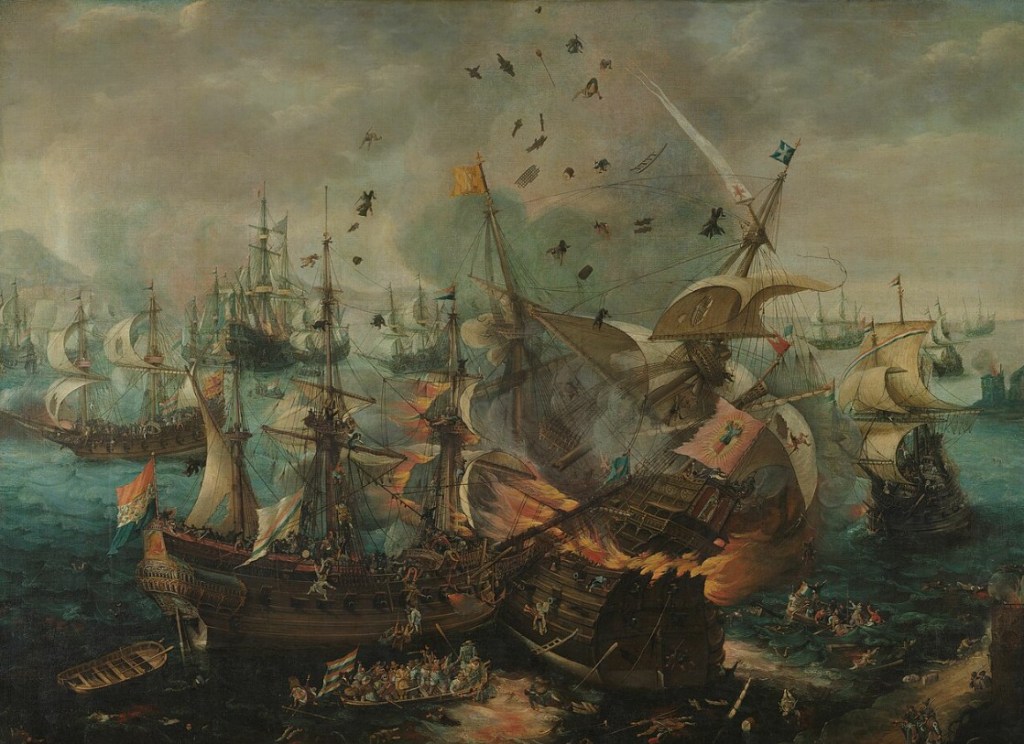
The impact of these wars and their collateral effect impeded Spain’s ability to effectively govern its vast overseas empire. As a result of this, local administrators and colonial elites took on greater authority i administering colonial Mexico. This was done often acting in their own interests rather than in service to the Crown. Corruption and inefficiency plagued colonial governments, leading to dissatisfaction among both the Indigenous populations and European-descended colonists. As Spain’s control weakened, new power dynamics emerged, setting the stage for future struggles over political and economic autonomy in Colonial Mexico.
In colonial Mexico as in other Spanish colonies, this instability coincided with the rise of the criollos who began to challenge the traditional dominance of the peninsulares. Also working in favor of the criollos was a demographic shift. By the mid-17th century, criollos vastly outnumbered peninsulares, with approximately 169,000 criollos compared to just 13,800 peninsulares in colonial Mexico.
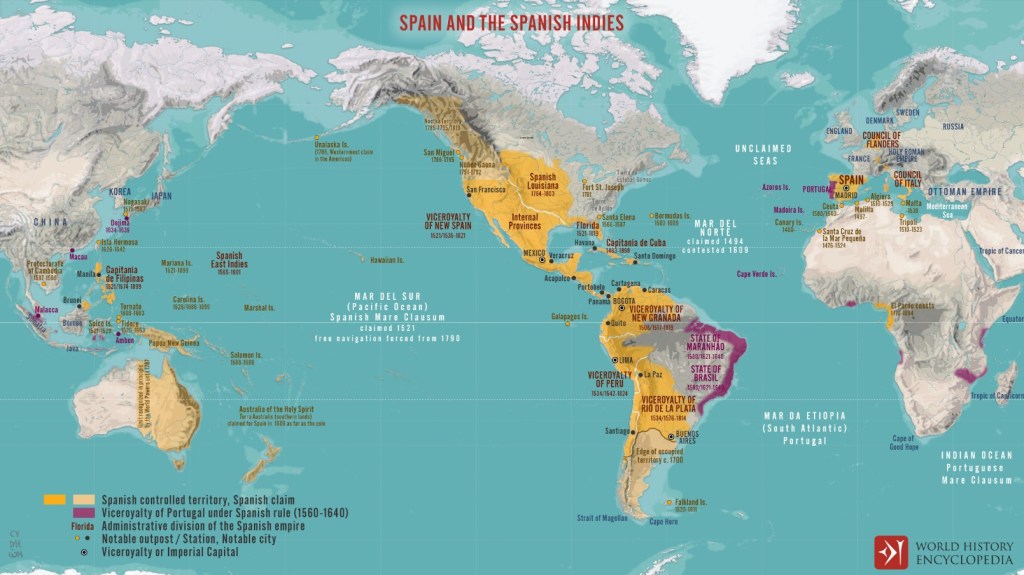
Although criollos were legally considered equal to peninsulares in the Spanish casta system, they faced discrimination in political and economic affairs. The Spanish Crown preferred to appoint peninsulares to high-ranking positions within the colonial administration, maintaining a system where power remained concentrated in the hands of those born in Spain. This exclusion from political power fueled resentment among criollos, who were often wealthy landowners, merchants, and intellectuals, yet were denied key roles in governance.
As Spain’s grip on its colonies loosened, criollos found new ways to gain influence. Many purchased government positions, allowing them to hold local administrative roles despite the Crown’s preference for peninsulares. Additionally, criollos gradually infiltrated powerful colonial institutions such as the audiencias, which were originally dominated by peninsulares. By 1687, criollos had made significant inroads into these institutions, establishing themselves as a powerful force within Mexico’s colonial society.
The tensions between criollos and the Spanish Crown set the stage for future conflicts, as criollos began to develop a distinct identity separate from the peninsulares. They increasingly saw themselves not as subjects of the Spanish monarchy, but as rightful leaders of their own lands. This growing sense of identity, combined with Enlightenment ideals and the later impact of global revolutions, would eventually fuel the independence movements of the late 18th and early 19th centuries.
The War of Spanish Succession
The War of Spanish Succession (1701–1714) was a pivotal conflict that reshaped the balance of power in Europe and profoundly impacted Spain’s American colonies. The war erupted following the death of Charles II (r. 1665–1700), the last Spanish monarch of the Habsburg dynasty, who died without an heir. His passing created a power vacuum, as European rulers vied for control over Spain and its vast empire.
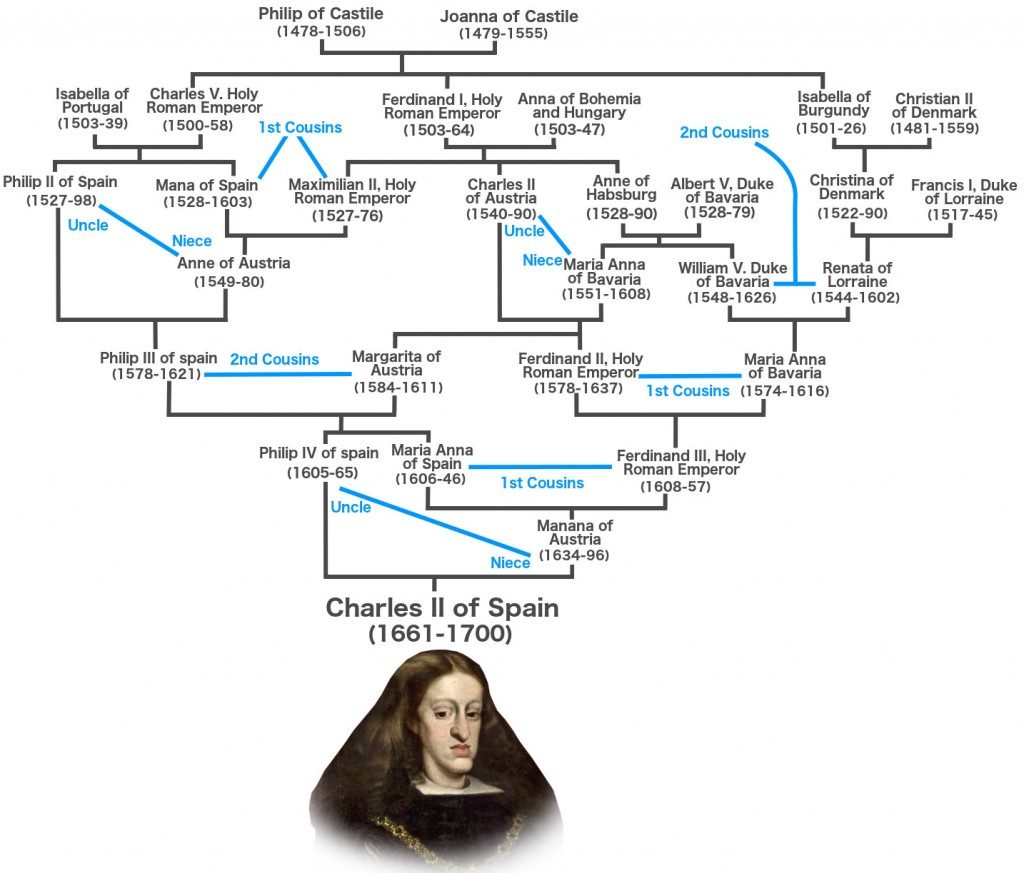
Table 3: Contenders for the Spanish Throne (1700)
| Contender | Relationship to Charles II |
|---|---|
| Philip of Anjou (Philip V) | Grandson of Louis XIV; related through Charles II’s sister Maria Theresa |
| Archduke Charles (Charles VI) | Son of Emperor Leopold I; from Habsburg line |
| Joseph Ferdinand of Bavaria (earlier candidate) | Great-grandson of Philip IV |
| Louis XIV (indirect claim) | Husband of Maria Theresa (Charles II’s sister) |
The war fought across Europe and in Spain’s colonial territories. was not just a succession. What was also at stake was over the balance of power in Europe. If Philip of Anjou ascended to the Spanish throne, France and Spain could potentially unite under a single ruler thus threatening the existing European order. This prospect alarmed England and its allies, who sought to prevent Bourbon dominance.
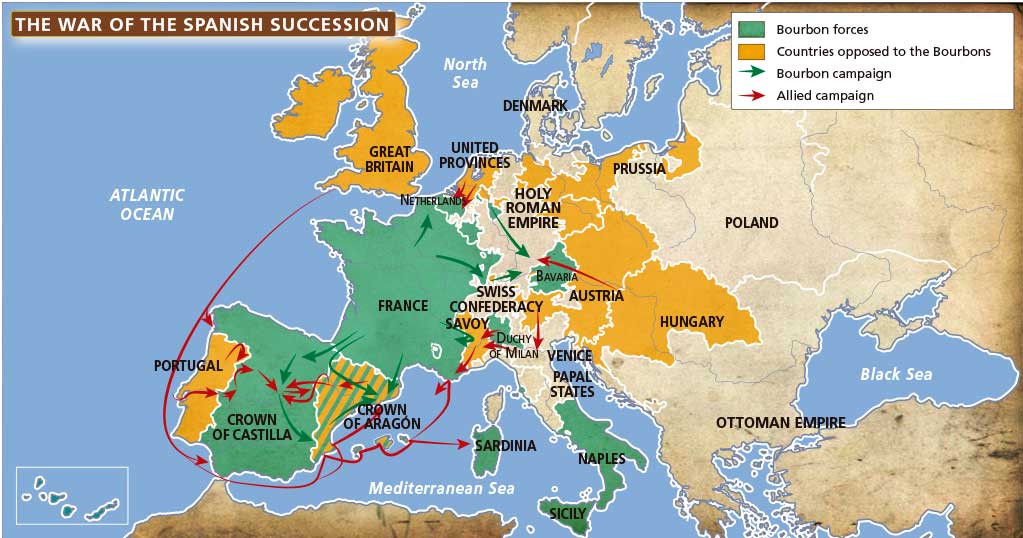
After more than a decade of conflict, the war concluded with the Treaty of Utrecht (1713). The treaty recognized Philip of Anjou (Philip V) as the legitimate king of Spain, but under the condition that the Spanish and French crowns would remain separate.
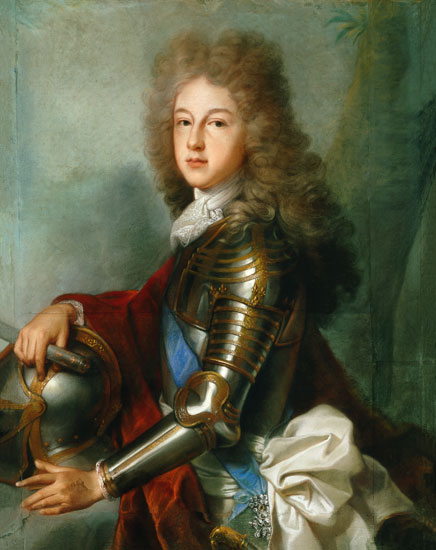
As a result of this treaty, the Bourbon dynasty firmly established itself in Spain, bringing with it a new vision of governance. Under the Bourbon monarchy, Spain moved away from the decentralized rule of the Habsburgs and pursued a policy of centralization and modernization, which extended to its American colonies.
The Bourbon Reforms
Spain’s colonies during the 18th century were of immense importance in the economic, political, and strategic realms. Enlightenment thinkers, such as the French political philosopher Montesquieu, recognized this. In The Spirit of the Laws (1748), Montesquieu observed “The Indies and Spain are two powers under the same master; but the Indies are the principal, while Spain is only an accessory, it is in vain for politics to attempt to bring back the principal to the accessory; the Indies will always draw
Spain to themselves.” Spain and its overseas territories were governed by the same monarch, however, it was the colonies that had become the real source of power and wealth. This reflected how the Spanish Empire’s fortunes increasingly hinged on its vast colonial possessions that it could not afford to lose control of.
The growing power of the criollos did not go unnoticed by the Bourbons. They recognized the need to tighten control and improve efficiency in their colonies and it would be José de Gálvez, as Minister of the Indies (1776–87), who played a central role in implementing a series of administrative, economic, and military changes intended to modernize colonial governance while eliminating foreign threats. Gálvez warned of increasing European competition, particularly from Britain, which he feared sought to dominate global trade. Collective, these reforms were known as the Bourbon Reforms.
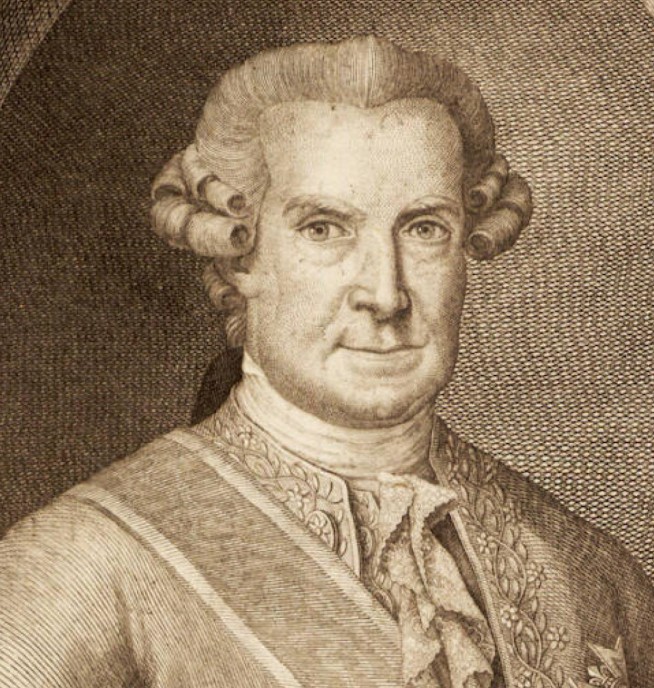
Not everyone welcomed these reforms. Critics saw Gálvez’s actions as overreaching and destabilizing. An anonymous letter of the time sharply criticized his policies, accusing him of causing more harm than good. It explained that “Gálvez has destroyed more than he has built.” The same writer ominously predicted that his reforms might “prepare the greatest revolution in the American Empire,” foreshadowing the unrest that would later contribute to independence movements in colonial Mexico.
One of the most significant of these reforms was the creation of the Intendant System, modeled after French administrative practices. Under this system, Spain appointed intendentes, Spanish-born bureaucrats, to oversee colonial administration and enforce royal policies. This measure was intended to reduce corruption and improve governance, but it also reduced criollo influence in government, further alienating them from the Spanish Crown.
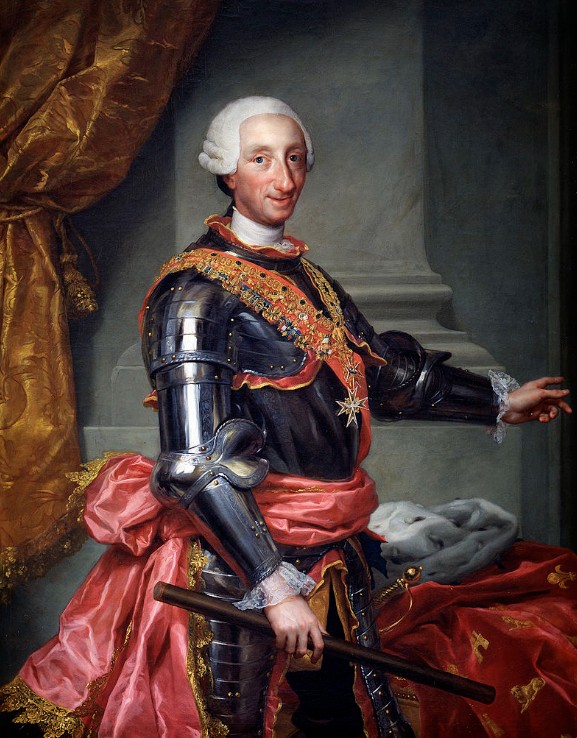
Also introduced was Comercio Libre, a set of economic reforms aimed at liberalizing trade within the Spanish Empire. Implemented primarily through the Reglamento de Libre Comercio in 1778 under King Charles III, it allowed Spanish American colonies to trade more freely with each other and with Spain, reducing the monopoly of certain ports like Seville and Cádiz. This policy sought to stimulate economic growth, increase colonial revenues, and weaken contraband trade. While it benefited merchants and local economies, it also intensified competition and laid the groundwork for colonial discontent as it broke the trade monopoly of prominant criollo families.
Initially aimed at strengthening Spain’s control over its colonies, the Bourbon Reforms only deepened resentment among criollos, who saw them as an unjust restriction on their rights and ambitions.
While the Bourbon Reforms strengthened Spain’s control over its colonies, they simultaneously disrupted established power structures and fueled widespread discontent, particularly among criollos. Under the earlier Habsburg rule, criollos had enjoyed a degree of autonomy and access to influential positions in government and the Church, but the Bourbons increasingly favored peninsulares, deepening criollo resentment. At the same time, new economic policies such as Spain’s tight monopoly on colonial trade undermined local economies by forcing merchants to depend on costly Spanish imports rather than more affordable goods available through illicit trade, reinforcing perceptions of exploitation. These reforms also carried significant social consequences: higher taxes and stricter administrative control intensified unrest among indigenous communities and mestizos, many of whom viewed these measures as intrusions on their traditional ways of life, leading to periodic uprisings throughout the eighteenth century. In this way, reforms intended to consolidate imperial authority ultimately contributed to growing resentment, heightened political awareness, and an emerging desire for self-governance.
Table 4: Negative Impacts of the Bourbon Reforms in Colonial Mexico
| Specific Policy / Change | Impact on Population | Why It Was Harmful |
|---|---|---|
| Expansion of alcabala (sales tax), tribute, and new fiscal systems | Heavier financial burden on peasants, Indigenous communities, and urban poor | Taxes rose significantly to fund Spain’s wars, extracting wealth from colonies rather than reinvesting locally. |
| Crown monopolies (e.g., tobacco) and tighter regulation of trade | Reduced opportunities for local producers and merchants | Local economies became more dependent on imperial control, limiting economic freedom and growth |
| Forced distribution of goods to Indigenous communities | Indigenous people forced into debt to buy unwanted goods | This system exploited rural populations and increased poverty and resentment. |
| Expansion of silver mining with state support | Increased labor demands and harsh working conditions | While mining grew, benefits went mainly to elites and the Crown, not workers. |
| Removal of Jesuit missionaries and seizure of their lands | Loss of education, social services, and local stability | Jesuits had supported communities and economies; their expulsion caused unrest and disruption. |
| Introduction of intendants and reduction of local autonomy | Creole elites lost political influence; local governance weakened | Increased resentment among Creoles, contributing to independence movements. |
| Expansion of militias and defense spending | Increased taxation and conscription pressures | Colonists bore costs of imperial defense without proportional benefits |
| Redistribution and commercialization of land | Displacement of Indigenous communities and small farmers | Greater inequality and land concentration worsened rural poverty |
| Reduction of Church privileges and wealth (including confiscations) | Loss of charitable support systems for poor populations | Church had provided welfare; reforms weakened social safety nets. |
The Enlightenment and the Ideals of Liberty
As Spain sought to tighten its control over its American colonies through the Bourbon Reforms, new philosophical and political ideas were rapidly spreading across Europe and the Atlantic world. The Enlightenment, an intellectual and cultural movement of the 17th and 18th centuries, emphasized reason, science, individual rights, and the questioning of traditional authority. Rooted in the ideas of thinkers like John Locke, Voltaire, Montesquieu, and Jean-Jacques Rousseau, it promoted ideals such as liberty, democracy, secularism, and progress.
These revolutionary ideas challenged the very foundations of absolute monarchy and advocated for principles such as liberty, equality, and self-governance. Enlightenment thinkers argued that governments derived their legitimacy from the people, not divine right, and that rulers were obligated to protect the rights of their citizens. If a government failed to do so, it was the right of the people to resist and replace it. Such radical ideas directly opposed the Spanish colonial system, in which power was concentrated in the hands of the monarchy and its appointed officials.
Table 5: Major Enlightenment Ideas and their Influence on Colonial Mexico
| Enlightenment Idea | Core Concept | Influence on Colonial Mexico |
|---|---|---|
| Natural Rights | All individuals possess inherent rights (life, liberty, property) that governments must protect. | Inspired critiques of Spanish rule as unjust and illegitimate for denying basic rights to colonists. |
| Popular Sovereignty | Political power resides in the people, not the monarch. | Encouraged the belief that authority in New Spain should come from its inhabitants rather than the Spanish crown. |
| Social Contract | Governments exist by agreement with the governed and can be overthrown if they fail. | Justified rebellion against Spain when it failed to protect colonial interests. |
| Separation of Powers | Government power should be divided to prevent tyranny. | Highlighted abuses of centralized colonial authority and inspired ideas for more balanced governance. |
| Equality Before the Law | All individuals should be equal under the law. | Challenged the rigid caste system in colonial society, especially inequalities between peninsulares and criollos. |
| Freedom of Expression | Individuals should have the right to speak and think freely. | Encouraged the spread of revolutionary ideas and criticism of colonial rule. |
| Economic Liberalism | Free trade and limited government interference in the economy. | Criticized Spain’s restrictive trade policies and monopoly over colonial markets |
| Secularism | Separation of church and state authority. | Questioned the close alliance between the Catholic Church and Spanish colonial power. |
Marie-Jean-Antoine-Nicolas Caritat (1743–1794), Marquis de Condorcet, articulated several core principles of Enlightenment thought in his influential work Sketch for a Historical Picture of he Progress of the Human Mind. His work argued that humans can continue to improve, that knowledge and reason will expand over time, and that society can move toward greater equality and liberty.
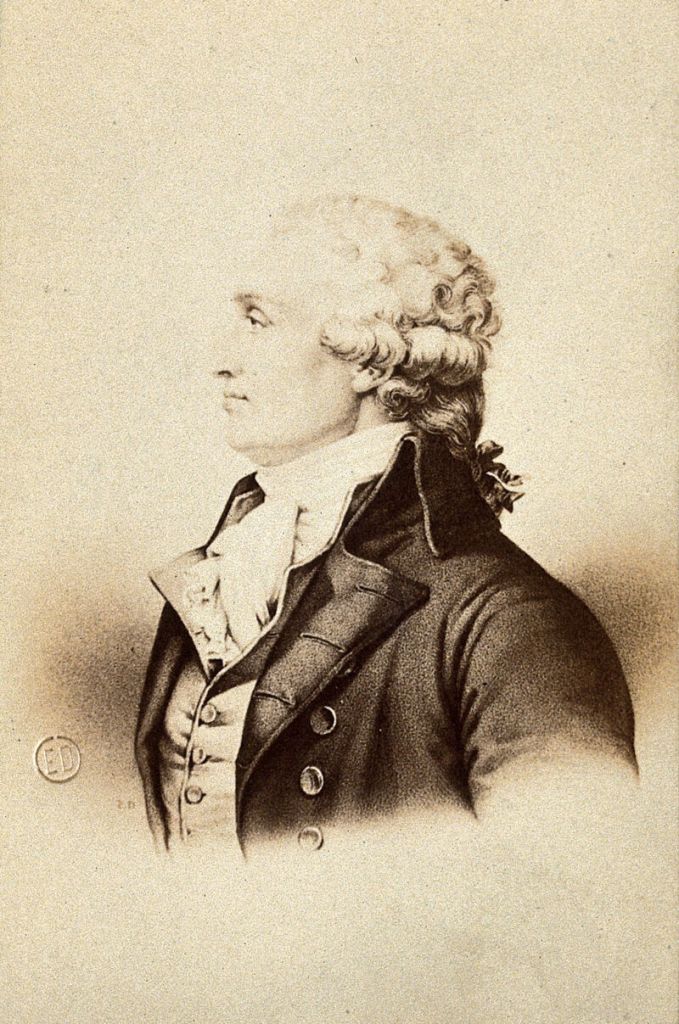
| Sketch for a Historical Picture of the Progress of the Human Mind (1795) The object of this work is to show, by reasoning and by facts, that there is no limit to the improvement of the human faculties; that the perfectibility of man is truly indefinite; and that the progress of this perfectibility, from the time when social institutions first began to exist, has no other limit than the duration of the globe upon which nature has placed us. It will be seen that this progress follows a course that is subject to no interruption, and that every age adds something to the acquisitions of the preceding age. |
Other central doctrines of the Enlightenment reflected a profound shift in how individuals understood themselves, society, and authority. Enlightenment thinkers emphasized that human beings are inherently rational, and this capacity for reason empowers individuals to make moral choices and govern themselves justly. They rejected the notion that the current state of the world was necessarily ideal, promoting instead the belief in continual human progress and improvement.
Table 6: Major Enlightenment Thinkers and Their Key Works:
| Thinker | Lifespan | Major Work(s) | Key Ideas |
|---|---|---|---|
| John Locke | 1632–1704 | Two Treatises of Government | Natural rights (life, liberty, property); government by consent. |
| Jean-Jacques Rousseau | 1712–1778 | The Social Contract | Popular sovereignty; general will; equality. |
| Montesquieu | 1689–1755 | The Spirit of the Laws | Separation of powers; checks and balances |
| Voltaire | 1694–1778 | Candide; Letters on England | Freedom of speech; religious tolerance; critique of authority. |
| Denis Diderot | 1713–1784 | Encyclopédie | Spread of knowledge; secularism; criticism of tradition. |
| Adam Smith | 1723–1790 | The Wealth of Nations | Free markets; economic liberalism; division of labor. |
| Immanuel Kant | 1724–1804 | What is Enlightenment? | Use of reason; intellectual freedom; autonomy. |
| Cesare Beccaria | 1738–1794 | On Crimes and Punishments | Criminal justice reform; opposition to torture and death penalty. |
| Mary Wollstonecraft | 1759–1797 | A Vindication of the Rights of Woman | Women’s rights; education; equality. |
| Marquis de Condorcet | 1743–1794 | Sketch for a Historical Picture of the Progress of the Human Mind | Progress of reason; human perfectibility; equality. |
The Enlightenment promoted the idea that all people are basically equal. This belief supported demands for personal freedom, equal rights, and fair treatment under the law. These ideas challenged traditional social hierarchies and absolute rule that were dominant features of European governance at the time. Enlightenment thinkers also argued that ideas about religion, politics, or science should not be based on tradition or superstition, but on reason and evidence
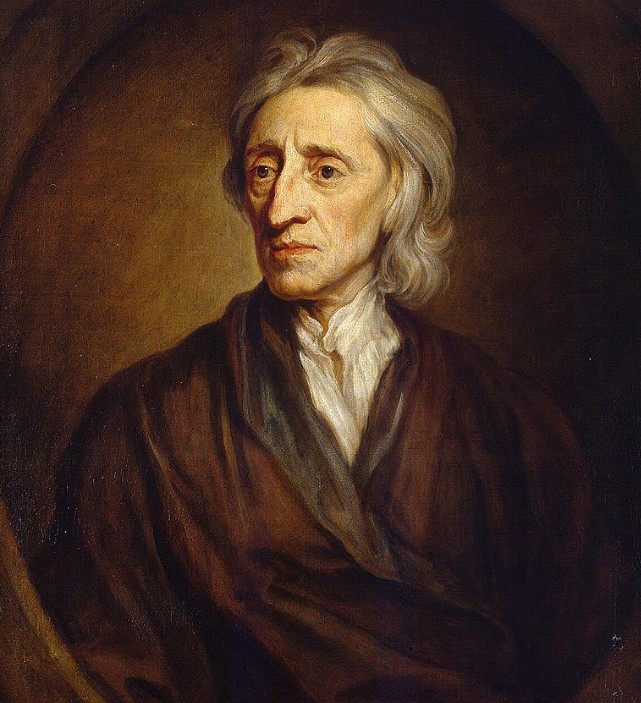
One of the most important early thinkers leading into the Enlightenment was John Locke (1632–1704), an English philosopher whose ideas strongly influenced political thought in the Americas. In his major work, Two Treatises of Government (1689),
| Two Treatise on Government The state of nature has a law of nature to govern it, which obliges every one: and reason, which is that law, teaches all mankind, who will but consult it, that being all equal and independent, no one ought to harm another in his life, health, liberty, or possessions: for men being all the workmanship of one omnipotent, and infinitely wise maker; all the servants of one sovereign master, sent into the world by his order, and about his business; they are his property, whose workmanship they are, made to last during his, not one another’s pleasure. |
John Locke’s quote from the Second Treatise of Government above shows his main ideas about natural rights, equality, and moral responsibility. Locke argued that all people are born with “natural rights,” including life, liberty, and property. He explains that even before governments existed, people followed a moral law called the “law of nature,” which is based on reason. This law teaches that all people are equal and independent, and that no one has the right to harm another person’s life, liberty, health, or property. Locke argues that these rights are natural, meaning they do not come from governments but from God. Because of this, people have a responsibility to respect each other’s rights.
Locke also believed that governments are created to protect these rights, not to give them. If a government fails to protect these rights, people have the right to challenge it or replace it. These ideas influenced major movements like the American and French Revolutions. They also spread to criollos, who felt excluded from power under Spanish rule. As the Spanish Crown continued to limit their influence, Enlightenment ideas gave them a reason to resist authority and eventually seek independence.
Pre-Enlightenment and Enlightenment ideas made their way to Spain’s colonies in the Americas influencing those opposed to the Bourbon monarchy. Antonio Joaquín de Rivadeneira y Barrientos (1710–1777), a Mexican-born intellectual and colonial official, emerged as a powerful voice of dissent against the Bourbon reforms. In response to an anonymous letter that claimed “the spirit of the Americans is submissive and compliant” and that “they are exposed to the greatest errors” if given positions of power, Rivadeneira offered a rebuttal drawing on Enlightenment ideals. He argued that the appointment of criollos over foreigners was not only a matter of justice but of reason and good governance. As he explained, this was a principle “derived from the natural reason which governs the hearts” and was common to all nations. He critiqued the imperial practice of sending Spanish-born officials to govern unfamiliar territories, emphasizing how disconnected they were from local laws, customs, and the people themselves.
Rivadeneira’s stance reflected key Enlightenment doctrines which included the importance of reason, the right of peoples to self-governance, and the equality of individuals regardless of birthplace. Thus Rivadeneira, in defending criollo rights, did so by aligning himself with Enlightenment thinkers who questioned inherited privilege, arbitrary power, and imperial domination. His arguments foreshadowed the growing tensions that would eventually contribute to the independence movements of the early 19th century.
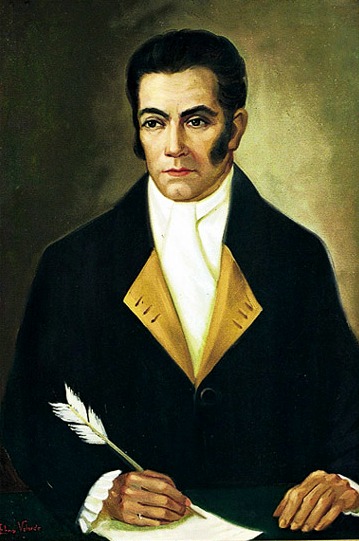
The political ideas of Rivadeneira were shared by many throughout Spain’s colonies in the Americas. Juan Pablo Viscardo y Guzmán (1748–1798), a Peruvian-born Jesuit and early supporter of independence, became an important critic of Spanish rule through his Letter to the Spanish Americans.. Influenced by John Locke and other Enlightenment thinkers, Viscardo argued that the Spanish monarchy had violated the “unalienable rights of man,” especially the rights to life, liberty, and property. He claimed that Bourbon policies treated people in the Americas as tools for profit rather than as citizens who deserved justice and representation. In his letter, Viscardo also called on criollos and other American-born people to recognize their shared struggles and demand greater independence. By using the language of natural rights, he exposed the unfairness of Spanish rule and helped provide a foundation for revolutionary movements.
The ideas of the Enlightenment continued to be spread criollos and were widely read and discussed in universities, Masonic lodges, and literary societies in Mexico City. Enlightenment principles were also being embraced by reform-minded clergy members, including Father Miguel Hidalgo and José María Morelos, who later became key figures in Mexico’s fight for independence. These priests used their influence to spread ideas of self-rule and justice among the broader population, including indigenous and mestizo communities. The stage was being set for the rise of an independence movement. It would be French intervention in Spanish succession that would provide the tipping point towards independence.
The French Revolution, Napoleon and the Spread of Revolutionary Ideas in Spanish America
While Enlightenment ideas were already circulating throughout the Spanish colonies, the French Revolution (1789–1799) provided a powerful real-world example of how these ideals could be transformed into political action. The revolution, driven by principles of liberty, fraternity, and equality, led to the overthrow of King Louis XVI (1754-1793) and the abolition of the absolute monarchy in France.

Though French Revolution, the idea that a long-established European monarchy could be dismantled by the will of the people challenged the notion of divine rule. This in turn reinforced the belief that Spanish colonial rule could also be overthrown. The abolition of feudal privileges in France resonated with many Mexican criollos, indigenous people, and mestizos, who saw Spanish colonial rule as an unjust and oppressive system designed to benefit the Spanish elite while exploiting the local population.
During the late 18th and early 19th centuries, Spain and its colonial empire was plunged into political and economic turmoil, much of it under the ineffective leadership of Charles IV (r. 1788–1808). His reign coincided with the upheaval of the French Revolution and the rise of Napoleon Bonaparte (1769-1821).
It was during this moment that Spain found itself financially and militarily weakened. In an effort to raise revenue for Spain’s war efforts, Charles IV implemented the Law of Consolidation in 1798. This royal decree forced the Catholic Church to sell off lands and assets and use the proceeds to help pay off Spain’s national debt. It effectively transferred wealth from the Church to the state, aiming to stabilize royal finances during this period of crisis. This law would adversely impact the colonies and criollos when it was extended to the Americas.
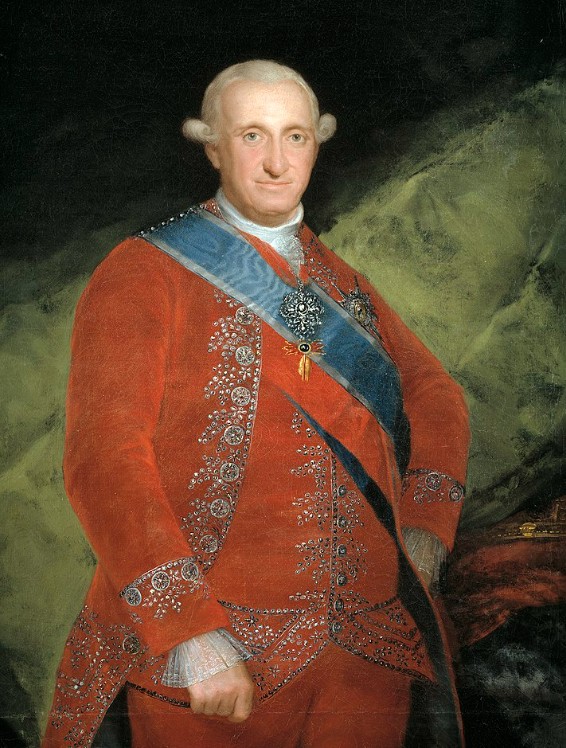
The Law of Consolidation was extended to Mexico in 1804. By this time, Spain had been forced into an alliance with Napoleon Bonaparte. Church lands and wealth from colonial Mexico’s Church were sold to generate funds. This action would have devastating ripple effects in colonial Mexico. The Catholic Church had long served as the principal source of credit, particularly for rural landowners and small-scale farmers. By seizing and liquidating church property, the colonial government collapsed a key part of the economic infrastructure, causing defaults on loans, land loss, and widespread financial insecurity. This deeply disrupted land tenure systems and fueled resentment against the Bourbon monarchy across social classes.
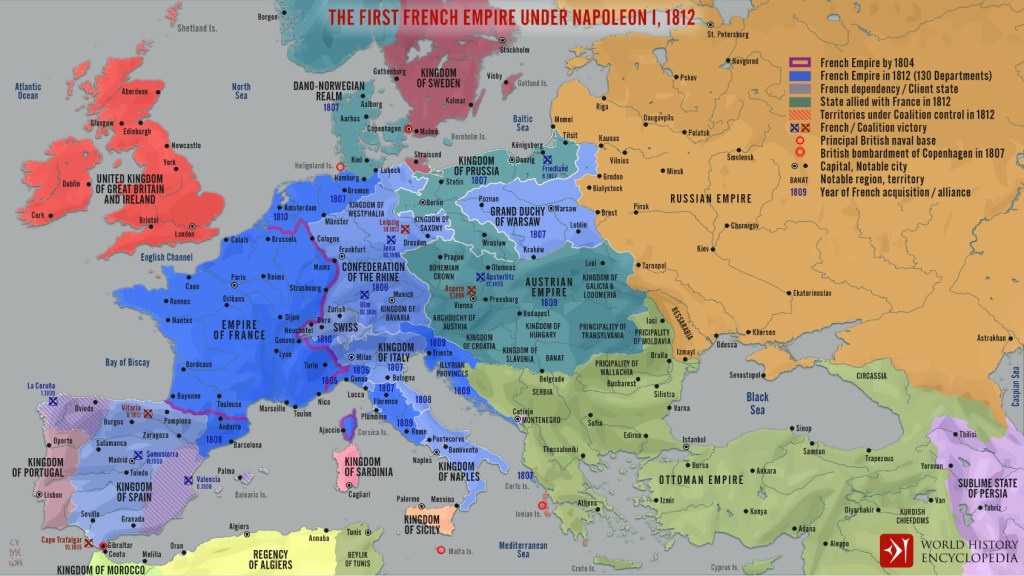
The political landscape worsened dramatically in 1808, when Napoleon exploited dynastic disputes within the Bourbon monarchy. He forced Charles IV and his son Ferdinand VII (1784-1833) to abdicate and installed his own brother, Joseph Bonaparte, as king of Spain. This action was seen as an insult to both Spanish authority and colonial loyalty. Across Spanish America, including Mexico, many people began to question whether they should remain loyal to a king who had been placed on the throne by a foreign power.
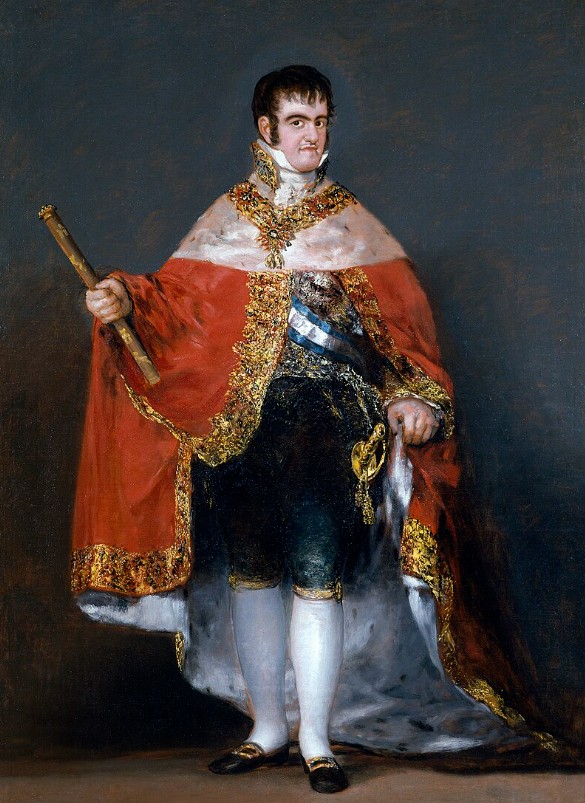
This mix of political instability, economic problems, and the weakening of royal authority helped spark early independence movements across Spain’s colonies in the America. The effects of the Law of Consolidation and Napoleon’s intervention made it harder for the Spanish Crown to keep the loyalty of its colonies. As a result, these events helped set the stage for the collapse of Spain’s empire in the Americas in the years that followed.
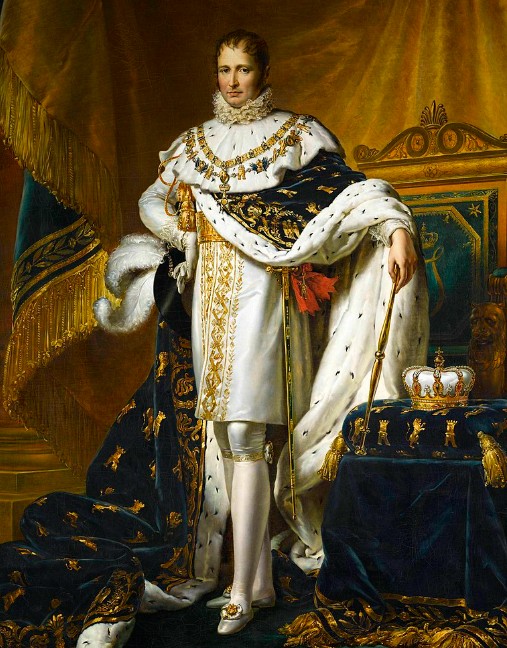
In colonial Mexico, this crisis led many criollos and intellectuals to rethink their relationship with the Spanish Crown. In 1808, Mexico City’s council used Enlightenment ideas to argue that if there was no legitimate king, political power should belong to the people, not the monarchy. This idea was very radical at the time and directly challenged Spain’s authority. It also helped lay the foundation for Mexico’s independence movement.
In Closing
By the early 1800s, the conditions for rebellion in colonial Mexico were already in place. As Spain faced internal problems, criollos, mestizos, and Indigenous groups began to see independence as the only realistic option. The movement officially began on September 16, 1810, when Father Miguel Hidalgo delivered his famous Grito de Dolores, calling for an uprising against Spanish rule. This event marked the start of the Mexican War of Independence and will be the focus of our next topic.


