THE ORDERING OF THE COLONIAL WORLD – PART ii
| LEARNING OBJECTIVES 1. Analyze the structure and impact of the social hierarchy in New Spain. 2. Evaluate the role of institutions and groups in shaping colonial society 3. Explain the long-term effects of colonial systems on Mexican society |
SOCIAL VALUES AND COLONIAL HIERARCHIES
Recall that after the conquest, Spanish settlers sought to transplant Iberian social values and traditions to their newly acquired territories. As you learned, the end result was the development of a rigid and hierarchical structure where an individual’s ethnicity, birthplace, and social status determined their legal rights, economic opportunities, and social mobility. This stratification system became one of the defining features of colonial rule that would continue to impact Mexico even after independence from Spanish rule.
During the early colonial period, the elite sector of society was composed exclusively of Spanish immigrants (peninsulares) from the Iberian Peninsula. Regardless of their social standing before arriving in Mexico, these settlers considered themselves part of the colonial nobility since simply being Spanish granted them privileged status. Peninsulares occupied the highest ranks of colonial administration, the military, and the Church. Through their positions in colonial society the reenforced, reinforced Spanish customs and governance throughout New Spain. The reality was that with time criollos became a significant social and economic force. They controlled vast agricultural estates (haciendas) that supplied food and livestock for both local consumption and export. Additionally, criollos amassed wealth through commerce and silver mining, two of the most profitable industries in New Spain. The Catholic Church, one of the most powerful institutions in New Spain, also became a pathway to wealth and influence for criollos, many of whom entered religious orders and secured positions of economic and social importance. However, despite their economic success, criollos remained politically marginalized. The Spanish Crown reserved the highest government and church offices for peninsulares, excluding criollos from key positions of power. Over time, this political and social resentment fueled criollo discontent, which later became a major driving force behind the Mexican independence movement in the early 19th century.
Table 1: Social Hierarchy in Colonial Mexico
| Group | Description | Privileges & Roles | Limitations |
|---|---|---|---|
| Peninsulares | Spaniards born in Spain | Held highest offices (government, church); controlled trade and administration | Few formal limits; resented by criollos |
| Criollos (Creoles) | Spaniards born in the Americas | Wealthy landowners, clergy, professionals; strong local influence | Excluded from top colonial offices dominated by peninsulares |
| Mestizos | Mixed Spanish + Indigenous ancestry | Artisans, laborers, minor officials; growing urban population | Limited access to power; ambiguous status |
| Castas (mixed groups) | Various mixed ancestries (Spanish + African ancestry for example) | Some economic roles in trades, military, urban life | Social stigma; legal and economic restrictions |
| Indigenous (Indios) | Native peoples of Mexico | Recognized as communities; some legal protections; tribute-paying subjects | Forced labor systems; limited political power; segregated communities |
| Africans (enslaved/free) | People of African descent, often enslaved | Labor in agriculture, mining, domestic service | Enslavement (for many), lowest legal and social status |
Both peninsulares and criollos enjoyed privileges that were denied to Indigenous people, enslaved Africans, and people of mixed ancestry. Unlike Indigenous communities, who were forced to pay tributes and provide labor under the encomienda and repartimiento systems, Spaniards were exempt from these burdens. Additionally, Spanish elites were allowed to own vast haciendas and silver mines, while Indigenous people were often confined to communal lands with restricted economic opportunities. Legal privileges further deepened social divisions. Spaniards had greater access to high courts and legal protections, while indigenous people were often subject to the authority of corregidores and local officials who acted with little oversight. These systemic inequalities reinforced the rigid casta system that defined Spanish colonial rule would that institutionalize racial and class disparities for centuries.
THE CASTA SYSTEM
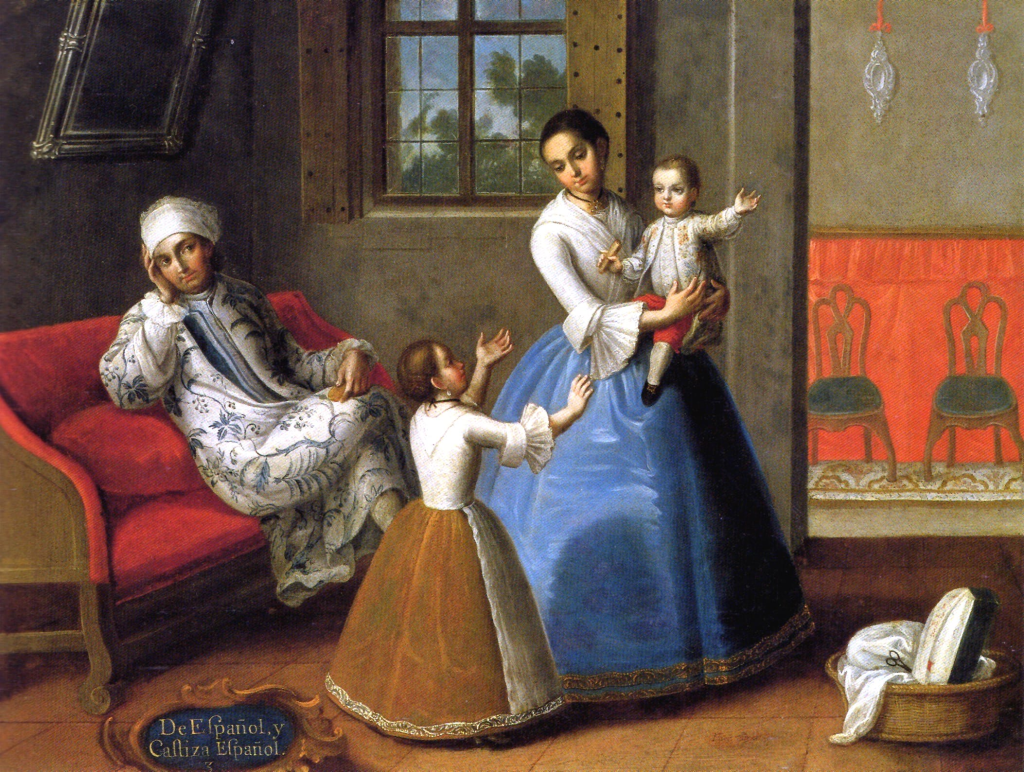
Over time, racial mixing between Spaniards, indigenous peoples, and Africans led to the emergence of a large mixed-ancestry population, known as the casta population. In an effort to maintain Spanish superiority and reinforce social hierarchies, the Spanish Crown developed an elaborate racial classification system that dictated social status, economic opportunities, and legal rights. This system, described by historians as “a racial hierarchy and a Eurocentric obsession with pure Spanish blood,” was designed to control and define social identity in colonial Mexico.
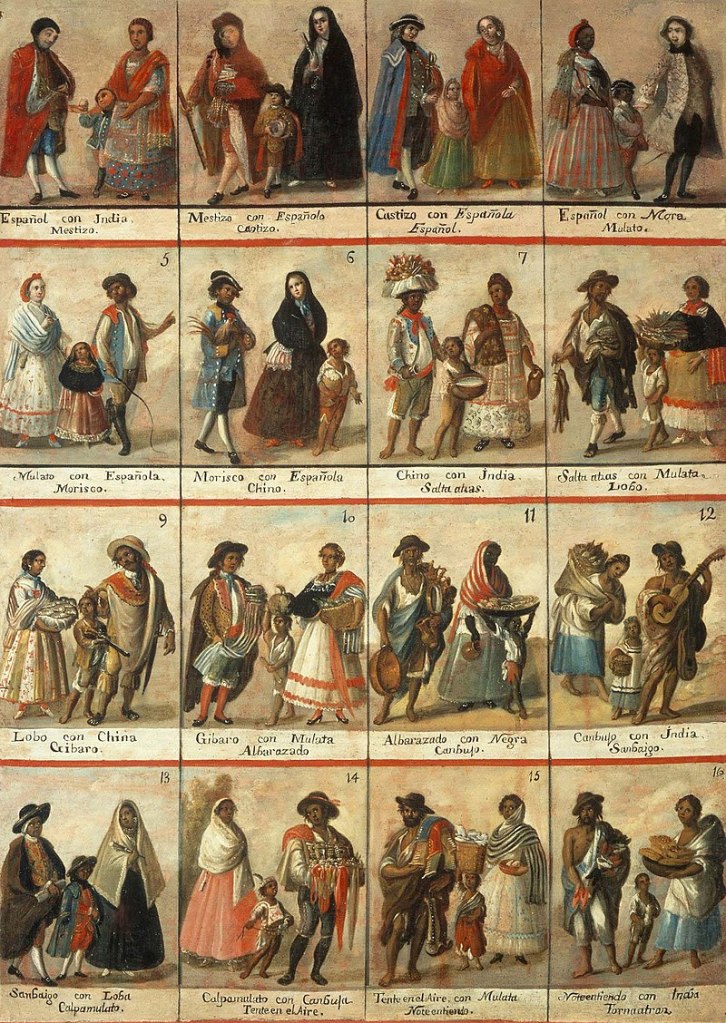
The Spanish colonial government categorized individuals based on their ancestry, placing those of Spanish descent at the top while limiting the rights and opportunities of those with indigenous, African, or mixed heritage. The most recognized casta categories included:
Table 2: Examples of Castas (many others not included)
| Parents/Child Status | Notes |
| Spanish + Indigenous/Mestizo | The largest and most influential mixed-race group in New Spain. Though they were marginalized, mestizos held a higher status than pure indigenous people and were often able to access skilled labor, military positions, and trade opportunities. Over time, they became a key demographic in Mexican society. |
| Spanish + African/Mulatto | Considered lower in status than mestizos, mulattos were frequently forced into labor-intensive occupations, such as plantation work, mining, and domestic servitude. Some gained limited social mobility through military service. |
| Indigenous + African/Zambo | One of the lowest social classes in the casta system, zambos were often enslaved or subjected to hard labor. Their African ancestry placed them at the bottom of the social hierarchy, as the Spanish viewed African heritage with the greatest stigma. |
| Spanish + Mestizo/Castizo | With a higher social status than mestizos, castizos were sometimes legally considered Spanish and granted greater access to land, education, and government positions. |
Each racial category determined access to jobs, property ownership, education, and legal privileges. By creating and enforcing this system, the Spanish elite ensured their continued dominance, preserving their privileged position while restricting the mobility of mixed-race individuals and Indigenous people.
Although the colonial casta system formally ended after Mexico’s independence in 1821, its social and economic legacies persisted for centuries. Racial and class divisions remained deeply ingrained, influencing economic inequality, access to education, and social mobility well into modern Mexican history. The impact of these colonial hierarchies is still visible today in socioeconomic disparities and racial prejudices that continue to shape Mexico’s society and marginalize its Indigenous communities.
CULTURAL ADAPTIONS
During the immediate post-conquest period, the Spanish relied heavily on Indigenous elites as intermediaries to facilitate their rule over New Spain. Many of these elites were formerly nobles, rulers., or individuals who held high-status in their communities. In their intermediary roles, they helped maintain stability by ensuring that Indigenous communities they represented complied with Spanish authorities. By co-opting these local leaders, the Spanish reduced the likelihood of rebellion while also ensuring a more efficient collection of tribute, labor, and resources. In exchange for their loyalty and administrative support, collaborating Indigenous elites were allowed to retain certain privileges within the colonial system. However, as Spanish control solidified these privileges granted to the Indigenous elite began to erode. Over time, Spanish settlers and colonial administrators expanded their own landholdings, often at the expense of Indigenous communities.
Table 3: Cultural Adaptations of Indigenous Elites
| Domain | Pre-Conquest Practice | Colonial Adaptation | Purpose / Outcome |
|---|---|---|---|
| Political Authority | Hereditary rulers (tlatoani) governing altepetl (city-states) | Became caciques (recognized Indigenous nobles under Spanish rule) | Maintained local authority and mediated between Spanish officials and Indigenous communities |
| Language & Literacy | Oral tradition + pictographic codices | Adopted alphabetic Nahuatl (Latin script) and Spanish literacy | Enabled legal petitions, land claims, and political negotiation |
| Legal Systems | Customary law within altepetl | Used Spanish courts and legal documents (wills, land titles, petitions) | Protected land rights and noble privileges |
| Religion | Polytheistic ritual system tied to cosmos | Adopted Catholicism (often selectively) | Preserved status while reinterpreting beliefs within Indigenous frameworks |
| Education | Calmecac (elite schools) | Sent children to mission schools / colegios | Gained literacy, clerical roles, and access to colonial administration |
| Social Identity | Noble lineage tied to pre-Hispanic ancestry | Emphasized noble genealogy in Spanish terms (e.g., “don/doña”) | Preserved elite distinction within colonial hierarchy |
| Economic Roles | Tribute collection, land control | Continued as landholders, tribute intermediaries | Maintained wealth and influence |
| Dress & Material Culture | Distinct elite attire and insignia | Adopted Spanish clothing styles (partially) | Signaled status in colonial society while blending identities |
| Historical Memory | Codices and oral histories | Produced hybrid documents (e.g., codices + alphabetic histories) | Preserved Indigenous history in new formats |
| Marriage Strategies | Elite lineage alliances | Intermarriage with Spanish or other elite groups (sometimes) | Strengthened status and alliances |
As indigenous elites lost economic power, many sought to preserve their social prestige by adopting Spanish cultural markers of nobility. One of the most significant shifts was the adoption of Spanish honorific titles, such as Don (for men) and Doña (for women). These titles were traditionally reserved for Spaniards of noble status, but some indigenous elites petitioned Spanish authorities to be recognized as nobles, hoping to secure legal and social privileges.
In addition to adopting Spanish titles, indigenous elites increasingly integrated into Catholic religious institutions. Some became local church leaders, scribes, and translators for colonial officials, helping to mediate between Spanish authorities and indigenous communities. This dual adaptation strategy of embracing Spanish symbols of status and participating in colonial administration allowed them to retain some degree of influence, even as their traditional power waned.
One of the most immediate and lasting effects of the Spanish conquest was the introduction of the Latin alphabet to Indigenous societies. The Indigenous adoption of the Latin alphabet occurred quickly, with some of the earliest surviving documents written in Latin script dating back to the mid-1500s. Indigenous communities adapted this new writing system to record their histories, document land disputes, and navigate the Spanish legal system. Missionaries and colonial officials actively encouraged Indigenous literacy for different but complementary reasons. Missionaries sought to spread Christianity through written texts, while Spanish authorities relied on literate scribes to manage taxation, tribute, and legal records. This dual effort by the Spanish created a bilingual bureaucratic culture in which many Indigenous scribes and nobles became fluent in both Nahuatl and Spanish. At the same time, Mesoamerican language patterns began to shift as Spanish rule deepened. Nahuatl and other Indigenous languages increasingly incorporated Spanish loanwords, especially for unfamiliar European objects, concepts, and religious ideas. Although Nahuatl remained widely spoken, it gradually became hybridized, blending its grammatical structure with Spanish vocabulary as indigenous communities integrated new elements into their daily lives.
Table 4: Early Spanish Nouns Integrated into Nahuatl
| Category | Spanish Word | Nahuatl Adaptation | Meaning / Context |
|---|---|---|---|
| Animals (new species) | caballo | kawayoh / kawayo | horse |
| vaca | waka | cow | |
| gallina | kalyina / galina | chicken | |
| Objects & Technology | espada | espata | sword |
| mesa | mesa | table | |
| silla | sila | chair | |
| caja | kaxa / caja | box, chest | |
| Religion (Christianity) | Dios | Dios | God |
| iglesia | iglesia / ilesia | church | |
| cruz | kruz | cross | |
| santo | santo | saint | |
| Administration & Society | alcalde | alkalte | local magistrate |
| gobernador | kobenador | governor | |
| cabildo | kabildo | town council | |
| Economy & Trade | peso | peso | currency unit |
| real | real | coin | |
| tienda | tienda | shop | |
| Clothing & Material Culture | camisa | kamisa | shirt |
| zapato | sapato | shoe |
Table 5: Nahuatl Words that Entered Spanish and English
| Nahuatl Word | Meaning (Original) | Spanish Form | English Form |
|---|---|---|---|
| chocolātl | cacao drink | chocolate | chocolate |
| tomatl | tomato | tomate | tomato |
| xocolātl | bitter drink | chocolate | chocolate |
| āhuacatl | avocado | aguacate | avocado |
| chīlli | chili pepper | chile | chili |
| coyōtl | coyote | coyote | coyote |
| ocēlōtl | jaguar | ocelote | ocelot |
| tzictli | sticky substance | chicle | chicle / gum |
| peyōtl | psychoactive cactus | peyote | peyote |
WOMEN AND STATUS
The role of women in colonial Mexico was shaped by Christian theology, Greek philosophy, and deeply ingrained patriarchal social structures transferred from Spain’s medieval tradition. Combined, all three were used to reinforce strict gender roles, social hierarchies, and family honor codes in colonial Mexico. Their imposition created a society where a women’s status and opportunities were largely dictated by obedience to male authority, sexual purity, and social class.
Table 6: Christian Doctrine and Greek Philosophy Reinforcing Patriarchy in Colonial Mexico
| Domain | Christian Doctrine (Colonial Church) | Greek / Aristotelian Philosophy | Patriarchal Outcome in Colonial Mexico |
|---|---|---|---|
| Nature of Women | Eve associated with sin; emphasis on obedience and modesty | Aristotle: woman as biologically inferior, “defective male” | Women viewed as naturally subordinate across society |
| Household Authority | Husband/father as spiritual and legal head | Aristotle’s oikos: natural male rule over household | Patriarchal family as foundation of society |
| Education | Women educated for piety and domestic roles | Greek exclusion of women from civic education | Intellectual opportunities restricted |
| Moral Weakness & Sin | Women linked to temptation and moral risk | Aristotle: women have weaker rational capacity | Increased control over women’s behavior |
| Political Authority | Hierarchical order (God – king – father – wife) | Aristotle: hierarchy is natural and necessary | Women excluded from formal power |
| Religious Authority | Male-only priesthood | Aristotle: women lack full deliberative authority | Women excluded from clerical roles |
| Race + Gender Hierarchy | Evangelization tied to moral hierarchy | Aristotle’s ideas adapted to justify inequality | Indigenous and African women doubly subordinated |
| Sexual Regulation | Honor culture; chastity central | Greek link between body and irrationality | Strict policing of women’s sexuality |
Christianity played a fundamental role in defining gender roles in Spanish society. Selections from the Christian Bible and Church teachings were used to emphasize that women should be submissive to their husbands. The message taught was that a male-dominated social order was considered divinely ordained. This belief associated “patriarchal social order with the natural and divinely created order,” reinforcing male dominance in both the household and society.
In colonial Mexico, paintings of the Virgin Mary, especially Our Lady of Guadalupe, were used to model the ideal Christian woman. These images show Mary with downcast eyes, covered body, and hands in prayer, emphasizing humility, obedience, and purity. Her virginity and calm, modest appearance represented the highest form of feminine virtue, teaching women to be chaste, submissive, and devoted to religion and family.
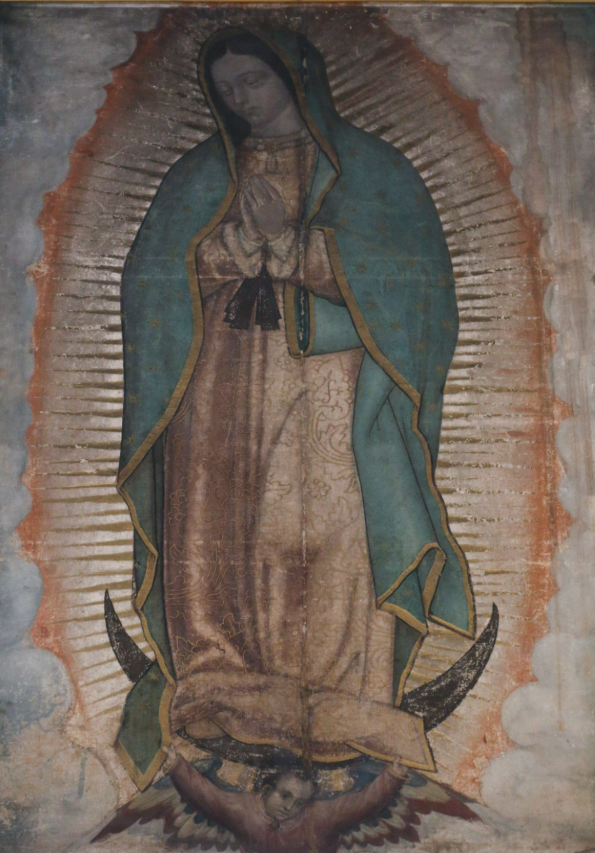
Table 7: Visual Features that Encode Gender Ideals in the Virgin de Guadalupe
| Visual Element | Meaning (Gendered) |
|---|---|
| Downcast eyes | Humility, submission |
| Hands clasped in prayer | Piety, obedience |
| Covered body (no sexuality) | Virginity, modesty |
| Serene expression | Emotional restraint |
| Radiant light / divine aura | Moral perfection |
Because these paintings were displayed in churches and homes, they helped reinforce social expectations, making the Virgin not just a religious figure but a standard for how women were expected to behave in colonial society.
Greek philosophical traditions also reinforced the notion of female inferiority. Early modern Spain was one of the main centers where Aristotelian scholasticism remained dominant, especially in universities. Throughout Mexico’s colonial period, Spanish Aristotelian scholastics used Greek texts to debate topics such as the justice of conquest and the status of Indigenous people.
Table 8: Application of Aristotelian Principles in the Americas
| Jurists/Scholars/Theologians | Aristotelian Principles Used | Application in the Americas |
|---|---|---|
| Francisco de Vitoria (1483–1546) | Natural law, just war theory, rational nature of humans | Argued Indigenous peoples had natural rights and political communities, but allowed limited justification for Spanish presence (ius gentium) |
| Domingo de Soto (1494–1560) | Aristotelian justice, natural law | Extended Vitoria’s ideas; examined justice of conquest and treatment of natives |
| Bartolomé de las Casas (1484–1566) | Aristotle’s concept of rationality (against “natural slavery”) | Defended Indigenous peoples as fully rational humans, rejecting their enslavement; challenged Aristotelian misuse (e.g., Sepúlveda) |
| Juan Ginés de Sepúlveda (1490–1573) | Aristotle’s “natural slavery” doctrine | Argued Indigenous peoples were “natural slaves”, justifying conquest—classic example of Aristotelianism used pro-imperially |
| Francisco Suárez (1548–1617) | Metaphysics, natural law, political authority | Developed sophisticated theory of sovereignty and rights, shaping legal frameworks in Spanish America |
Works written by Aristotle, such as his Politics, were used to argue that women were naturally inferior to men, both in their bodies and their ability to reason. These ideas became very influential in shaping Christian theology, laws, and social norms in the Americas and used to justify legal and social restrictions on women’s independence.
| The male is by nature superior, and the female inferior; and the one rules, and the other is ruled. – Aristotle. Politics, Book I, 1254b13–14. The deliberative faculty in the soul is not present at all in the slave; in the female it is present but without authority; in the child it is present but incomplete. – Aristotle. Politics, Book I, 1260a12–14. |
Spanish legal codes institutionalized patriarchal norms, ensuring that women had limited legal rights and were subordinate to male authority. Under colonial law. For example, women remained under their father’s legal control until the age of 25. Once married, a woman was legally subject to her husband, with no control over property or decision-making. A woman’s sexual purity was directly tied to family honor, and any deviation from societal expectations could result in public disgrace or rejection. Women accused of misconduct could be confined to deposito, a form of “protective custody” where an accused was held in a convent, private home, or institution.
Marriage was one of the most important institutions in colonial society, as it helped preserve social order and reinforce racial hierarchy. Dowries played a crucial role in marriage negotiations, as they consisted of money, property, or goods given to a groom’s family to secure a marriage. A larger dowry increased the likelihood of a woman marrying into wealth and social prestige. Spanish and noble indigenous women often had substantial dowries, making them desirable marriage partners for conquistadors, colonial bureaucrats, merchants, and hacendados. Noble indigenous women who married Spanish men could achieve a higher status similar to Spanish women. Common indigenous and mixed-race women, however, had little economic opportunity and no chance of “marrying up”. In general, for most lower-class women, economic survival often meant working as food vendors, domestic servants, or street peddlers, as they lacked the financial means to secure advantageous marriages.
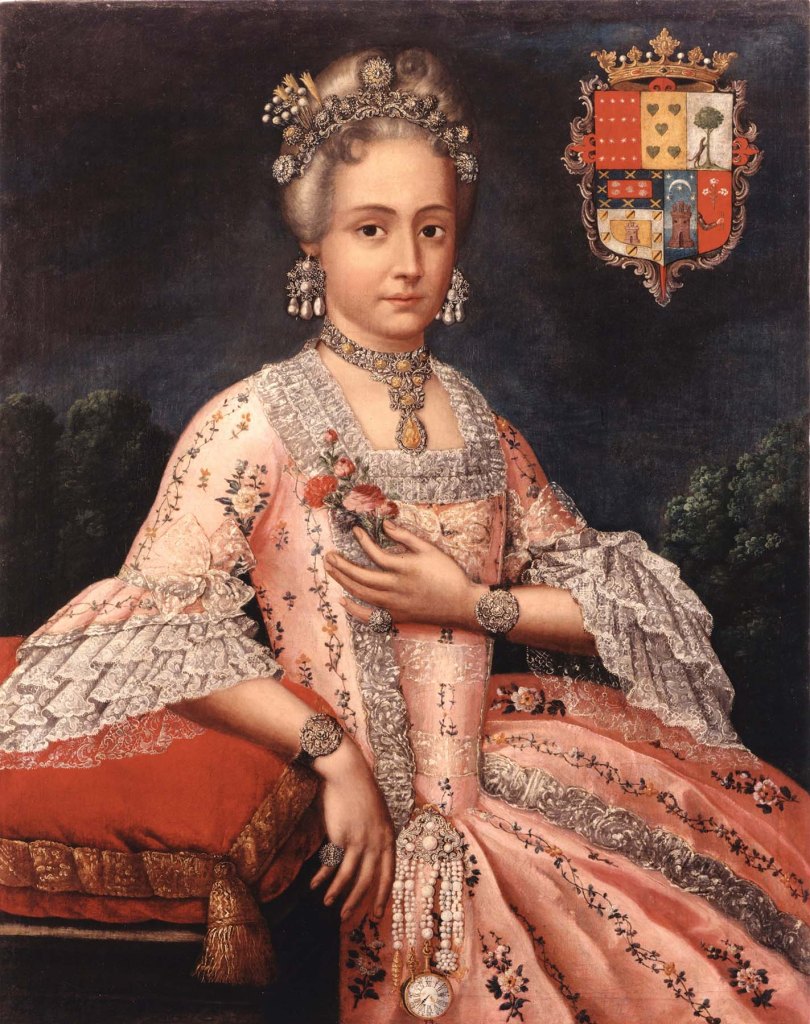
Although most women’s lives were dictated by marriage and family, some sought alternatives through religious life. Convents served multiple roles in colonial society, offering some women an escape from marriage and domestic obligations. Elite women from wealthy families entered convents to pursue a life of prayer, education, and spiritual training. Convents became centers of education, where women could study reading, writing, and religious doctrine. Some convents operated as “Recogimiento de Mujeres“, institutions dedicated to reforming marginalized women who were abandoned, mistreated, or living in poverty.
Nuns in these convents worked to “correct” the behavior of these women, preparing them for marriage, domestic service, or religious life. Despite their religious focus, nuns often held significant influence in colonial society, as convents played a role in charitable work, education, and even economic ventures. However, even within convents, patriarchal norms were reinforced, as women were still expected to submit to religious authority and male clerical leadership. However, there were exceptions such as in the case of Sor Juana Inés de la Cruz (1648–1695)
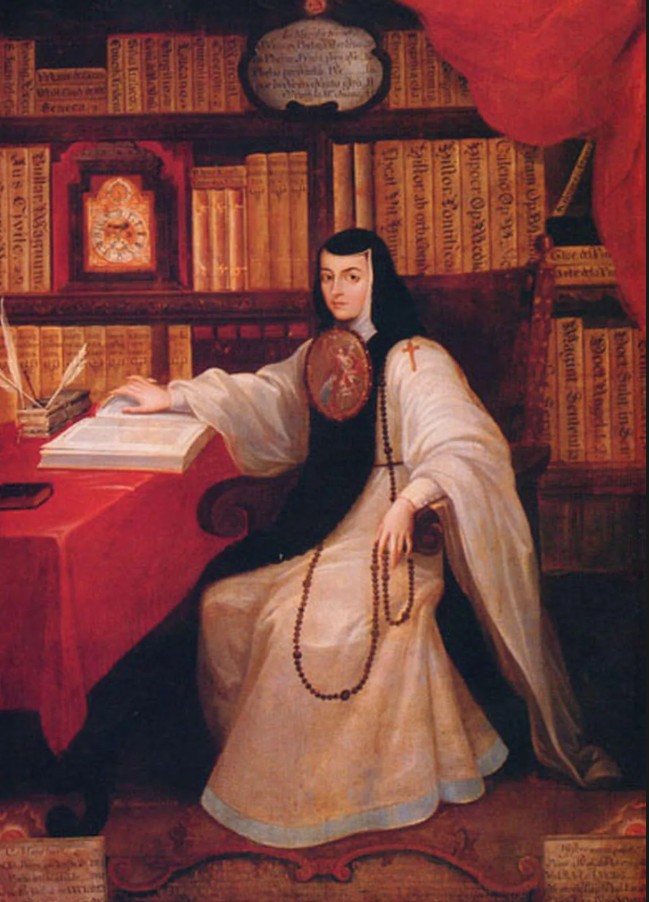
Sor Juana was one of the most important writers of colonial Mexico. She was a writer, poet, scholar, and Hieronymite nun and is regarded as one of the earliest feminists in the Americas. She championed women’s right to education and self-expression despite societal and religious constraints. Her works include poetry, plays, and philosophical writings that explore themes of gender, love, and knowledge. Her famous essay Respuesta a Sor Filotea defends a woman’s right to intellectual freedom. Despite facing persecution from the Church, she remains an iconic figure in Latin American literature and feminist history.
Table 9: Examples of Sor Juana Inés de la Cruz’s Writings
| Work | Genre | Focus |
|---|---|---|
| Primero sueño (First Dream) c. 1685–1692 | Philosophical poem | Describes the soul’s search for knowledge during sleep |
| Respuesta a Sor Filotea (Reply to Sor Filotea) 1691 | Letter / essay | Defends women’s right to education and learning |
| Carta atenagórica (Critique of a Sermon) 1690 | Theological critique | Critiques a sermon by a Jesuit preacher |
| Redondillas (“Hombres necios…”) c. 1680s | Poem | Criticizes men for blaming women for moral faults |
THE SPIRITUAL CONQUEST
The Catholic Church played a crucial role in shaping New Spain, not only in the spiritual realm but also in the political and economic ones as well. From the moment the Spanish arrived in Mexico, they sought to establish a religious structure that would help consolidate their control. However, the secular clergy, who were meant to oversee the episcopal hierarchy under bishops, proved largely inadequate. Many lacked formal education, including the ability to read and write Latin, making them incapable of defending Catholic doctrine during the Protestant Reformation in Europe.
As a result, the Spanish Crown turned to the regular clergy, mendicant orders such as the Franciscans, Dominicans, Augustinians, and Jesuits. These orders were better trained in missionary work and religious education making them more effective in spreading Christianity in New Spain. They initiated what is known as the missionary stage in Mexico’s religious history.
Table 10: Religious Orders and their Approaches to Indigenous Cultures
| Order | Approach to Indigenous Culture | Impact on Indigenous Communities |
|---|---|---|
| Franciscans | Adaptation (early period). Learned Indigenous languages (e.g., Nahuatl); used images, theater, and local traditions in teaching. | Initially more flexible; sometimes incorporated Indigenous elements into Christianity. Enabled faster conversion but also reshaped Indigenous culture into Christian forms |
| Dominicans | Doctrinal enforcement. Preaching, confession, theological instruction. | Less tolerant of Indigenous religious practices; emphasized orthodoxy. Stronger suppression of traditional beliefs; clearer religious boundaries. |
| Augustinians | Institutional integration. Built churches, towns, and schools; reorganized communities | Moderately flexible but focused on order and structure. Helped reorganize Indigenous life around colonial institutions |
| Mercedarians | Limited engagement. Charity and religious support roles. | Less directly involved in cultural conversion. Smaller impact compared to other orders |
This phase began with a papal decree issued by Pope Adrian VI in 1522, known as the Omnimoda, which allowed Charles V to use regular clergy as the primary evangelization force in the Americas. This led to the rapid expansion of missionary activity, beginning with the arrival of the Franciscans in 1524, followed by the Dominicans in 1526, the Augustinians in 1533, and the Jesuits in 1568.
Table 11: Estimated Numbers of Religious Orders in Colonial Mexico
| Order | Arrival in New Spain | Early Numbers | Estimated Peak Presence (16th–17th c.) |
|---|---|---|---|
| Franciscans | 1524 | 12 friars (“Twelve Apostles of Mexico”) | ~300–500+ friars |
| Dominicans | 1526 | Small initial group (~12–20) | ~200–300 friars |
| Augustinians | 1533 | Small group (~7–12) | ~150–250 friars |
| Mercedarians | 1530s | Very small numbers | Fewer than 50 |
The Franciscans were known for their aggressive conversion methods, often baptizing large numbers of indigenous people before fully instructing them in Christian teachings. This “baptism-first, education-later” approach was criticized by the Dominicans, who believed that religious instruction should precede baptism. Despite these theological debates, the Franciscans played a pivotal role in indigenous education, setting up schools, convents, and missions throughout Mexico.
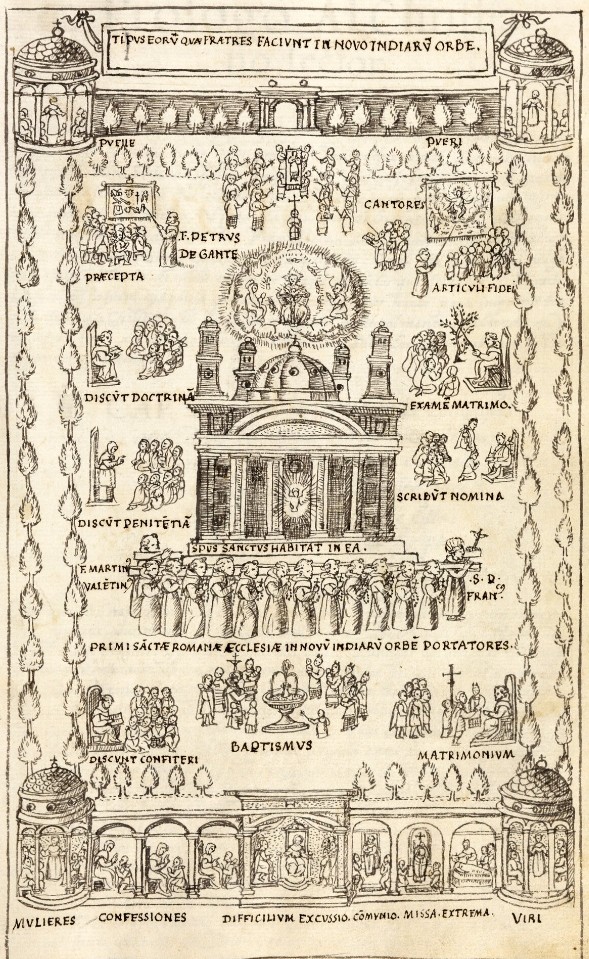
One of the most important figures in indigenous education was Fray Pedro de Gante, a Flemish Franciscan who arrived in New Spain in 1523. He founded a school in Texcoco, where he taught catechism, reading, and mathematics in Nahuatl. This eventually led to the establishment of the Colegio de Santa Cruz Tlatelolco in 1536, one of the first institutions dedicated to indigenous education in the Americas.
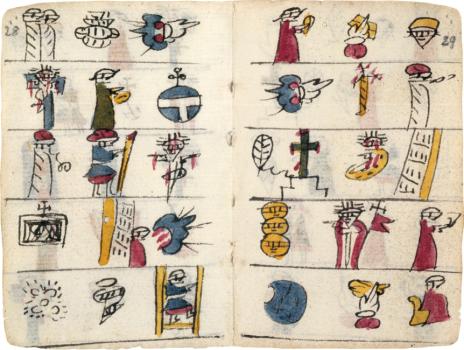
While the regular clergy played a dominant role in early evangelization, their growing influence often clashed with the encomenderos who viewed themselves as the rightful administrators of indigenous people and their labor. Missionaries argued that indigenous communities should be under the protection of the Church, not private landowners. The Franciscans were particularly vocal opponents of the encomienda system, calling for indigenous rights and directly challenging the authority of encomenderos. However, as the Spanish monarchy sought to consolidate its own power, the mendicant orders themselves became a threat to royal authority.
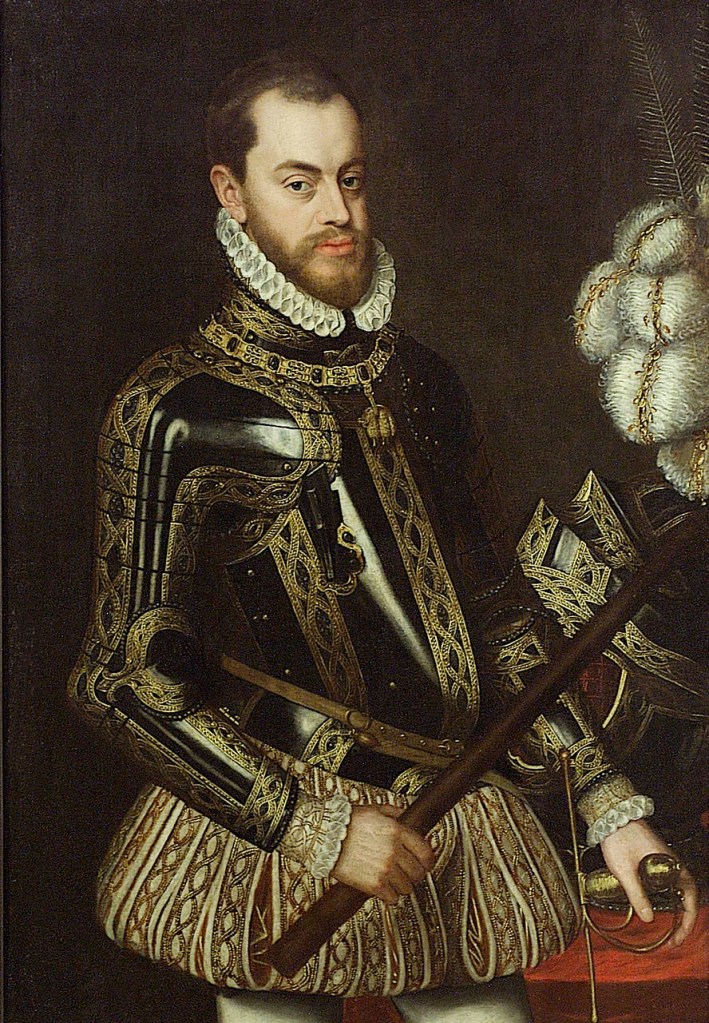
Although missionary orders played a crucial role in evangelization, the Spanish Crown did not want the Church to become too powerful. The Franciscans, for example, occasionally by passed royal authority, appealing directly to the Pope in Rome. This undermined the Crown’s control over the Church, prompting Philip II to impose restrictions. In 1574, Philip II issued the Ordenanza del Patronazgo, which made the Spanish Crown the intermediary between the Pope and the clergy, reducing the independence of mendicant orders. It forced members of the regular clergy to return to urban monasteries, restricting their ability to operate in rural indigenous parishes. It also strengthened the episcopal hierarchy, ensuring that bishops and secular clergy who were loyal to the Spanish Crown held more authority.
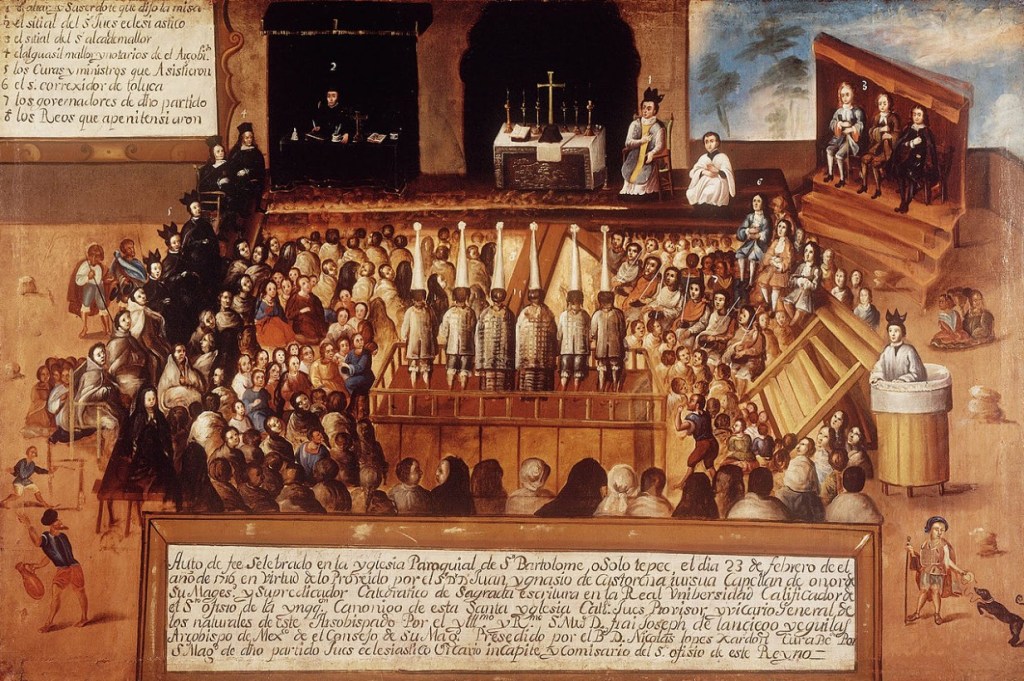
Alongside the Ordenanza del Patronazgo, the Spanish monarchy introduced the Inquisition in 1571 to New Spain. Originally created to combat heresy in Spain, the Holy Office of the Inquisition expanded in New Spain, regulating moral and religious behavior. While early efforts focused on screening Spanish emigrants for their Catholic orthodoxy, by 1650, the Inquisition had broadened its scope as it targeted bigamy, sorcery and witchcraft, solicitation of sexual favors by priests, and blasphemy and deviations from Catholic doctrine. Inquisition records from colonial Mexico reveal that the Church played an active role in policing religious and secular life and ensuring that Catholic orthodoxy remained central to society.
Over time, the Catholic Church in Mexico became one of the largest landowners and an economic entity. The Jesuits, in particular, controlled highly productive haciendas, amassing significant wealth through agricultural production. Additionally, elite criollo families formed strong ties with the secular clergy, ensuring that family members entered the priesthood to gain influence within the Church. The Church also became New Spain’s primary banking institution, financing landowners, merchants, and colonial enterprises.
The Church’s wealth came from multiple sources. For example. diezmos (tithes), a 10% tax on agricultural production, paid by farmers and landowners. Primicias, a tax on the first harvest and firstborn farm animals, was also collected by the colonial Church. Finally, fees for religious sacraments that included payment for baptisms, marriages, and funeral masses. The growing power of the Church and its close connection to criollo elites would later fuel tensions between church, state, and colonial elites, playing a major role in Mexico’s independence movement in the 18th and 19th centuries.
REVISITING THE VIRGIN OF GUADALUPE
One of the most enduring legacies of Catholicism in Mexico is the devotion to the Virgin of Guadalupe, which shaped Mexican spirituality, culture, and politics. The apparition of the Virgen in 1529/1531 at Tepeyacac (modern-day Basilica of Guadalupe, north of Mexico City) to Juan Diego, a Nahua convert, played a pivotal role in Christianization. As a miraculous apparition of the Virgin Mary speaking in Nahuatl, she represented the blending of Indigenous and Catholic traditions.
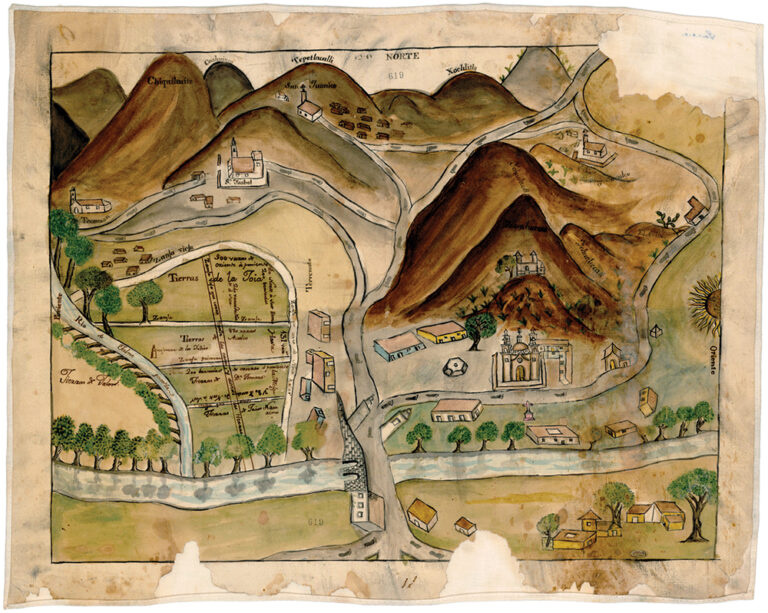
There is no surviving written account from the 1531 apparition of the Virgen. However, one of the most important sources historians rely on for the apparition story is the Nican Mopohua. It is a Nahuatl text that describes the encounter between Juan Diego and the Virgen published in 1649. From analyzing this text, scholars generally conclude that the Virgin apparition became deeply significant for Indigenous people in colonial Mexico because it bridged Indigenous cultural traditions and Spanish Catholicism. The Virgin appeared to Juan Diego, an Indigenous man, which suggested that Indigenous people mattered in the new religious system. Equally important, she spoke in Nahuatl thus making the message accessible and culturally relevant. She is also presented as a compassionate mother figure who offered protection and reassurance during a time of upheaval and colonization.
| Then she talks with him (Juan Diego), she reveals her precious will, and she says to him: “Know, be sure, my dearest-and-youngest son, that I am the Prefect Ever Virgin Holy Mary, mother of Him, the true God, giver of life, the inventor and creator of people, the lord of the near and of the nigh , the owner of the sky , the owner of the earth . I want very much that they build my sacred little house here, in which I will show, I will make manifest, I will give to people all my love, my compassionate gaze, my help, my salvation, because I am truly your compassionate mother, yours and of all the people who live together in this land, and of all the other people of different ancestries, those who love me, those who cry to me, those who seek me, those who trust in me, because there I will listen to their weeping, their sadness, to remedy, to cleanse and nurse all their different troubles, their miseries, their suffering. – Nican Mopohua (1649) |
The Virgin of Guadalupe became a powerful symbol of unity, faith, and resistance, particularly during Mexico’s War of Independence in 1810. Father Miguel Hidalgo, the leader of the rebellion, carried a banner featuring the Virgen de Guadalupe, symbolizing indigenous and mestizo identity. She also signified resistance against Spanish colonial rule and as the spiritual mother of Mexico, her image legitimized the independence movement.
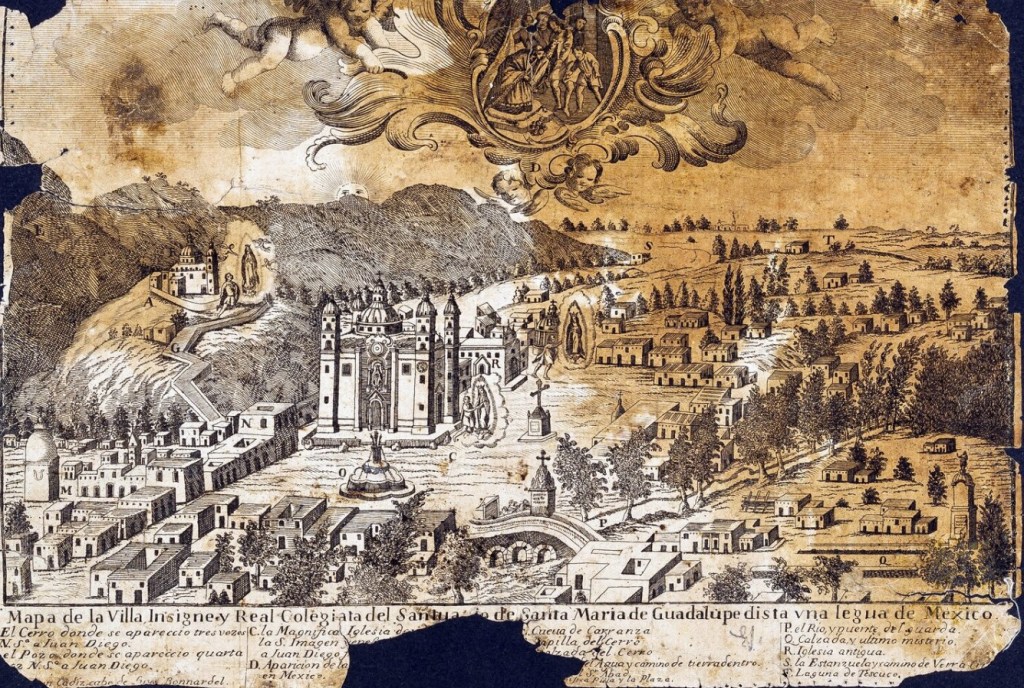
ASPECTS OF COLONIAL CULTURE
Colonial Mexico’s culture was a dynamic fusion of European, indigenous, and African influences, resulting in unique artistic, literary, culinary, and musical traditions. Art and architecture blended Baroque characteristics with indigenous craftsmanship. Literature flourished with works in Spanish and Nahuatl, Cuisine combined native and foreign ingredients. Music and dance created lasting traditions that continue to shape modern Mexico. These cultural legacies remain central to Mexican national identity today.
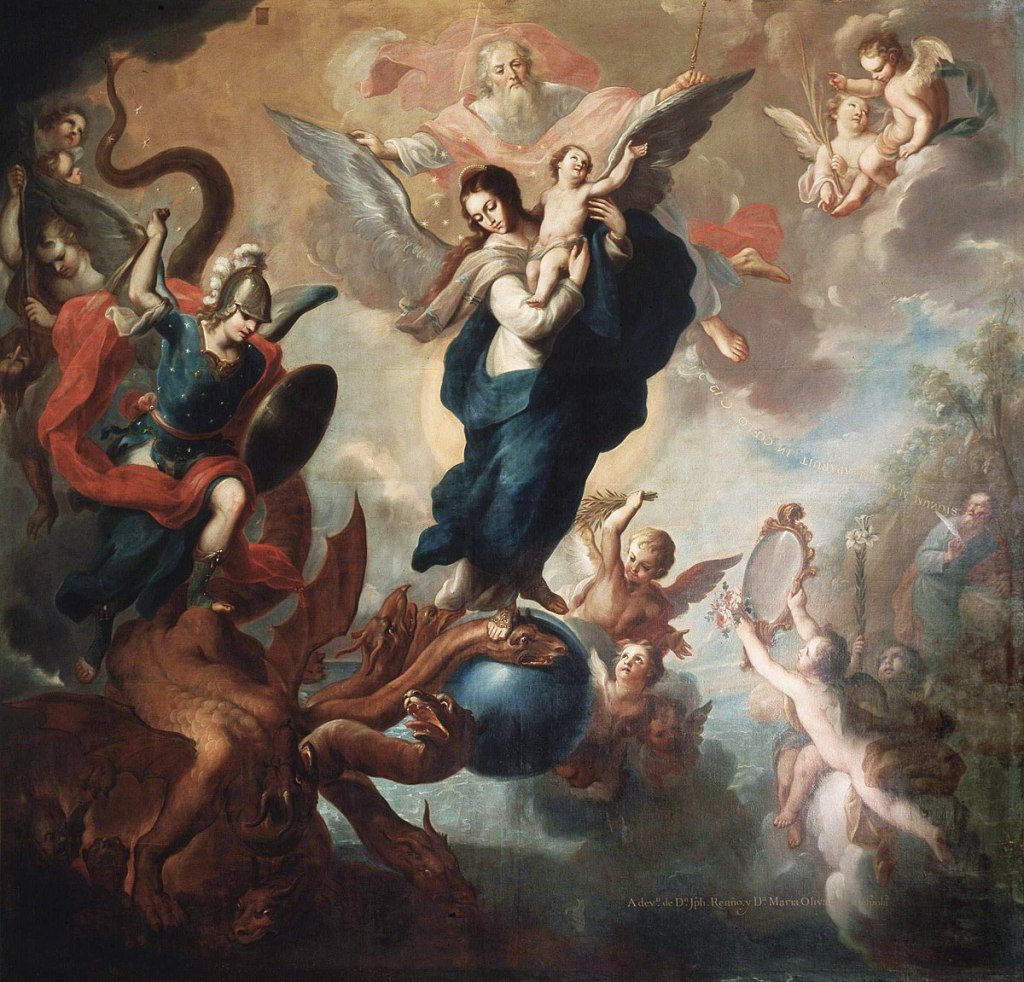
Colonial Mexican art blended European religious themes with indigenous symbolism and materials, producing visually stunning pieces that reflected the hybrid nature of New Spain’s culture. Spanish religious paintings were introduced by missionaries to educate indigenous people in Christian doctrine. Over time, indigenous artists created their own interpretations, using bright colors and local symbolism. Miguel Cabrera (1695–1768), a celebrated Mexican painter, created masterpieces like The Virgin of the Apocalypse and Sor Juana Inés de la Cruz’s Portrait.
Casta paintings, a unique genre developed in colonial Mexico, depicted the racial hierarchy of the colonial caste system. These paintings, commissioned by peninsulares and criollo elites, illustrated racial mixtures. Miguel Cabrera also became the most famous of the casta painters.
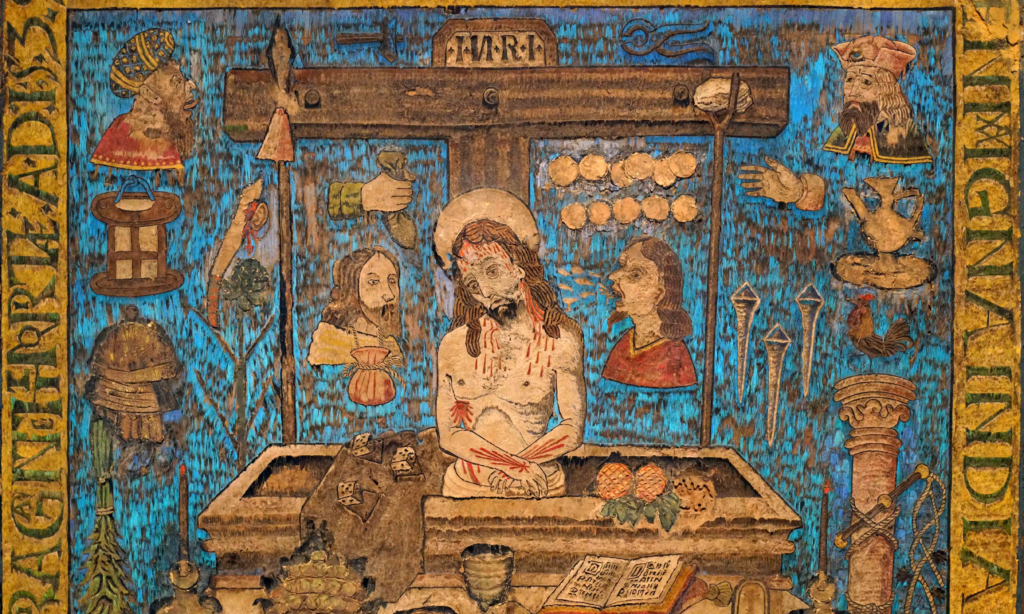
Indigenous artisans used their pre-Hispanic skills to create Christian artworks using feathers, gold leaf, and local materials as seen below in work entitled The Mass of Saint Gregory.
Colonial Mexico witnessed the building of cathedrals, monasteries, and civic buildings that incorporated Baroque, Mudejar (Moorish-Spanish), and indigenous elements. Baroque churches, characterized by ornate facades, gold-covered altars, and elaborate carvings, were centers of colonial religious life. The Metropolitan Cathedral of Mexico City (begun in 1573) is one of the largest Baroque structures in the Americas.
The Monastery of San Agustín in Acolman, built in the 16th century, showcases Renaissance and indigenous influences in its frescoes and structure. Indigenous laborers incorporated Mesoamerican motifs into Spanish buildings.
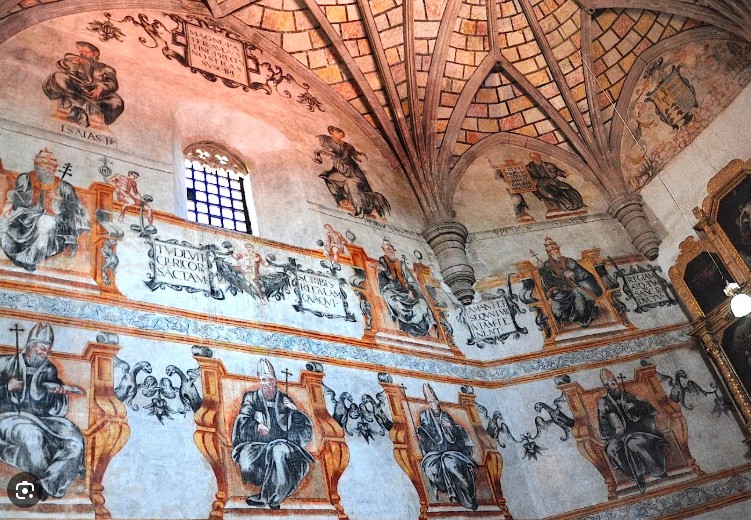
Many colonial churches feature indigenous stone carvings of local flora, fauna, and Aztec glyphs. This is exemplified by the Church of Tonantzintla (Puebla), where indigenous artists filled the interior with Nahuatl and Christian iconography.
Colonial Mexican literature reflected the intellectual, religious, and political concerns of the time. It included poetry, historical chronicles, and philosophical works. Spanish friars documented indigenous cultures, languages, and history, creating some of the earliest ethnographic works such as Fray Bernardino de Sahagún’s Florentine Codex. The first printing press in the Americas was established in Mexico City in 1539, allowing for the spread of religious texts, educational materials, and political documents.

Long narratives, or proto-novels/picaresque-style stories were represented by the Carlos de Sigüenza y Góngora’s Infortunios de Alonso Ramírez. Many consider this work the first Latin American novel-like text that blends history, adventure, and fiction. Villancicos such as Sor Juana’s Villancicos de Navidad (First and Fifth) and Juan Gutiérrez de Padilla’s Villancicos for the Puebla Cathedral reflected religious themes and, in many cases, cultural and linguistic mixing.
The Columbian Exchange dramatically changed Mexican cuisine, as Spanish ingredients mixed with Mesoamerican staples, creating new flavors, dishes, and cooking techniques. Mesoamerican staples ingredients included corn, beans, chili peppers, tomatoes, cacao, vanilla. European imports were represented by wheat, sugarcane, beef, pork, dairy, rice, and various fruits. African contributions included plantains, yams, and okra, introduced through the transatlantic slave trade. The mixing of these foods led to the creation of iconic dishes. For example, mole which is a rich sauce combining chocolate, chili peppers, nuts, and spices. Mole poblano, is believed to have been created by nuns in Puebla in the 17th century. Spanish meat and cheese were incorporated into traditional indigenous corn-based foods such as tamales. Thick maize-based drinks, such as atole, were often flavored with cinnamon and chocolate.
Table 12: Iconic Dishes Originating from Mixing of Foods
| Dish | Indigenous Elements | Spanish / European Elements | African / Global Elements | Resulting Hybrid |
|---|---|---|---|---|
| Mole poblano | Chili peppers, cacao, maize thickening | Almonds, cinnamon, cloves, sugar | Possible Asian spices via Manila trade | Complex sauce combining Indigenous base + Old World spices |
| Tamales (colonial variations) | Maize dough (masa), traditional steaming | Pork, lard, new fillings | Bananas/plantains in some regions | Classic Indigenous dish transformed with new meats and fats |
| Pozole (colonial form) | Maize (hominy), chili broth | Pork (replacing earlier meats) | — | Indigenous ritual dish adapted to Spanish livestock economy |
| Atole / Champurrado | Maize drink, cacao | Sugar, cinnamon, milk | — | Traditional beverage enriched with European sweeteners and dairy |
| Pan de muerto (early forms) | Ritual food traditions | Wheat flour, baking techniques | — | Indigenous ritual meanings expressed through European bread-making |
| Rice dishes (e.g., arroz a la mexicana) | Local vegetables, chili | Cooking techniques, seasoning styles | Rice (from Asia via Spain) | Everyday dish showing global ingredient integration |
| Chocolate (drinking chocolate) | Cacao, traditional preparation | Sugar, milk, cinnamon | — | Transformed into a sweet, spiced beverage popular in Europe |
Colonial Mexico’s music and dance fused Spanish, indigenous, and African rhythms, creating new musical traditions that influenced later Mexican music genres. Villancicos were performed in churches and convents. Nahuatl-speaking choirs performed Christian hymns with drums, flutes, and traditional instruments. Danza de los Voladores (Dance of the Flyers), a pre-Hispanic ritual dance where performers descend from a tall pole while playing flutes and drums, was Christianized by incorporating Catholic symbolism.
The Jarabe Tapatío (Mexican Hat Dance), a dance that emerged from Spanish and mestizo traditions, eventually becoming Mexico’s national dance.
Instruments Introduced by the Spanish would also find their integration. The guitar and violin became essential instruments in Mexican folk music. The harp was used in early mariachi and Jarocho music.
Finally, percussion and syncopated rhythms from African were incorporated into Afro-Mexican musical traditions.
Table 13: Cultural Blending in Colonial Mexican Music and Dance
| Musical Form / Practice | Spanish Elements | Indigenous Elements | African Elements | Resulting Hybrid & Legacy |
|---|---|---|---|---|
| Villancicos (cathedral music) | Religious lyrics, polyphony, European song form | Use of Indigenous languages (Nahuatl), local themes | “Villancicos de negro” with African-style rhythms and speech patterns | Created multicultural sacred music; influenced later Mexican folk and religious music |
| Villancicos de negro | Christian themes, Spanish poetic structure | Local performance context | Syncopation, imitation of Afro-diasporic speech, percussion | Early example of Afro-Mexican musical presence in colonial culture |
| Son jarocho (early form) | Guitar-family instruments, Spanish verse forms | Regional performance traditions, dance platforms (tarima) | Strong rhythmic patterns, percussive dance, call-and-response | Became a major Mexican genre (e.g., La Bamba); clear tri-cultural fusion |
| Fandango (dance gatherings) | Spanish dance structures | Communal Indigenous dance traditions | Percussive footwork, improvisation | Social dance blending cultures; foundation for later regional dances |
| Liturgical Indigenous music | Christian hymns, church organization | Indigenous melodies, instruments, performance styles | Some rhythmic influence in certain regions | Hybrid worship music used in conversion and local adaptation |
| Afro-Indigenous dance practices | Spanish frameworks for festivals | Indigenous ceremonial dance | African polyrhythms, body movement styles | Created new popular dance traditions in coastal regions |
| Instrumental ensembles | Violin, harp, guitar | Drums, flutes | Percussion techniques, rhythmic emphasis | Mixed ensembles that shaped regional Mexican folk music |
IN CLOSING
Colonial Mexico was a cross-cultural society shaped by the interaction of Indigenous, Spanish, and African peoples under Spanish rule. Spanish institutions were imposed, but Indigenous traditions persisted and adapted, while African influences entered through the Atlantic slave trade. Thus, colonial Mexico was not simply a transplanted Iberia, but a society formed through cultural exchange and adaptation.
The next module will focus on the colonial Mexico’s move toward independence. This movement was driven by a convergence of European disruptions and local colonial tensions that would lead to the war for independence.

